Sweet Almond Oil FAQ: Your Top Questions Answered
Pick up a bottle of almond oil and a handful of questions arrive at once: is this the sweet kind, what does cold-pressed mean, will it bother my skin, can I cook with it? Here are the ones we hear most, answered the way we would across a counter.
What is in the bottle
Is sweet almond oil the same as bitter almond oil?
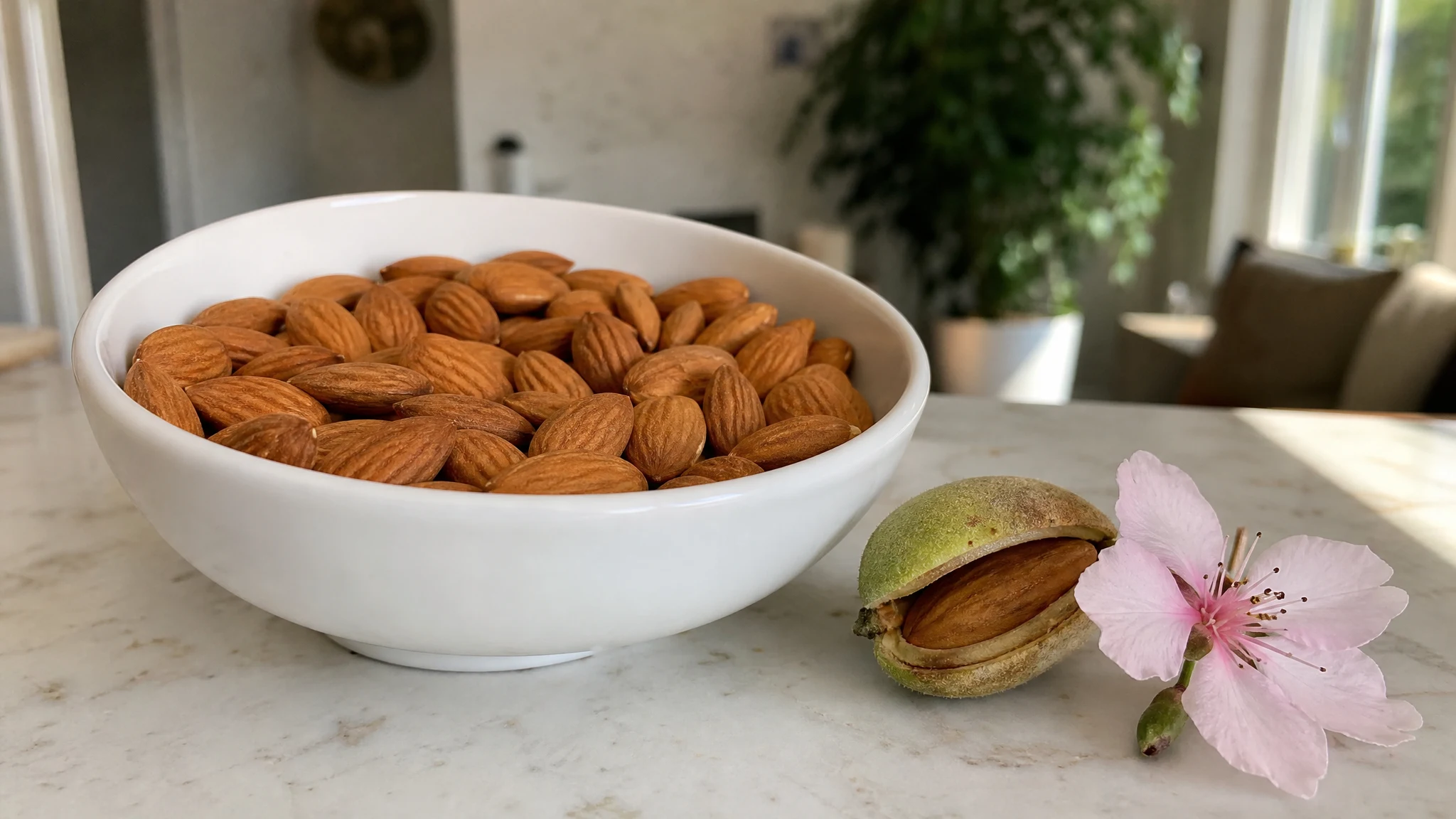
No, and the difference matters. Ours is sweet almond oil, pressed from the kernels of Prunus amygdalus dulcis, and it is the only almond oil we sell. Bitter almond oil is a different material with genuine toxicity concerns, so we leave it alone entirely. If a listing never says "sweet," ask before you buy. The long version is in sweet versus bitter almond oil.
What does cold-pressed and unrefined actually mean?
It means we press whole kernels with the temperature kept below 40 degrees C (104 F), and we do not bleach, deodorize, winterize or use solvent afterward. Nothing is added, not even vitamin E. What you get is a faintly golden oil that smells softly of almonds, with a lightly sweet, nutty aroma. Unrefined oil keeps more of the almond's own character, and that includes trace almond protein, which is why the allergy answer below is so firm. If you are weighing it against a refined oil, our refined versus unrefined guide walks through the trade-offs.
How long does it keep?
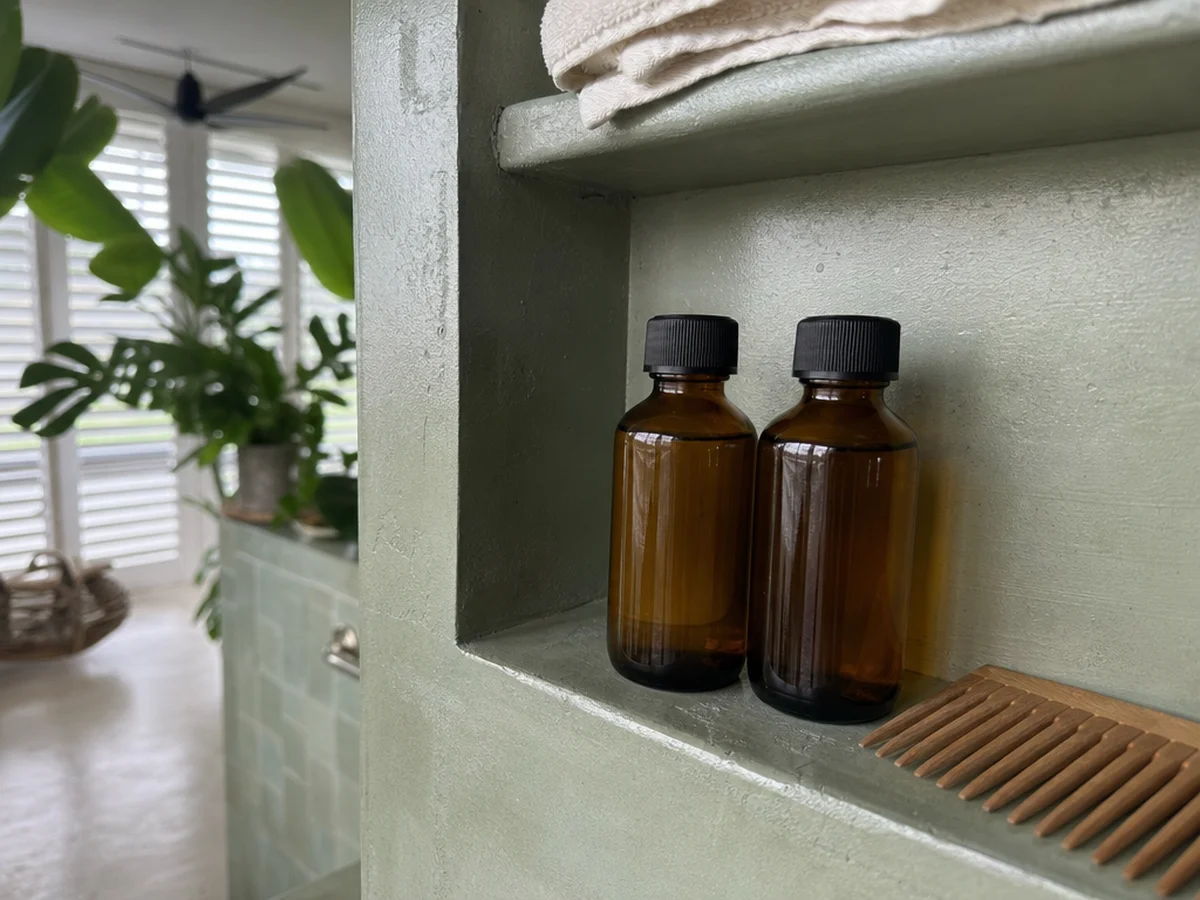
We think of it as about a year from pressing, kept cool and dark. That is why our bottles are amber glass and carry a pressing date, a bottling date and a lot number. Once you know the pressing date, the rest is easy: a cupboard away from the stove beats a sunny windowsill every time. More habits are in how to store almond oil.
What paperwork can I see?
Our Certificate of Analysis for one batch lists relative density (0.918 at 20 C), refractive index (1.472) and optical rotation (-0.16 degrees), each with its standard range. If you need something beyond that, such as a fatty-acid profile or peroxide value, write to us through the contact page with the lot number from your bottle and we will take it from there. Our buyer's guide covers what else to look for on any label.
What does it smell and feel like?
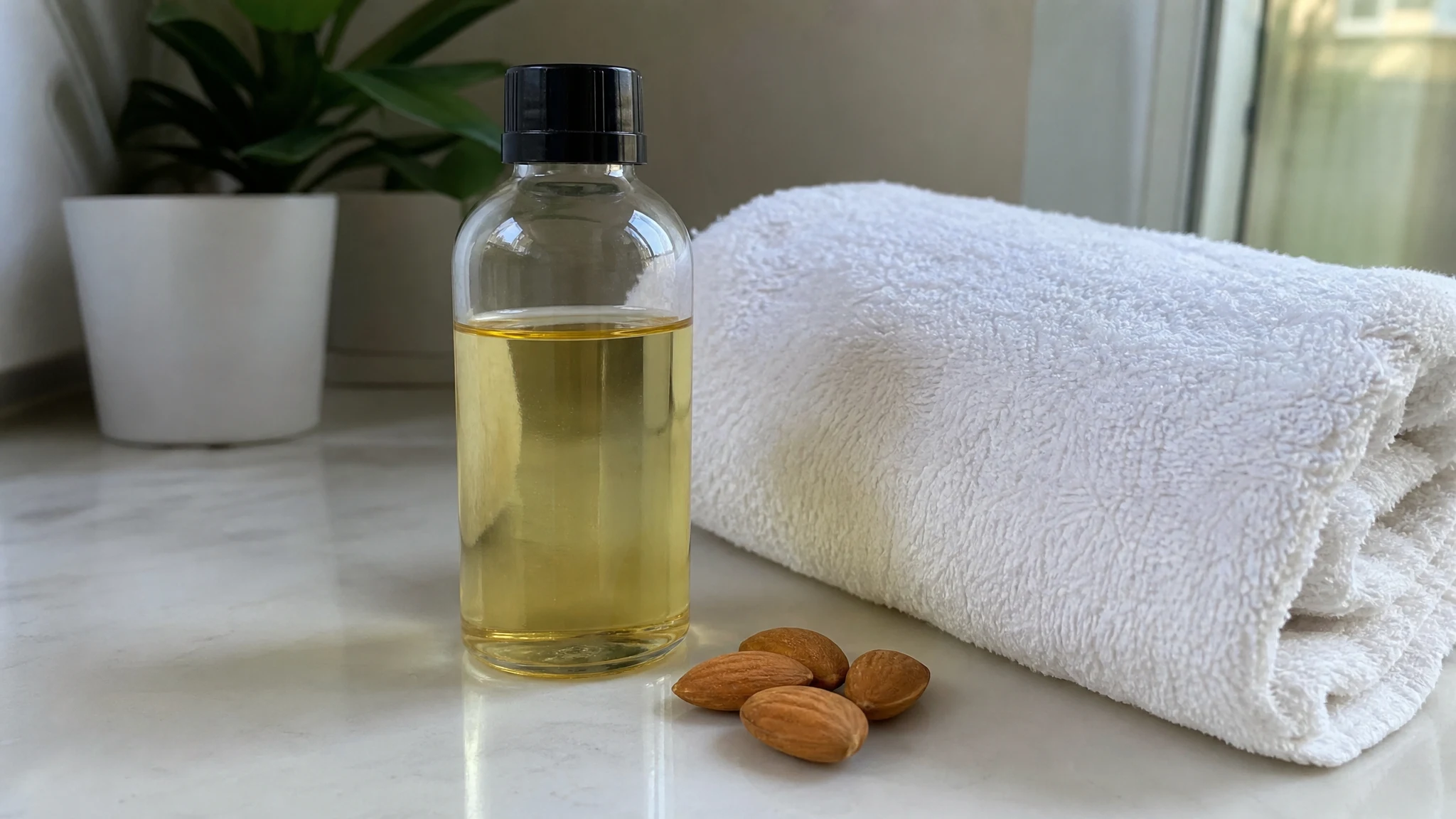
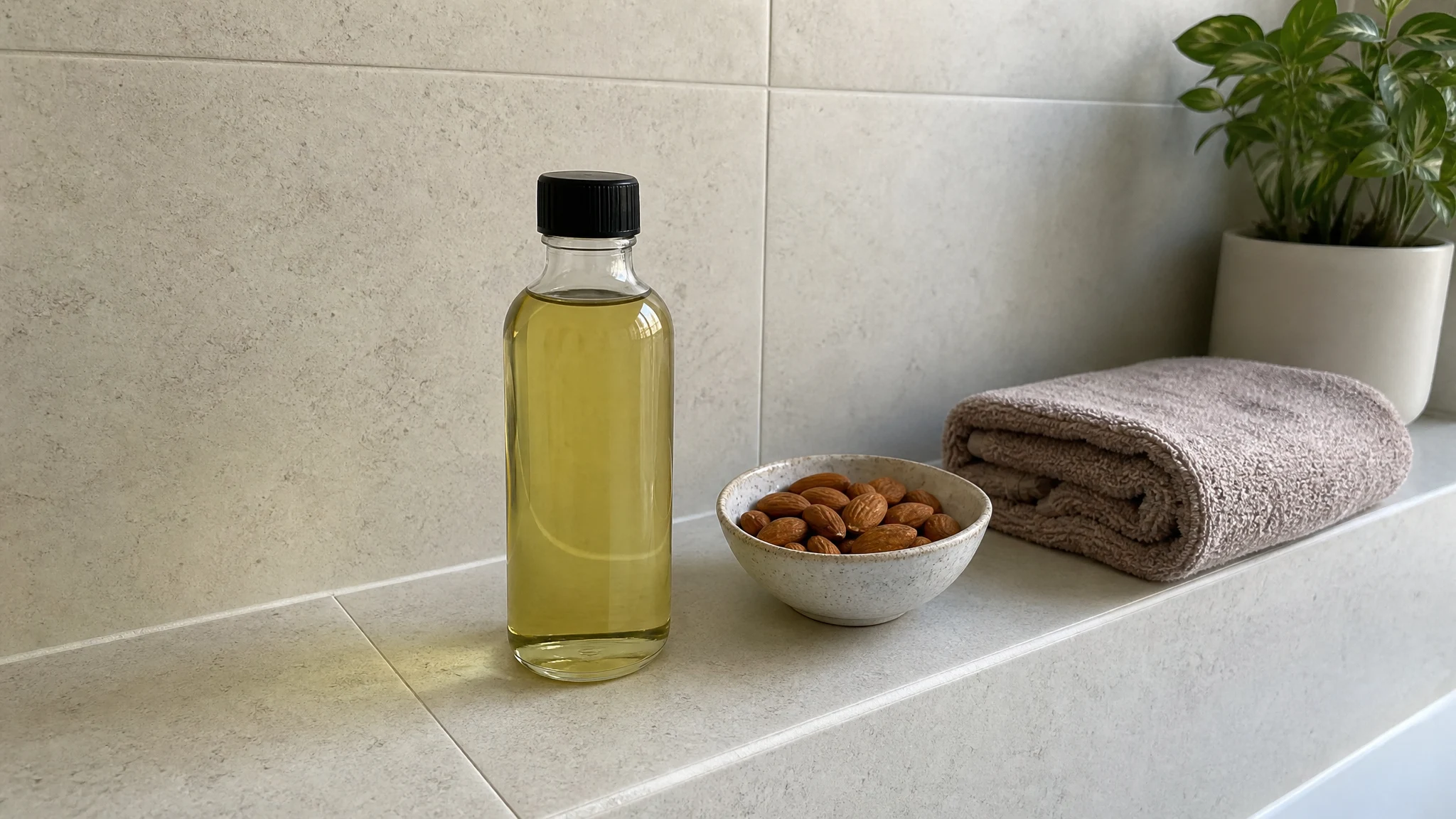
Open the bottle and you will find a faintly golden oil with a soft, lightly sweet, nutty scent. It is not a loud fragrance, and that is the point. On the skin it spreads easily, absorbs quickly and leaves a non-greasy finish, so a few drops are plenty for hands or forearms. Pour a little into your palm, warm it for a moment and you will see how much glide it has.
Using it on your skin
Can someone with a tree nut allergy use it?
No. Almond is a tree nut, and because our oil is cold-pressed and unrefined, trace almond protein is present. If you have a tree nut allergy, please do not use this oil. Food Allergy Research & Education notes that tree nut oils such as walnut and almond, which often are not highly refined, are sometimes used in lotions, hair care products and soaps, so it is worth reading ingredient lists on those products too. An allergist is the right person for the bigger picture, and our nut allergy post goes further.
Should I patch test first?
Yes, every time you try something new. The American Academy of Dermatology suggests a quarter-sized spot on the inner arm or the bend of the elbow, the product applied twice a day for 7 to 10 days, and you start using it only if there is no redness, itching or swelling. If a reaction appears, wash it off and stop. We add one thing of our own: keep the oil away from your eyes. Sensitive skin gets its own page in our sensitive skin questions.
Will it clog my pores?
There is no reliable single answer, and that is worth knowing. The familiar pore-clogging scales that rate oils from 0 to 5 are widely repeated, but a 2006 study of finished products concluded that products made with comedogenic ingredients are not necessarily comedogenic themselves. It was a small study, so treat it as a reason to doubt neat rankings rather than a verdict on almond oil. If your skin breaks out easily, our breakout-prone skin post is the place to start, and a dermatologist is the best guide.
Beyond the skin
Can I cook with it or eat it?
Not ours. We sell our oil for external cosmetic use, and it is cosmetic grade, not marketed for culinary use. For the kitchen, buy an almond oil sold as a food from a food seller and read its allergen label. If you are curious about the food side anyway, our cooking post explains what smoke point numbers do and do not tell you.
Is it safe during pregnancy or for babies?
Those are conversations for your OB/GYN, midwife or pediatrician, and we would not want to answer them for you. What we can say is that ours is an external cosmetic oil, patch testing comes first, and tree nut allergy rules it out. We sorted what the major health sources say in our pregnancy post.
How should I pour it?
Pour into your palm instead of dipping your fingers into the bottle, and wipe the neck with a clean tissue afterwards. It keeps the oil clean, and it keeps the bottle tidy on the shelf.
Something we missed? Ask us through the contact page and we will happily add it to the list.

Sweet Almond Oil
Sweet Almond Oil from our own shop, in sizes from 0.5 oz to bulk.
From $9.99
Shop Now →