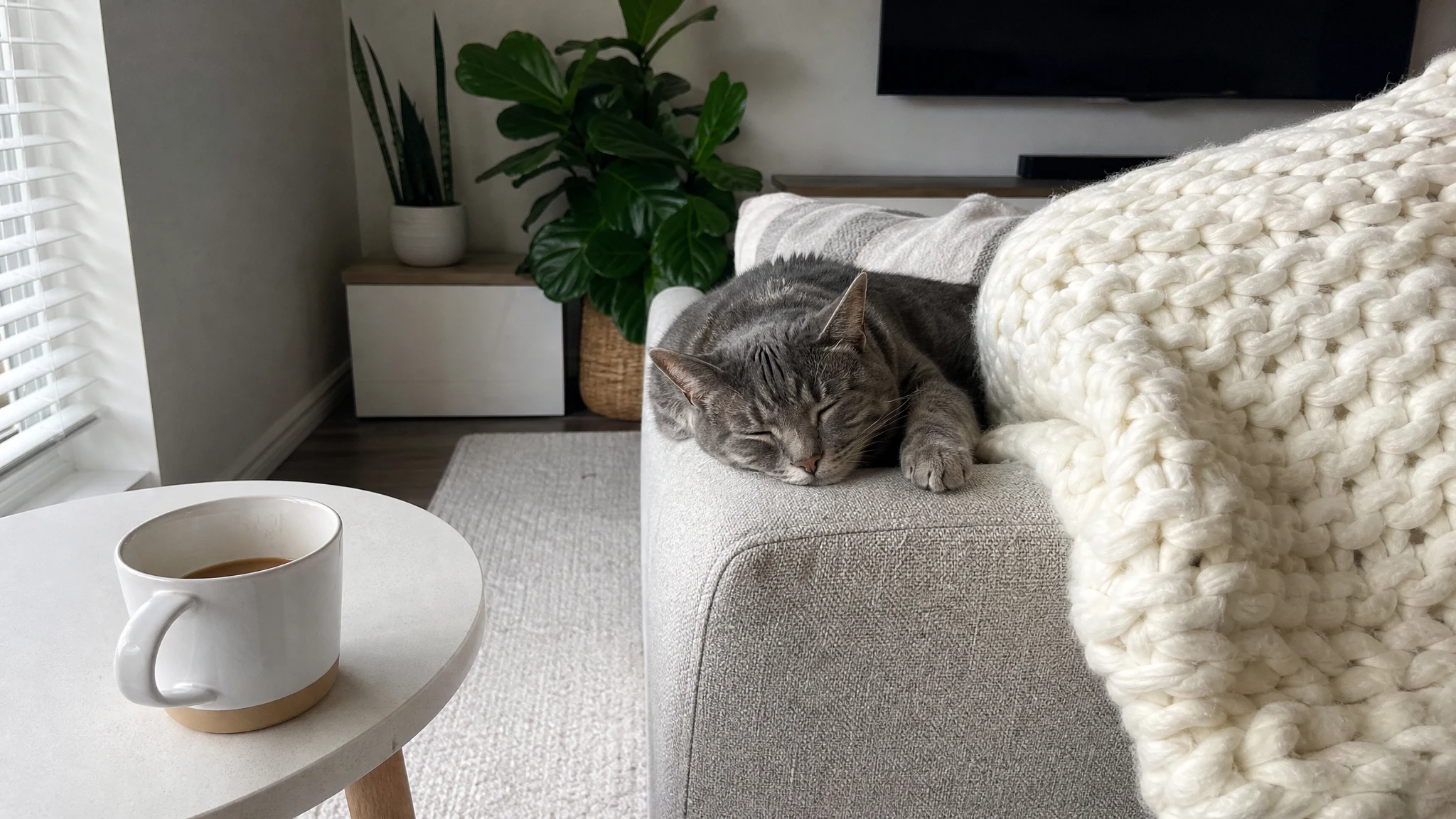
Almond Oil and Cats: What Vets and Poison Lines Say
A cat licks whatever lands on its fur. See what the ASPCA and Pet Poison Helpline say, why cats are the careful case, and what to do after a spill.
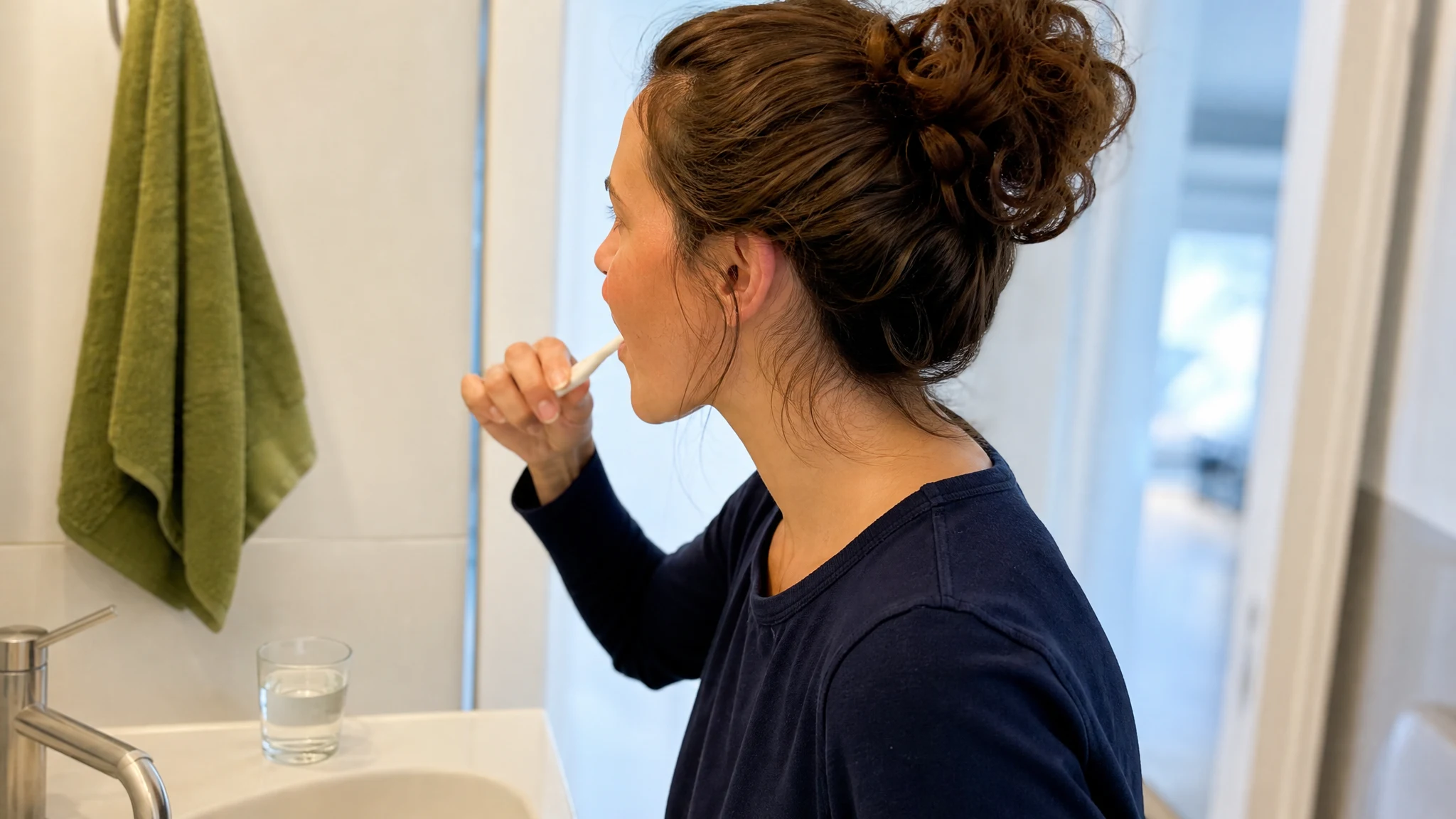
Almond Oil Pulling vs Coconut: What the Trials Say
Can almond oil stand in for coconut when oil pulling? The trials only tested sesame and coconut, and neither moved plaque scores. Here is what that means.

Almond Oil for Rosacea-Prone Skin: Ask First
Rosacea-prone skin does best with few products and no surprises. Here is what dermatologists advise, how to patch test, and why we say ask first.
Almond Oil and Psoriatic Arthritis: Skin Care Basics
Almond oil is for skin, not joints. What NIAMS, the Psoriasis Foundation and dermatologists say about moisturizing dry skin and nails with psoriasis.
Does Almond Oil Grow a Beard? What Genes Decide
Genes and hormones decide your beard. Almond oil does a different job: soft, easy-to-comb hair. What dermatologists say, and who should skip it.
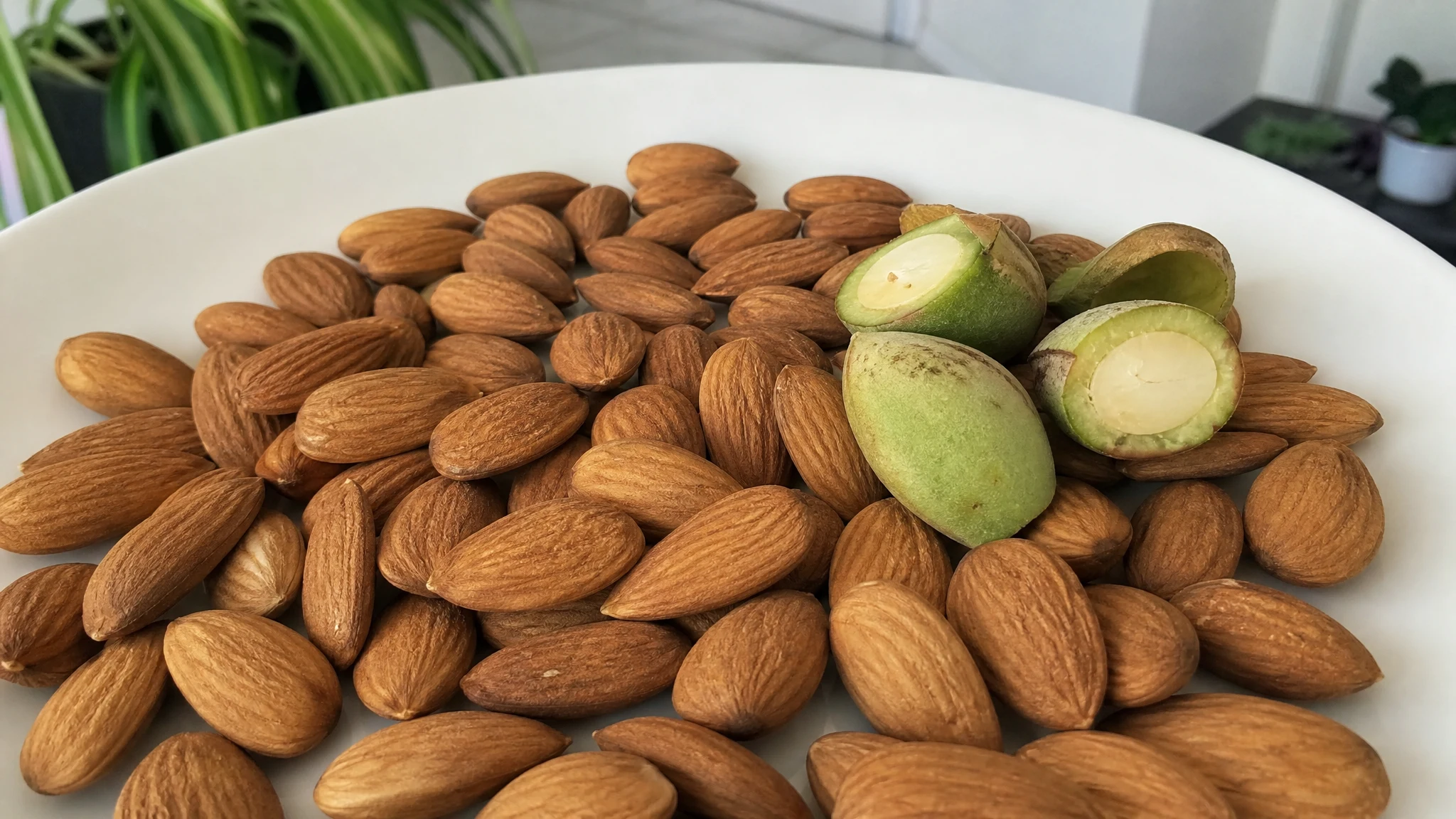
Vitamin E in Almond Oil: How Much Is There?
"Rich in vitamin E" is on many almond oil labels. We look at how much is really there, why it matters for freshness, and what the research says on skin.
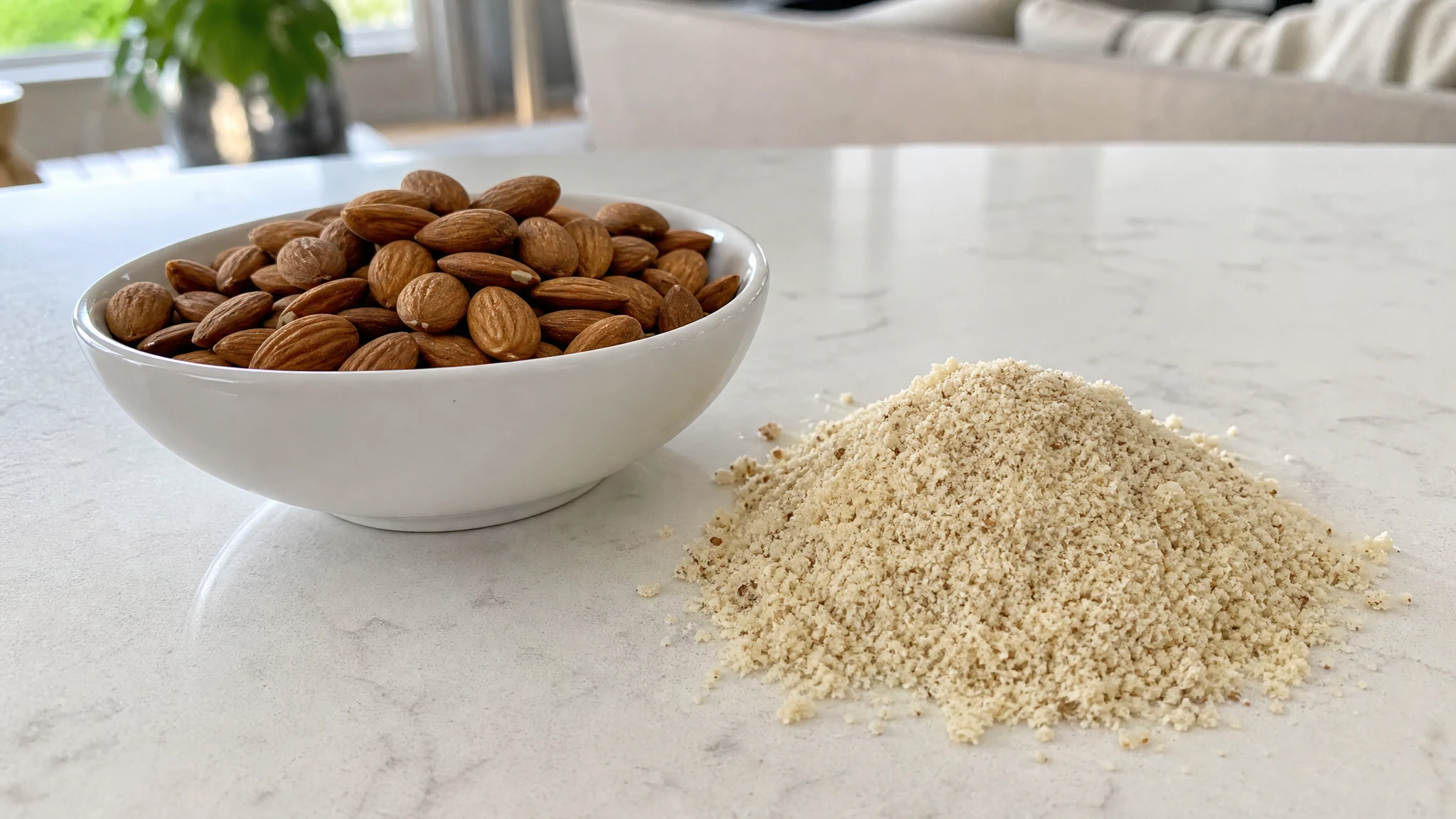
Does Almond Oil Have Squalene? What to Know
Squalene is real and part of your own sebum, but almond oil is not a rich source. Here is what the reviews say and why we put freshness first.
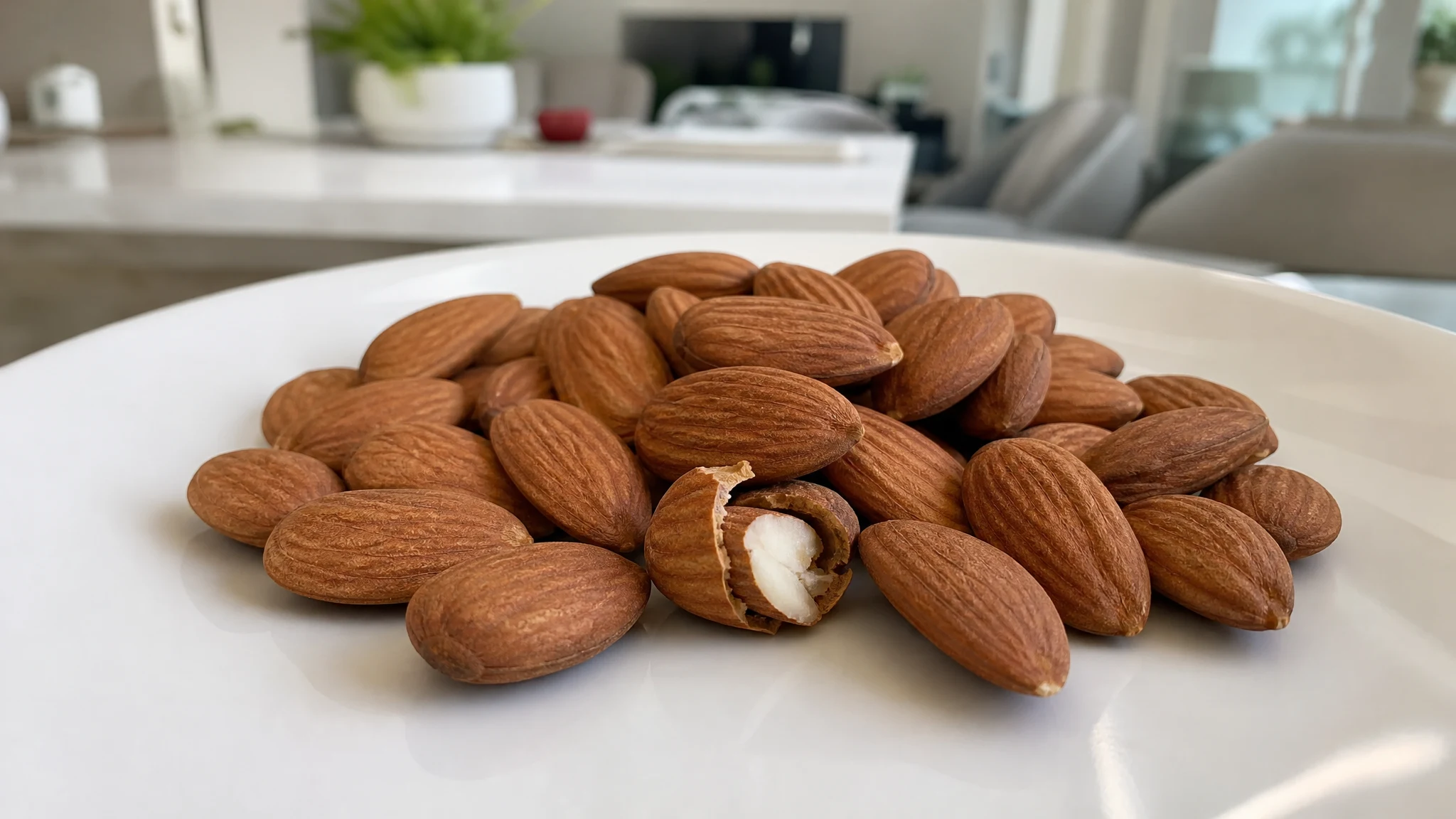
Almond Oil Phytosterols: What Is Actually Known
Almond oil carries plant sterols, about 10 to 16 mg a teaspoon. Here is what lab studies tested and why chemists use sterols as a fingerprint.

Does Almond Oil Make Hair Greasy? How Much to Use
Almond oil only looks greasy when there is too much of it. Find your amount by hair type, where to apply it, and how to rescue a heavy day.
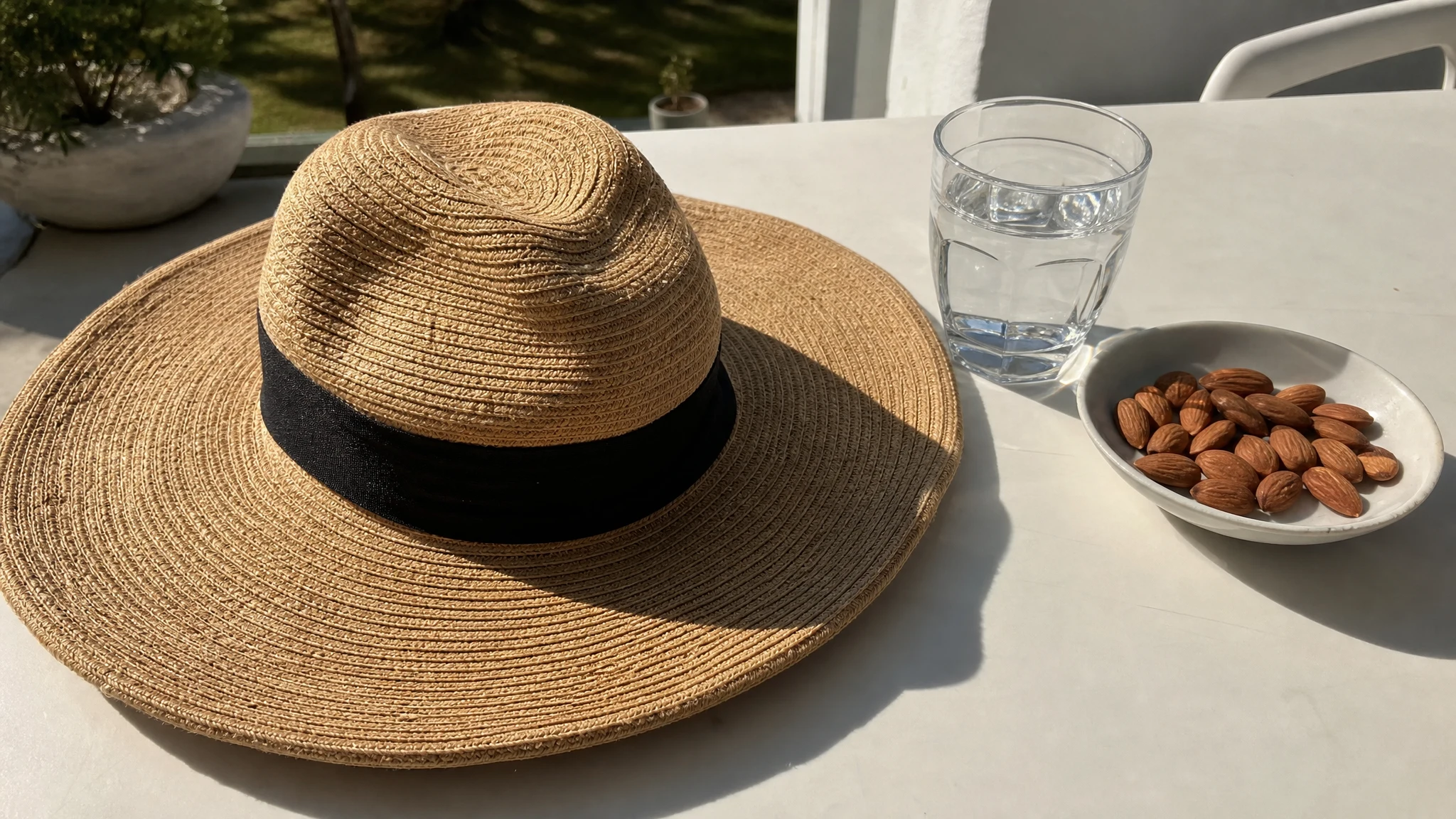
Is Almond Oil a Sunscreen? The SPF Myth Explained
The sun-factor number quoted for almond oil comes from a lab screen, not skin. Here is what it means, and what we would reach for outdoors.
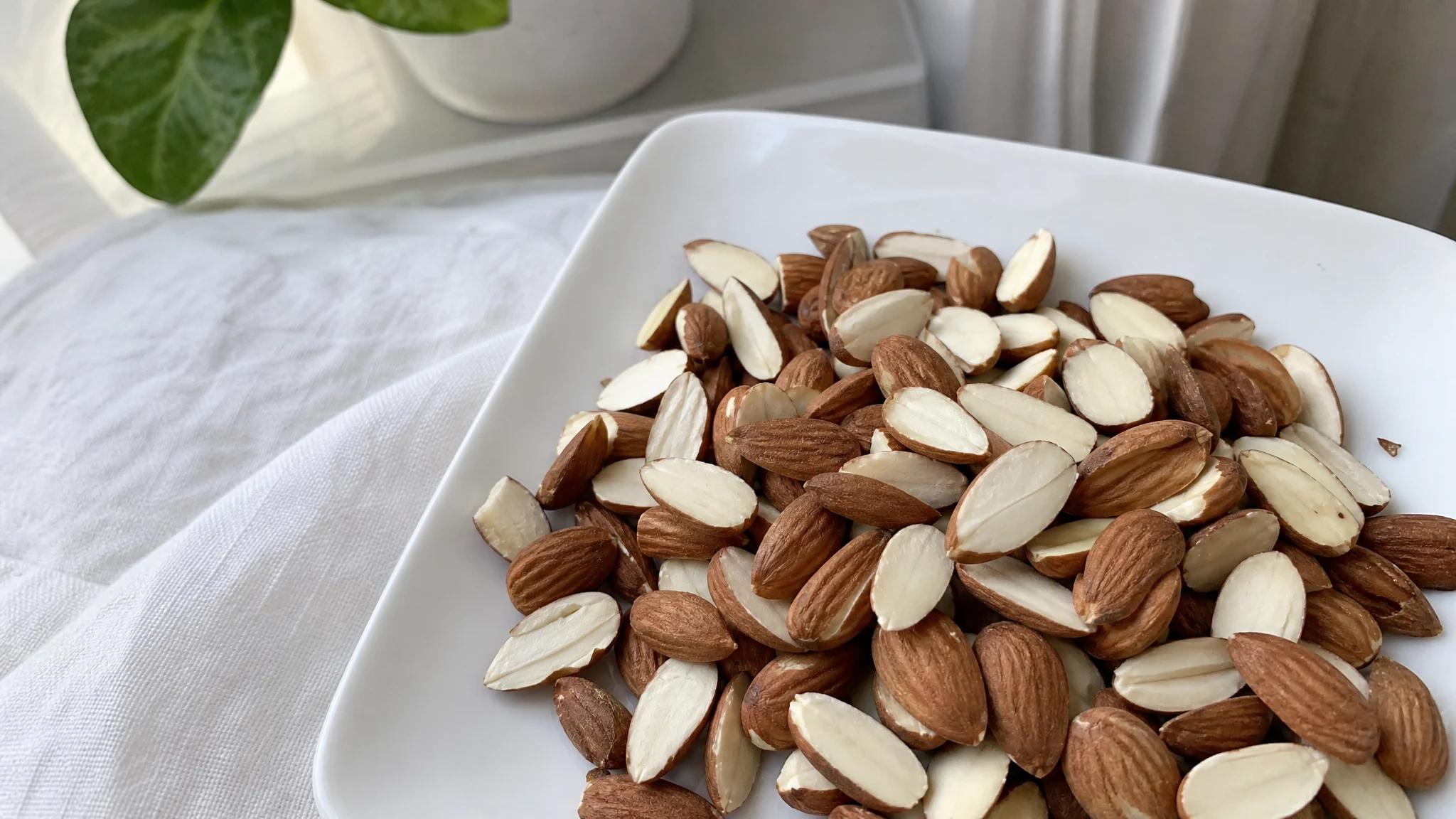
Almond Oil Fatty Acids: Oleic vs Linoleic Explained
Why do almond oil fatty-acid numbers differ from page to page? A seesaw between two acids, shaped by variety, place and freshness. We explain it plainly.