Is Almond Oil a Sunscreen? The SPF Myth Explained
No, almond oil is not a stand-in for sunscreen, and we say so as a company that sells almond oil. The "natural SPF" numbers that circulate online come from one kind of laboratory screening test, they are small, and no regulator treats an oil as a sunscreen. If you are choosing between a bottle of our oil and a sunscreen for a day outdoors, take the sunscreen.
Where the number comes from
Search for almond oil and sun and you will find a figure around 4 to 5. It traces back to a short 2010 paper in Pharmacognosy Research by Kaur and Saraf. The details of what the authors did explain why the number makes a poor guide.
- They dissolved each oil in a mixture of ethanol and water, diluted it to 0.1 percent, and measured how much ultraviolet light the solution absorbed between 290 and 320 nm. A calculation then turned that into an SPF value.
- Almond came out near 5. Olive and coconut oils were nearer 8, and sesame lower. These are approximate values taken from the text.
- No skin was involved. There was no testing on people, the ethanol-water vehicle looks nothing like a film of oil on a shoulder, and the oils were bought from local pharmacies. The authors present the method as a quick screening step.
So the figure describes a diluted solution in a lab, not what a layer of oil does on a person outdoors. It also says nothing about how our particular oil behaves.
What an SPF number tells you
The FDA describes SPF as indicating the level of sunburn protection, and says broad spectrum products help protect against both UVA and UVB rays. Two things follow from that. First, a number like 5 speaks only about the UVB end of the spectrum, and the lab method looked at a narrow band that leaves out the longer UVA wavelengths a broad spectrum label is meant to cover.
Second, SPF is a ratio. As a rough reading from the definition (our arithmetic, not a study result), SPF 5 lets about a fifth of the burning dose through and SPF 30 about a thirtieth. The gap between them is about six times as much dose reaching the skin, before you even account for how thinly or unevenly an oil is applied.
In the United States, sunscreens are regulated as over-the-counter drugs, and the FDA page explains that the active ingredients do the protecting while other ingredients, such as water or oil, help formulate the product. Our sweet almond oil is a cosmetic carrier and moisturizer, and we make no medical claims for it.
What to reach for outdoors
The AAD recommends a broad-spectrum sunscreen of SPF 30 or higher, with a water resistance claim of 40 or 80 minutes if you will be sweating or swimming. On quantity, it says most adults need about an ounce, roughly a shot glass, to cover exposed skin, and at least a teaspoon for the face, reapplied every two hours and right after swimming or sweating. The same page lists spots people forget: the neck, ears, tops of the feet, thin-haired scalp and lips. The FDA adds shade during the middle of the day and covering up with long sleeves, a hat and sunglasses.
That is a plain, practical routine, and it is the one we would follow.
Layering and timing
Neither the AAD nor FDA pages we read say anything about layering oils with sunscreen, so we do not have a rule to offer from them. Our reasoning is cautious: a sunscreen's labeled SPF was measured on that product as formulated, and an oil on top is not part of that test. If you enjoy using an oil, the simplest way to keep it from competing with your sunscreen is to use it in the evening. A dermatologist can advise on layering for your own skin.
Where our oil does belong
As a moisturizing step after the day is done. It has a soft glide, a light, nutty aroma and a non-greasy finish, and it is lovely on dry skin at night. For skin that has had too much sun, the NHS advises cooling it and using an unperfumed moisturiser, and a baby or child who has been sunburned needs urgent advice from a medical professional, not a bottle of oil. Our post on almond oil after sun sticks to what health sources say.
If you have a tree nut allergy, do not use our oil at all. It is cold-pressed and unrefined, so trace almond protein is present. More in almond oil and nut allergies.
How to spot this claim elsewhere
When a page says an oil has an SPF, check three things: was a person's skin tested, or only a solution in a lab; is the number stated for UVA as well as UVB; and is the product sold and regulated as a sunscreen? "Almond oil SPF 5" fails all three. The FDA also notes that products with an SPF below 15, or without broad spectrum protection, must carry a warning that they have been shown only to help prevent sunburn, which tells you how little a low number buys.
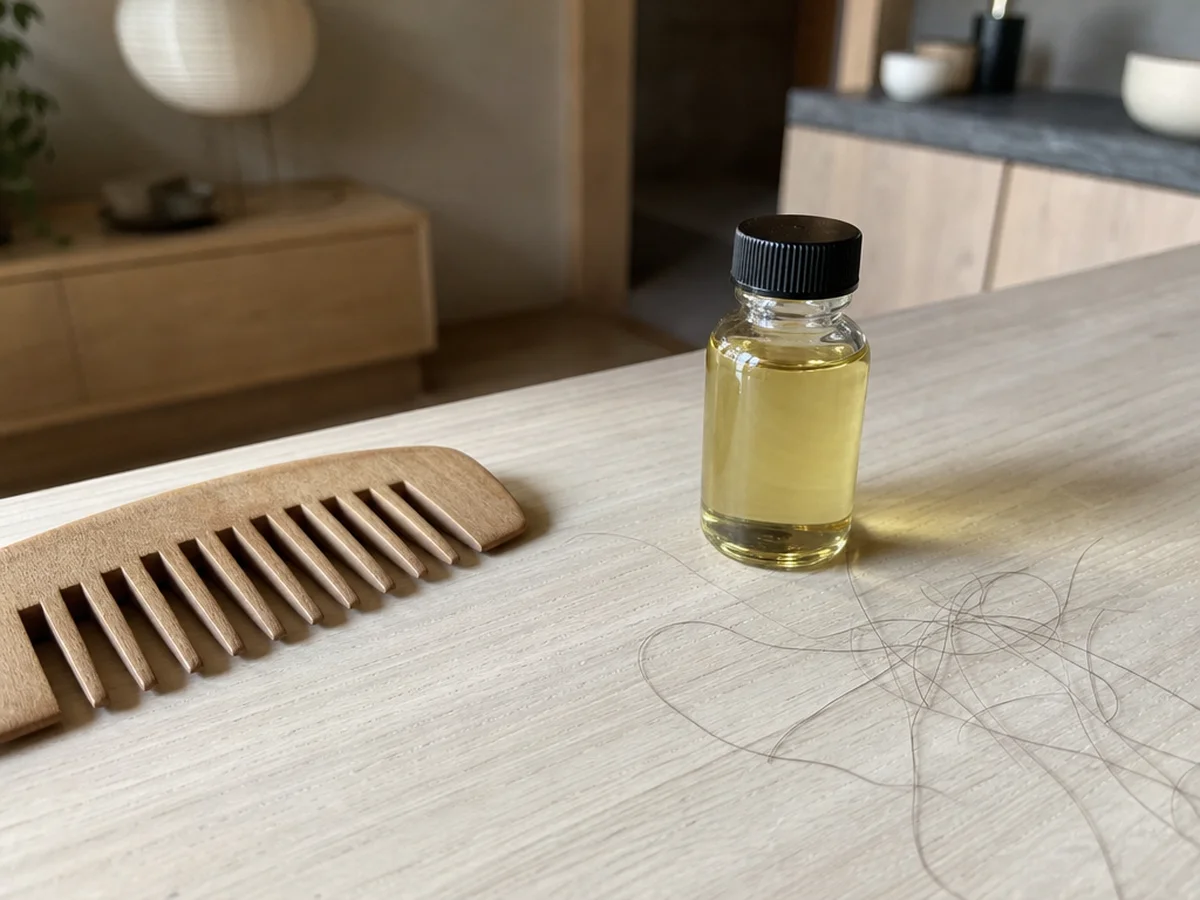
Almond oil has real jobs as a moisturizer and carrier, and our skin guide and the research roundup describe them honestly. Shading you from the sun is not one of them.
If you take one thing from this page, let it be a simple habit: keep sunscreen in the bag and the bottle of oil on the bedside table. Use the first outdoors and the second when the day is done, when you can enjoy its soft glide and gentle almond scent with nothing to protect against.
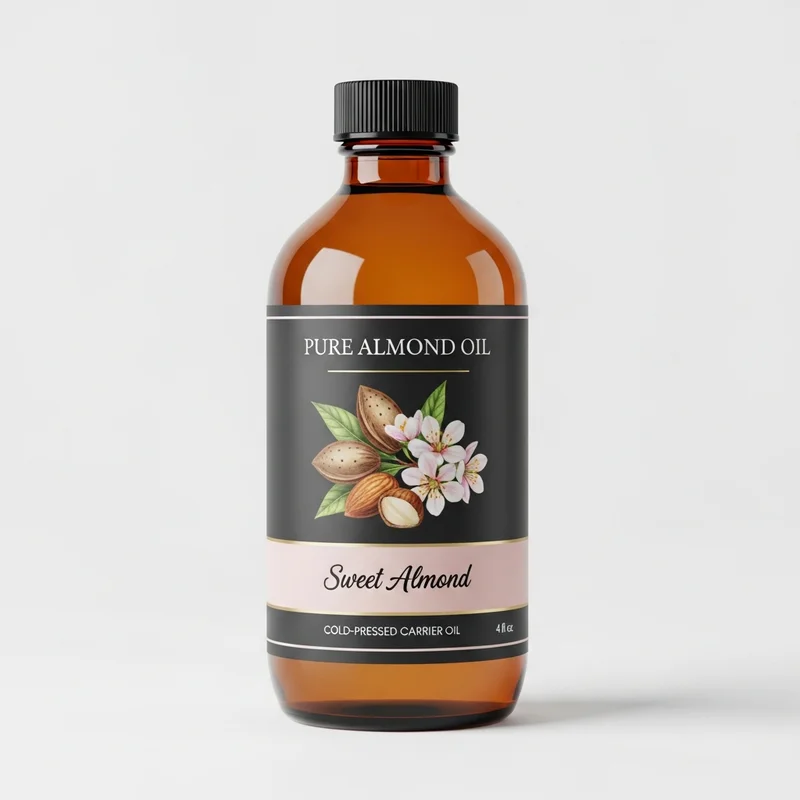
Sweet Almond Oil
Sweet Almond Oil from our own shop, in sizes from 0.5 oz to bulk.
From $9.99
Shop Now →Sources & Further Reading
- Kaur CD, Saraf S. In vitro sun protection factor determination of herbal oils used in cosmetics. Pharmacognosy Research, 2010. pmc.ncbi.nlm.nih.gov/PMC3140123
- FDA. Sunscreen: How to Help Protect Your Skin from the Sun. fda.gov
- American Academy of Dermatology. How to select a sunscreen. aad.org
- American Academy of Dermatology. How to apply sunscreen. aad.org
- NHS. Sunburn. nhs.uk