Almond Oil Instead of Butter: How to Swap in Baking
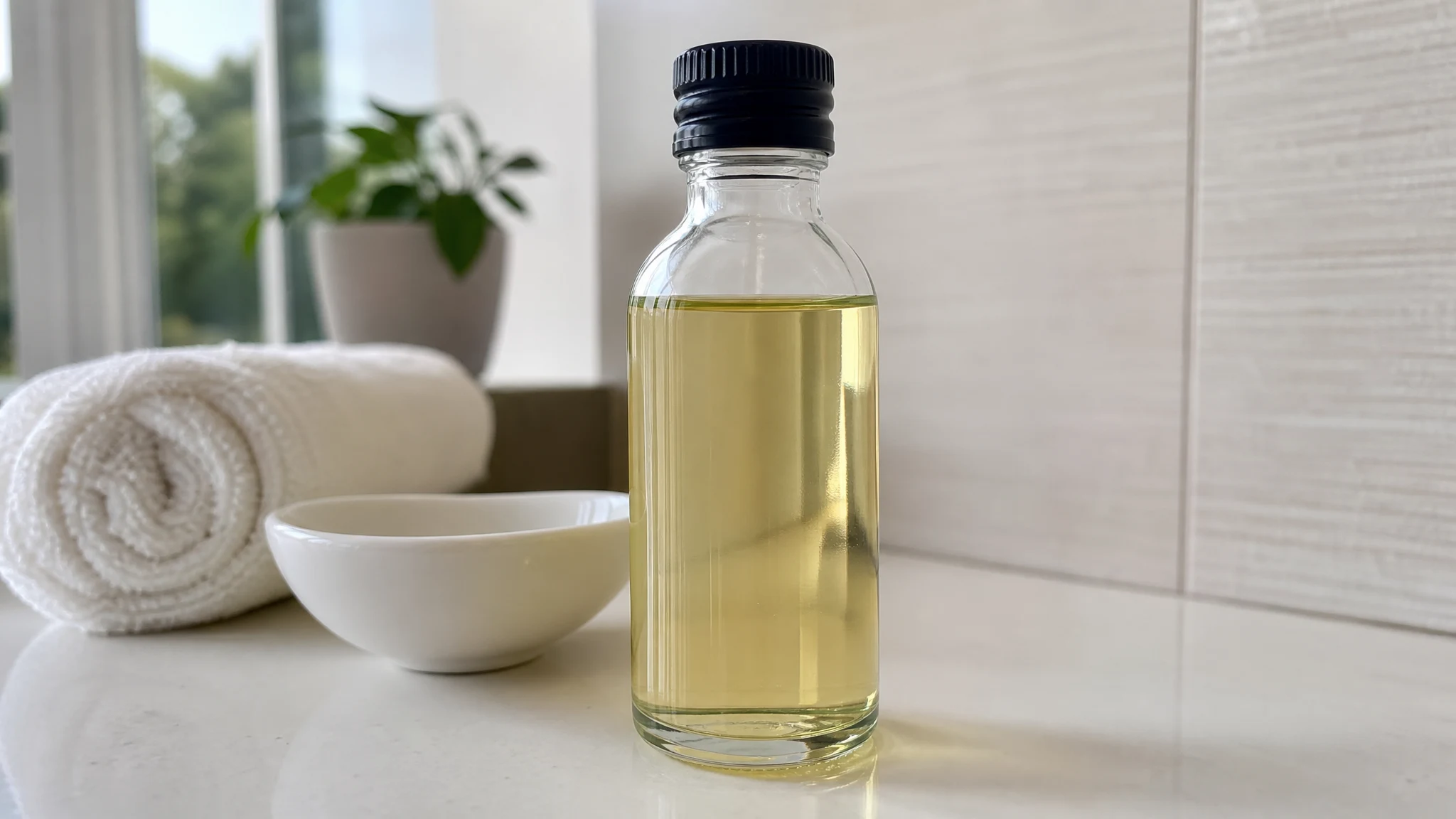
Anyone who has swapped oil for butter cup for cup and ended up with a greasy, flat cake has met the reason this post exists. Butter is mostly fat, but not entirely, and the gap is what makes the swap work or fail. First, a clear note: the oil we sell is cold-pressed, unrefined and for external cosmetic use only, so for baking you want a food-grade almond oil from a food seller.
Where the 80 percent comes from
US law defines butter as a product made from milk or cream containing not less than 80 percent milk fat by weight. The rest is mostly water. Oil, on the other hand, is all fat. So replacing butter weight for weight puts more fat in the bowl than the recipe expected. The tidy approach is to multiply the butter's weight by its fat fraction (80 percent at the legal floor, or whatever the label says) and use that weight of oil.
| Butter called for | Butter weight | Almond oil by weight |
|---|---|---|
| 1 cup | 227 g | about 181 g |
| 1/2 cup | 113 g | about 91 g |
| 1/4 cup | 57 g | about 45 g |
The oil weights are arithmetic at the 80 percent floor. If you prefer measuring by volume, check the density on your own bottle. The batch on our Certificate of Analysis measures 0.918 g per ml, which would put 181 g at roughly 198 ml, but a food-grade oil may differ.
You will often see "three quarters of a cup of oil per cup of butter" in recipes. That works out to somewhat less than the arithmetic, which is fine as a rule of thumb. It also explains why some swapped cakes come out a touch drier than expected.
Think of it as a small kitchen puzzle. Butter brings fat, water and a little milk solids to a recipe, and oil brings only fat. Once you see it that way, the adjustments below stop feeling like arbitrary rules.
What the missing water means
A butter recipe was built with that water in it. Without it the batter can look stiffer, and a spoonful or two of milk or water added gradually brings it back. Add in small steps and judge by the batter.
Texture matters too. Butter is solid at cool room temperature and oil is not, so any method that starts with "cream the butter and sugar" depends on a solid fat that oil cannot imitate. The natural homes for oil are recipes that already begin with melted butter or oil: muffins, quick breads, loaf cakes. Pie crust, laminated doughs and shortbread rely on butter staying solid in pieces, and we would leave those alone. If a recipe already calls for vegetable oil, almond oil can replace it at the same weight, and the difference you notice will be flavor.
Reading the batter
Because oil behaves differently from butter, your eyes and hands matter more than the table. A swapped batter should fall from the spoon in a thick ribbon, not stand up stiffly or run like cream. Add liquid a teaspoon at a time and stop when it looks like the batter you remember from the original recipe. Write the adjustment on the recipe card so next time is easy.
Flavor and browning
Almond oils vary from bottle to bottle depending on how they are made, so taste a small batch before committing to a big one, and read the label for how the oil was processed. Our refined versus unrefined guide explains what those words mean.
Oven temperatures sit well below any smoke point you will find for almond oil, so smoke is rarely the issue. Browning is worth watching, though. The FDA notes that more acrylamide accumulates with longer or hotter cooking, and that very brown areas contain the most. Its tips are about potatoes and toast, so applying them to a muffin is our inference, but pulling bakes at golden rather than dark brown costs nothing. Our cooking post explains why a smoke point number is a weak guide on its own.
Choosing recipes that suit almond oil
A nut oil is at its best where you can taste it. Think of a simple lemon loaf, a tea cake or a banana bread: recipes gentle enough for a nutty note to come through. Bold chocolate or heavy spice will mostly hide it. Open a bottle of food-grade almond oil and let your nose guide how much you want it to lead.
Baking for someone with a nut allergy
US food law counts almonds as a major allergen and exempts highly refined oils. An allergist writing for the AAAAI says refined oils generally lack protein while unrefined, cold-pressed ones keep it. If anyone at your table has a tree nut allergy, their allergist decides, not a recipe. Our nut allergy guide has more.
Two small habits make swaps more reliable. Weigh your ingredients if you own a kitchen scale, since a cup of butter and a cup of oil are different weights. And bake one small loaf or a half batch before a big occasion, so any surprise happens on an ordinary afternoon and not at the party.
The recipe in a sentence: multiply the butter by its fat fraction, keep a little liquid in reserve, choose bakes that start with melted fat, and buy the oil as a food. For the cold side of the kitchen, our vinaigrette post is next.
A swap like this is a small experiment, and the best bakes usually come from the second try. Keep notes, taste as you go, and enjoy the batches that teach you something.

Sweet Almond Oil
Sweet Almond Oil from our own shop, in sizes from 0.5 oz to bulk.
From $9.99
Shop Now →