Cooking With Almond Oil: What Smoke Points Do Not Tell You
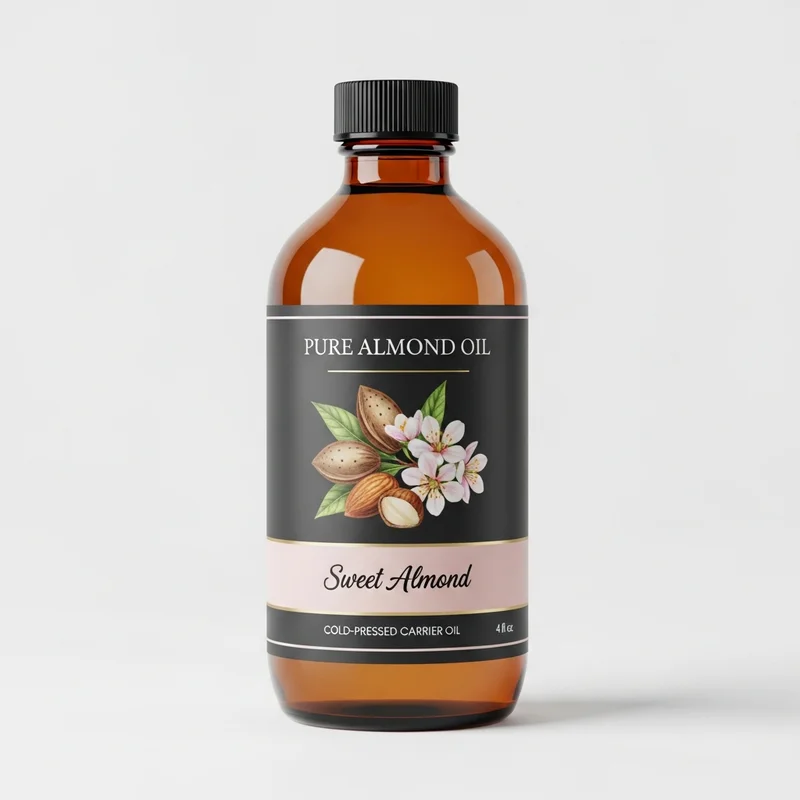
Smoke point charts make cooking oil choices look simple. They are not. Here is what matters more, and why our cosmetic almond oil never belongs in food.

Can You Use Almond Oil on Leather? Conservators Say
Museum conservators spent decades learning what oil does to old leather. Here is what it means for your boots and bags, and why we suggest a light hand.
What Is in Sweet Almond Oil? Fatty Acids and Vitamin E
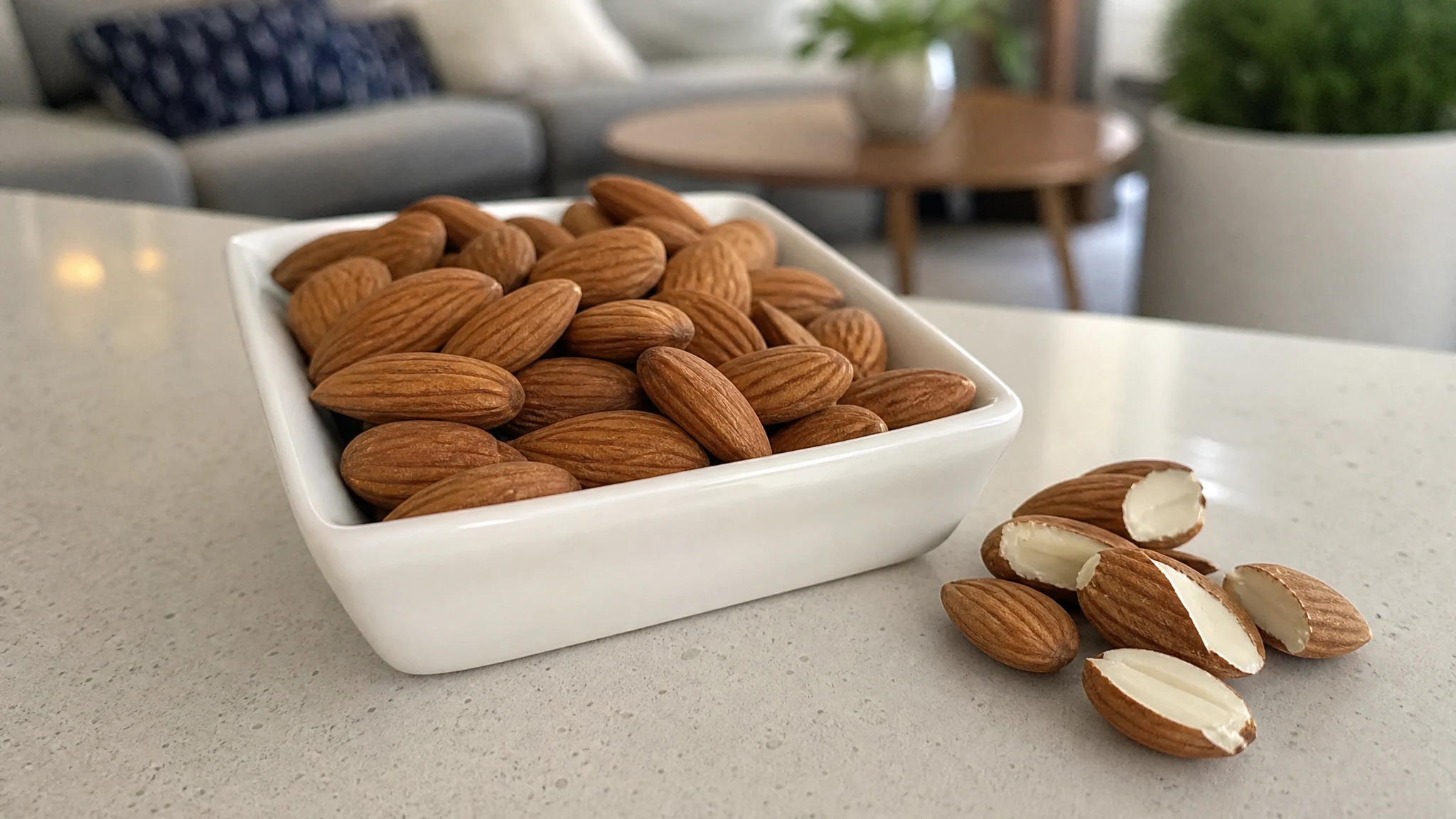
Mostly oleic acid, a little linoleic and a trace of natural vitamin E: a plain-English look at what makes sweet almond oil feel so smooth on skin.
Sweet vs Bitter Almond Oil: How to Tell Them Apart
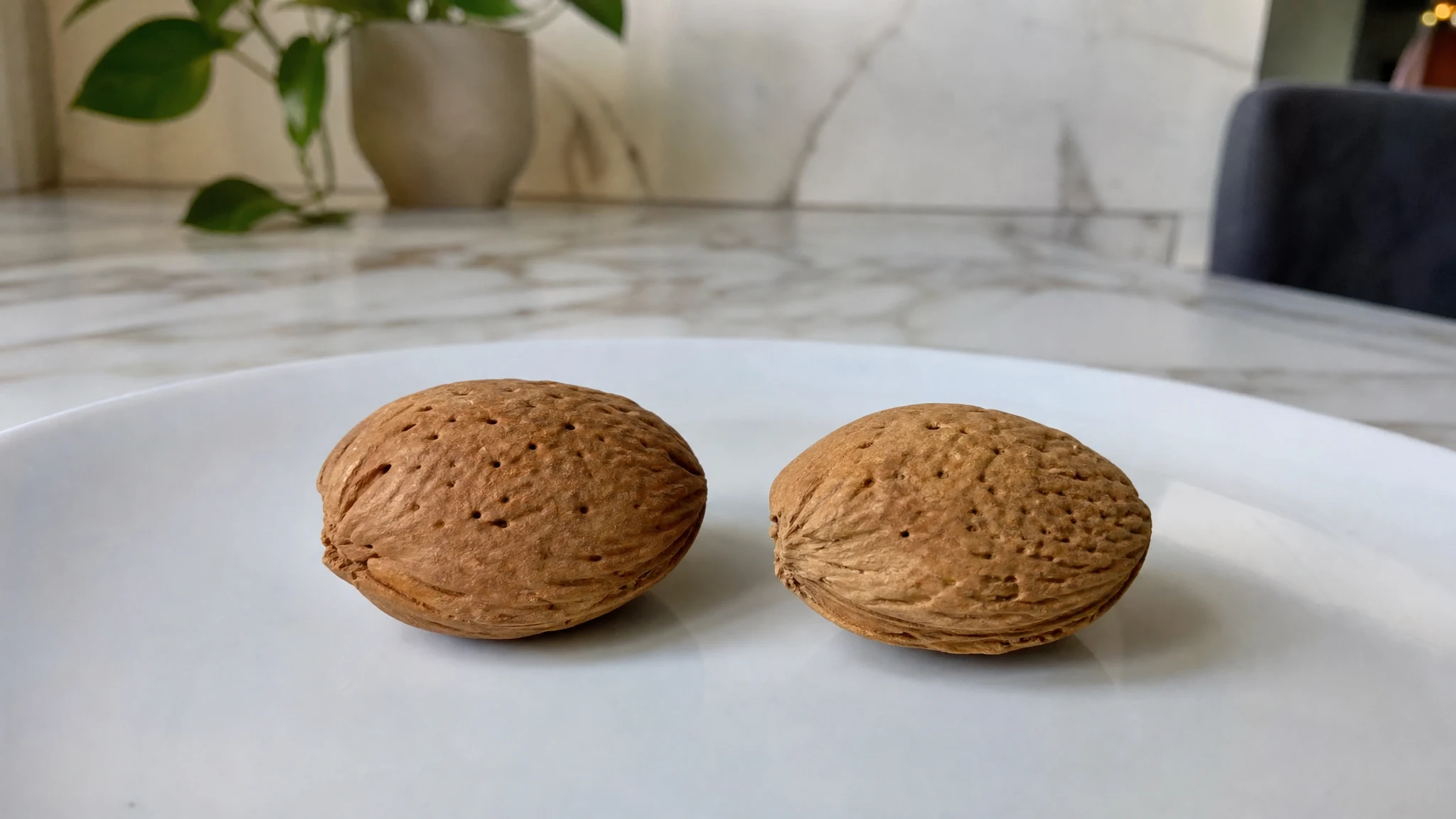
Sweet almond oil is a gentle carrier oil; bitter almond oil is a different material. Learn how to read a label and what the regulators say about each.
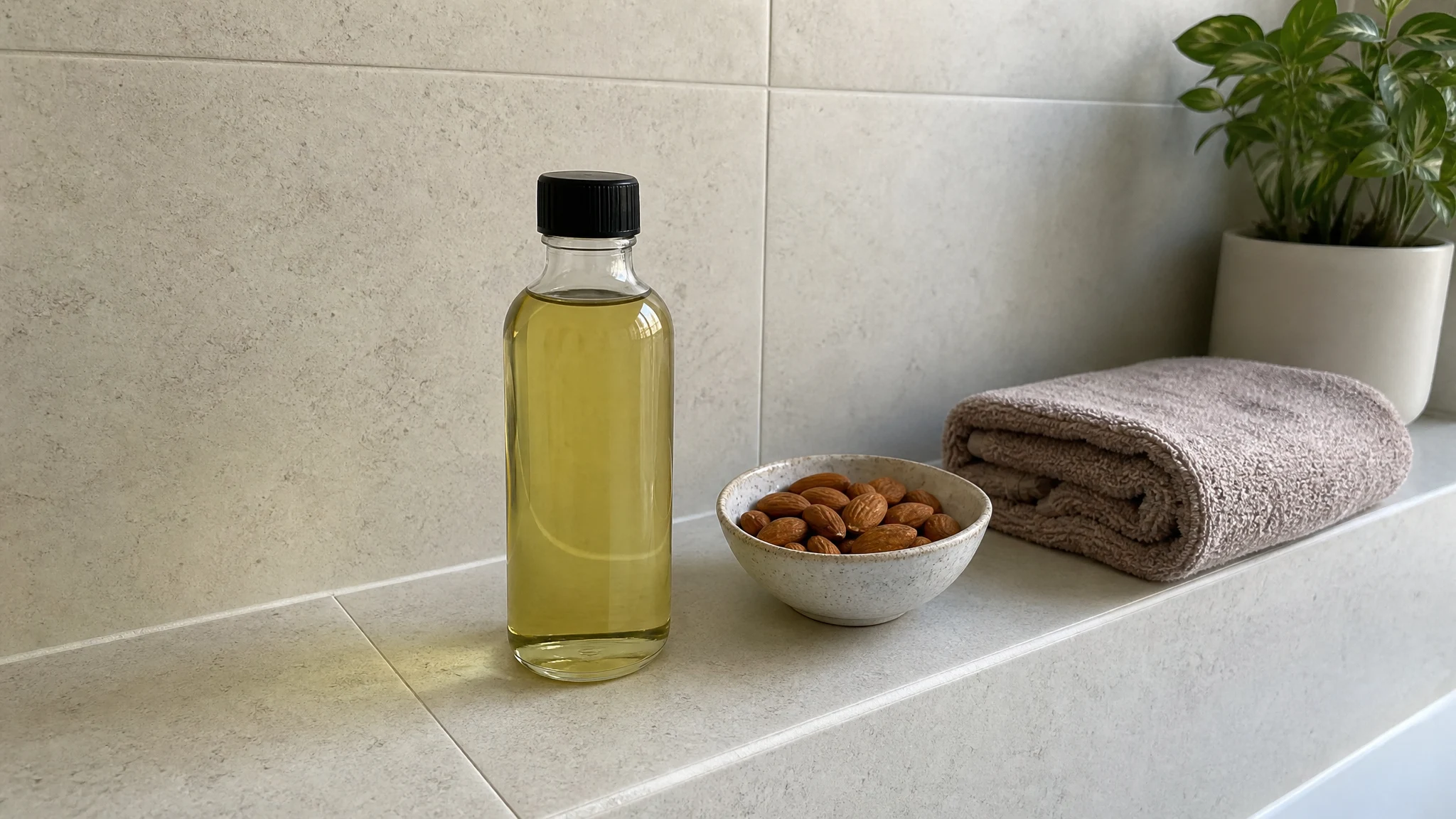
Sweet Almond Oil: What It Is and Who Should Skip It
A soft, quick-absorbing cosmetic oil with one firm rule: skip it with a tree nut allergy. What it is, what it does well, and how to choose a bottle.
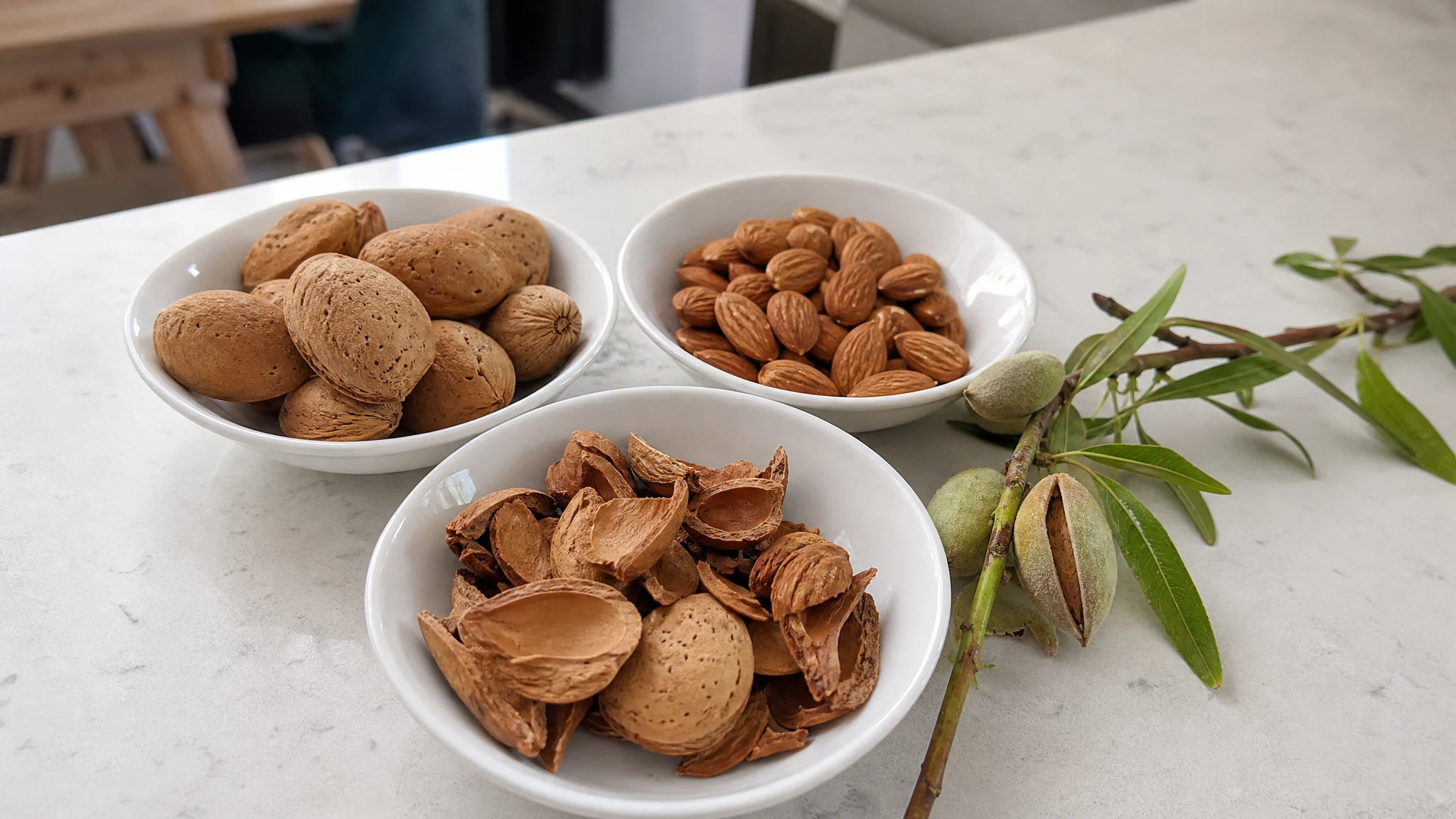
Almond Oil and Skin: What the Research Shows
The research on almond oil is small but consistent: a mild, well-liked emollient with a sound cosmetic safety record. Here is what the studies show.
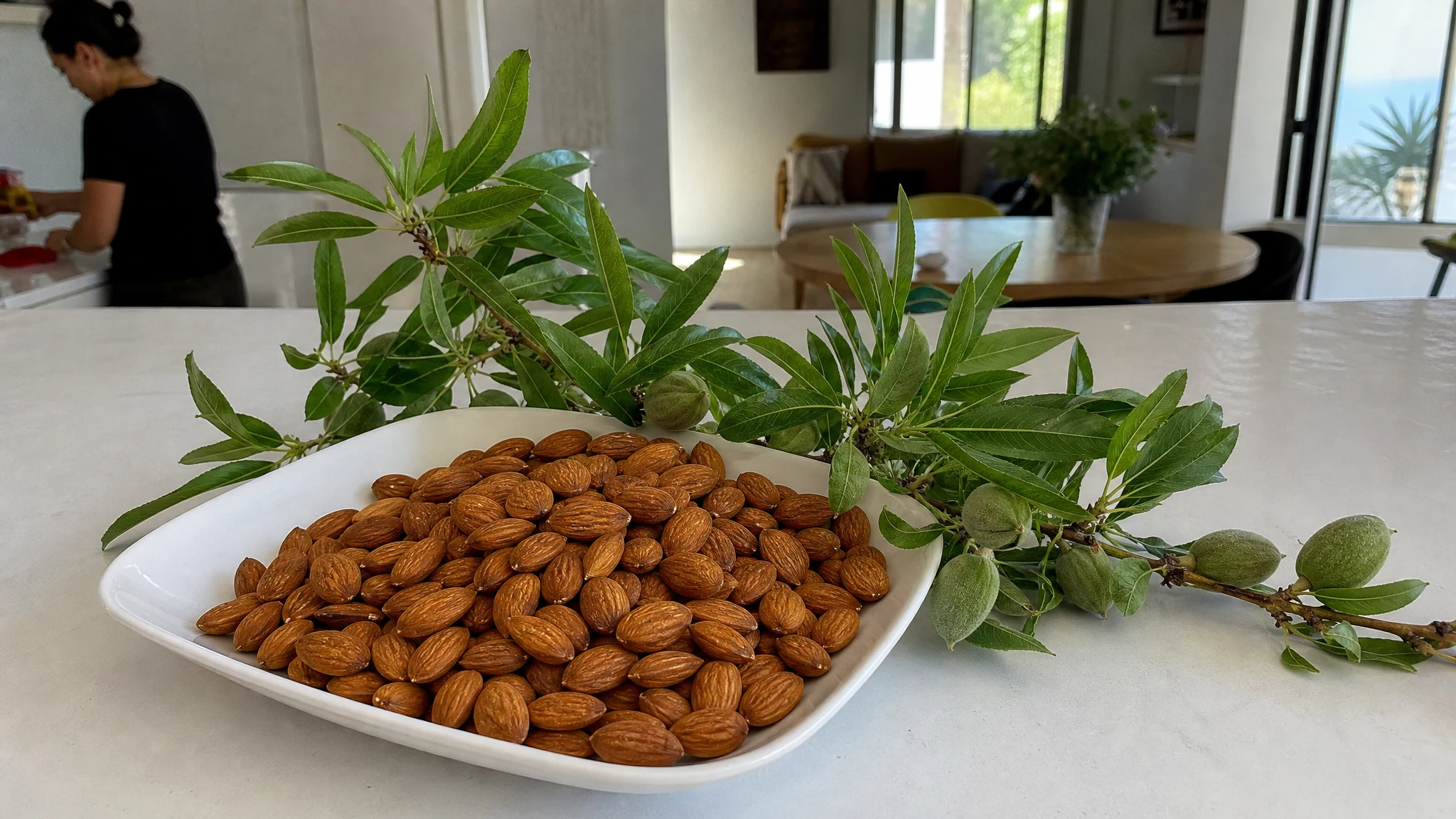
Organic Almond Oil: What the Label Really Means
Organic is a legal term, a farming standard and a marketing word. Learn what it covers on almond oil, what it leaves out, and what to ask any seller.
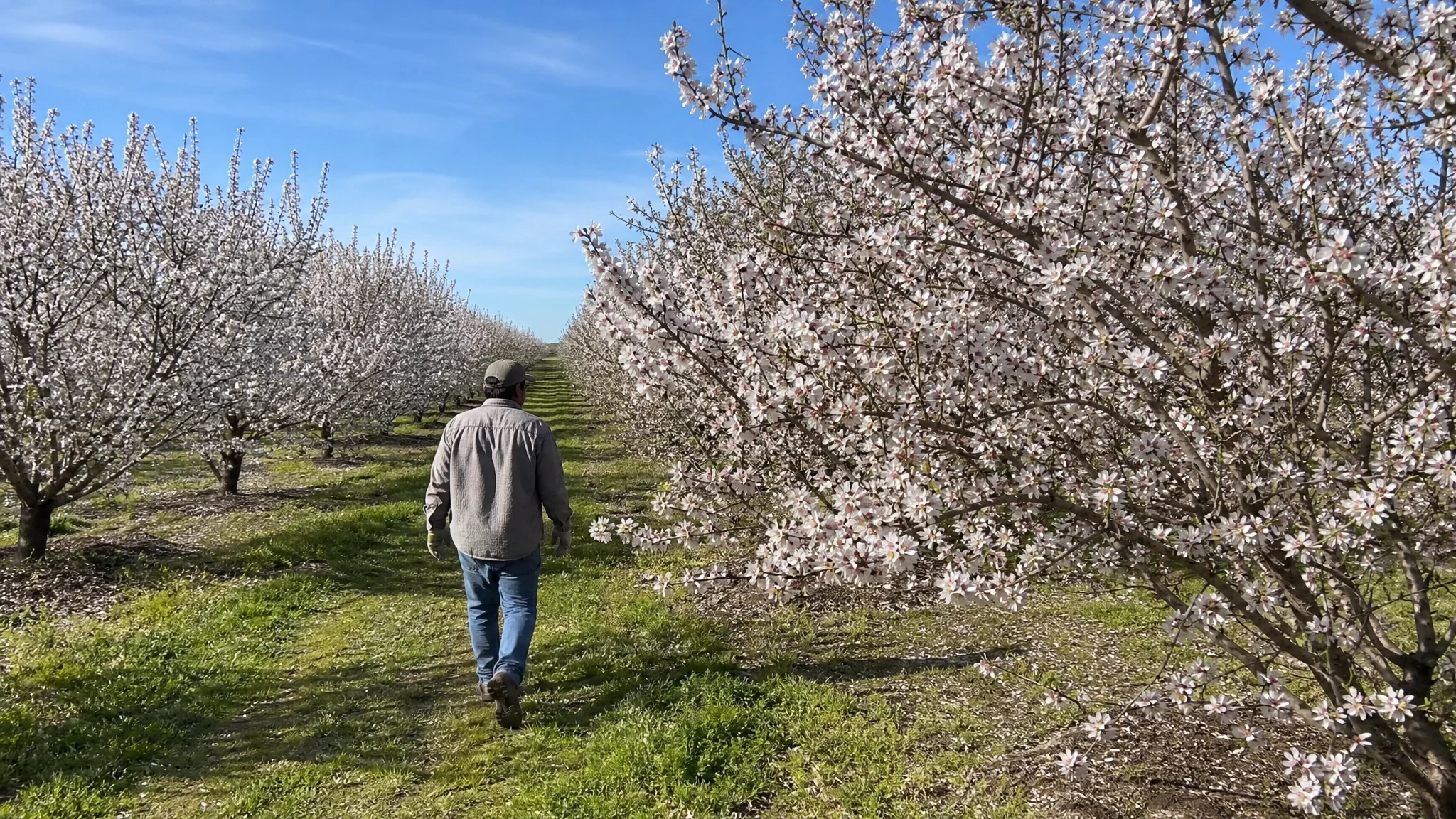
How Almond Oil Is Made: From Kernel to Bottle
Kernels are pressed, not processed. See what cold-pressed means, why we skip refining, and how pressing dates and lot numbers let you check a bottle.
Almond Oil for Stretch Marks: What the Studies Found
Rubbing oil on a growing belly is a ritual many love. Here is what two almond oil trials, Cochrane and dermatologists say about itching, massage and marks.

Almond Oil for Nails and Cuticles: Nightly Routine
Protect hands from water by day, then use a few drops of almond oil and a cotton glove at night: a simple routine for nails and cuticles.

Almond Oil for Dark Circles? Start With the Cause
Under-eye darkness is really several things in disguise. Here is a mirror check, what dermatologists look at, and why our oil stays clear of the eyes.

Almond Oil as a Body Oil: A Head-to-Toe Guide
Almond oil makes a pleasant after-bath body oil for many people. Here is where it fits head to toe, where to skip it, and how much to buy.