Almond Oil as a Body Oil: A Head-to-Toe Guide
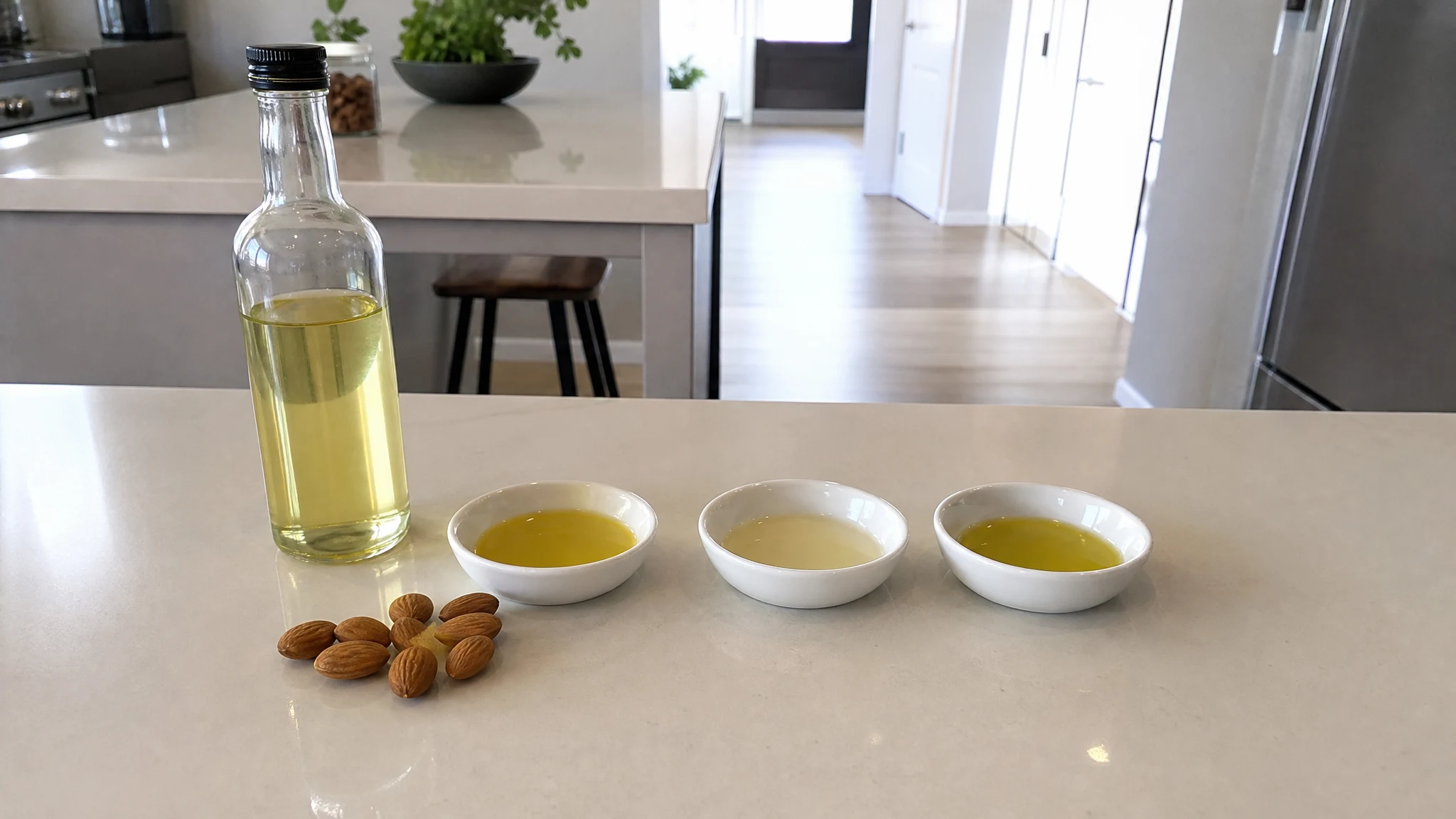
Few things feel as simple as a few drops of oil smoothed over damp skin after a bath. Sweet almond oil is a good candidate for that ritual: light, with a soft, lightly sweet aroma and a finish that does not feel heavy. It is a body oil, though, not a whole body-care system, so here is a walk from shoulders to soles on where it fits.
Before anything else: allergy and a patch test
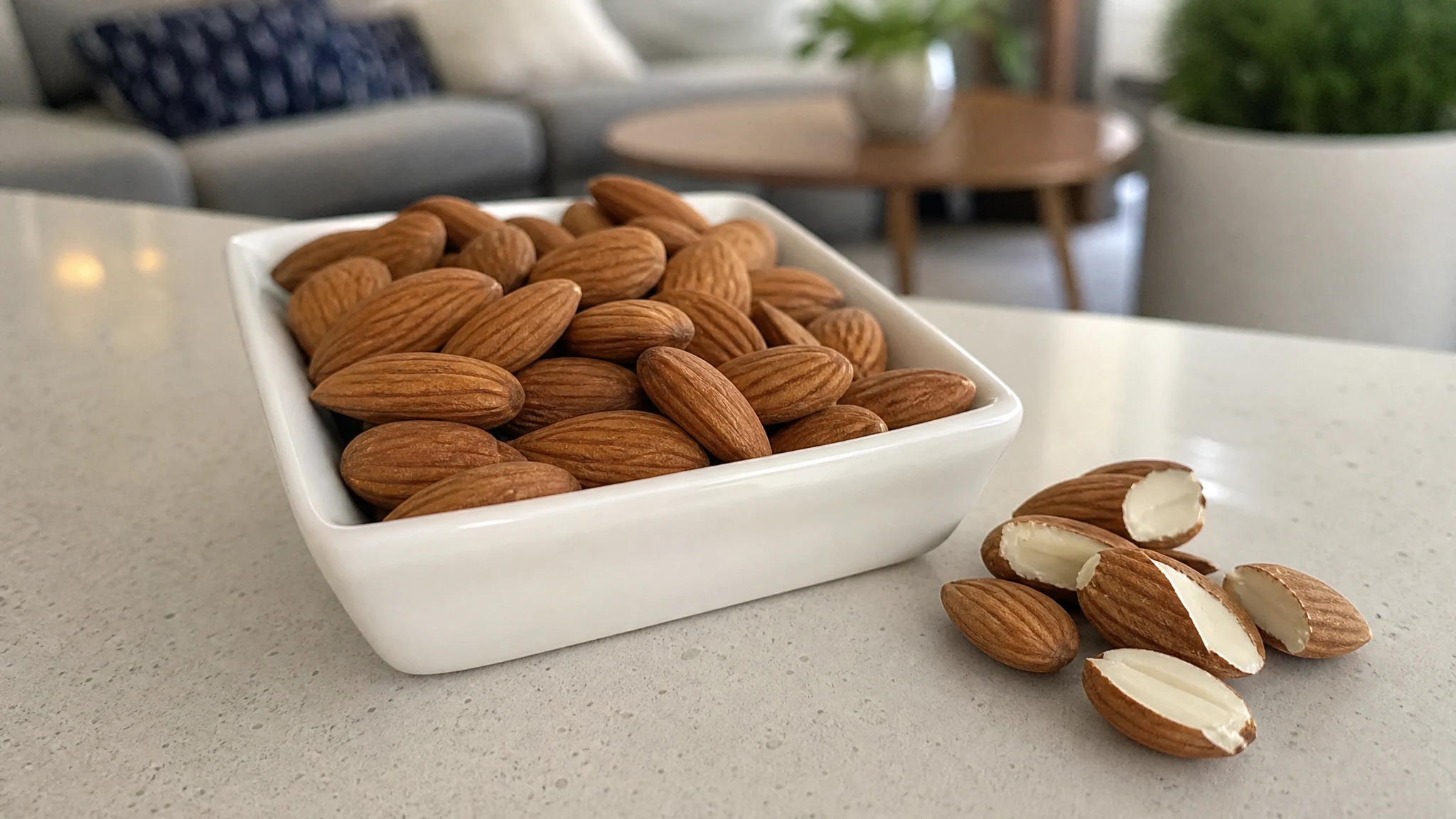
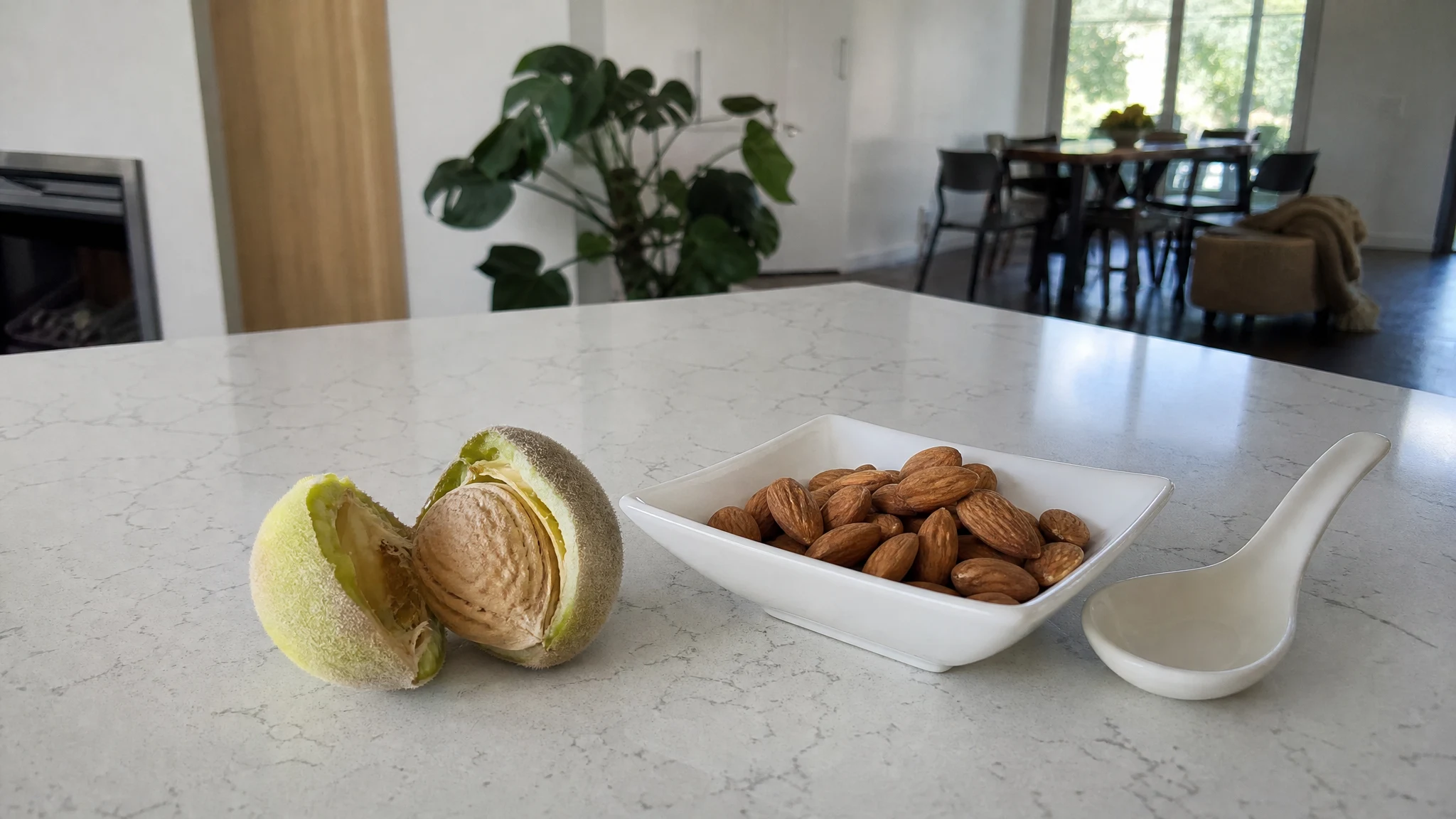
Almond is a tree nut. Our oil is cold-pressed and unrefined, so trace almond protein is present, and anyone with a tree nut allergy should not use it. Food Allergy Research & Education notes that tree nut oils such as almond, which often are not highly refined, are sometimes used in lotions, hair care products and soaps (Tree Nut - FoodAllergy.org). The FDA states that its food allergen labeling law does not cover cosmetics (Food Allergies), so a cosmetic label may not warn you.
For everyone else, we suggest a patch test on a small area and a wait of a day; the steps are in our patch test post. Reassuringly, the Cosmetic Ingredient Review panel assessed 244 plant-derived fatty acid oils and concluded they are safe as used in cosmetics, with a focus on dermal effects (Safety Assessment of Plant-Derived Fatty Acid Oils). That describes typical cosmetic use, not a promise for any one person.
Walking down the body
Arms, legs and torso
This is almond oil's sweet spot. The American Academy of Dermatology advises moisturizing while skin is still damp and after washing hands (Dermatologists' top tips for relieving dry skin). Pat dry after your shower, leave a little dampness, and smooth on a small amount of oil. A little goes a long way.
Hands and feet
Both work, with one sensible caution: slippery palms and soles. Use a small amount on hands so you can still grip a jar, and on feet put socks on or wipe the soles before stepping onto a bathroom floor. That is simple common sense rather than a studied figure.
Face
Facial skin is its own question, and our almond oil for the face post covers it. Keep the oil away from your eyes.
Areas to skip or ask about
We do not offer our oil for lips, genitals, or the inside of the mouth or nose. If you are pregnant, your obstetrician or midwife is the right person to ask about any product on your belly; see our stretch marks post for what the dermatology sources say. Broken, weeping or inflamed skin, or a diagnosed skin condition, belongs with a dermatologist before anything goes on it.
A few small pleasures
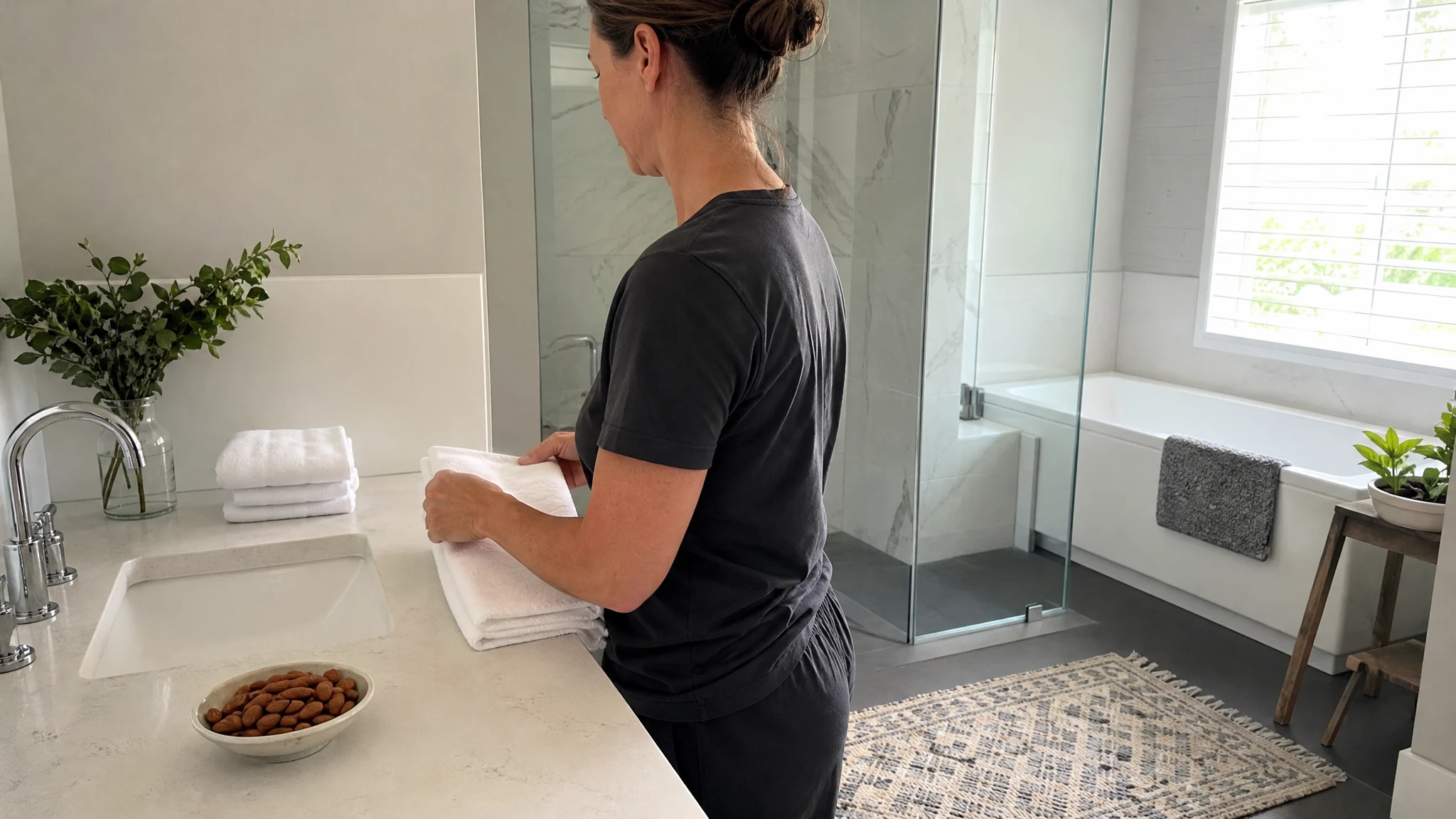
Warm the bottle in your hands for a minute before you pour and the oil flows more easily. Keep a small bottle near the bath or shower so the habit is within reach, and set aside a dark towel for afterward, since oil can leave marks on pale fabric. Slip into a robe instead of a tight shirt and give the oil a few minutes to settle.
What an oil is not
Oil is not a replacement for a sun product; almond oil carries no sun protection rating, and the AAD points readers to a broad-spectrum product rated 30 or higher (How to select a sunscreen). Our myth post goes into that. And for very dry skin, the same AAD dry skin page says ointments and creams add more moisture than lotions, and its list of helpful ingredients includes petrolatum, glycerin, shea butter, lanolin and dimethicone. A plain oil is not on that list. Persistent dryness can also point to conditions that a board-certified dermatologist should see. Our dry skin guide shows where an oil fits.
One more label tip from the AAD: choose products labeled fragrance-free, because "unscented" products can contain masking chemicals. Our oil has a soft nutty aroma from the almond and nothing is added. If you add essential oils, you are adding fragrance, so follow proper dilution advice.
How much to buy
A little arithmetic helps size a bottle. The one batch on our published certificate measured a relative density of 0.918, so a teaspoon (about 4.93 ml) weighs roughly 4.5 g and a 1 oz bottle (29.57 ml) about 27 g. If you used a teaspoon every day, a year would add up to roughly 1,800 ml, or about 61 oz. We say our oil keeps about a year from pressing when stored cool and dark, and the pressing date is on the bottle, so choose a size you will finish within that time. If the oil ever smells different from the soft nutty aroma it had when new, retire that bottle. Wash towels and sheets regularly too, since oil can linger in fabric and go stale.
If you need numbers like peroxide value or a fatty acid profile, ask us in writing through the contact page for the lot's paperwork. For other uses, see almond oil for massage.
Start small: a few drops on the shins and forearms is enough to learn how the oil feels and how much your skin likes. You can work up to more areas once you know your own sweet spot.
For a plain, pleasant oil after the bath, almond oil is a lovely little ritual. Think of it as a body oil, and you will be happy with it.
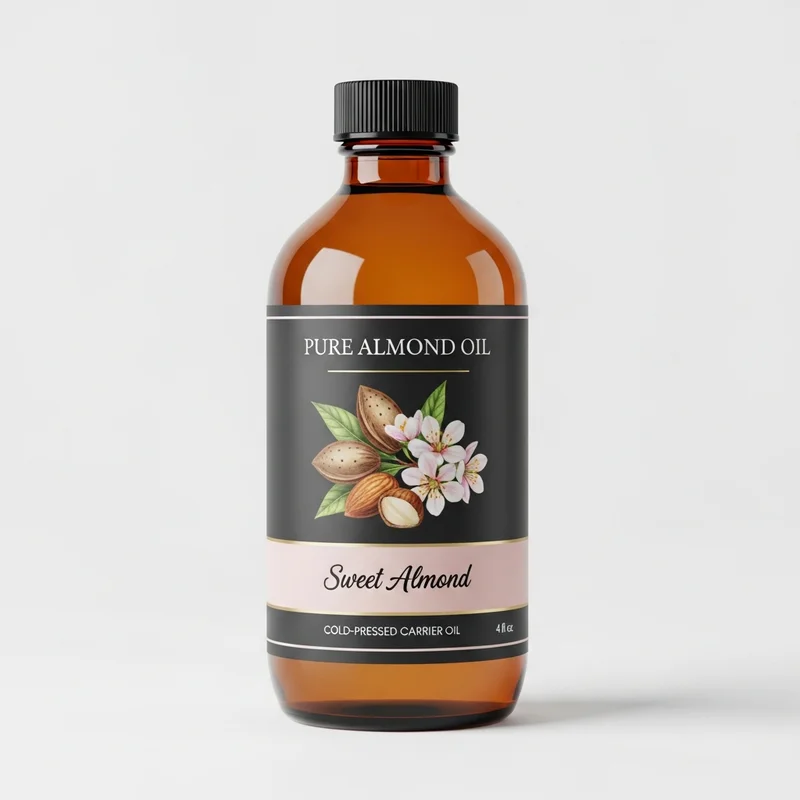
Sweet Almond Oil
Sweet Almond Oil from our own shop, in sizes from 0.5 oz to bulk.
From $9.99
Shop Now →Sources & Further Reading
- Food Allergy Research & Education. Tree Nut - FoodAllergy.org.
- U.S. Food and Drug Administration. Food Allergies.
- Burnett CL et al., 2017. Safety Assessment of Plant-Derived Fatty Acid Oils. Int J Toxicol.
- American Academy of Dermatology. Dermatologists' top tips for relieving dry skin.
- American Academy of Dermatology. How to select a sunscreen.