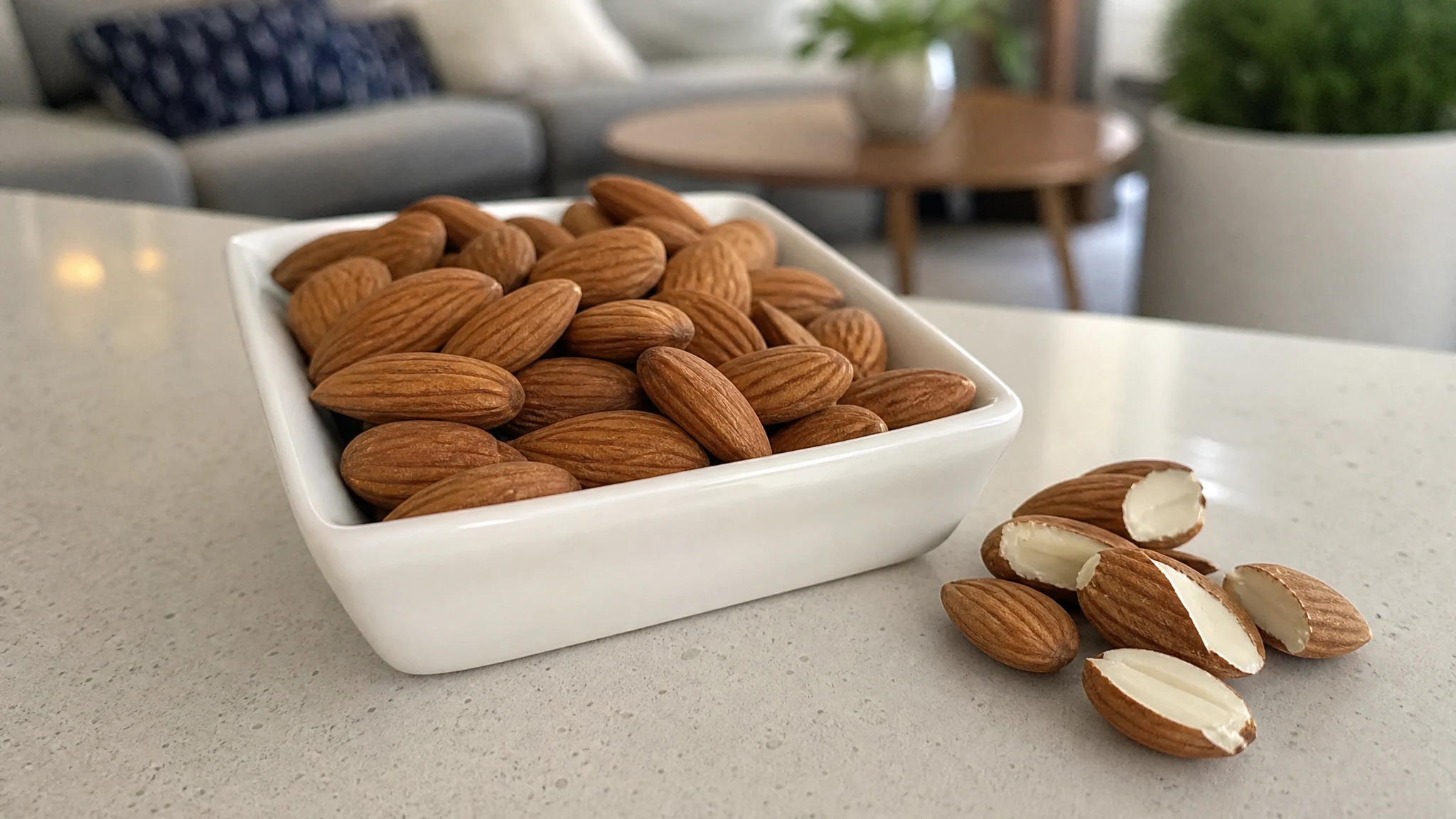
What Is in Sweet Almond Oil? Fatty Acids and Vitamin E
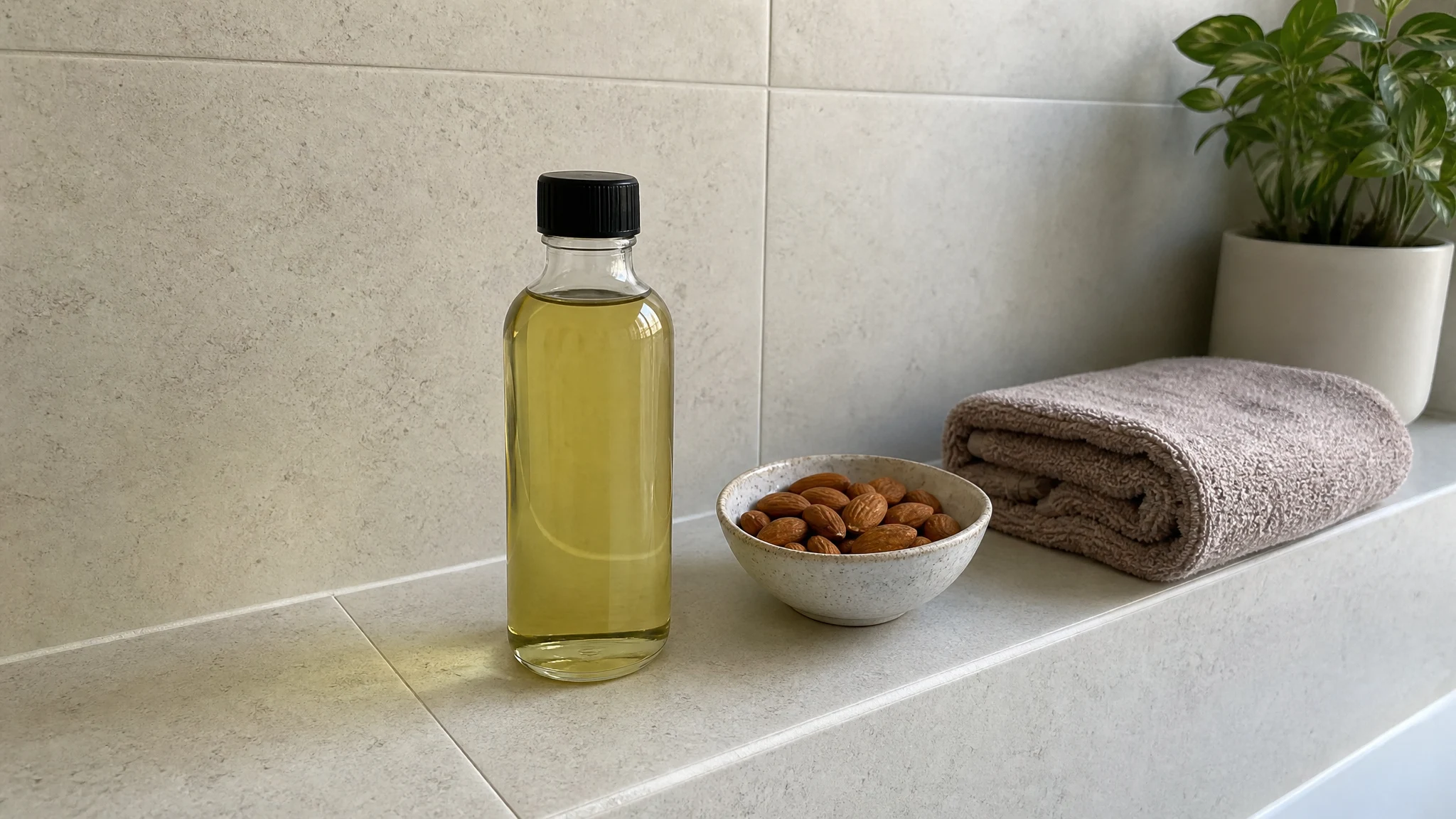
Pour a little sweet almond oil into your palm and it looks like nothing much: a faintly golden liquid that smells softly of almonds. Chemically, though, it is a tidy story, and it explains why this oil has been a favorite for massage and skin care for so long.
Mostly one fatty acid
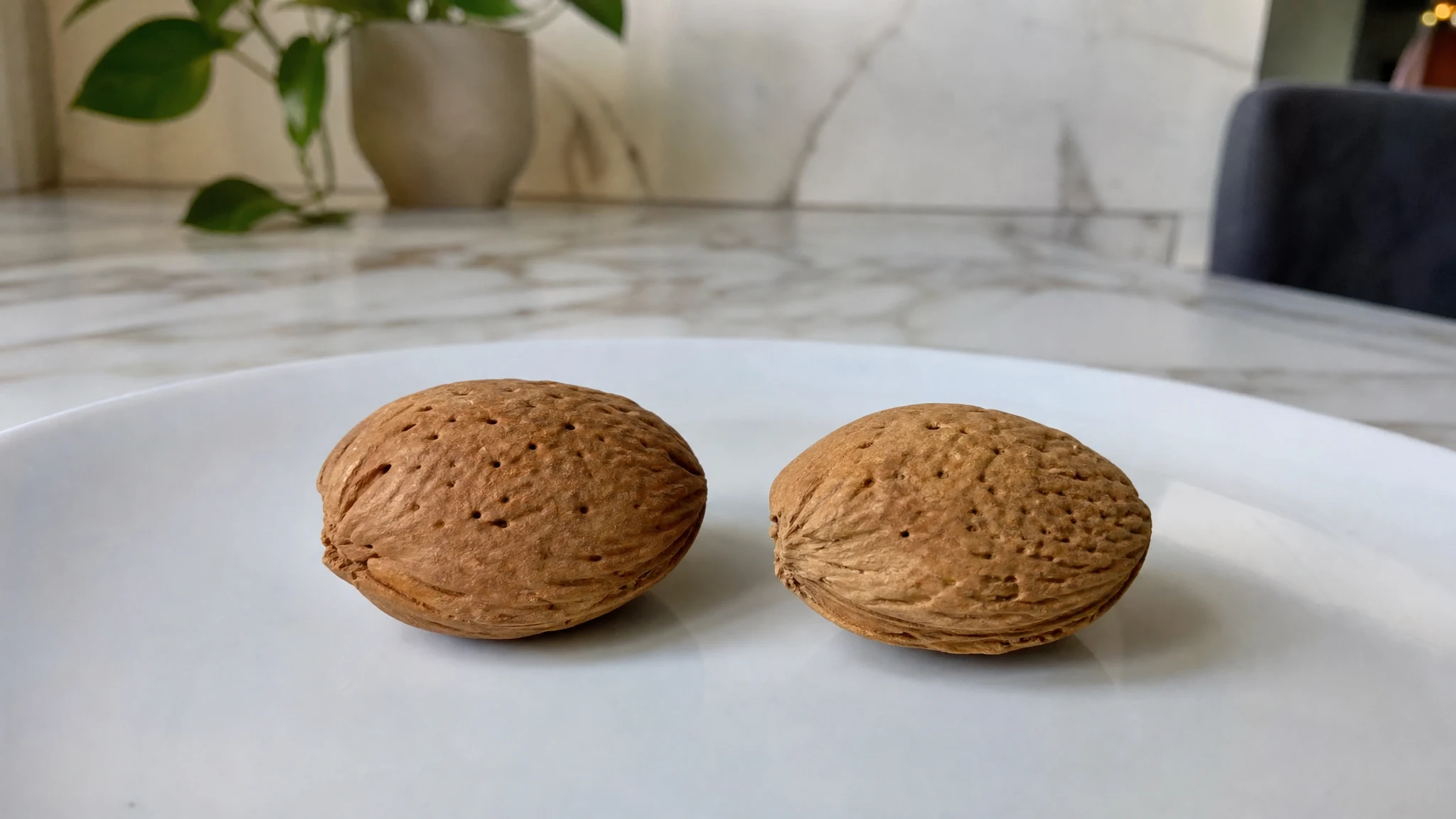
Almond oil is, by weight, almost entirely fat, and most of that fat is oleic acid, the same monounsaturated fatty acid that olive oil is known for. In a study of 31 almond genotypes, oleic acid ranged from about 62% to 76% of the oil, with linoleic acid, a more fluid polyunsaturated fat, making up roughly 14% to 30% and palmitic acid a small remainder (Effect of almond genotypes on fatty acid composition, tocopherols and mineral contents and bioactive properties of sweet almond kernel and oils).
What does that mean in your hands? Oleic-rich oils are smooth and gliding, which is the quality massage people look for, and they feel richer than very light oils. A higher share of linoleic acid tends to make an oil feel thinner. Because almonds vary by cultivar and by year, the exact balance moves around a little from one batch to the next, which is why we like to describe our oil by how it feels and behaves. It absorbs readily, leaves a soft finish, and carries essential oils without masking them.
Look, smell, touch
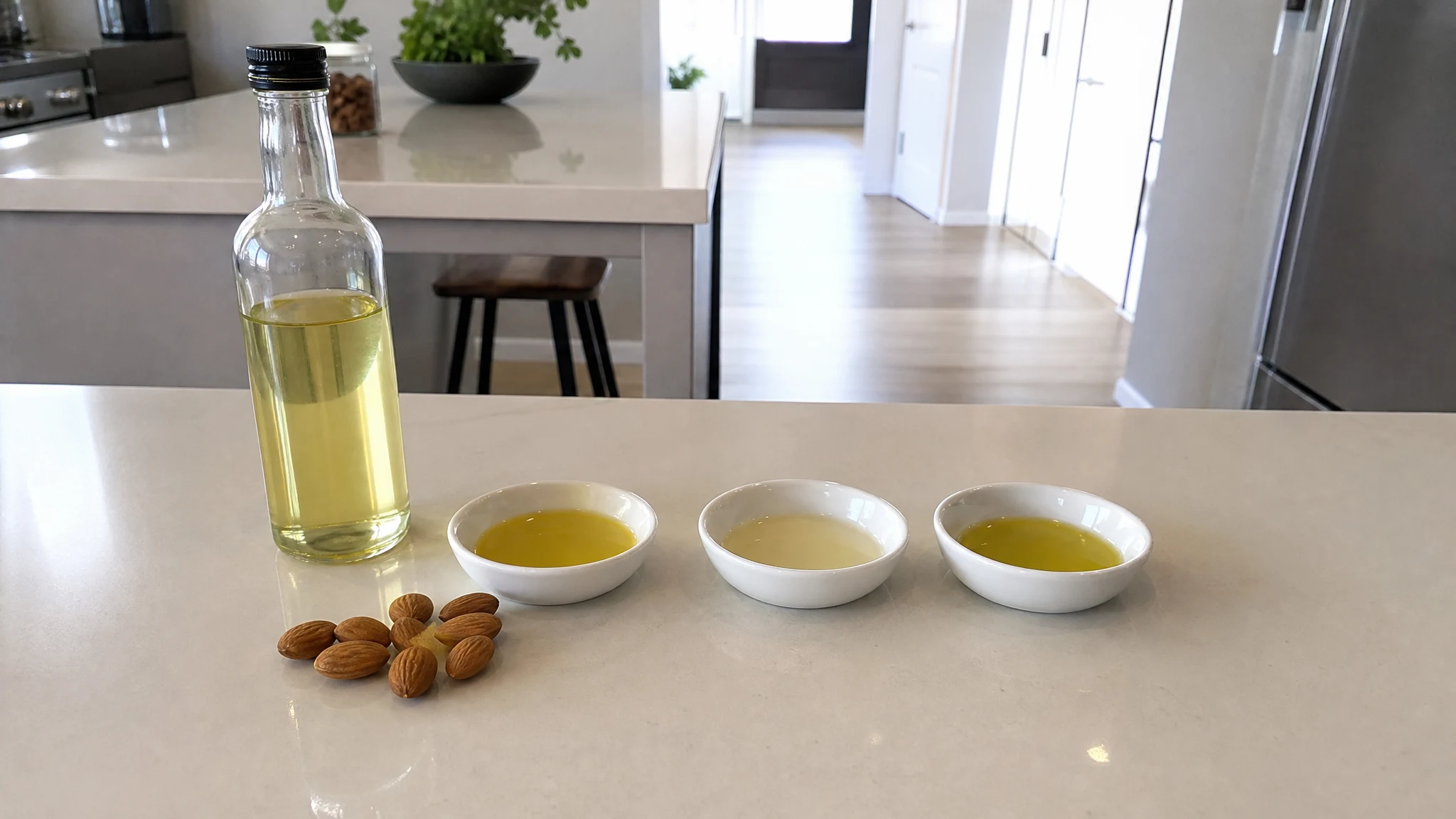
You can learn a lot about almond oil without a laboratory. Hold the bottle to a window: the color should be a light, clear gold. Put a drop on your fingertip and rub it with your thumb; it should glide, not drag, and leave a soft film that is not sticky. Then smell it: the aroma is mild and sweetly nutty. These are simple sensory checks, not tests, and a sharp or paint-like smell is a good reason to retire a bottle.
The vitamin E question
Almond oil is often called a vitamin E oil, and that is fair: the main tocopherol in it is alpha-tocopherol, the form most people mean by vitamin E. How much is another matter. A study of cold-pressed almond oils measured alpha-tocopherol at about 14 to 17 mg per 100 g (Characterization of physico-chemical and bioactive properties of oils of some important almond cultivars by cold press and soxhlet extraction), while the 31-genotype study above, using solvent extraction, found 44 to 76 mg per 100 g. That is a five-fold spread, all from almond oil.
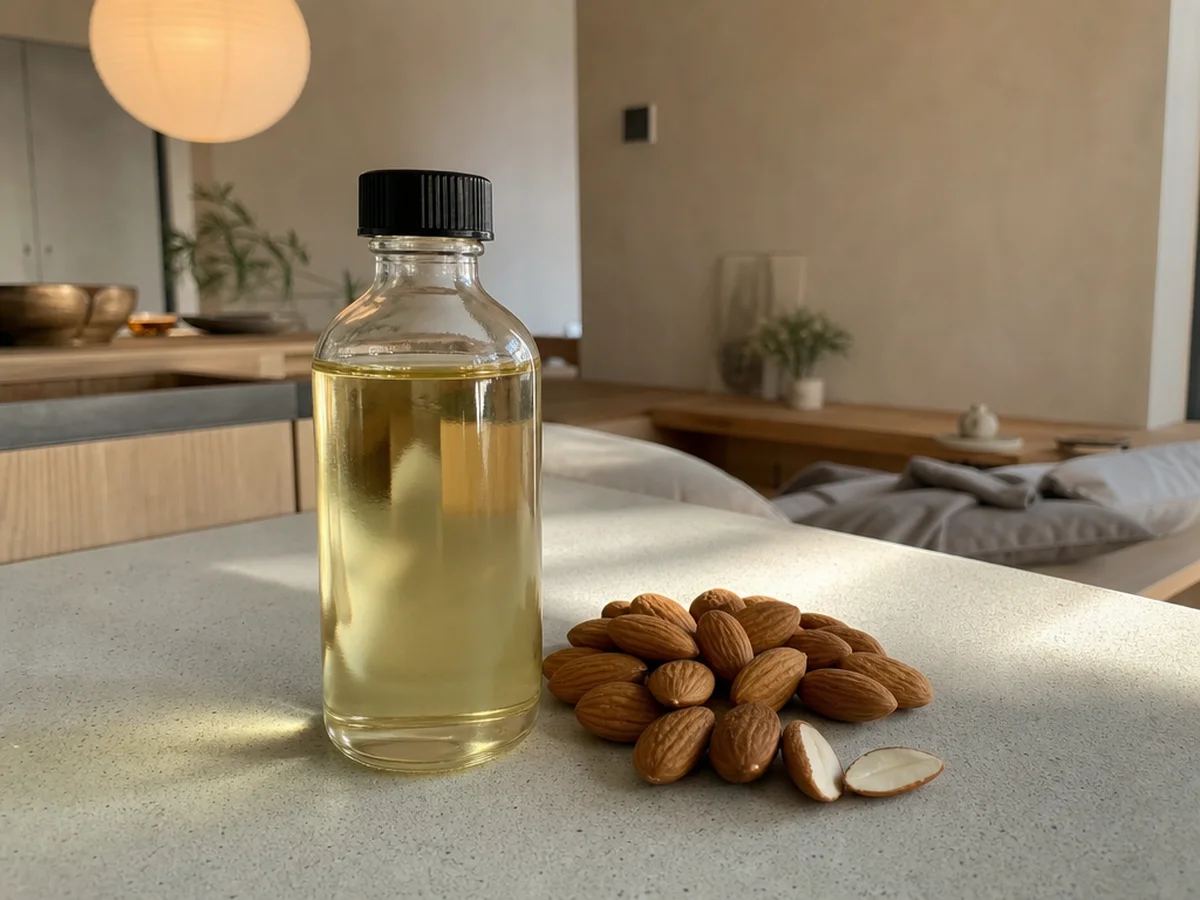
The lesson is a pleasant one rather than a worrying one: almond oil carries natural tocopherols, the amount depends on the nut and the method, and nobody should hand you a single confident number without a lot number behind it. We add nothing to our oil, not even vitamin E, so whatever tocopherol it has comes from the almonds themselves.
When a page lists exact numbers for a natural oil, it is worth asking where they came from. An oil is a crop product, and no two harvests are identical.
Why the mineral claims don't belong
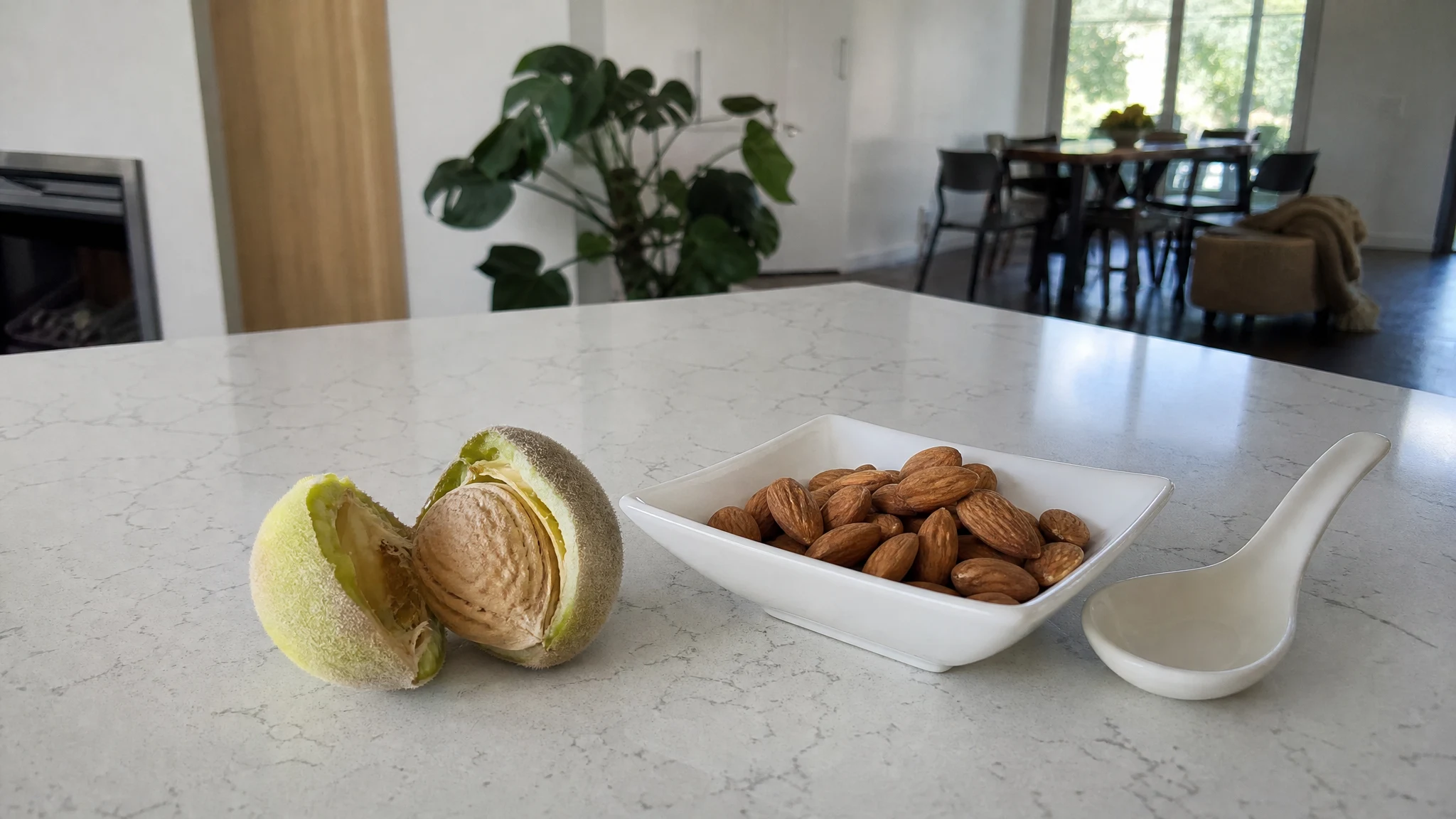
You will see pages crediting almond oil with calcium, magnesium and iron. Those figures describe the kernel. In the genotype study, minerals were measured on powdered kernels, and the oils were analyzed for fatty acids and tocopherols only. Pressing separates the oil from the solid kernel, so it is reasonable to think most of the mineral-rich material stays in the meal. We would rather describe almond oil as what it is, a fat with a little vitamin E, than borrow the almond's numbers.
We like that this makes shopping less about chasing a magic number and more about using your senses and asking for paperwork. Our bottles are amber glass, because keeping light off the oil helps it stay pleasant for longer, and a cool cupboard does the rest.
What this adds up to for skin
For a cosmetic oil the practical picture is simple. The fat does the work: it softens, it glides, it leaves skin feeling smooth and helps keep skin feeling moisturized. If you want to see how that plays out against other oils, our lipid profile article goes deeper, and our vitamin E article covers the tocopherol side.
It also tells you what to look for when you buy. Cold-pressed, unrefined almond oil keeps the character of the nut, including its faint golden color and gentle aroma. Ours is pressed cold and sold unrefined, with nothing added. One more practical note: because it is unrefined and made from a tree nut, we do not recommend it to anyone with a tree nut allergy. It is a cosmetic oil for external use, and if you want almond oil for the kitchen, a food seller is the right place to shop.
A good habit for any oil is to write the date you opened the bottle on the label with a marker. It takes five seconds and saves you from wondering how old it is.
Next time you hold a bottle up to the light, you are looking at oleic acid, a little linoleic acid and a trace of vitamin E, and that quiet simplicity is a big part of the charm.
Questions about a specific lot are welcome through our contact page, and the storage guide explains how to keep a bottle at its best.

Sweet Almond Oil
Sweet Almond Oil from our own shop, in sizes from 0.5 oz to bulk.
From $9.99
Shop Now →Sources & Further Reading
- Effect of almond genotypes on fatty acid composition, tocopherols and mineral contents and bioactive properties of sweet almond (Prunus amygdalus Batsch spp. dulce) kernel and oils, J Food Sci Technol, 2020
- Characterization of physico-chemical and bioactive properties of oils of some important almond cultivars by cold press and soxhlet extraction, J Food Sci Technol, 2020