Is Almond Oil Safe for Dogs? What to Ask Your Vet
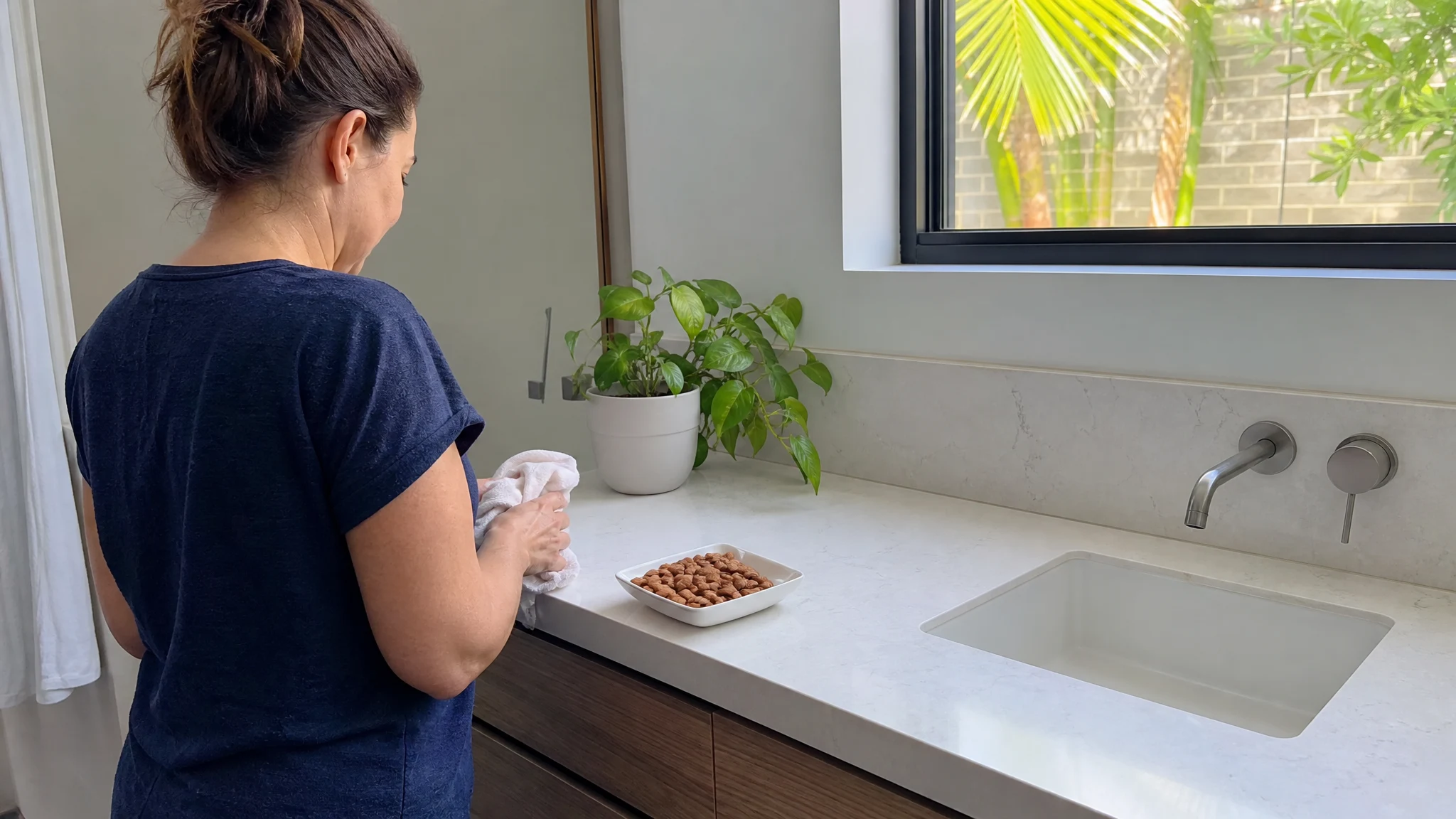
It is easy to picture: a dog with a flaky patch on one flank, a bottle of almond oil on the bathroom counter, and a thought that something so gentle must be fine. We make a cosmetic almond oil for people’s skin, and nothing we sell is formulated or dosed for animals, so we would rather walk through what is actually documented than guess. The short version is that sweet almonds are not considered toxic to pets, that nobody has studied sweet almond oil on dog skin, and that a veterinarian is the right first call for any skin problem.
Sweet versus bitter, and why the bottle matters
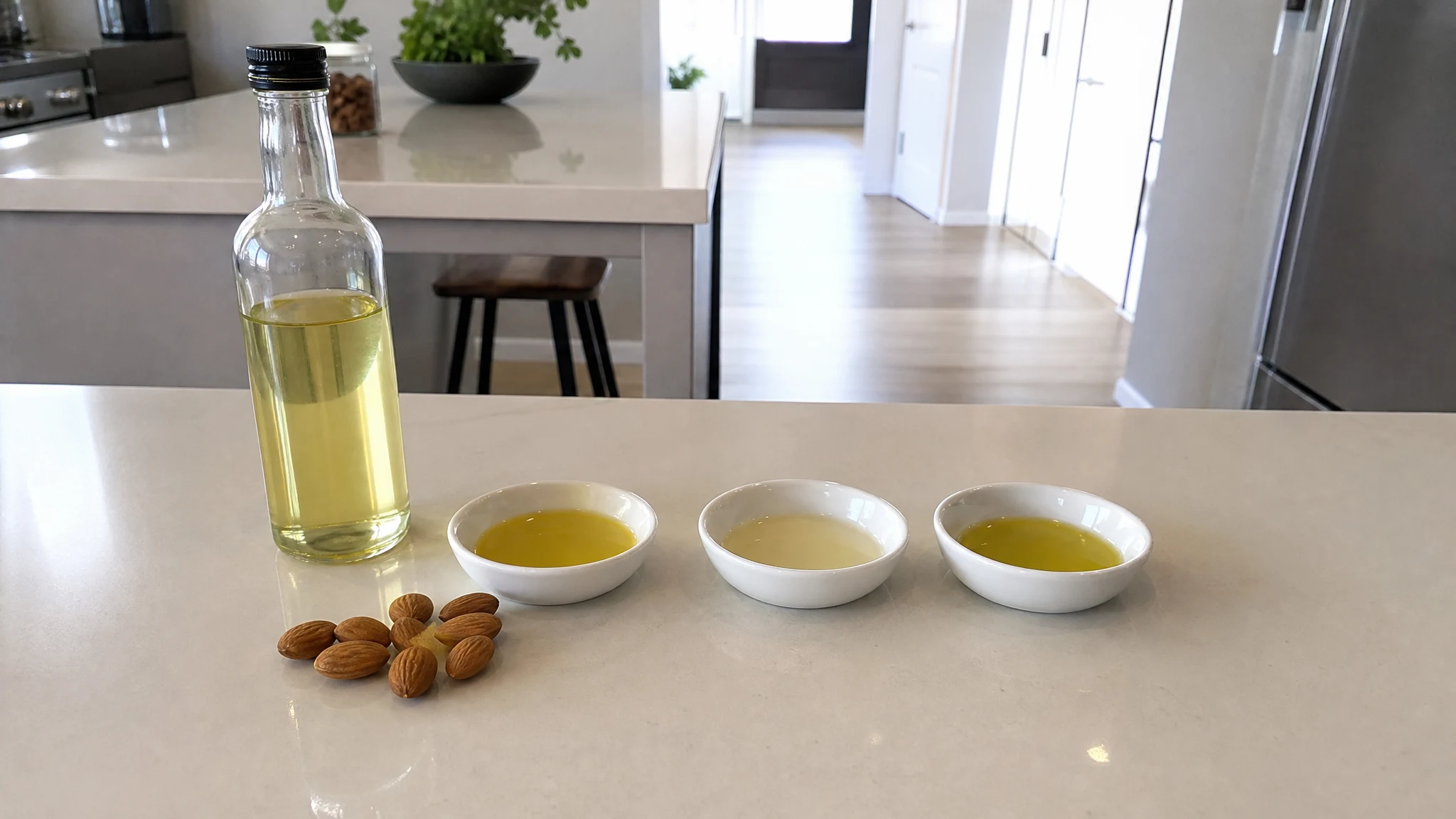
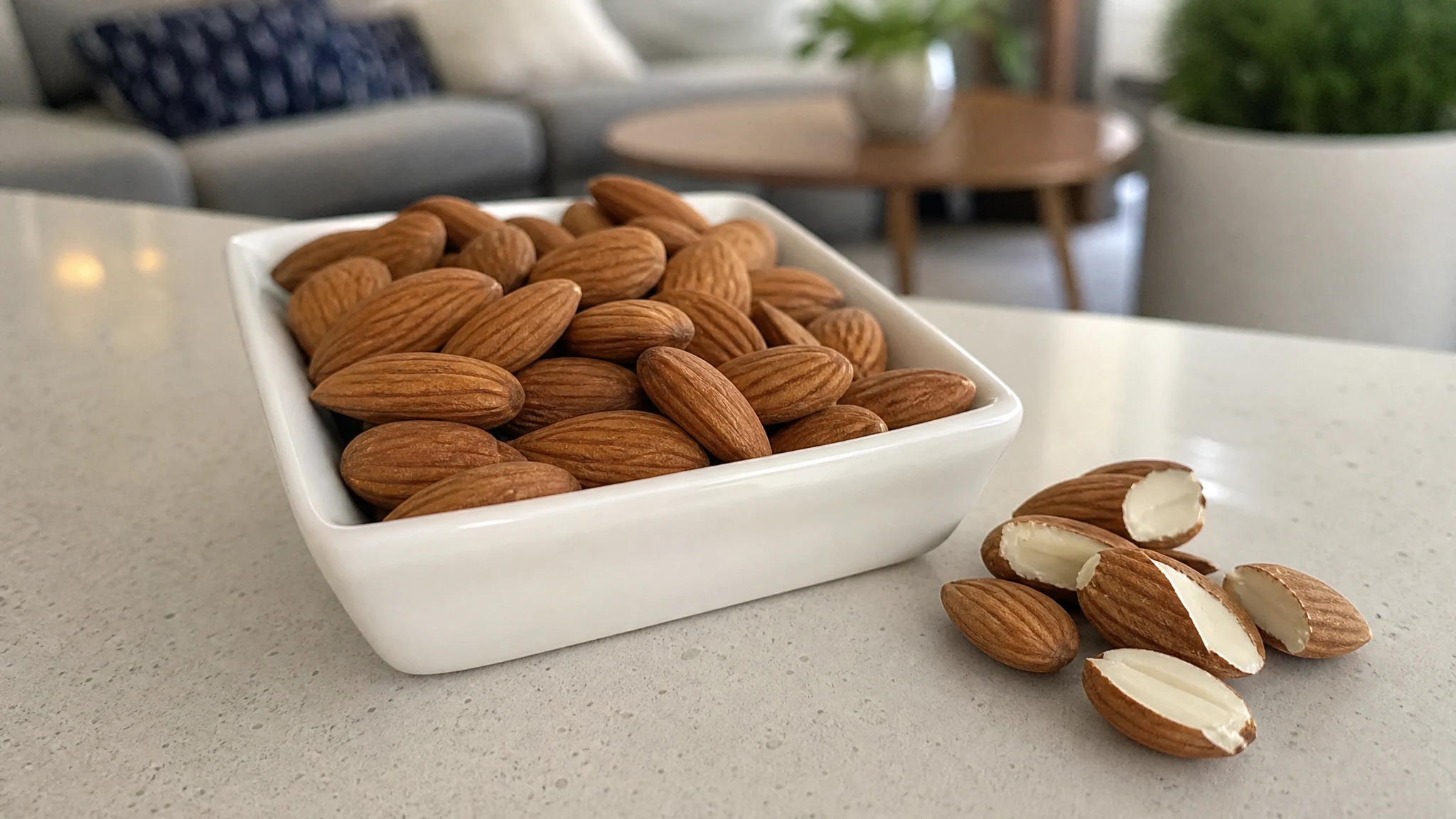
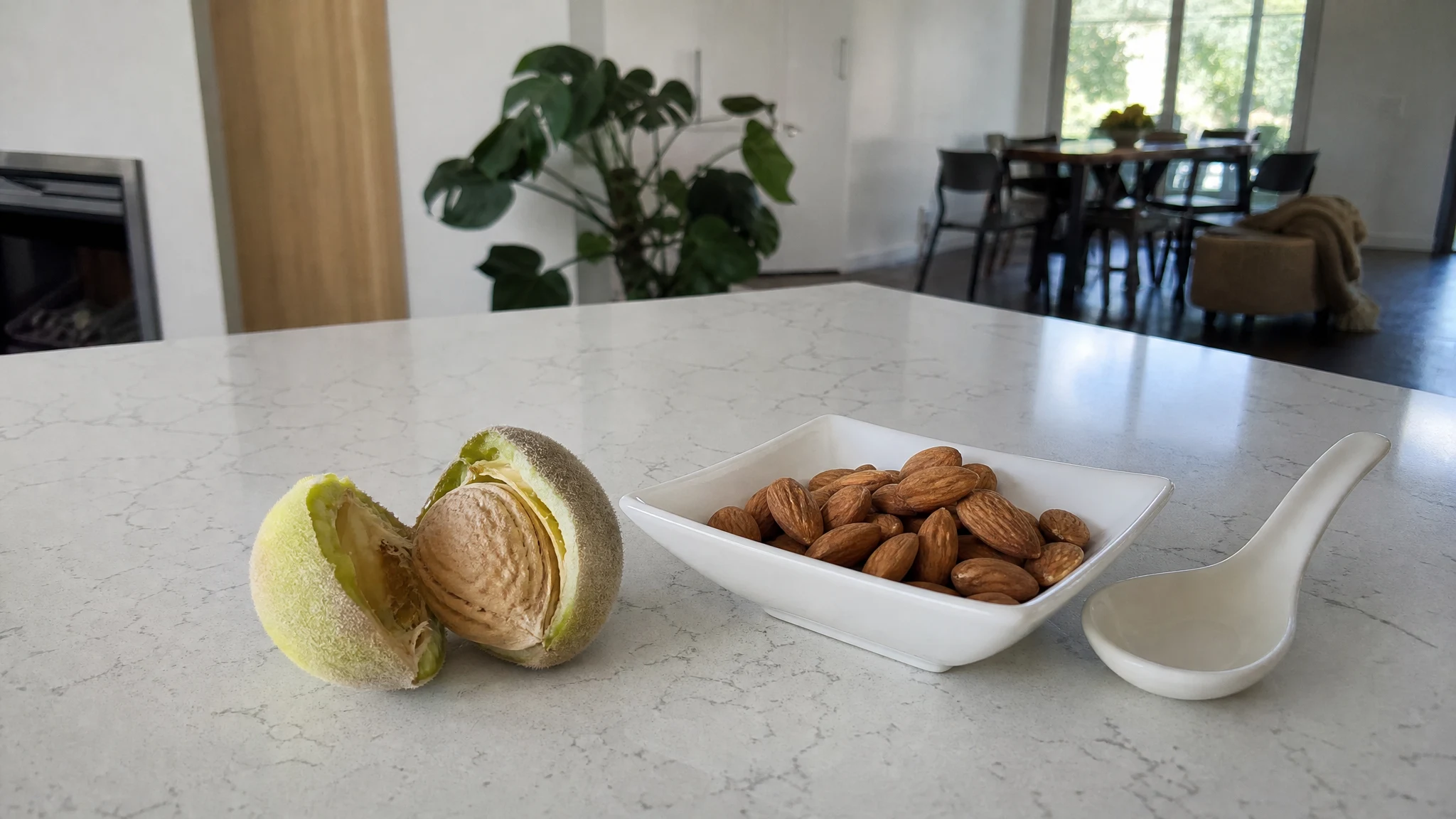
The ASPCA, in its page on internet myths about pet toxins, draws one line that is worth remembering. Sweet almonds, the kind sold for eating in the United States, are not toxic to pets, though since they are not a normal part of a pet’s diet they can cause stomach upset, vomiting, diarrhea and possibly pancreatitis. Bitter almonds contain a cyanide compound and are considered toxic. We sell only sweet almond oil, Prunus amygdalus dulcis; bitter almond oil is a different material altogether and not something we offer. If a bottle does not say sweet almond, keep it away from people and pets alike. Our post on sweet versus bitter almond oil covers the difference.
Dogs wash with their tongues
The simplest way to think about any oil on a dog is that it will end up inside the dog. Dogs groom, lick paws and chew flanks, so a skin product on a dog should be treated as one that may be swallowed. That is our reasoning rather than a finding from a study, and it is the main reason we do not market our oil for pets. A thin film is not a meal, but because the ASPCA notes that almonds, being unusual in a pet’s diet, can upset digestion, a dog with any history of tummy trouble deserves a question to its vet before any oil goes on.

If your dog does get into the bottle, make the call straight away. The ASPCA Animal Poison Control line is staffed every day of the year at (888) 426-4435, and its page notes a one-time consultation fee.
Itchy skin is a clue, not a diagnosis
Most people reach for a household oil because a dog is scratching or has flaky skin. The Merck Veterinary Manual’s page for dog owners puts the whole issue in one sentence: itching is a sign, not a diagnosis or specific disease. It lists parasites, infections and allergies as the most common causes, and says a vet looks first for mites and fleas. An oil leaves all of those carrying on underneath a shinier coat. Our view, drawn from that list, is that a plant oil is a cosmetic touch and not an answer. If the skin is red, scabbed, smelly, patchy or being scratched raw, a veterinarian (and for stubborn cases a veterinary dermatologist) is the person to see.
The part people forget: the human household
Our oil is cold-pressed and sold unrefined, so trace almond protein is present, and we say plainly that anyone with a tree nut allergy should not use it. That matters in a home with a dog, too. Food Allergy Research and Education lists almond oil among tree nut products, and an allergist writing for the American Academy of Allergy, Asthma and Immunology explains that highly refined nut oils are unlikely to carry enough allergenic protein to cause a reaction while topical exposure to nut oils has not been well studied. Put those together and a sensible, if cautious, conclusion follows: a person with a tree nut allergy who cuddles or sleeps beside a dog with an oiled coat may be exposed to whatever is on that coat. That is an inference on our part, not a study result, and it is a good topic to raise with an allergist. Our nut allergy post goes deeper.

Questions worth writing down before the vet visit
A vet appointment goes further when you arrive with specifics. It helps to jot down a few things beforehand, and none of them take long:
- Where your dog scratches or licks most, and whether it has changed lately.
- Anything new in the home, from a food or shampoo to a different bedding or a new carpet cleaner.
- Every product that has touched the coat, including any oil you have already tried, and roughly how much.
- Whether anyone in the household has a tree nut allergy, since that changes how a nut oil on a coat should be handled.
You will notice that the list is mostly about observation, not about oil. That is the point. The person who examines your dog can only work with what you can tell them, and a calm, specific account is worth more than any bottle on a shelf.
What we would do
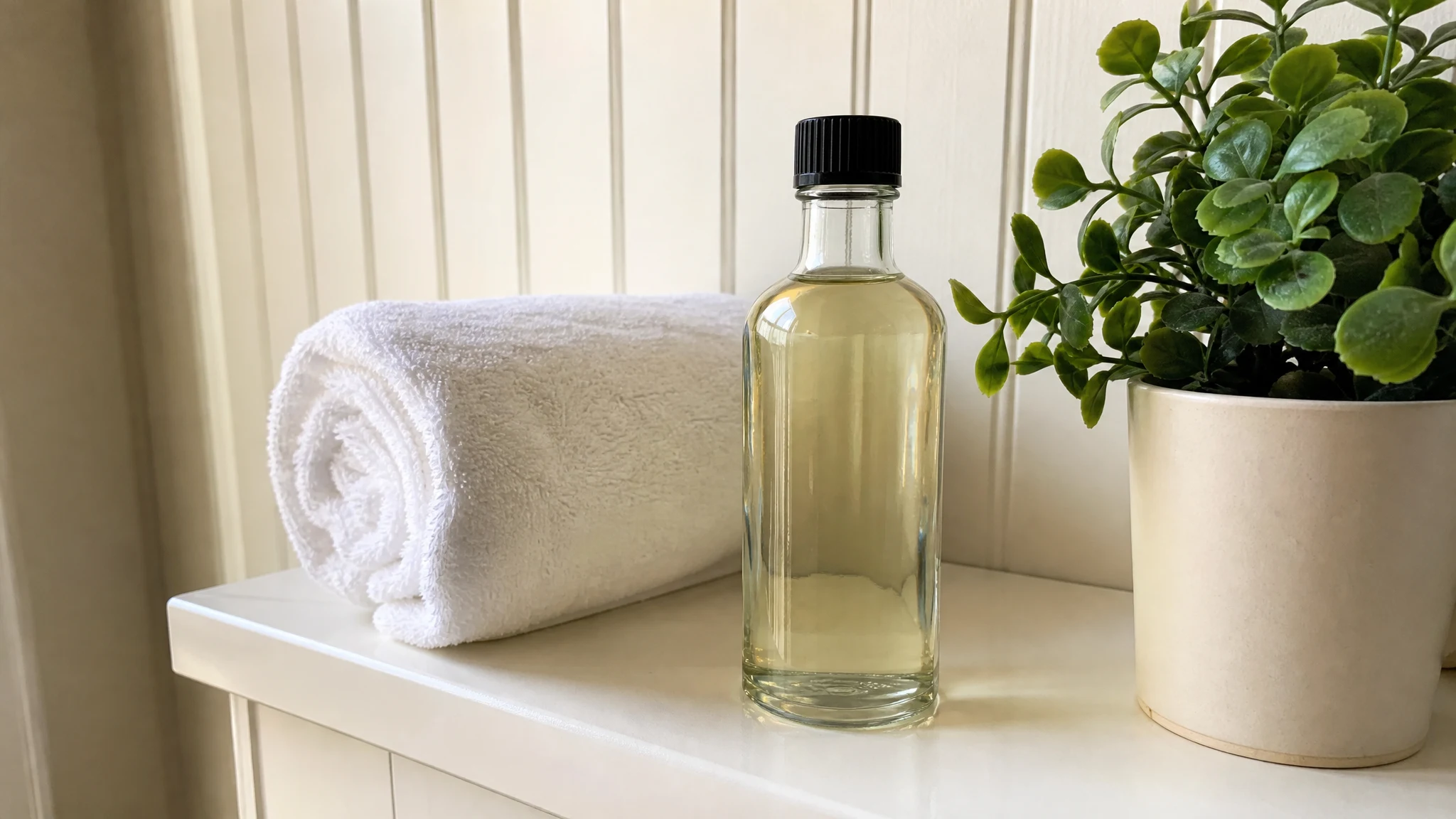
For a dog with a dry coat, start with the vet. They can check for the usual suspects and recommend products made and labeled for animals. Save our oil for human skin: it has a soft, lightly nutty aroma, absorbs quickly and leaves a non-greasy finish, which is why many people enjoy it as a body oil. If you do use it yourself, we ask for a patch test first (see our patch-testing guide), and storing the bottle cool, dark and out of reach of curious noses is a good habit in any pet household.

Pets and plant oils make a lovely pairing in the imagination. In practice, a good vet visit does far more for a scratchy dog than anything from our shelf.
If you love the idea of a little ritual with your dog, a gentle brushing session and a fresh bowl of water are things you can enjoy together today, no oil required.
Sweet Almond Oil
Sweet Almond Oil from our own shop, in sizes from 0.5 oz to bulk.
From $9.99
Shop Now →Sources & Further Reading
- ASPCA. Internet Myths and Rumors: Pet Toxin Edition.
- ASPCA. ASPCA Poison Control.
- Moriello KA. Itching (Pruritus) in Dogs. Merck Veterinary Manual, Dog Owners.
- Food Allergy Research and Education. Tree Nut Allergy.
- American Academy of Allergy, Asthma and Immunology. Food allergy: nut oils in topical products.