Can You Use Almond Oil on Your Face? Who It Suits
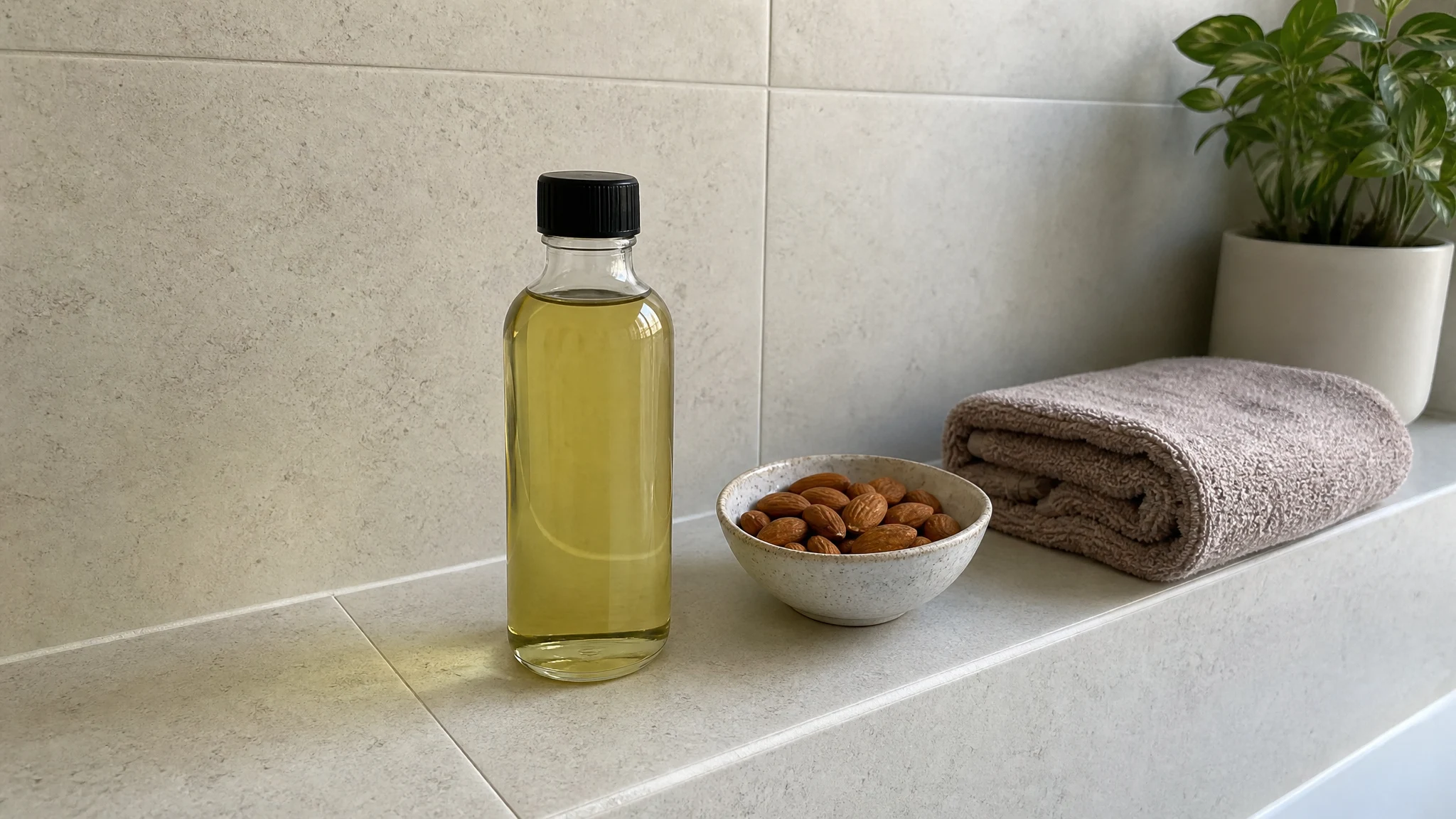
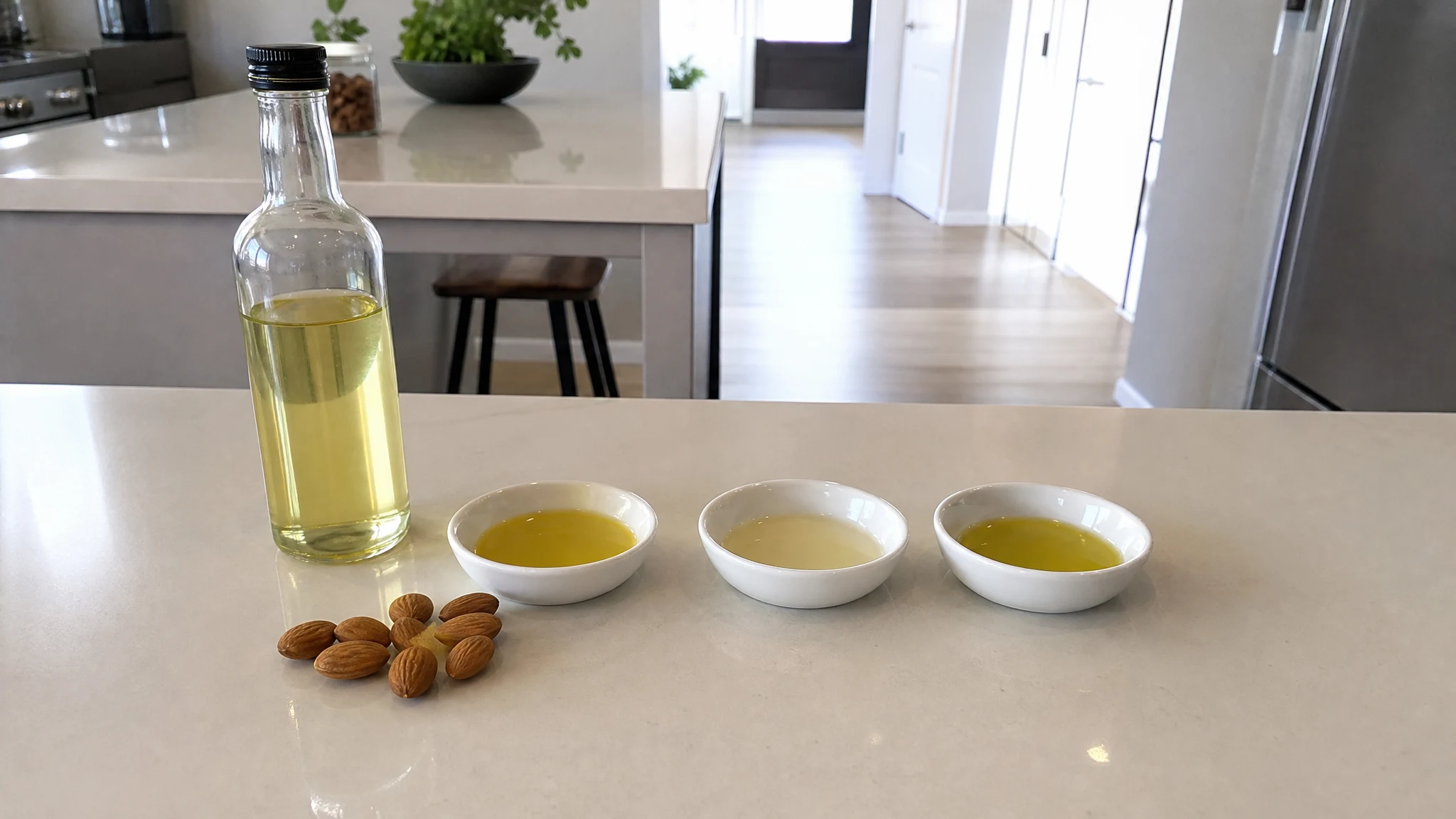
Sweet almond oil has a soft, lightly nutty scent and a quick-absorbing, non-greasy feel, and it is easy to see why people want to try it on their faces. Whether it belongs there depends on your skin more than on the oil. We sell one oil, cold-pressed and unrefined sweet almond oil, and our honest view is that it suits a fairly specific group: adults with dry facial skin and no tree nut allergy, after a patch test. If that sounds like you, a few drops can be a pleasant, simple step. If not, there are kinder choices.
Start with the allergy question
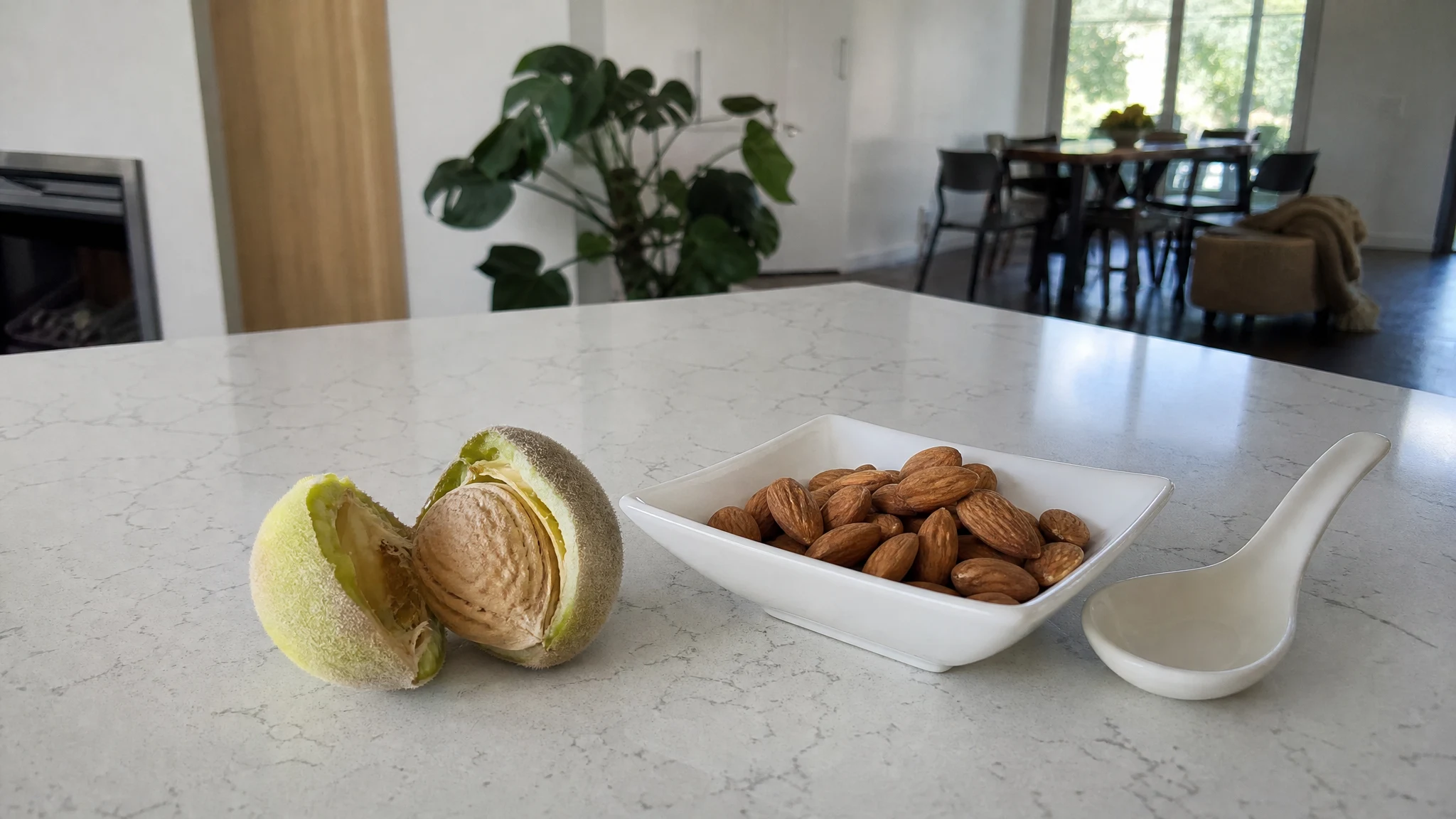
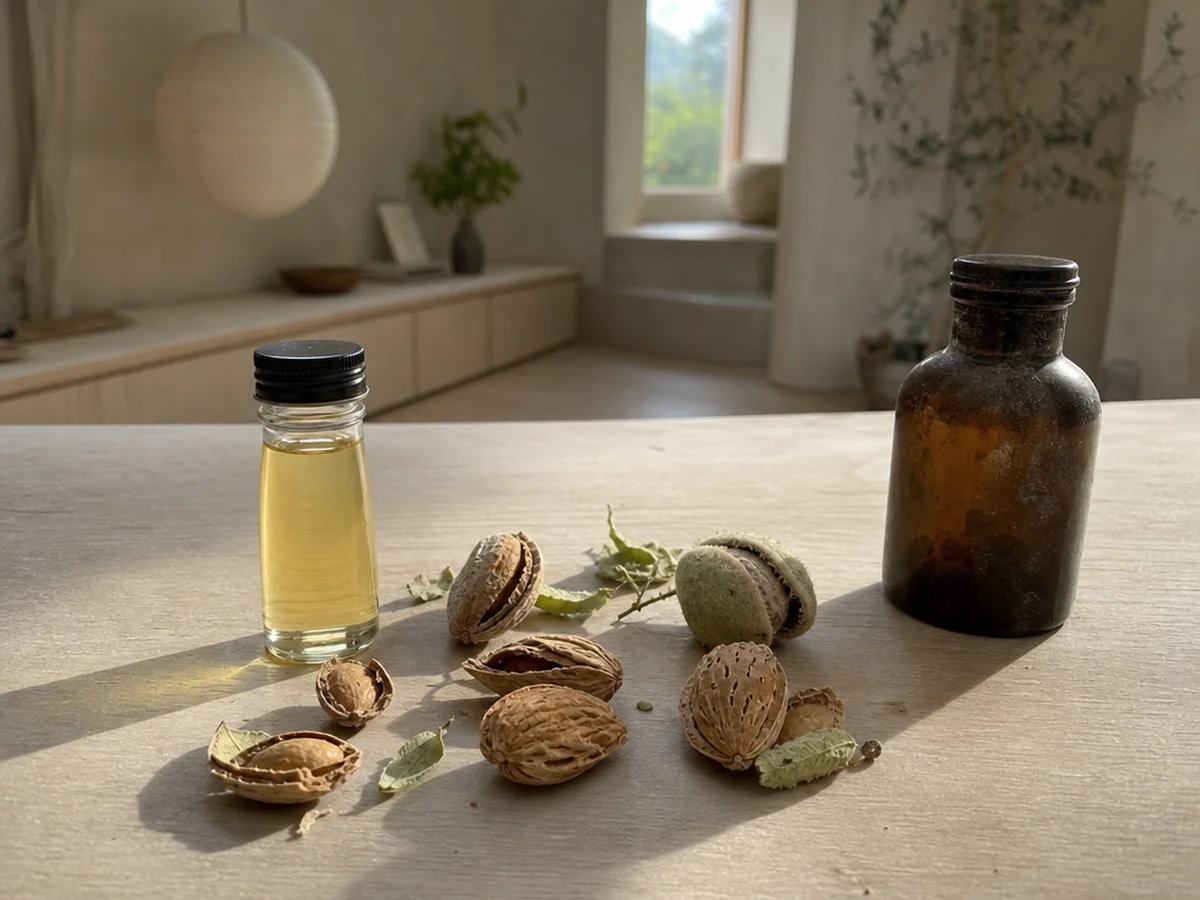
Almond is a tree nut. Our oil is cold-pressed and unrefined, so trace almond protein is present, and we ask anyone with a tree nut allergy not to use it. There is a practical wrinkle worth knowing: the FDA’s food allergy page notes that the allergen labeling law covers food, and that cosmetics are among the products it excludes. So a cosmetic label will not necessarily flag almond for you. Read the ingredient list for Prunus amygdalus dulcis, the INCI name for sweet almond oil. If you are unsure, an allergist can advise, and our nut allergy post goes into more detail.
What to look for in your own skin
Before you decide, spend a day paying attention to your face. Notice how it feels an hour after washing: tight and a little rough, comfortable, or already shiny? Notice whether the dry feeling is on the cheeks only, or all over. That is the information that tells you whether an oil is a good idea, and it costs nothing to collect. Many people discover their face is two skin types at once and that they only needed a little care on the cheeks.
Dry cheeks: the sweet spot
For dry skin, almond oil has a modest but real research record. In a 2018 randomized pilot in the journal SKIN, 32 people who completed it applied almond oil, coconut oil, jojoba oil or white petrolatum to dry skin twice a day for two weeks. All four raised hydration by the second week with no significant difference between them. It was not a facial study, so we offer it as a general sign that almond oil behaves like a decent moisturizer rather than a result specific to faces. Dermatologists quoted by the American Academy of Dermatology (AAD) add that moisturizer works best applied while skin is still damp, which is the habit we would build any oil routine around.
We also like to be upfront that for very dry skin the AAD suggests starting with a cream or ointment, so an oil is often the finishing touch rather than the whole story. Many people pair the two.
Oily or breakout-prone skin
This is where we would gently steer you elsewhere. The AAD suggests that people with oily skin consider skipping moisturizer or choosing a gel, and look for products labeled oil free and noncomedogenic. We do not make a noncomedogenic claim for our oil. You will find lists of oils ranked by pore-clogging potential online, but those ratings came largely from older animal tests, and a 2006 human study in the Journal of the American Academy of Dermatology (six volunteers, four weeks of patches on the back) concluded that finished products using so-called comedogenic ingredients are not necessarily comedogenic. In other words, neither a ranking nor a marketing line settles it for your face. If breakouts are your main concern, see a board-certified dermatologist before adding an oil; our acne FAQ covers the thinking.
A face is rarely one skin type
Combination skin is common, with dry cheeks and a shinier forehead and nose. The AAD’s advice is to think of the face as two areas, moisturizing the dry zones and skipping the oily ones. That is exactly how we would use an oil: on the cheeks, if at all, and nowhere it is not needed. Not sure which area behaves which way? A dermatologist can tell you.
How to try it
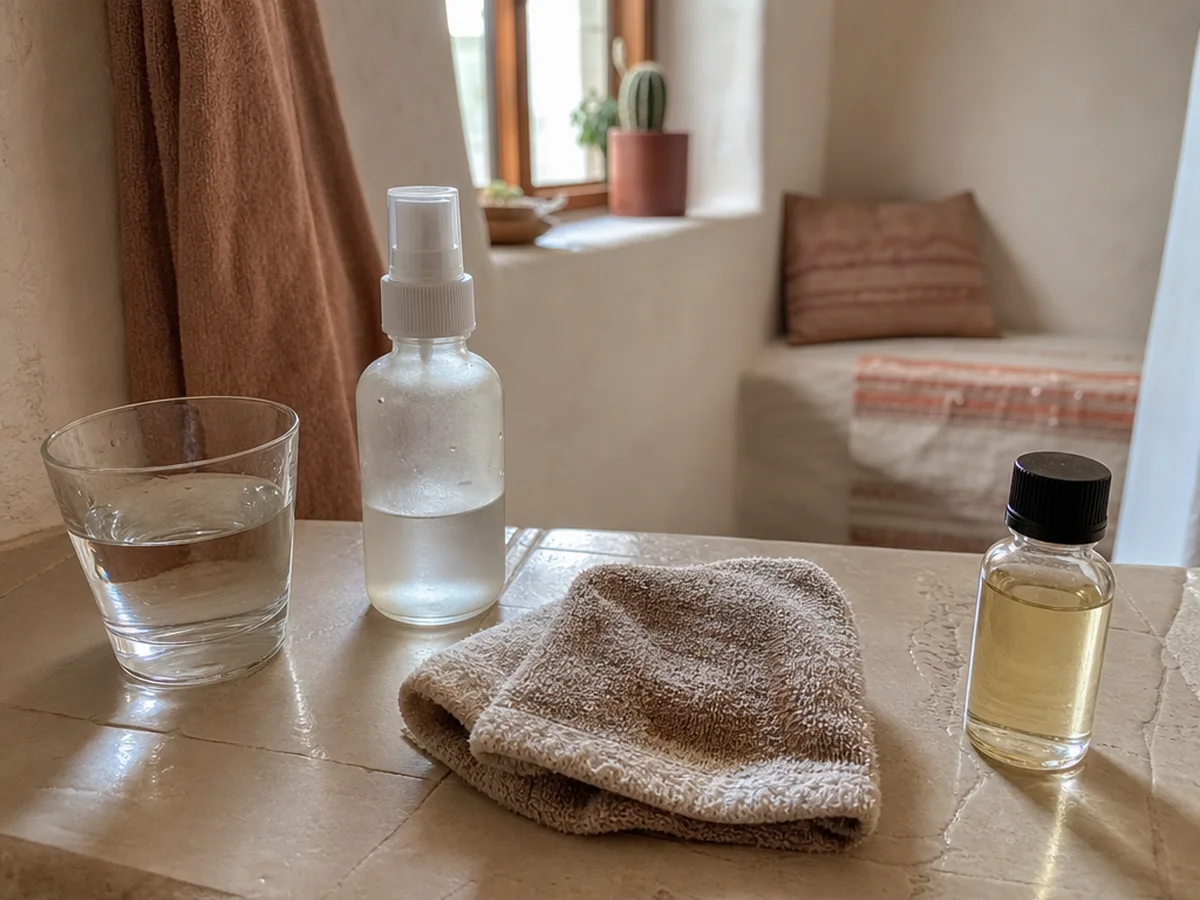
First, test. The AAD method is a quarter-sized spot on the inner arm or elbow bend, twice a day for seven to ten days, with no redness, itching or swelling before you go further. Our shop guidance is a patch test with a day’s wait; for the face we would take the AAD’s longer route, and our patch-testing guide has the steps. Keep the oil well away from the eyes, as our safety guidance says.
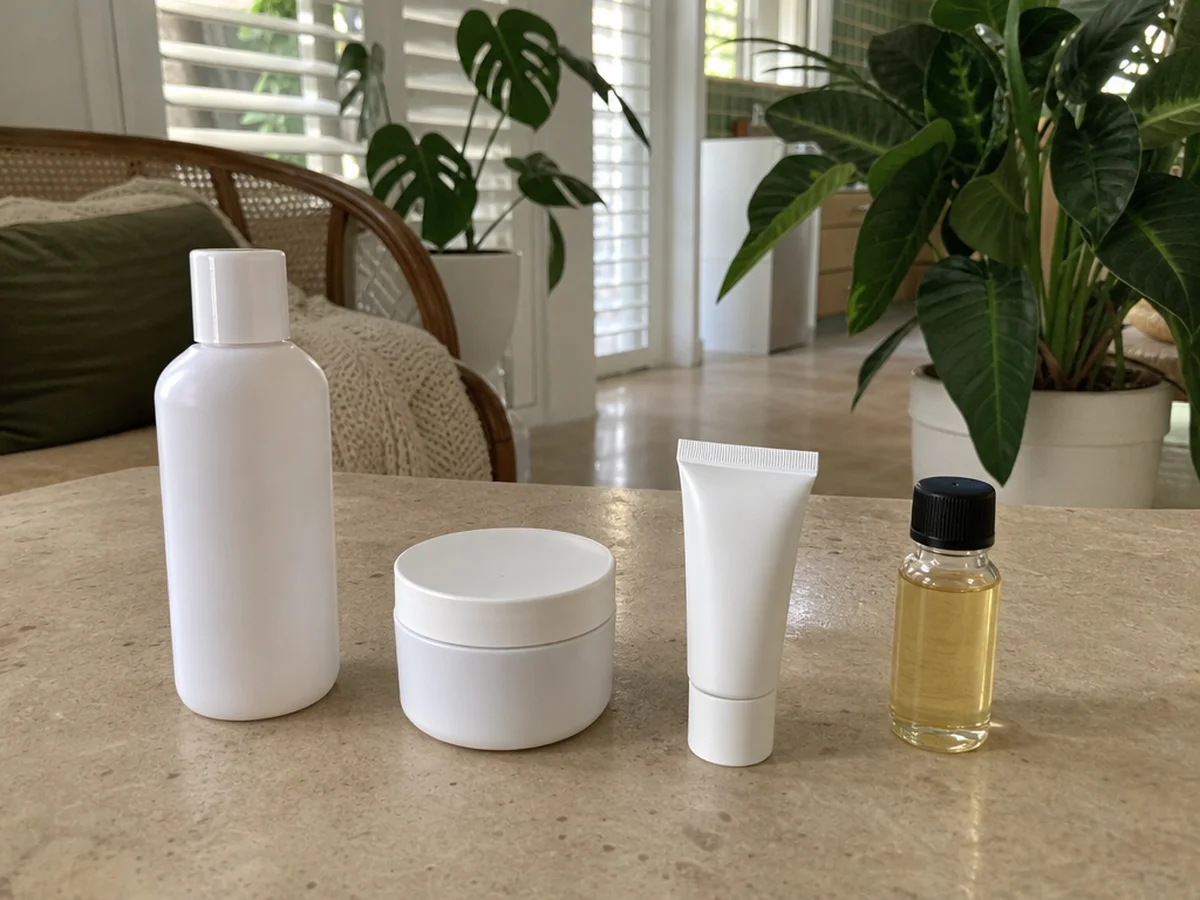
When you are ready, here is a simple suggestion rather than a studied dose: after washing, leave your skin slightly damp, warm two or three drops between your fingertips, and press them onto your cheeks. A thin film is plenty, since anything more than skin can absorb just sits on the surface. The oil does not replace sun protection, and our post on the sunscreen myth explains why.
What it feels like when it suits
When an oil is a good fit, you will notice it quickly. Pressed in over slightly damp skin, it should disappear into a soft, slightly cushioned feel within a minute or two, with no lingering slick. If your face still looks wet well after that, you used more than you needed, and a smaller amount next time is the answer. Pay attention too to how the oil smells on your skin: our oil has a faint, nutty sweetness that fades to almost nothing, and if you find yourself bothered by any scent near your face, that is worth listening to.
Give any new step several days on its own before judging it. If you add three new products at once, you will never know which one your skin liked.
Choosing between oils
If you enjoy comparing, our almond versus jojoba post is the closest side-by-side we have, and using an oil to remove makeup is a separate technique, covered in our oil cleansing post.
A good face routine can be one or two steps, and for the right skin a little almond oil is a very nice one.

Sweet Almond Oil
Sweet Almond Oil from our own shop, in sizes from 0.5 oz to bulk.
From $9.99
Shop Now →Sources & Further Reading
- U.S. Food and Drug Administration. Food Allergies.
- American Academy of Dermatology. How to control oily skin.
- American Academy of Dermatology. How to pick the right moisturizer for your skin.
- American Academy of Dermatology. How to test skin care products.
- Draelos ZD, DiNardo JC (2006). A re-evaluation of the comedogenicity concept. Journal of the American Academy of Dermatology.
- Vaughn A, et al. (2018). Multi-Center Randomized Clinical Study of The Effects of Natural Oils on Xerosis and Skin Barrier Properties. SKIN The Journal of Cutaneous Medicine.