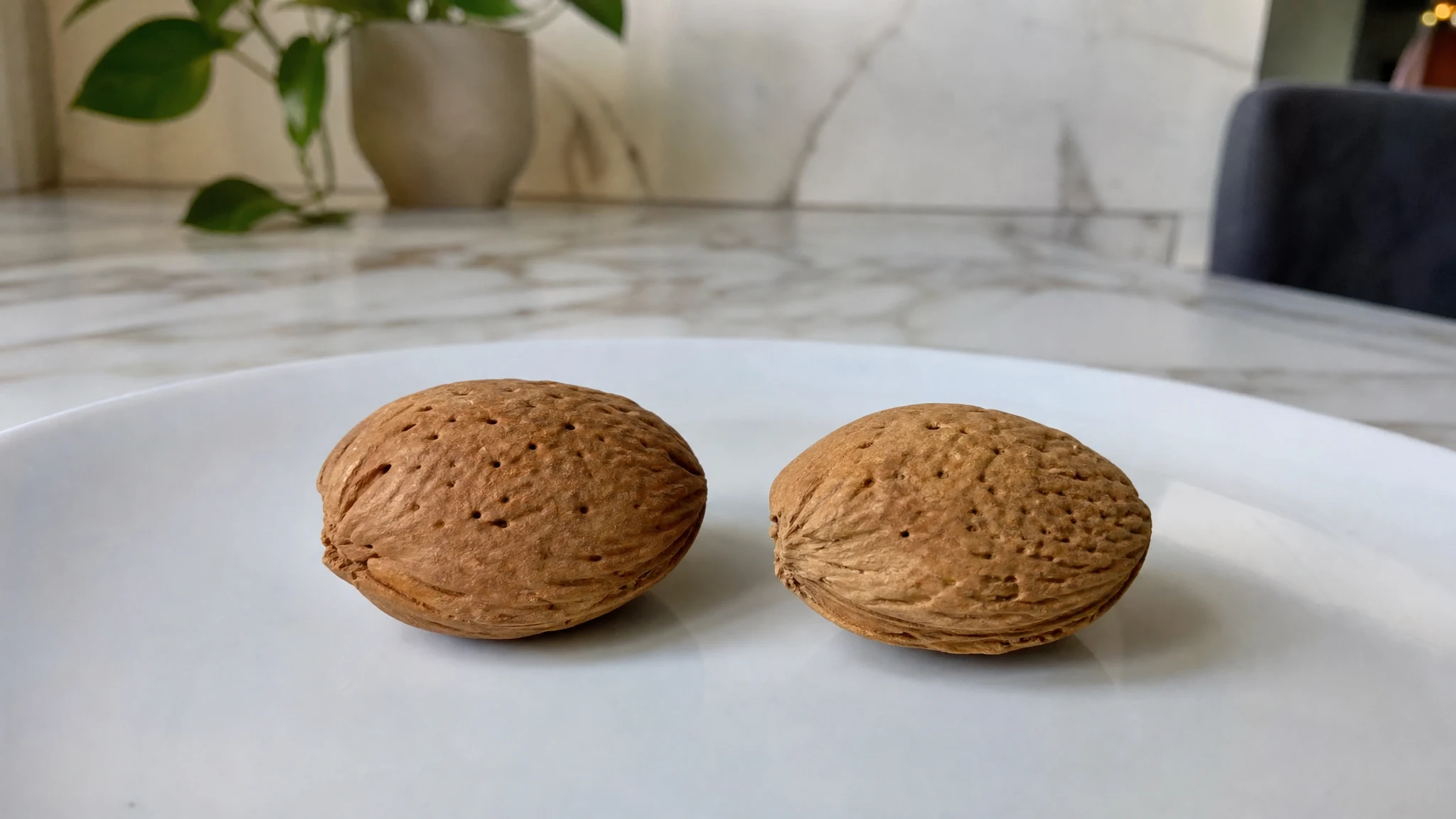
Sweet vs Bitter Almond Oil: How to Tell Them Apart
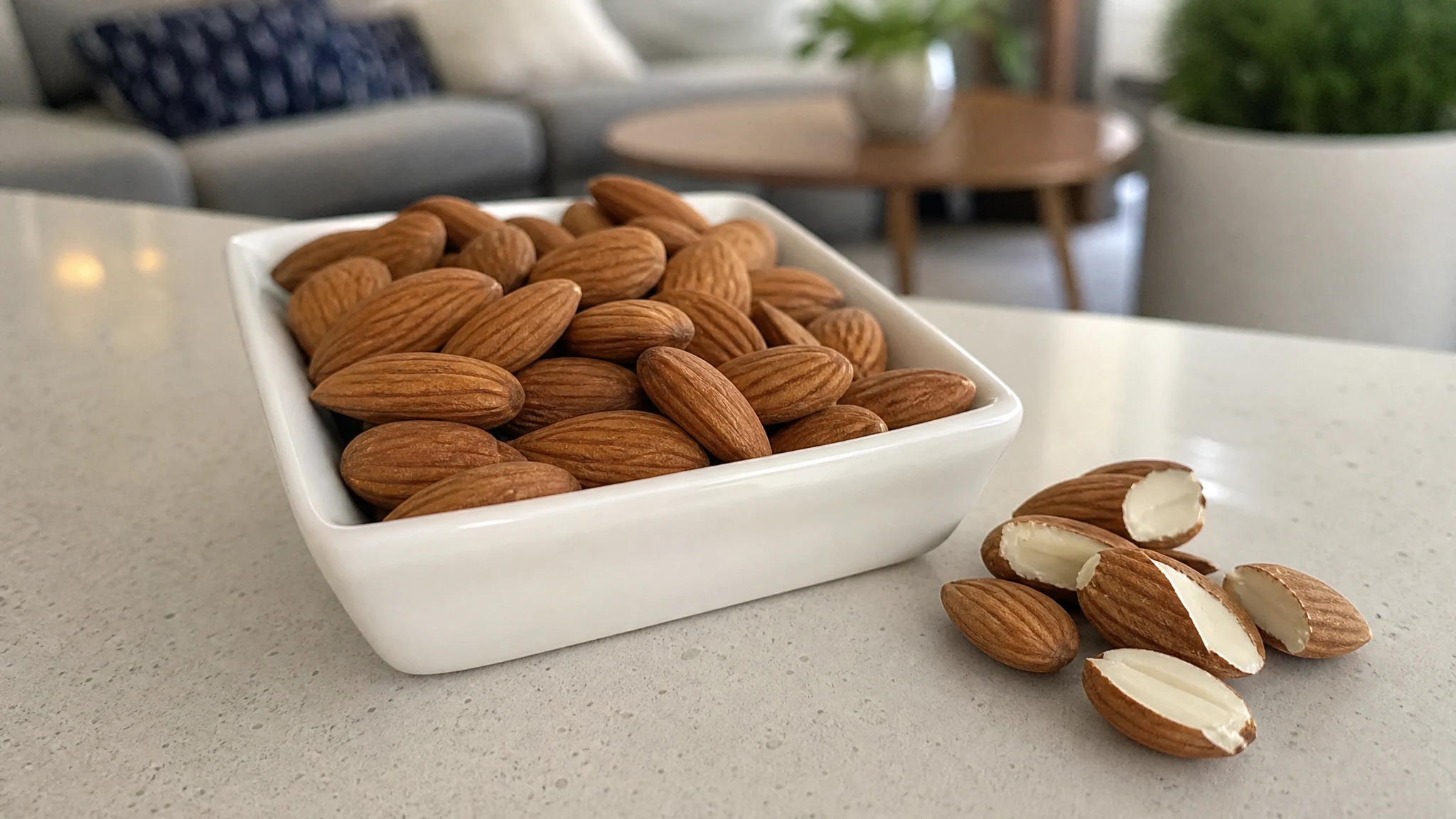
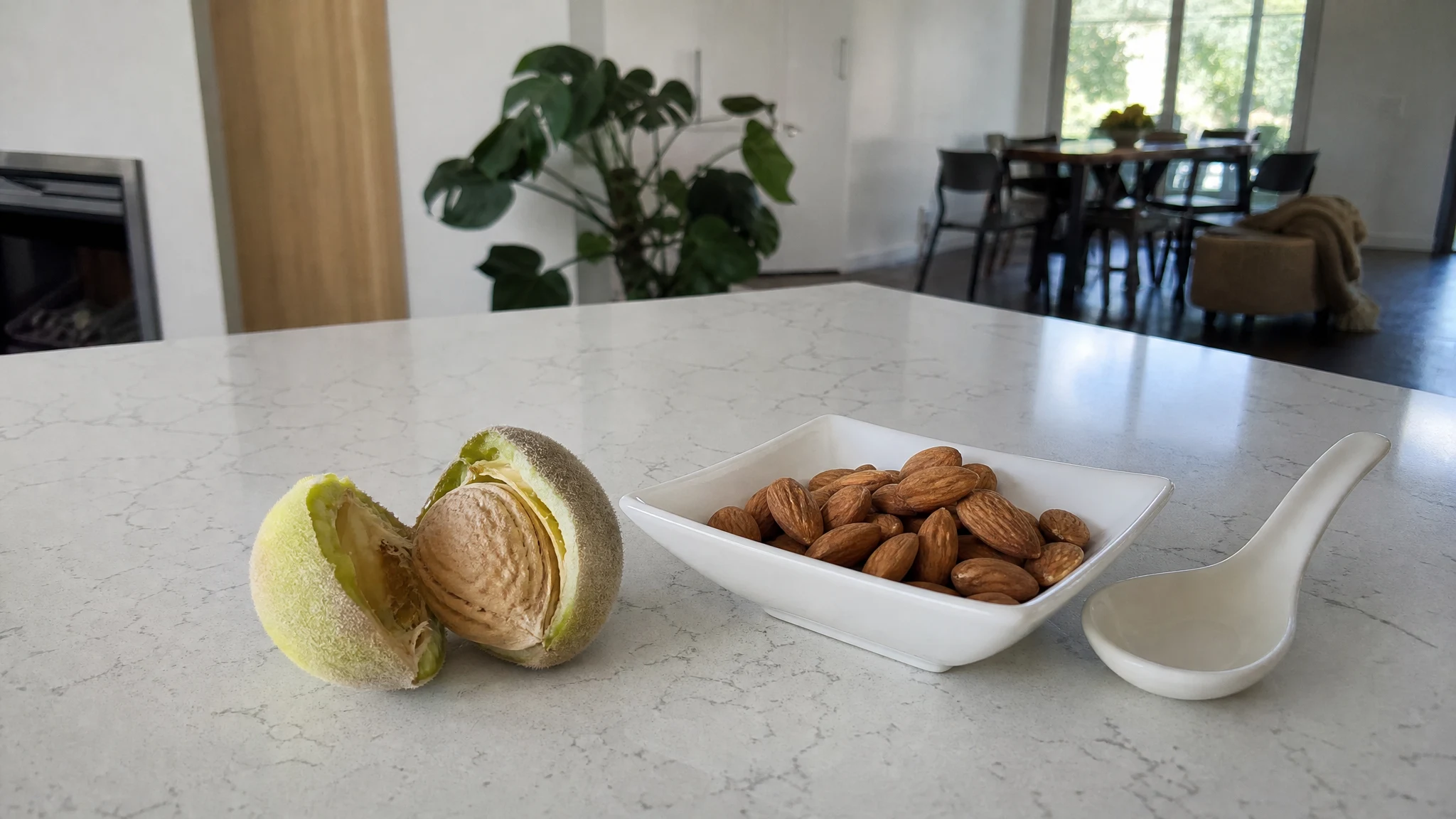
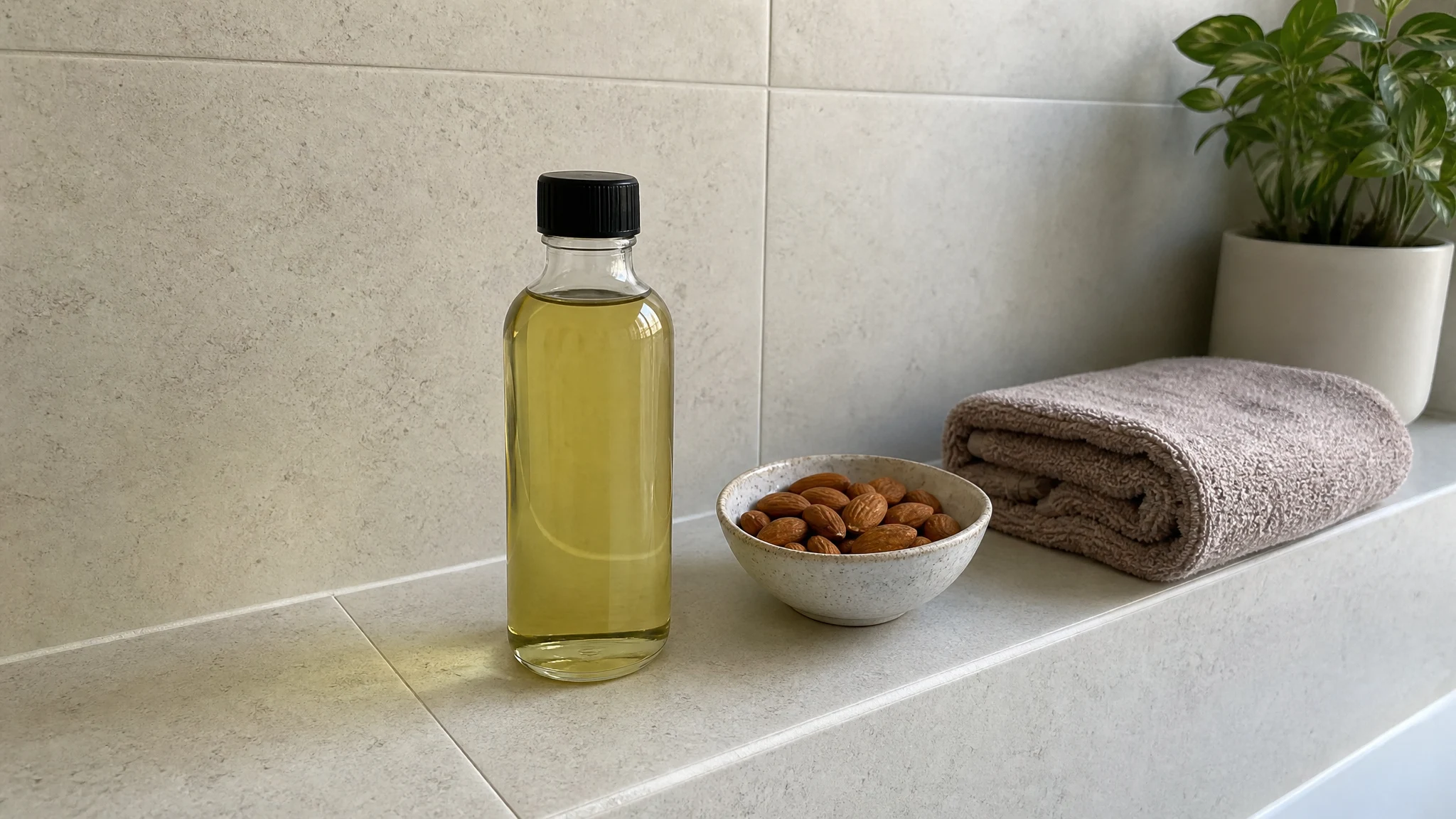
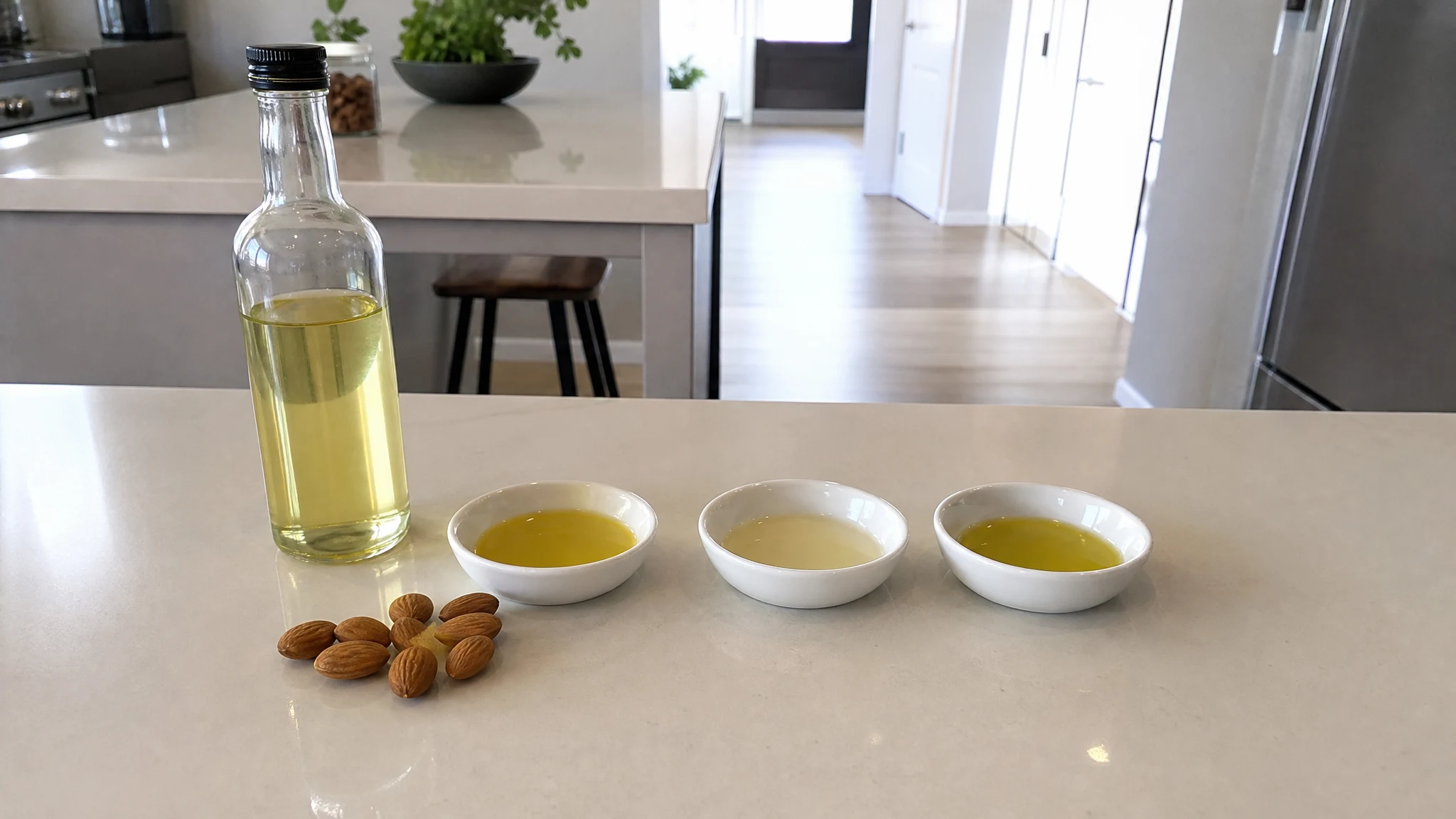
Two kinds of almond tree give us two kinds of almond oil, and only one of them belongs on a skin-care shelf. Sweet almond oil is the soft, subtly nutty oil used as a carrier and moisturizer, and it is the only almond oil we sell. Bitter almond oil comes from a related kernel with very different chemistry, and a label that simply says "almond oil" does not always tell you which one is inside.
Read the botanical name
The quickest check is the botanical or INCI name. Ours is Prunus amygdalus dulcis, and on our Certificate of Analysis it appears as Prunus amygdalus dulcis (Sweet Almond) Kernel Oil. If a label gives only "almond oil," or a seller cannot say which type it is, treat it as unknown. An unknown almond oil should stay away from your mouth, from children and from broken skin, and for anything you plan to cook with, you want a food-grade oil from a food seller. Ours is cosmetic grade, for external use only.
Why the two are not interchangeable
The difference is a compound called amygdalin, which releases cyanide when it breaks down. The European Food Safety Authority collected occurrence data for cyanide-releasing compounds in foods, and the contrast is stark: bitter almonds averaged 1,437 mg/kg across three samples, while sweet almonds averaged 4.5 mg/kg across 35. EFSA describes the level in sweet almonds as rather low, and notes that marzipan is made exclusively from sweet almonds because they need no detoxification.
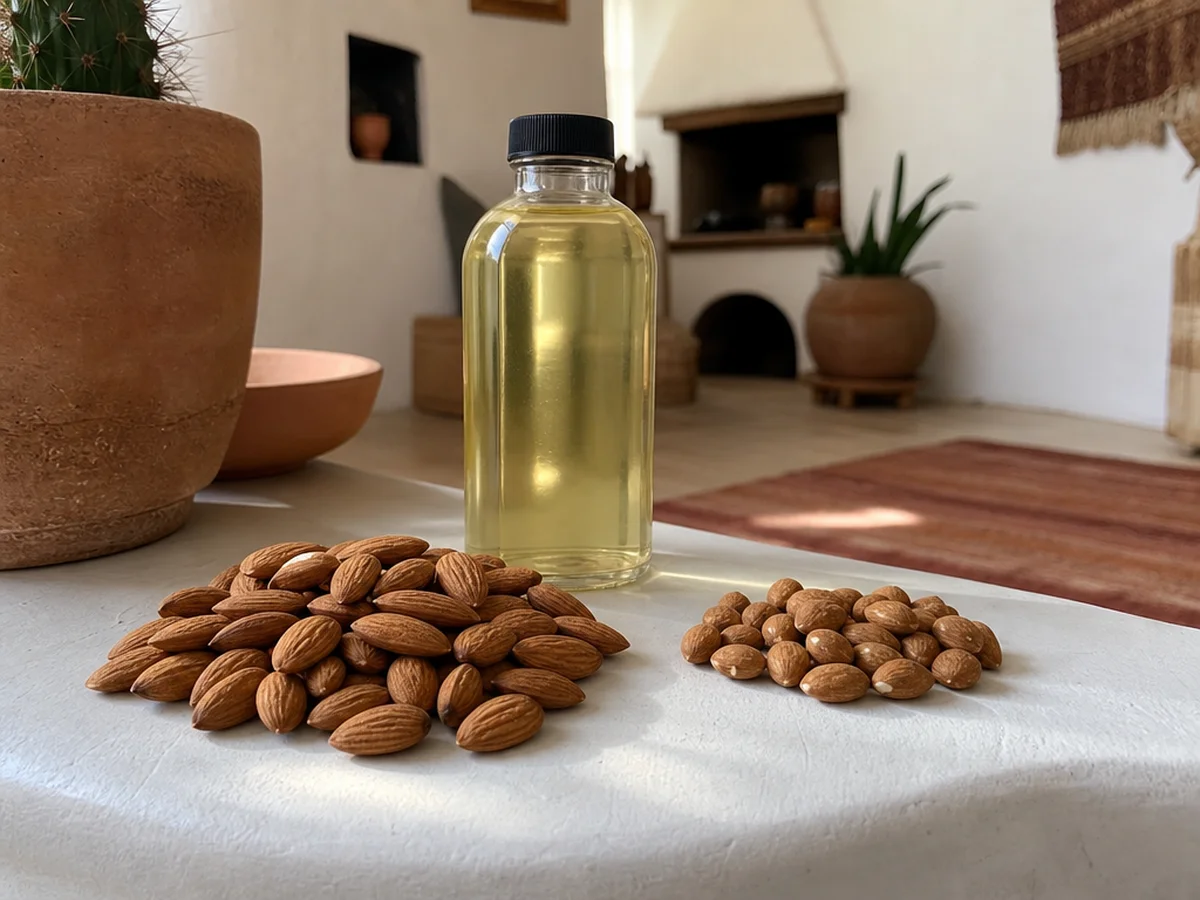
The authority's reference dose for acute exposure to cyanide is 20 micrograms per kilogram of body weight, and it estimates that eating 0.1 to 1.4 g of bitter almonds reaches it: less than half a small kernel for a toddler, about one large kernel for an adult. EFSA's work concerns eating, so it does not tell us about skin. That is simply one more reason to buy almond oil with a clear name and to leave bitter almond oil to professionals who have a defined job for it.
A surprise from the regulations
Bitter almond oil is not banned outright in the United States, which surprises many readers. The federal list of generally recognized as safe essential oils and natural extractives includes "Almond, bitter (free from prussic acid)", where prussic acid is another name for hydrogen cyanide. Two things follow. The permitted material is specifically the kind with the cyanide removed, so its status depends on processing rather than on the nut. And the botanical names listed for that entry include apricot and peach as well as almond, so a product sold as "bitter almond" can legitimately come from other stone fruit kernels. Reasoning from that, a bottle labeled only "bitter almond" is one of several possible materials, and only the label and the paperwork can tell you which.
What sweet almond oil is, and who should skip it
Sweet almond oil has an easy record as a cosmetic ingredient. The Cosmetic Ingredient Review panel found 244 plant-derived oils safe as used in cosmetics, though sweet does not mean allergy-free. Almond is a tree nut. An allergist writing for the American Academy of Allergy, Asthma and Immunology explains that unrefined, cold-pressed nut oils retain protein and that exposure through cosmetics has not been well studied. Our oil is cold-pressed and unrefined, so trace almond protein is present, and anyone with a tree nut allergy should not use it. Sweet answers the bitter question; it does not answer the nut question. The nut allergy guide has the details.
A few label habits worth building
Most of us read the front of a bottle and stop there. The back is where the useful information hides. Turn the bottle over and look for a botanical or INCI name, a pressing or batch date and a lot number. A seller who prints these is giving you something to hold them to. If a bottle only says "almond oil" on the front and nothing on the back, that is a good moment to pause and ask a question before you pay for it.
It also helps to keep your own record. When a bottle arrives, snap a photo of the label and write the date on the cap. If you ever have a question later, you will have what you need to ask it clearly.
Practical checks before you buy
- Look for the botanical name. If it is missing, ask.
- Check the pressing date and lot number. Ours are on every bottle, and the Certificate of Analysis we publish covers one batch with density, refractive index and optical rotation. For anything beyond that, ask us in writing through the contact page.
- Keep unknown almond products away from children and pets. For any poisoning concern, call a poison control center or your veterinarian.
- Patch test a small area of skin and wait a day before wider use, and keep the oil away from your eyes.
The home purity checks and the refined versus unrefined guide cover the other label questions, and where it comes from describes how we press ours.
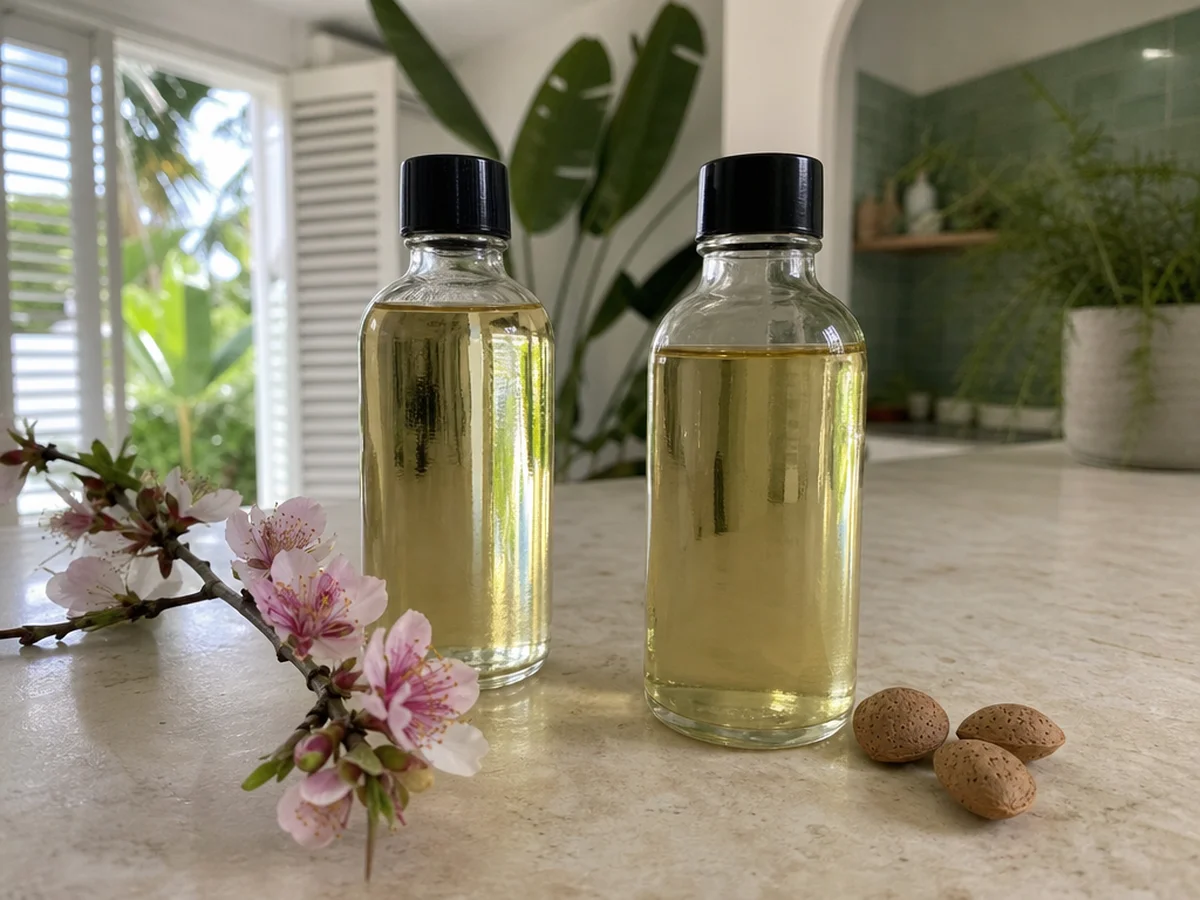
Notice, too, what a sweet almond oil should actually be like when you open it: gentle, lightly nutty and sweet, not sharp, harsh or medicinal. If a bottle smells like something strong and unfamiliar, put the cap back on and ask the seller.
If you want almond oil for skin, sweet almond oil with its botanical name printed on the label is the one you are looking for, and bitter almond oil is one to leave on the shelf.
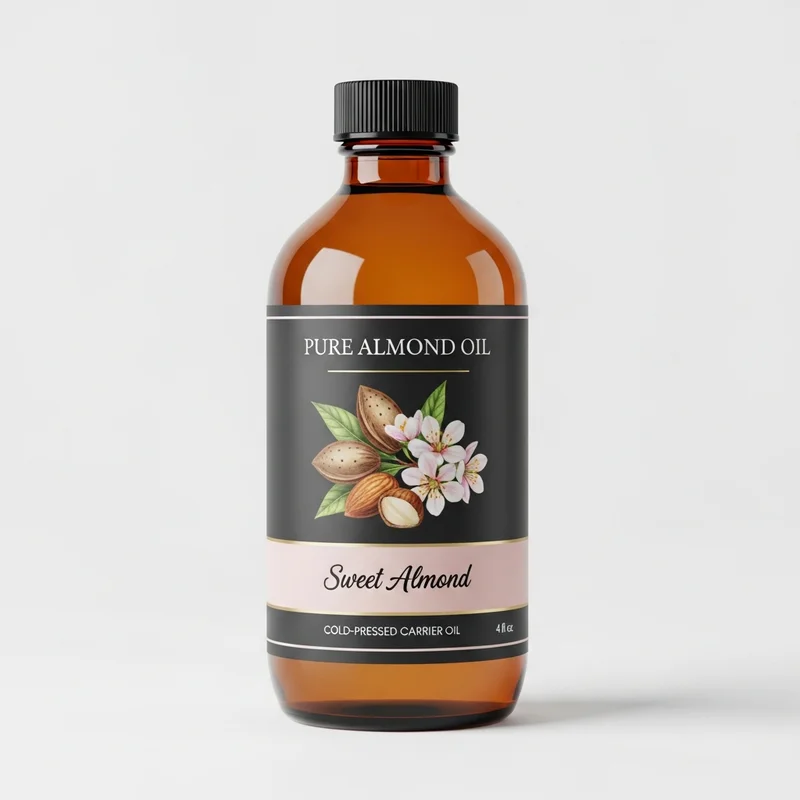
Sweet Almond Oil
Sweet Almond Oil from our own shop, in sizes from 0.5 oz to bulk.
From $9.99
Shop Now →Sources & Further Reading
- Evaluation of the health risks related to the presence of cyanogenic glycosides in foods other than raw apricot kernels, EFSA Journal, 2019
- 21 CFR 182.20 - Essential oils, oleoresins (solvent-free), and natural extractives (including distillates), Legal Information Institute
- Safety Assessment of Plant-Derived Fatty Acid Oils, International Journal of Toxicology, 2017
- Food allergy: nut oils in topical products, American Academy of Allergy, Asthma and Immunology