Almond Oil Quality: What to Check and What to Ask For
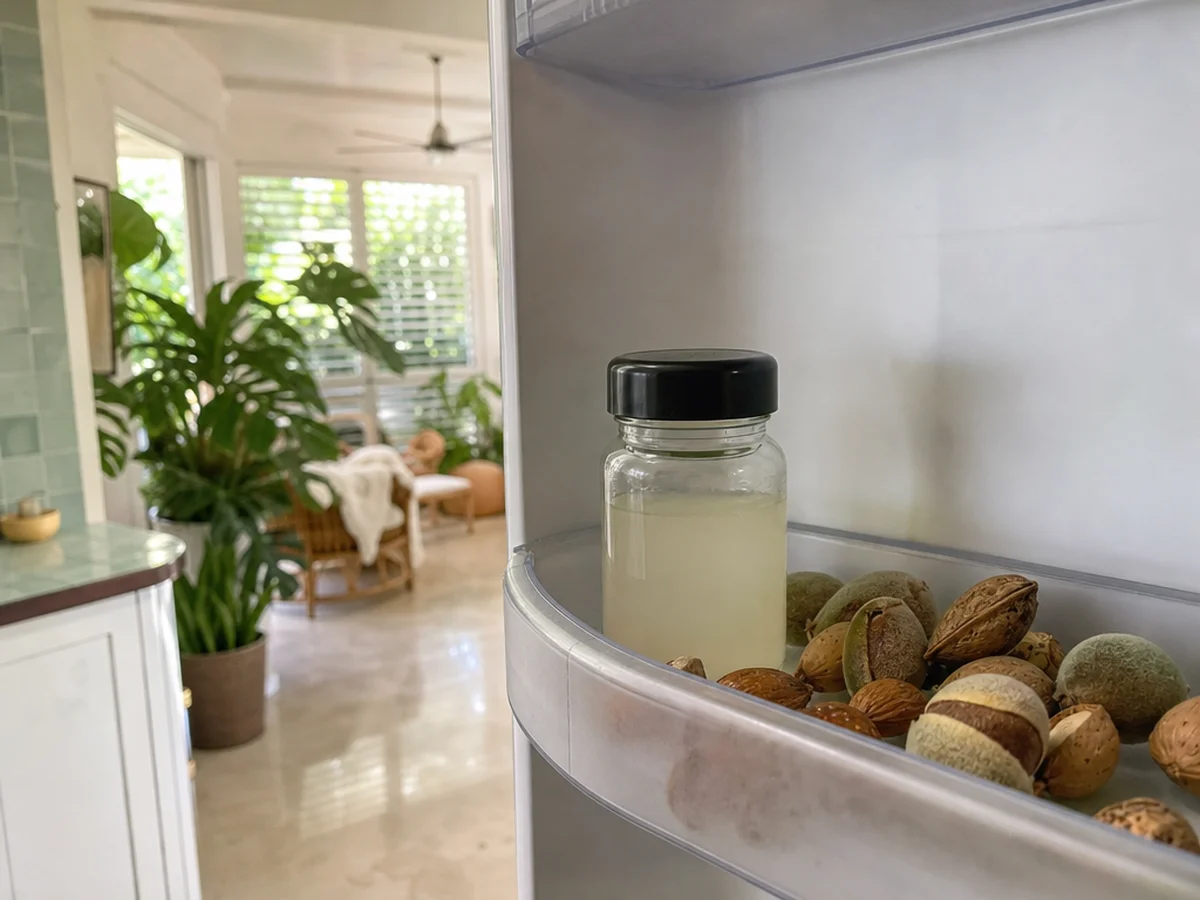
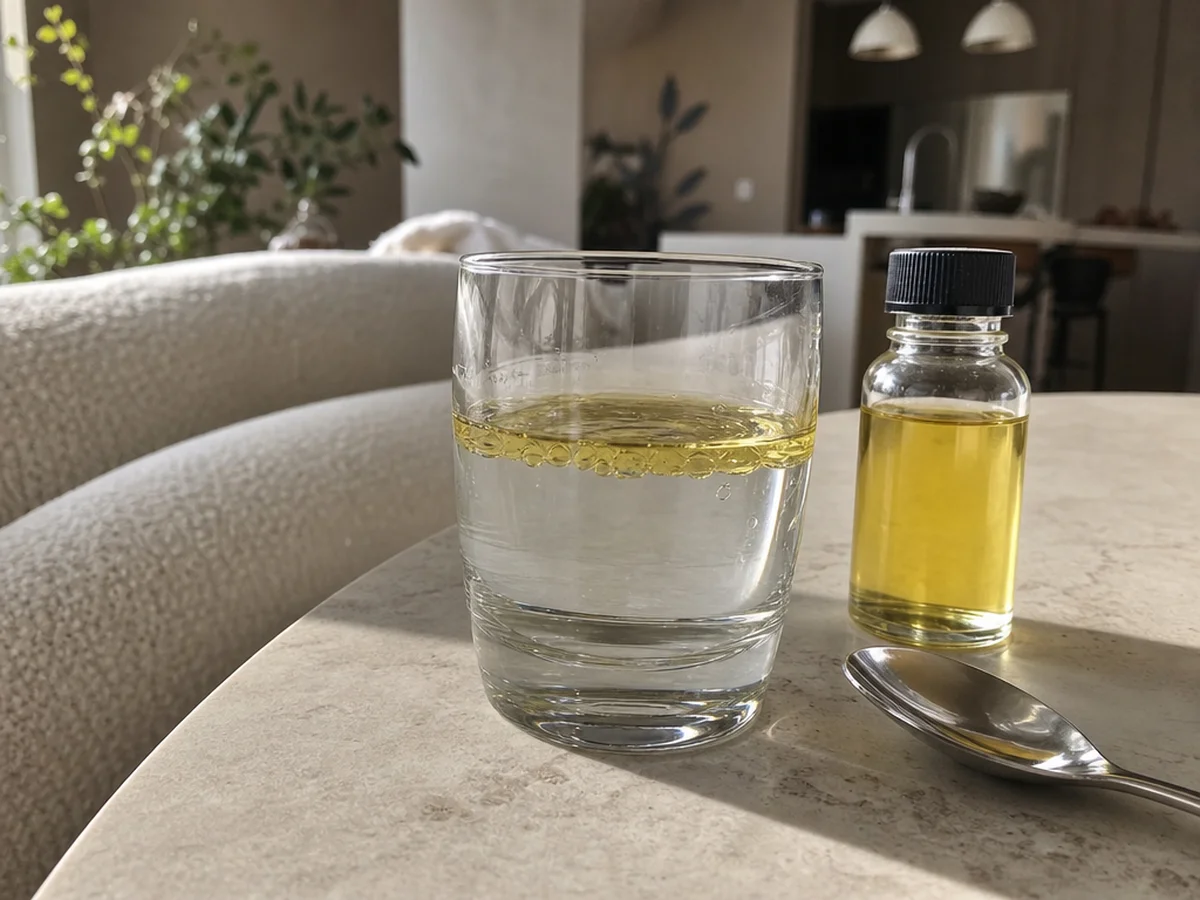
Put almond oil in the refrigerator and see whether it clouds. Drip it on paper and watch for a grease spot. Float it in water. These kitchen tests make the rounds as proof of quality, and they are good fun, but none of them can tell you what is in the bottle. What does help is knowing which checks are meaningful and which paperwork to ask for.
What a laboratory finds that a kitchen cannot
The clearest picture we have of marketed almond oil comes from Turkey. Berkkan and colleagues bought 17 almond oils from pharmacies, herbal shops, online sellers and cosmetics stores and tested them against European Pharmacopoeia criteria for appearance, acid value, peroxide value, identity by thin-layer chromatography and fatty acid profile. Only two of the 17 met the criteria. It is a market study from one country, so it says nothing direct about any oil sold elsewhere, ours included. What it does show is the kind of checks that matter: acidity, peroxides, identity and fatty acids are all invisible at the kitchen counter.
Fatty acids make a good example. Almond oil is mostly oleic acid, and in one study of cold-pressed oils from several almond cultivars the oleic acid share ran from 73.56 to 76.59 percent depending on the cultivar. A fridge result reflects the mix of fats in the bottle, and that mix moves with cultivar, place and pressing, which is why the fridge cannot play judge.
It is easy to feel a bit helpless in front of a bottle. We get it: you cannot see peroxide value or fatty acids by squinting, and most of us are not about to buy a laboratory. The good news is that a handful of calm, ordinary habits cover more ground than you might expect, and they cost nothing.
What you can check yourself
- The name on the label. Look for Prunus amygdalus dulcis, sweet almond kernel oil. We sell sweet almond oil only; bitter almond oil is a different material, and our article on sweet versus bitter almond oil explains why the difference matters.
- Dates and lot number. A pressing date, a bottling date and a lot number mean a batch can be traced. Ours carry all three.
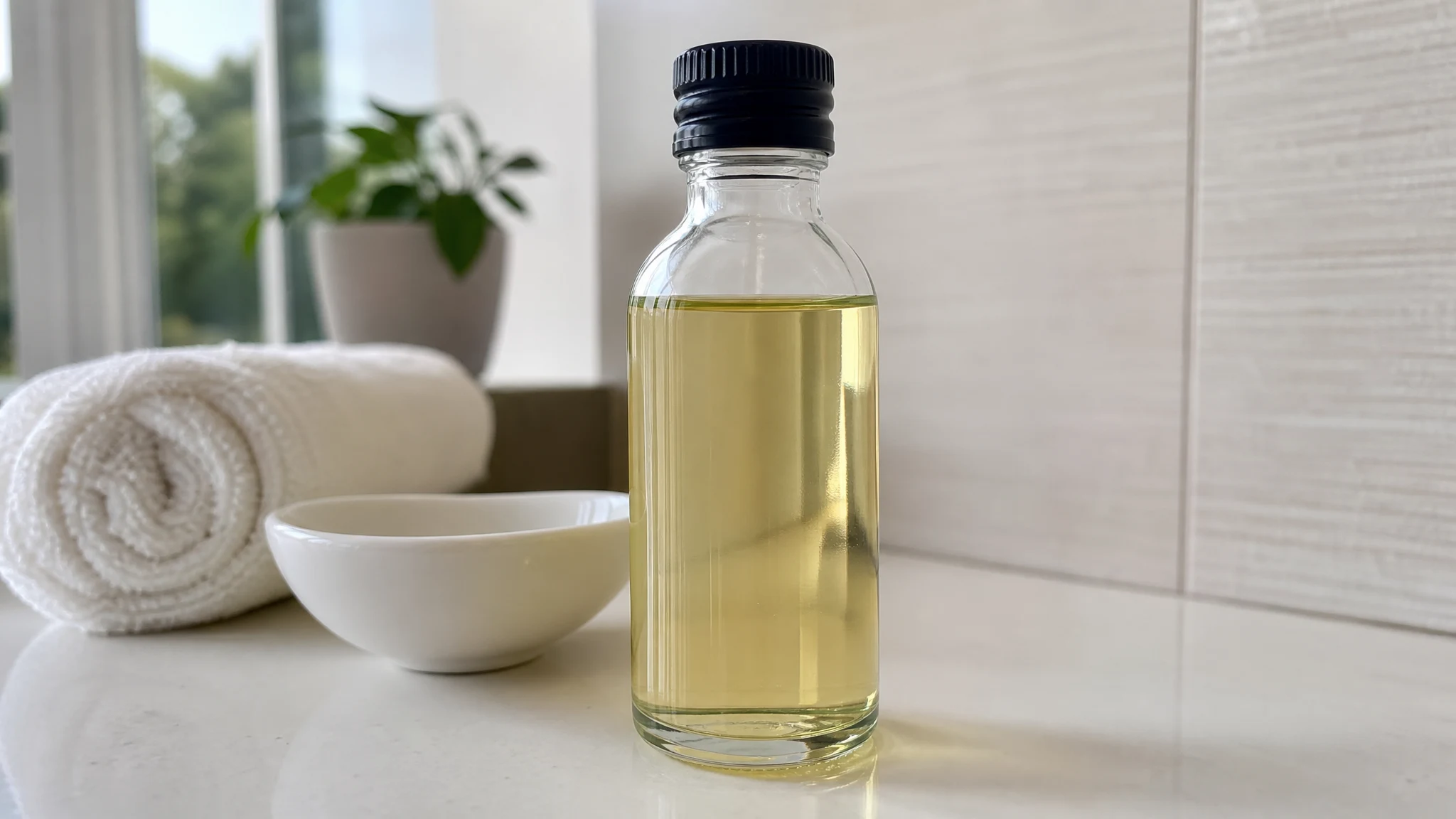
- Color and scent. Ours is faintly golden with a soft, subtly nutty, lightly sweet aroma. A smell that has turned sharp or stale in any almond oil suggests it has aged, as we discuss in our storage guide.
- Process words. We cold-press and sell the oil unrefined. Ask any seller what cold-pressed means to them, because the term does not come with a fixed temperature.
- How it feels on your skin. This is a matter of taste, a useful guide to which oil you enjoy. If your skin is sensitive, a week-long patch test is the right step, and our patch test guide shows how.
Make it a little ritual
When a bottle arrives, give it a minute. Hold it up to the light and notice the colour. Take the cap off and breathe in once. Check the dates and the lot number, then write the day you opened it on the label. That is the whole routine, and it takes less time than making a cup of tea. Do it each time and you will quickly learn what a good bottle looks and smells like, and you will notice sooner when one is not right.
Reading a certificate of analysis
A certificate is the most useful document a seller can share, and it pays to know what is on it. The one we publish covers a single batch and reports relative density of 0.918 at 20 C (standard range 0.900 to 0.930), refractive index of 1.472 (1.460 to 1.480) and optical rotation of -0.16 degrees (-2.00 to +5.00). Those are real physical measurements, and they sit inside the standard windows. They are also broad windows, so no single constant identifies an oil on its own. If you want results for peroxide value, free fatty acids, fatty acid profile, sterols or aflatoxin, write to us through the contact page with the lot number from your bottle and ask for that lot's paperwork before you rely on the oil.
Questions to put in your message
If you write to a seller, make it easy for them to help. Send the name of the product, the lot number, the size you have and exactly which results you want to see. Ask how recent the results are. A short, specific message gets a better answer than a general one, and it shows you what kind of company you are dealing with when the reply comes back.
A sensible order of operations
If you already have a bottle and a question, work in this order. Read the label for the botanical name. Look at the color and the smell. Find the dates and lot number. Then write to the seller and ask for the lot's results. A seller who sends you acid value, peroxide value and a fatty acid profile has shown you far more than one who sends a density alone. If you are buying in larger quantities, our wholesale page offers sample bottles, and our bulk buying guide walks through what to ask for.
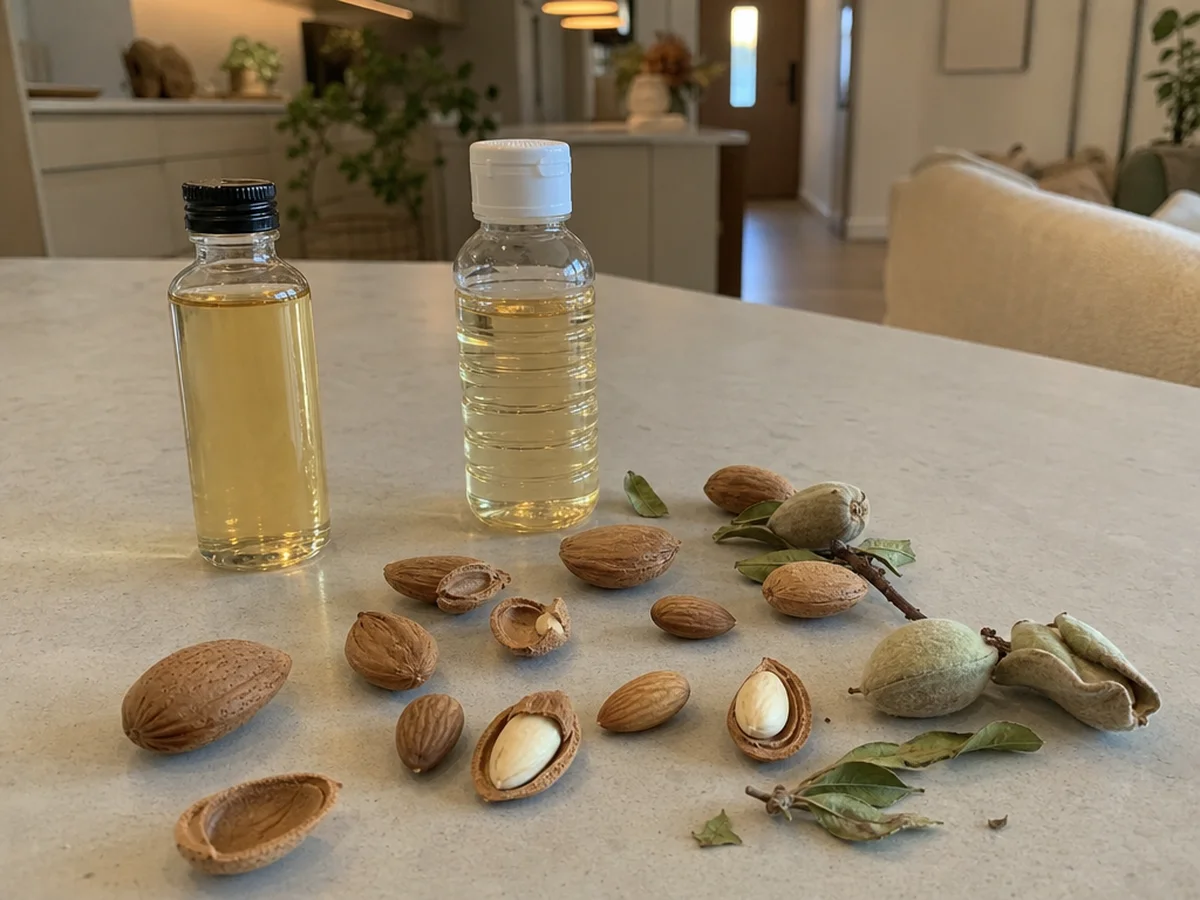
One last point: quality and suitability are different questions. An oil can be exactly what the label says and still be wrong for a particular person. Almond is a tree nut, our oil is unrefined so almond protein remains, and anyone with a tree nut allergy should not use it.

Sweet Almond Oil
Sweet Almond Oil from our own shop, in sizes from 0.5 oz to bulk.
From $9.99
Shop Now →Sources & Further Reading
- Berkkan A, Dede Türk BN, Pekacar S, et al. Evaluation of Marketed Almond Oils [Prunus dulcis (Mill.) D.A. Webb] in Terms of European Pharmacopoeia Criteria. Turk J Pharm Sci, 2022
- Özcan MM, Al Juhaimi F, Ghafoor K, et al. Characterization of physico-chemical and bioactive properties of oils of some important almond cultivars by cold press and soxhlet extraction. J Food Sci Technol, 2020