Almond Oil for Dark Spots: Find the Cause First
A dark spot is a symptom, not a diagnosis. The mark left by a breakout, the patches that arrived with pregnancy and the freckle that has started to change are three different stories, and each one calls for a different plan. That is why the most useful thing we can offer is a way to sort out which story you are in.
What tends to cause them
The American Academy of Dermatology lists the common causes of dark spots: pimples or psoriasis patches clearing, wounds from bites, cuts or burns healing, certain medications, skin or hair care products that irritate the skin, and hormonal changes such as pregnancy. When a skin condition is behind the spots, the condition comes first. And the Academy says not to stop a prescribed medication on your own, even if you suspect it.
Melasma is a case of its own. The Academy says it often first appears during pregnancy or when someone starts birth control pills, is most common in women with medium to dark skin tones, and tends to show up on the cheeks, forehead, chin and above the upper lip. A dermatologist can confirm whether it is melasma, and people who are pregnant are advised to wait until after delivery to start treatment. A single spot that is new, changing or asymmetrical deserves a dermatologist's eyes as well. We cannot tell from a description, and neither can an oil.
Sun comes first
Almost every dermatology source puts sun protection at the front of the plan, because sunlight can darken spots further. For darker skin tones, the Academy recommends a tinted sunscreen containing iron oxide, which helps with visible light, in SPF 30 or higher, broad-spectrum and water-resistant, reapplied every two hours and after swimming or sweating. A hat helps too. Plain almond oil is not a sunscreen, and our post on almond oil and sunscreen explains why.
The same Academy page names ingredients that dermatologists may suggest for fading spots, including azelaic acid, glycolic acid, kojic acid, retinoids and vitamin C. A plain carrier oil is not on that list, and we would not want anyone to wait on a bottle of ours when a dermatologist could point them to something better matched.
Where a gentle oil fits
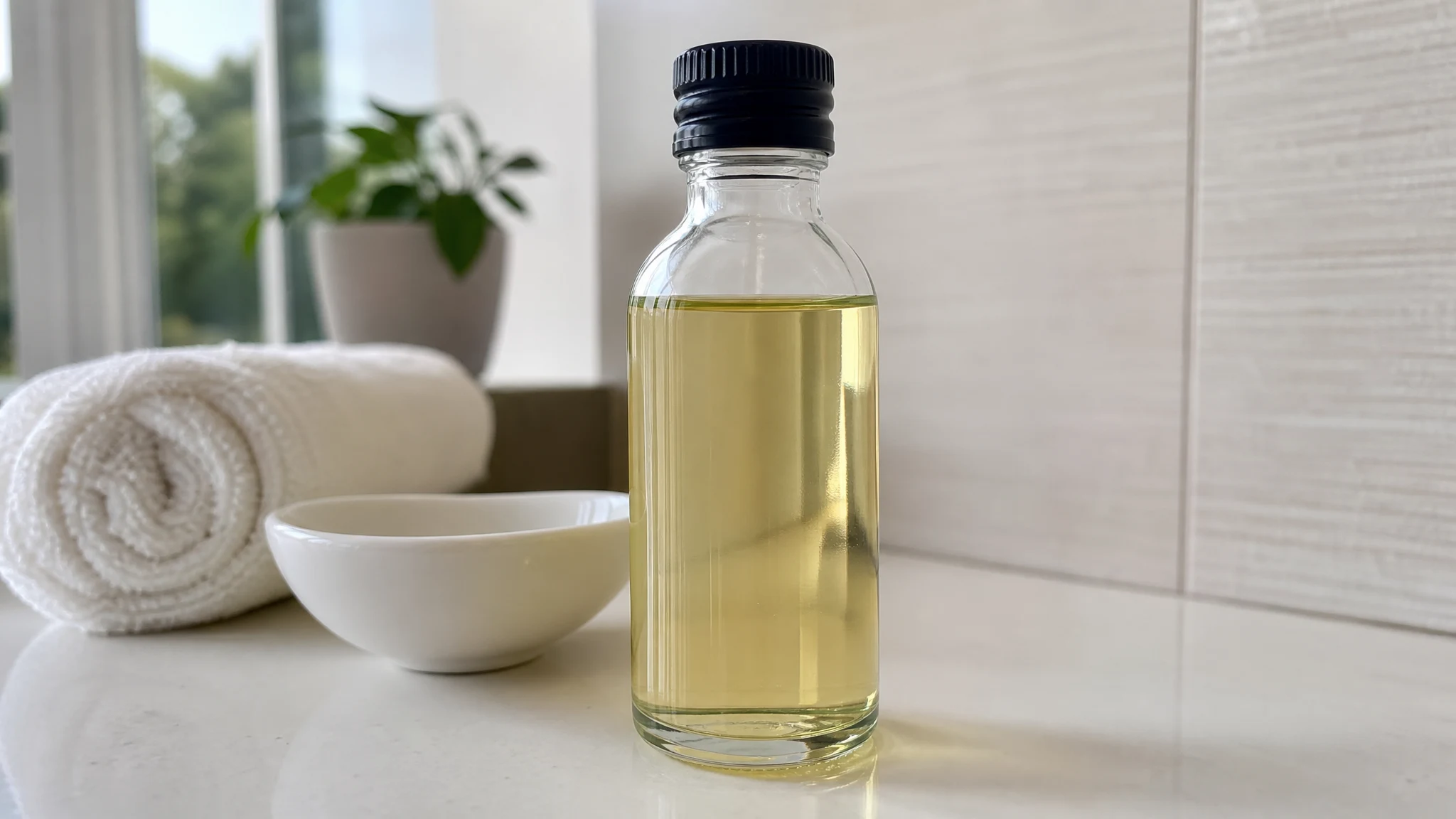
Here is the role we can stand behind. Several of those causes involve skin that has been bothered, whether by a breakout, a scrape or an irritating product. Skin in that state is usually happiest when treated kindly, and a moisturizer can help it feel soft and comfortable. Cold-pressed sweet almond oil moisturizes dry skin and leaves it feeling smooth, and its light, subtly nutty aroma makes the routine pleasant. That is a comfort measure, not a spot treatment. It is reasoning from the dermatology advice rather than a finding about almond oil: if you use an oil on spotted skin, use light hands and skip anything scrubby.
Oily or breakout-prone skin may not want an oil at all. The Academy's moisturizer advice says people with oily skin can consider skipping moisturizer or using a gel, while dry skin does better with a cream or ointment. Our acne-prone skin FAQ goes through that question, and our skin guide covers what an oil does on any skin type.
Keep a simple record
A phone photo taken in the same light each month makes slow changes easy to see, and it gives a dermatologist something to compare. Note when a spot appeared, whether it itches or bleeds, and what you were using on your skin at the time. It takes a minute and turns a vague worry into something specific.
Be wary of quick lightening creams
If a product promises dramatic change in days, it deserves a hard look. The Academy warns that some imported skin products have been found to contain steroids or mercury that are not on the label, and that steroids can cause thin skin or permanent discoloration. It also says never to use liquid bleach on skin. The FDA states that there are no FDA-approved or legally marketed over-the-counter skin lightening products, and says mercury-containing products can pose neurological and kidney risks, with a higher risk for children and pregnant people. Its advice is to avoid them and talk to a health care professional. Choosing products made in the United States or recommended by a dermatologist is the Academy's guidance.
Before you use any oil on your face
Almond is a tree nut. Ours is unrefined, so trace almond protein is present, and if you have a tree nut allergy you should not use it. The American Academy of Allergy, Asthma and Immunology notes that cold-pressed oils tend to retain protein that refined oils usually lack. Test any new product on a quarter-sized spot on the inner arm, twice a day for 7 to 10 days, and stop at redness, itching or swelling; that is the dermatologists' method, and our patch testing guide walks through it. We sell an external cosmetic oil, and we make no medical claims.
Gentle habits while you wait
Wash with a mild cleanser, pat dry instead of rubbing, and make picking at blemishes a habit worth dropping. Introduce one new product at a time so you can tell what your skin is reacting to.
The short version is that good sun habits and a dermatologist's diagnosis do the heavy lifting, and a comfortable moisturizing routine is a kind thing to add alongside them.

Sweet Almond Oil
Sweet Almond Oil from our own shop, in sizes from 0.5 oz to bulk.
From $9.99
Shop Now →Sources & Further Reading
- American Academy of Dermatology, How to fade dark spots in darker skin tones
- American Academy of Dermatology, Melasma: Overview
- American Academy of Dermatology, How to pick the right moisturizer for your skin
- American Academy of Dermatology, How to test skin care products
- US Food and Drug Administration, FDA Warns Consumers of Skin Products Containing Mercury and/or Hydroquinone
- American Academy of Allergy, Asthma and Immunology, Food allergy: nut oils in topical products