Almond Oil for Cradle Cap? What Pediatric Sources Say
Cradle cap looks worse than it is: yellowish, greasy scales on a baby's scalp that make many new parents reach for whatever oil is nearby. Because almond oil is a natural first guess, we looked at what pediatric sources recommend, and the answer is reassuring, though it points away from almond oil for babies.
If you are reading this in the middle of the night with a baby on your shoulder, take a breath. The sources below are reassuring, and the plan they describe is simple and gentle.
What cradle cap is, in plain terms
MedlinePlus describes cradle cap as a form of seborrheic dermatitis on an infant's scalp. Nobody knows the exact cause, but providers think the scalp's oil glands make too much oil. It is not contagious, not caused by poor hygiene, not an allergy and not dangerous. The American Academy of Pediatrics says it typically clears by itself within weeks to months, and most cases are gone by age 1, though some toddlers keep a little mild flakiness. MedlinePlus says that in some children it lasts until age 2 or 3.
That timeline is the calmest part of the story. This is a very common, harmless scalp condition that is mostly about patience and gentle washing.
Small things that help parents
Whatever the scalp looks like, a few ordinary habits make life easier. Keep a soft baby brush just for the scalp, wash and dry it after use, and keep your own nails trimmed. Take a photo of the scalp every few days with your phone. It makes it easy to show your pediatrician what has changed, and to see for yourself whether things are changing at all.
What the pediatric guidance suggests
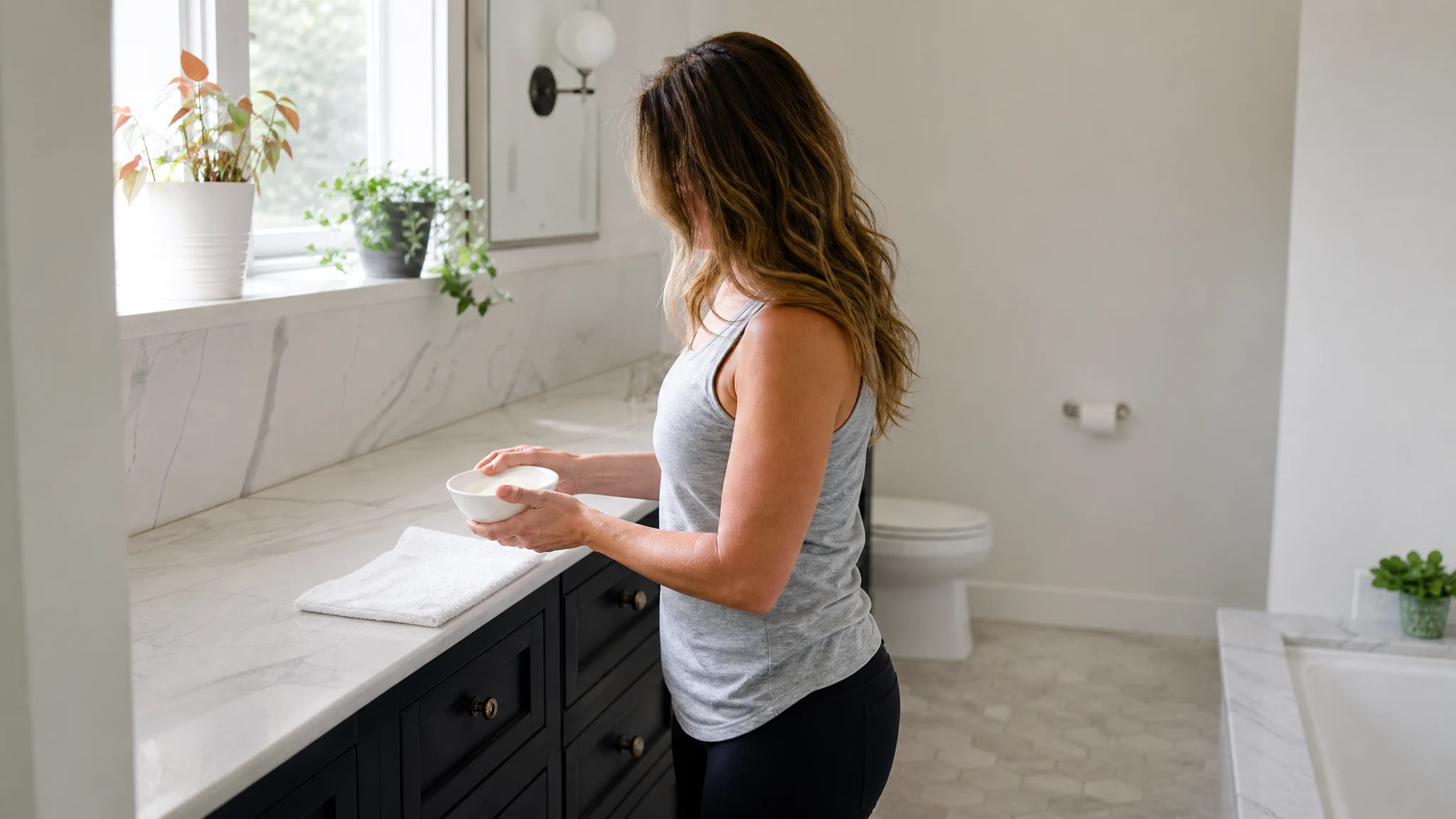
For stubborn scales, the AAP page suggests a small amount of "mineral oil, coconut oil or petroleum jelly" left on overnight, then washing and gently brushing or massaging the scalp. MedlinePlus suggests mineral oil with warm, wet cloths for up to an hour before shampooing, and reminds parents to keep the cloths warm because babies lose heat through the scalp. The AAP adds that washing every other day with a mild baby shampoo suits most babies, and that you should check with your pediatrician before trying a medicated shampoo.
Notice what is on those lists and what is not. Almond oil is not named by either source.
Why we do not point parents toward almond oil
There are two reasons, and both are practical.
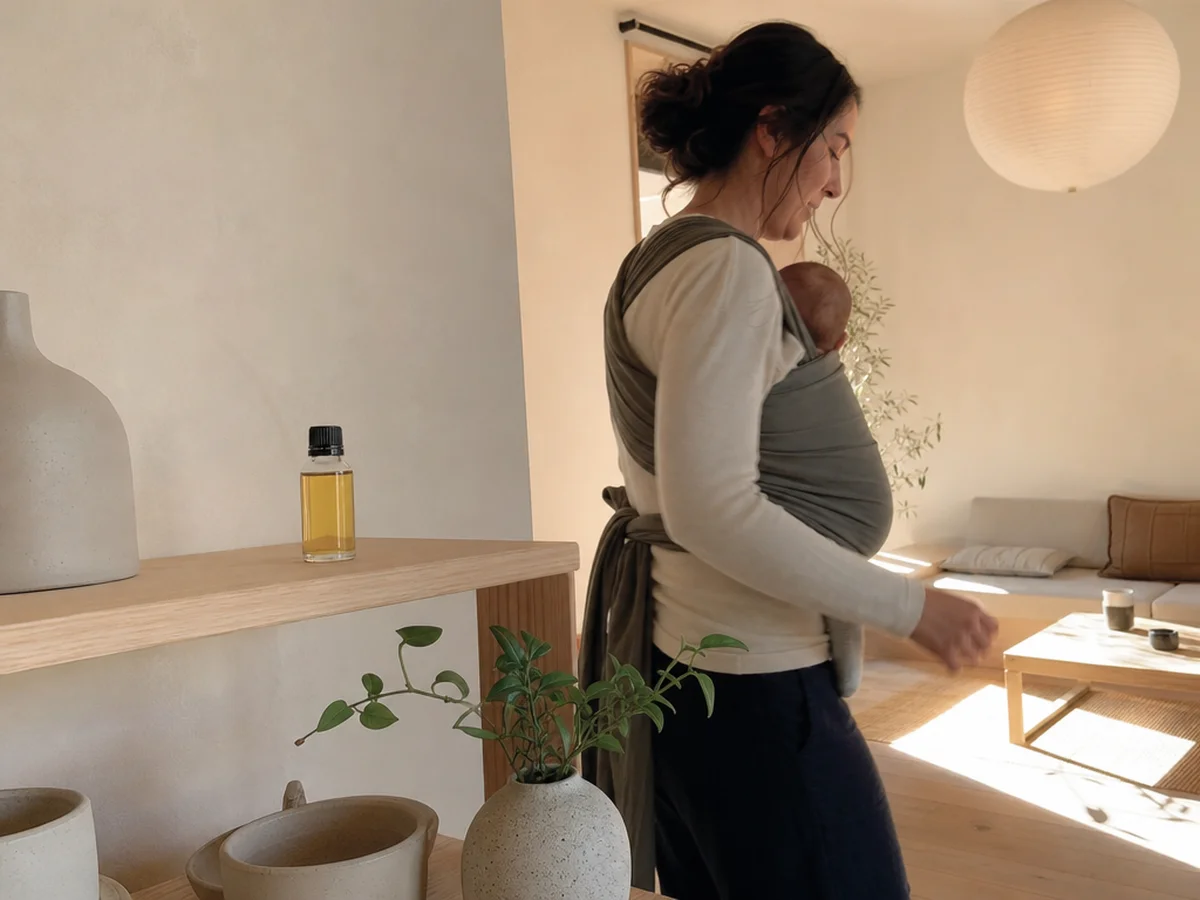
It is a tree nut oil. When the AAP writes about oils for baby massage, it suggests a natural option such as coconut and says not to use nut-based oils, because they might cause an allergic reaction. Our oil is cold-pressed and unrefined, so trace almond protein is present, and our own guidance is that anyone with a tree nut allergy should not use it. We do not market it for babies.
The evidence on oils and newborn skin is still being worked out. A pilot trial at Saint Mary's Hospital in Manchester followed 115 newborns given olive oil, sunflower oil or no oil, with a few drops applied twice a day for 28 days. The oiled babies' skin tended to be better hydrated, but skin barrier development was delayed in both oil groups. The researchers advised avoiding olive and sunflower oil on newborn skin and called for more research on other oils. Almond oil was not in that trial, so it tells us nothing direct about it. What it does tell us is that "natural" and "harmless for a newborn" are not the same thing, and that this is a question for your pediatrician.
A quick checklist for bath time
- Use warm water, not hot.
- Choose a mild baby shampoo, as the AAP describes.
- Pat dry with a soft towel instead of rubbing.
- Keep fingernails off the scales, yours and your baby's.
- Wash your hands before and after.
Nothing on that list needs a special product, which is part of why the plain approach is appealing.
When to call the doctor
Both sources agree on the signals. Call if the scales become crusted, weepy or develop pus-filled bumps, if the skin is very red or painful, if there is oozing, a smell or swelling, if a rash appears elsewhere on the body, or if your baby develops a fever or seems uncomfortable. Skip the home remedies and make that call.
A word for tired parents
Cradle cap is one of those things that makes new parents feel they must be doing something wrong, and the sources above are clear that they are not: it is not caused by poor hygiene. If you feel worried, call your pediatrician's office. That is what the line is for, and a short question is always welcome.
What we can offer
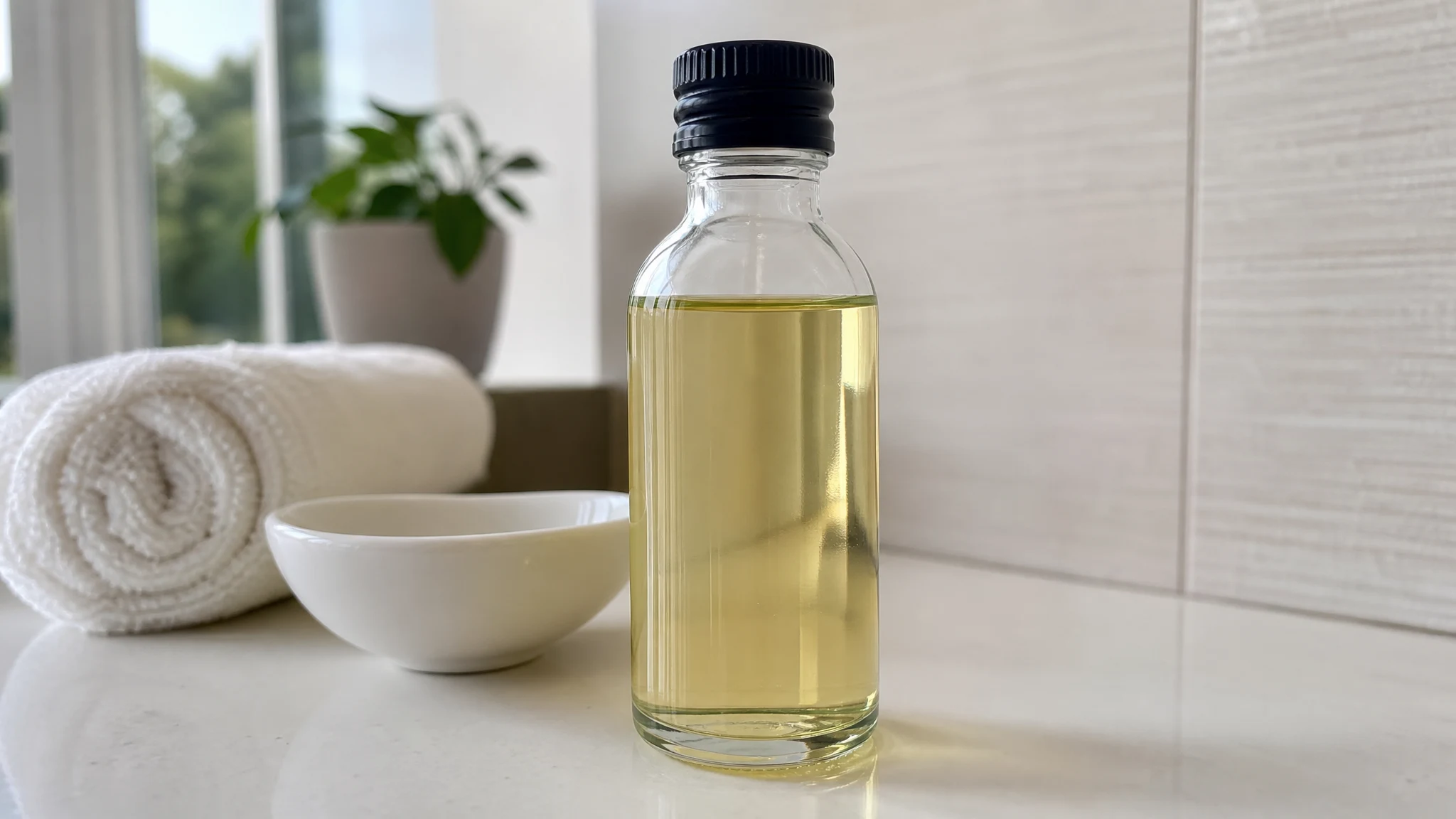
We sell a sweet almond oil for external cosmetic use, and we make no claims about it for cradle cap or any other condition. If you are curious about how oil and infant skin come up elsewhere, our posts on baby massage and homemade baby oil go through the evidence, and almond oil and nut allergies explains the allergy side.
For a baby with cradle cap, the kindest plan is usually the simplest: gentle washing, a soft brush, time, and a pediatrician on speed dial.

Sweet Almond Oil
Sweet Almond Oil from our own shop, in sizes from 0.5 oz to bulk.
From $9.99
Shop Now →