Almond Oil After Sunburn: What the AAD and NHS Advise
When your shoulders are glowing red at the end of a beach day, the cupboard instinct is to reach for whatever feels soothing. Before an oil of any kind, though, there is a short list of things two health authorities agree on, and it is worth having it in your head.
The evening after too much sun has its own mood: the skin feels tight and warm, and even a soft shirt can seem rough. It is tempting to try something from every shelf. Slow down for a moment. Most of the useful steps cost nothing and involve a tap, a towel and a glass of water.
What the AAD and NHS suggest
The American Academy of Dermatology starts with getting out of the sun, then taking frequent cool baths or showers, using a moisturizer with aloe or soy on skin that is still damp, and using a cool damp washcloth or calamine. It recommends drinking extra water, and says not to pop blisters, since they help skin recover. The NHS agrees on cooling the skin with a shower, bath or damp towel, and suggests aftersun or an unperfumed moisturiser. It says sunburn usually improves within a week, advises against ice, and says to get urgent help if skin is blistered or swollen, if you have a very high temperature, or if you feel dizzy or sick. Sunburn in a baby or young child needs medical advice.
Neither page mentions oils, so almond oil is not on either list. We read that as a gentle steer: the first job after sun is cooling and water, and an oil is made of fat with no water in it, so it does a different job from the products those pages describe.
If you are standing in the pharmacy aisle, the staff there can usually point you to the products the two pages describe. It is a quick question and a sensible one to ask.
A note on petroleum jelly
You may notice the two pages differ on petroleum jelly. The AAD suggests it over blisters, while the NHS says not to use it on sunburnt skin. We are not dermatologists, and we will not referee. It is a reminder that heavy, water-free products on a fresh burn are something to ask a pharmacist or doctor about first.
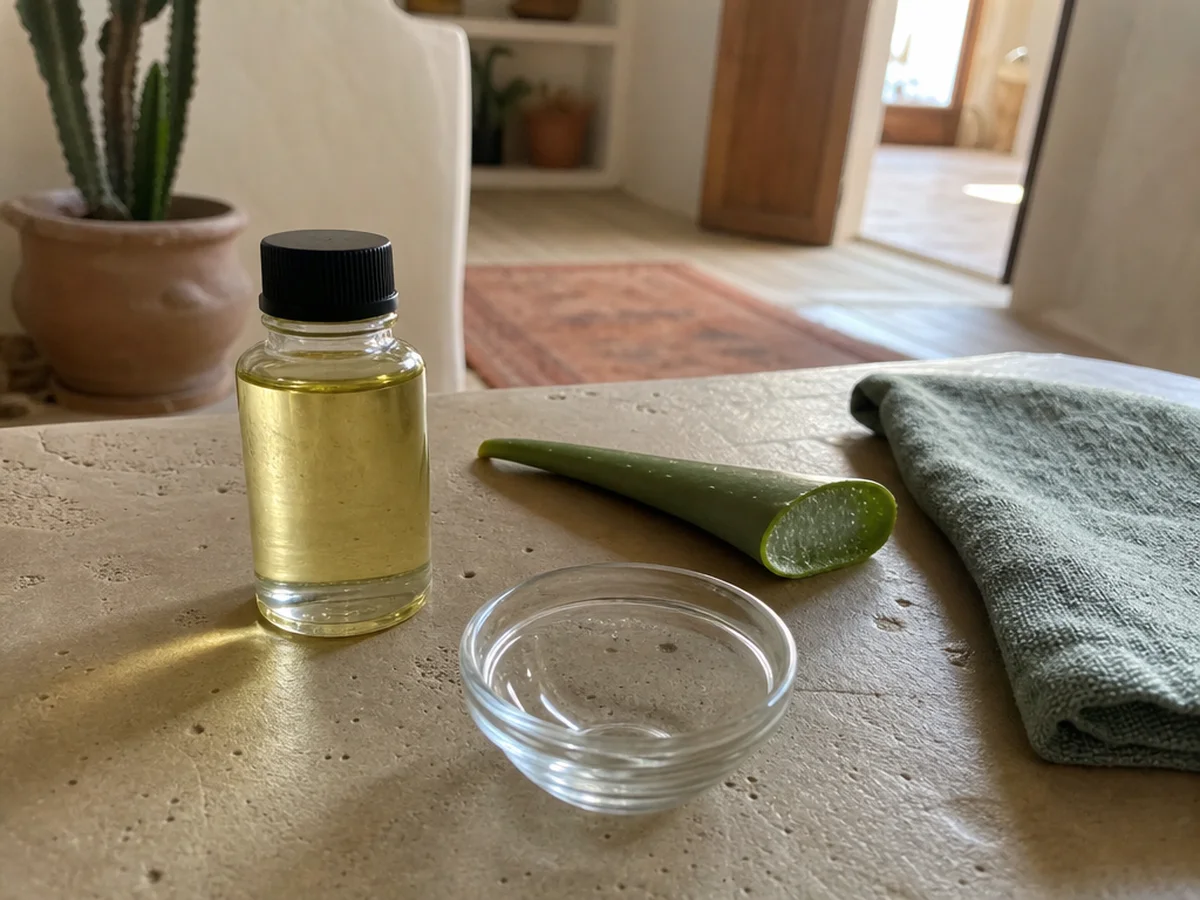
Why we hold our oil back for burned skin
Our sweet almond oil is cold-pressed and unrefined, so trace almond protein is present, and anyone with a tree nut allergy should not use it. Allergists describe topical nut oil reactions as an under-studied area. There is also one study that makes us cautious about newly introducing a nut oil to inflamed skin. A large British study of children found peanut allergy was linked to skin preparations containing peanut oil, and the authors suggested sensitization may happen through inflamed skin. It was peanut, not almond, and an association, not proof. But burned skin is inflamed skin, so we would pick another day to try a new nut oil.
While you wait for the skin to settle
Beyond the official advice, a few ordinary comforts are worth having. Wear loose, soft clothing in a breathable fabric, keep the room cool, and pat skin dry with a clean towel instead of rubbing. Keep a water bottle where you can see it. Take off any watch, ring or bracelet that presses on tender skin. This part is common sense, not something the AAD or NHS pages we quoted spell out, so treat it that way.
When an oil comes into its own
Once the burn has settled and the skin is simply dry, the question becomes ordinary dry-skin care, and that is where a carrier oil can be pleasant. Skin that has finished peeling, with no tree nut allergy in the picture, can enjoy a thin layer of oil for its soft, smooth feel. Patch test first, as we describe in our patch test guide, and see our dry skin article for what almond oil has been compared with in small studies. The AAD's moisturizer advice leads with creams and ointments for dry skin, so think of an oil as one option among several.
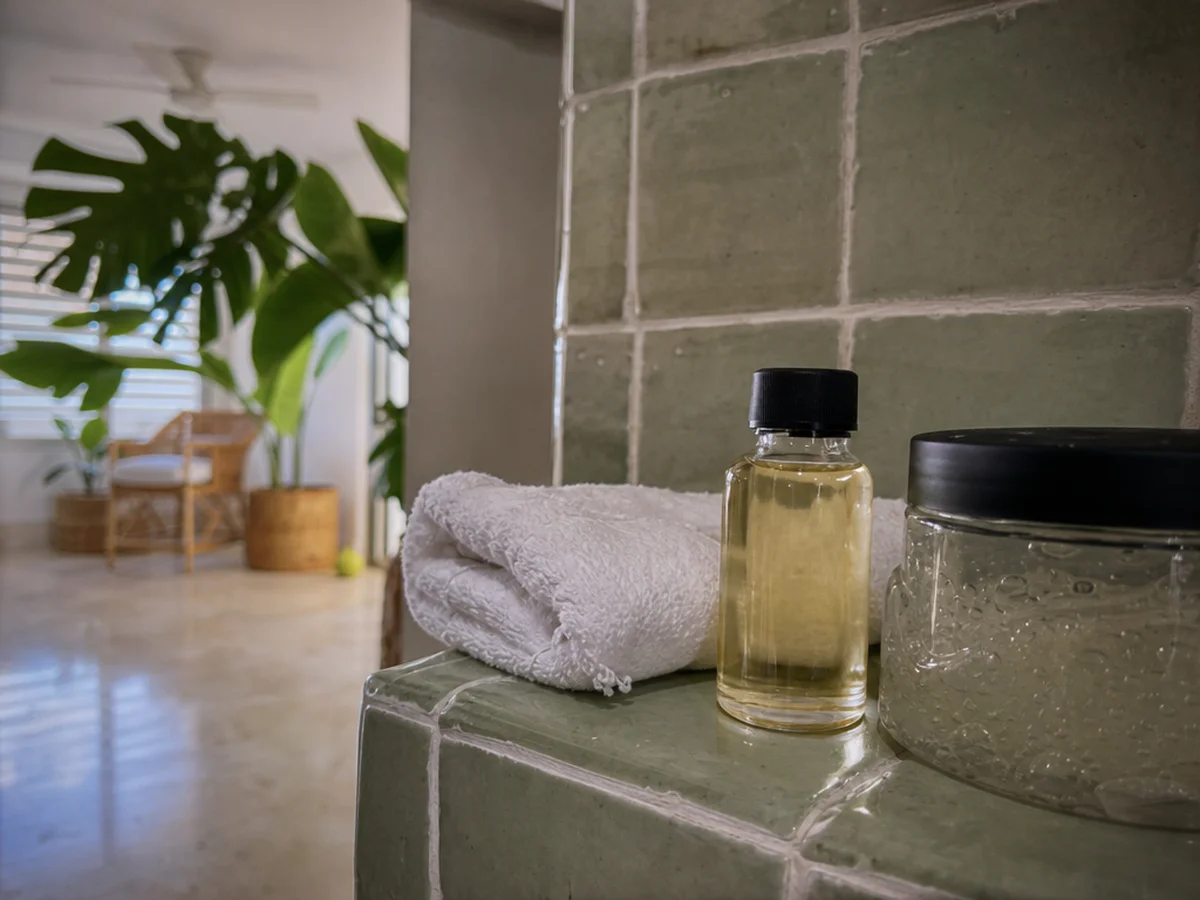
What to expect from an oil once skin is dry again
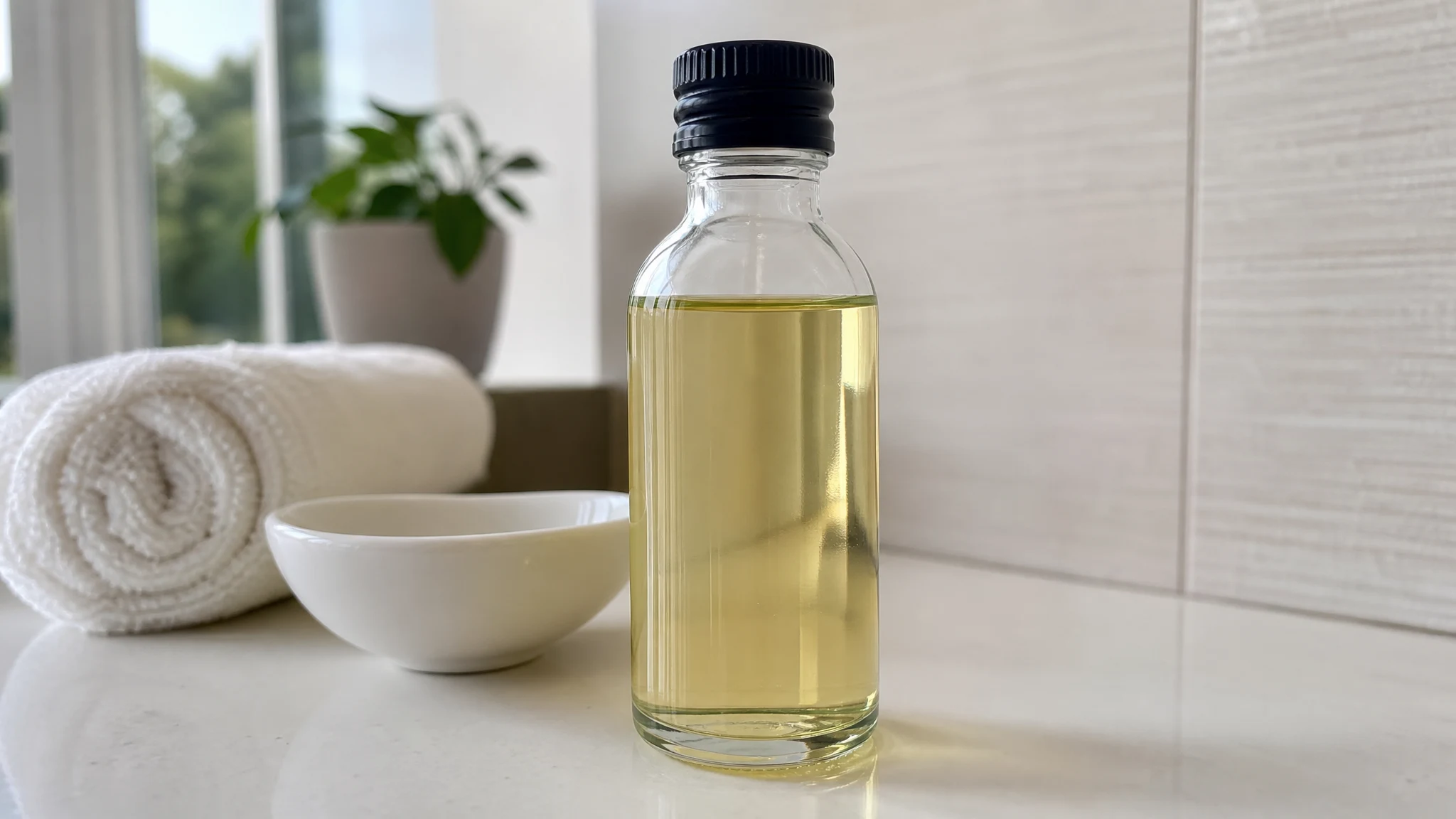
When the peeling is done, the skin underneath is new and often a little dry. If you decide an oil suits you, you will notice that almond oil is light and fluid, with a faint golden color and a soft nutty scent that does not hang around. Warm a few drops between your palms rather than pouring a pool, and press it onto slightly damp skin. Wait for a calm patch, not the pink, tender edge of the burn.
Sun protection is a separate subject
An oil is not sun protection, and we publish no SPF figure for ours. The AAD recommends broad-spectrum sunscreen with SPF 30 or higher. We go through this in our piece on almond oil and sunscreen.
Planning for next time
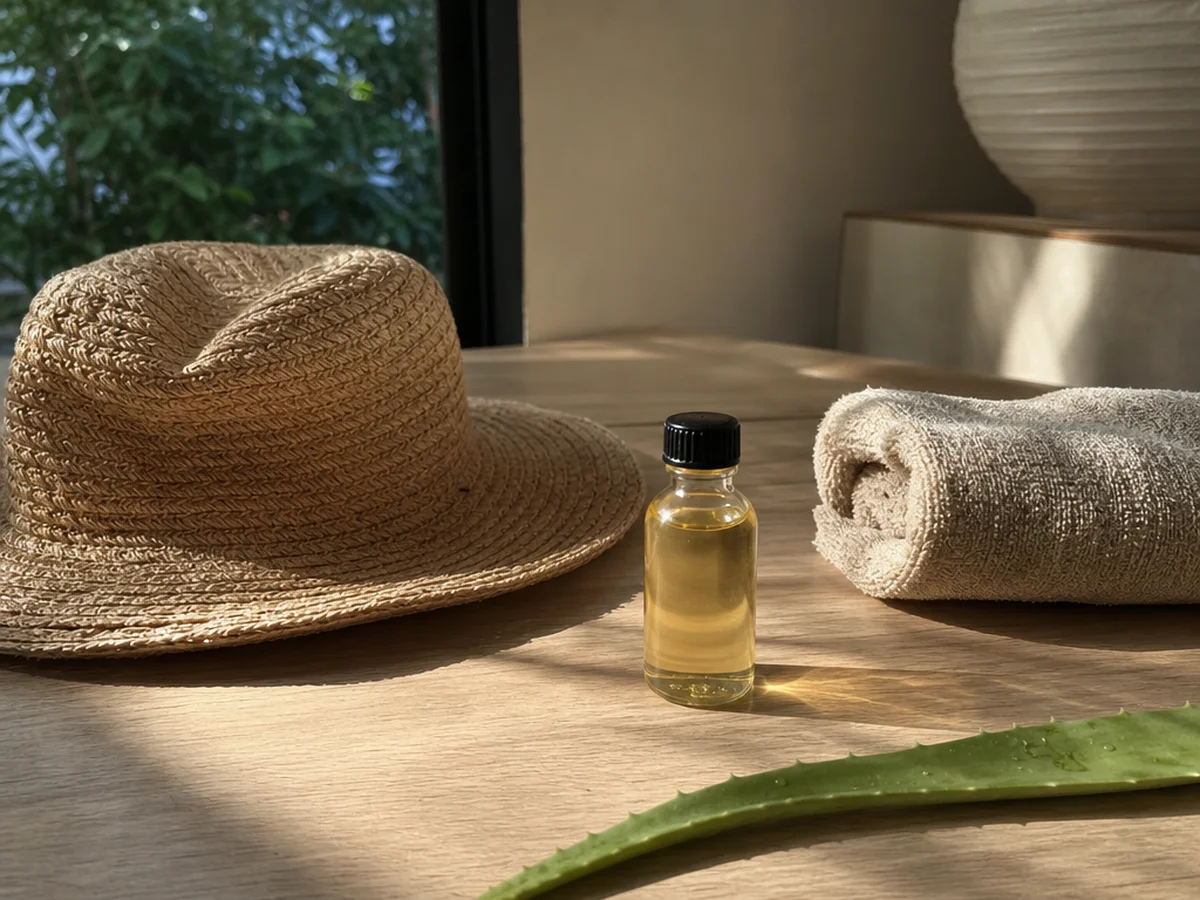
The kindest thing you can do for next summer's skin is to make the plan boring: a hat by the door, shade at midday, and sunscreen applied the way its label describes. Boring plans are the ones that keep the red shoulders away.
So the short version for today: cool the skin, drink water, follow what the AAD and NHS list, and see a doctor if things look severe. Keep the almond oil for the days after, when the skin is calm and ready for an ordinary moisturizing routine.

Sweet Almond Oil
Sweet Almond Oil from our own shop, in sizes from 0.5 oz to bulk.
From $9.99
Shop Now →