Almond Oil for Massage: Allergies, Blends, Laundry
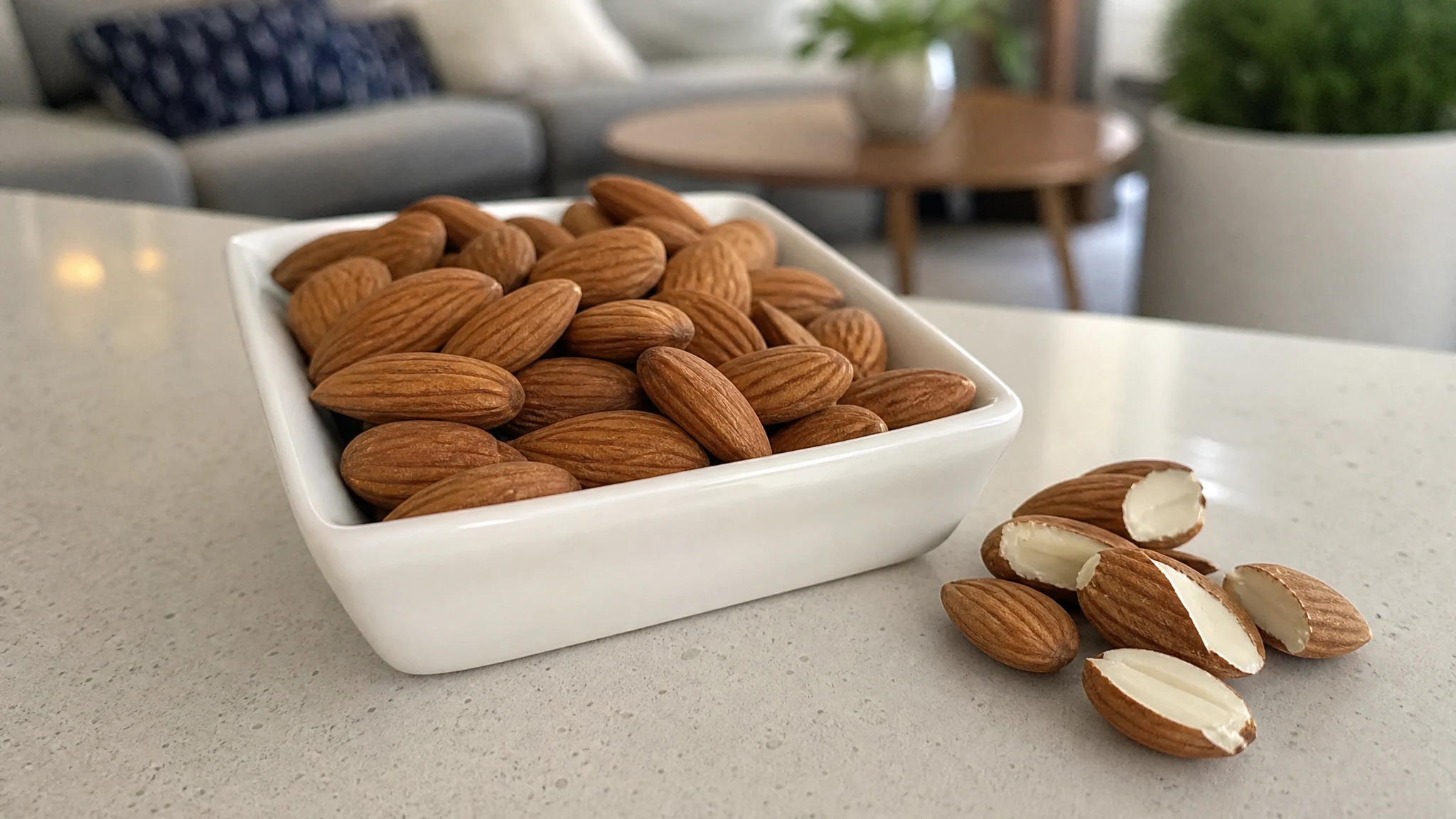
Before the first stroke of any massage there is a question that matters more than technique: does the person on the table have a tree nut allergy? Almond is a tree nut, and our sweet almond oil is cold-pressed and unrefined, so it keeps its natural almond protein. Everything else about using it for massage, from the glide to the scent to the laundry afterward, builds on that one answer.
Put the nut question on the intake form
An allergist answering a question for the American Academy of Allergy, Asthma and Immunology explains that refined nut oils generally lack protein, while unrefined, cold-pressed nut oils keep it. She adds that topical exposure has not been well studied, and she encourages people to ask a manufacturer whether a nut oil is refined. Ours is not, and we say so plainly: anyone with a tree nut allergy should not use it.
For a practice, that translates into one extra line on the intake form and a second oil on the shelf for clients who answer yes. A massage supply house or your usual vendor will have a non-nut option ready. It takes thirty seconds and it means almond oil can be the default for everyone else without a second thought. For babies and young children, see our baby massage article, which reports what the pediatric authorities say.
What the oil feels like under your hands
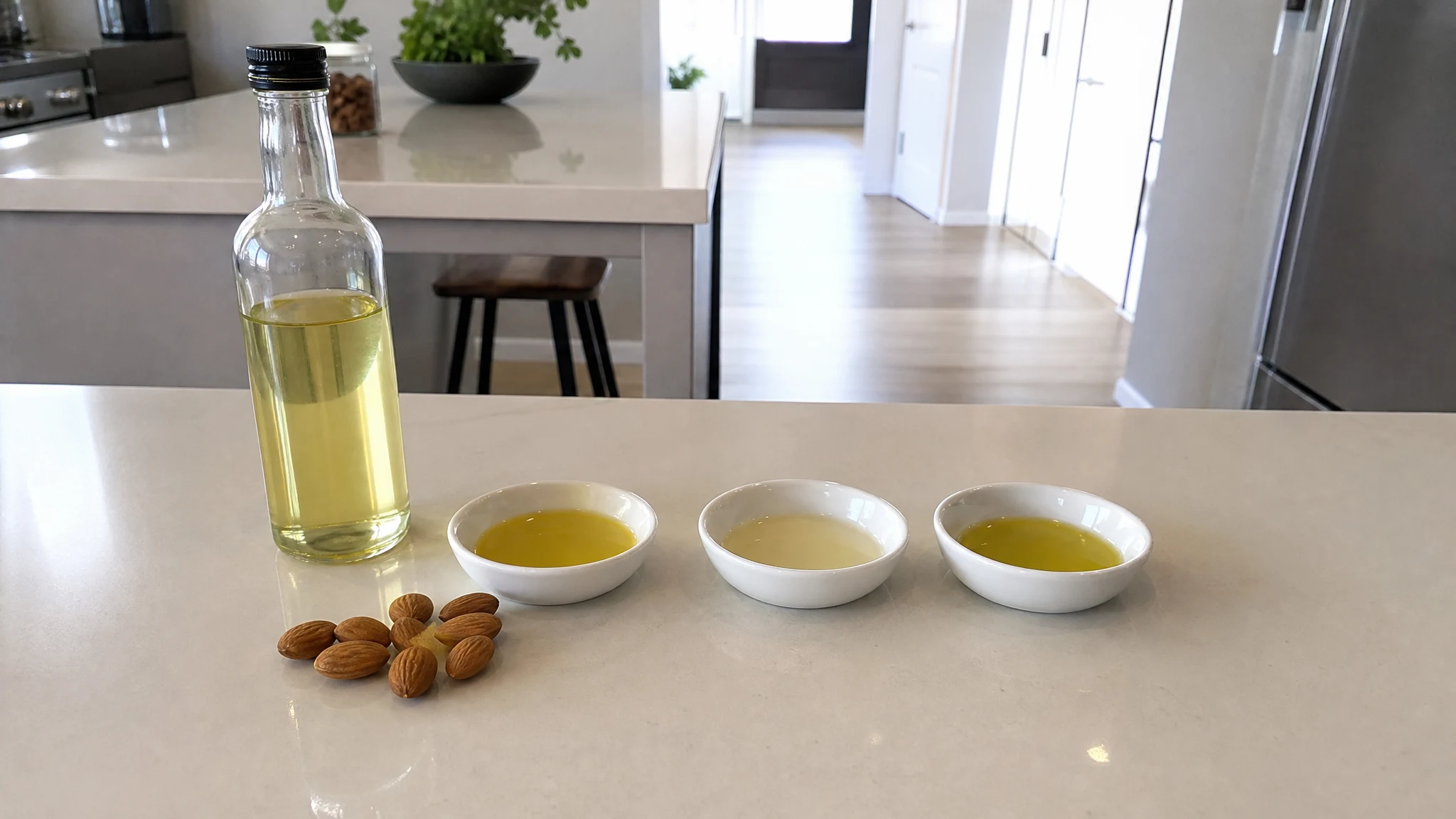
Almond oil has a soft glide and absorbs quickly, with a non-greasy finish, which is much of why it became a familiar massage base. Its aroma is soft, subtly nutty and lightly sweet, gentle enough that it stays in the background. That also makes it a good partner for essential oils: it blends well with lavender, rose, geranium, chamomile, sandalwood and ylang ylang without masking them.
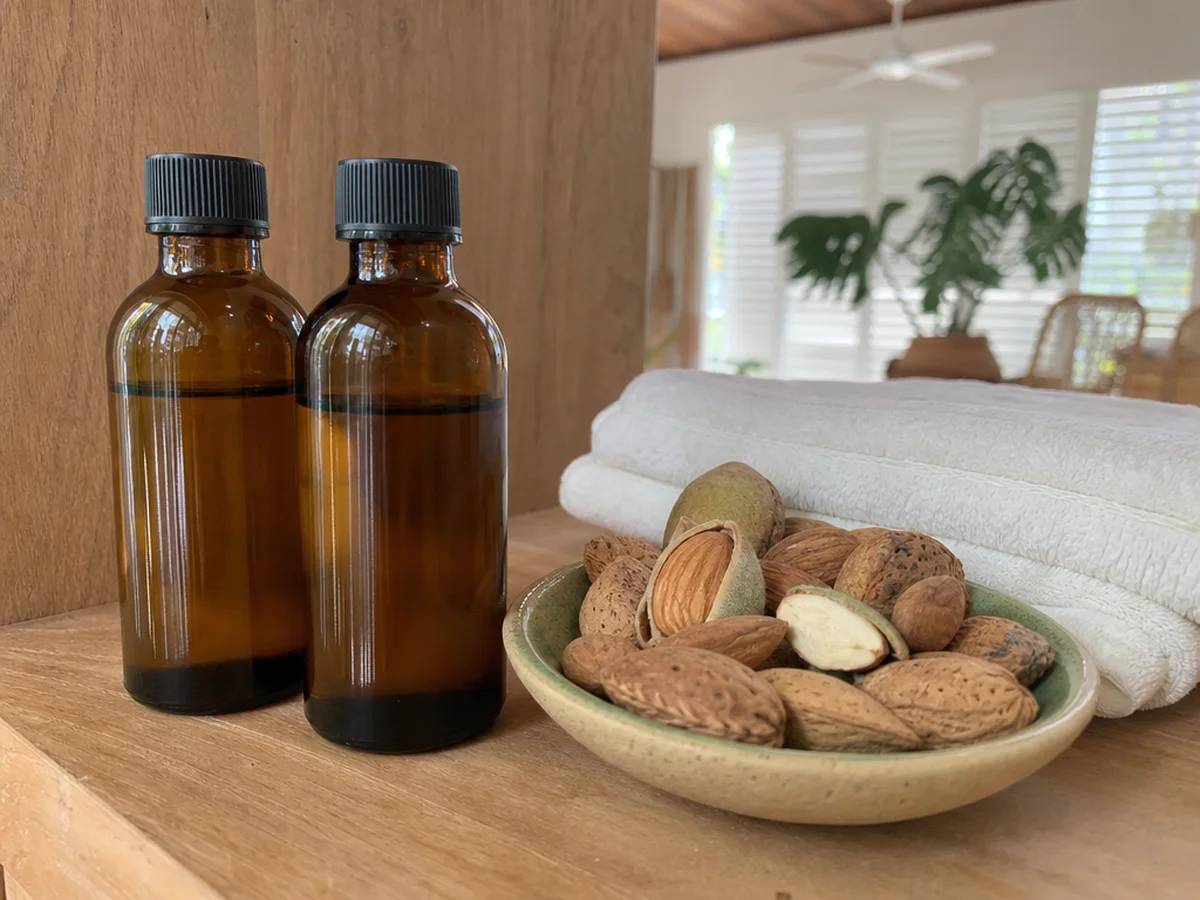
One small habit makes sessions smoother: decant a little oil into a clean, dry bottle for the session, rather than dipping hands into the main supply. Warm a little in your palms before it touches the client, and you will notice the oil spreads more evenly and the first contact feels less of a surprise.
On skin itself, a small randomized pilot in people with dry skin had participants apply almond, coconut or jojoba oil, or white petrolatum, twice a day for two weeks. All four raised skin hydration, with no significant differences among them, and almond oil was the one participants liked most. That is a study about leave-on moisturizing rather than massage technique, but it fits what you would hope for from a body oil: it leaves skin feeling soft, and people enjoy using it.
Scenting a blend: think in grams
If you add an essential oil (we do not sell them, so you will source those from your own supplier), the percentage is what matters. The Tisserand Institute lists 1% to 3% for body oils and lotions, 0.5% to 1.2% for facial products, and 0.2% to 1% for skin that is reaction-prone or impaired. Work by weight where you can. At the density of the batch on our Certificate of Analysis, 0.918, 250 ml of almond oil weighs about 229.5 g, so by simple arithmetic a 1% blend needs about 2.3 g of essential oil and a 2% blend about 4.6 g. Tisserand points out that drop conversions are always approximate, which is why a scale beats counting.
Our suggestion, reasoning from those ranges, is that a therapist who sees many different clients will do well near the low end and keep an unscented bottle for anyone who prefers it, since you rarely know a client's full skin history. If you want a worked ratio for adults, our lavender massage oil post walks through one. For children, check with their pediatrician before adding any scent.
The step after the session: the linens
This is the part most oil articles skip, and it protects your business. An insurer's loss-control article describes a fitness center fire that began when sheets holding massage oils went into a dryer; the business closed for more than six months. Its advice is simple and easy to build into a routine. Wash oiled linens at 104 F or hotter, dry them on low heat below 125 F, split big stacks into smaller piles so they can cool, process them promptly, and keep any that must wait in a metal container with a self-closing lid.
That guidance covers massage oils and essential oils in general, and a UK fire and rescue service takes the same line about emollients: there is a fire risk with all of them, washing at high temperatures reduces build-up but does not remove it entirely. So treat every oil-bearing towel the same way, whichever oil it carries, and clean the lint trap after every load.
Buying for a practice
If you go through oil quickly, the bulk page and the wholesale page cover larger sizes, samples and private label. The Certificate of Analysis we publish is for one batch and lists density, refractive index and optical rotation. If your practice or your insurer wants peroxide value, fatty acid or aflatoxin results for the lot you are buying, ask us in writing through the contact page and we will point you to the lot paperwork. Oil that has gone past about a year from pressing, or that smells off, belongs in the bin, not on a client.
Our oil is for external cosmetic use and we make no medical claims, so skin that is broken, rashy or recently injured should be checked by a clinician before anyone massages it. For everyone else, a patch test on a small area (see our patch test guide) is a courteous first step with a new client.
A good session ends well before the table is wiped down: the intake form is signed, the oil suits the person, and the linens are in the wash at the right temperature.
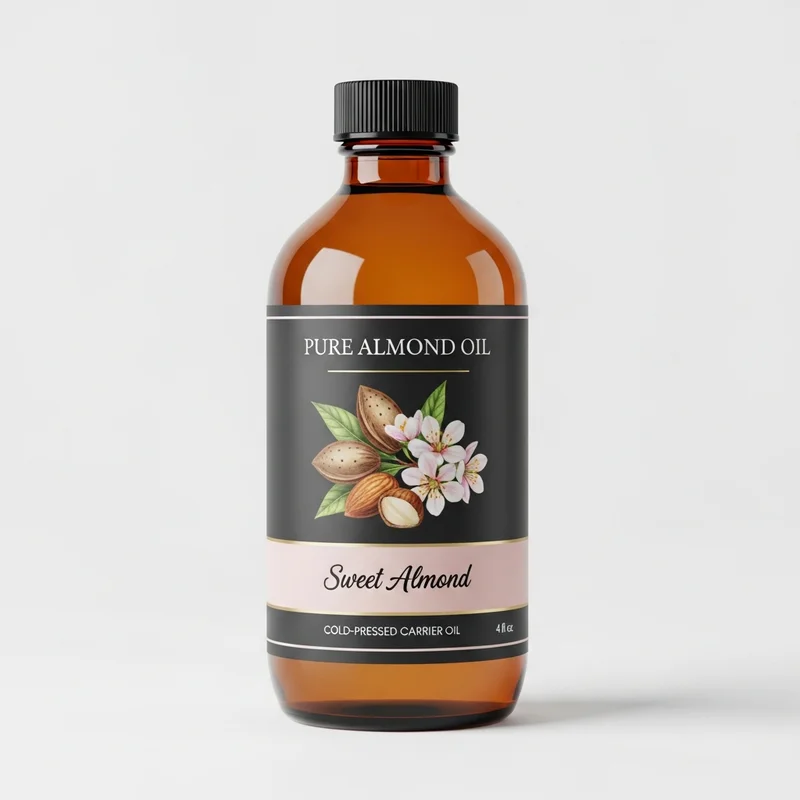
Sweet Almond Oil
Sweet Almond Oil from our own shop, in sizes from 0.5 oz to bulk.
From $9.99
Shop Now →Sources & Further Reading
- Food allergy: nut oils in topical products, American Academy of Allergy, Asthma and Immunology
- Multi-Center Randomized Clinical Study of The Effects of Natural Oils on Xerosis and Skin Barrier Properties, SKIN The Journal of Cutaneous Medicine
- Dilution for essential oils, Tisserand Institute
- Avoid Fires from Massage Oils, Great American Insurance Group
- Emollients, Cambridgeshire Fire and Rescue Service