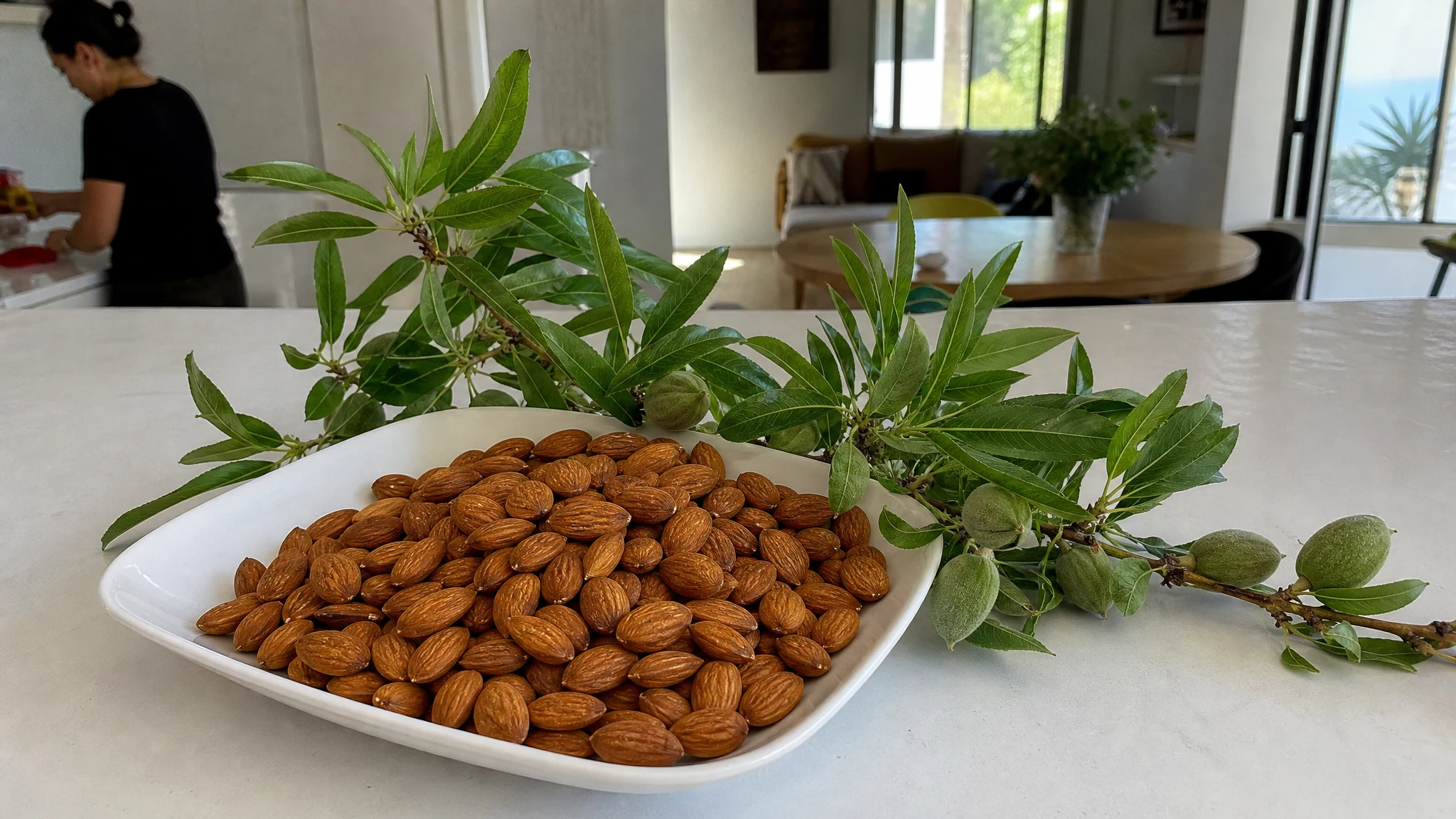
Organic Almond Oil: What the Label Really Means
"Organic" on a bottle of almond oil sounds like one simple promise, but it is really three different things: a legal term, a farming and handling standard, and a marketing word. Knowing which one you are looking at makes shopping for any plant oil easier, and it helps you ask better questions of any seller, ourselves included.
Who decides what organic means
The FDA, which regulates cosmetics, notes that the term "organic" is not defined in the Federal Food, Drug, and Cosmetic Act or in its own regulations. The USDA National Organic Program supplies the definition and runs the certification, and a cosmetic that makes an organic claim has to meet both the USDA rules for the claim and FDA rules for labeling and safety.
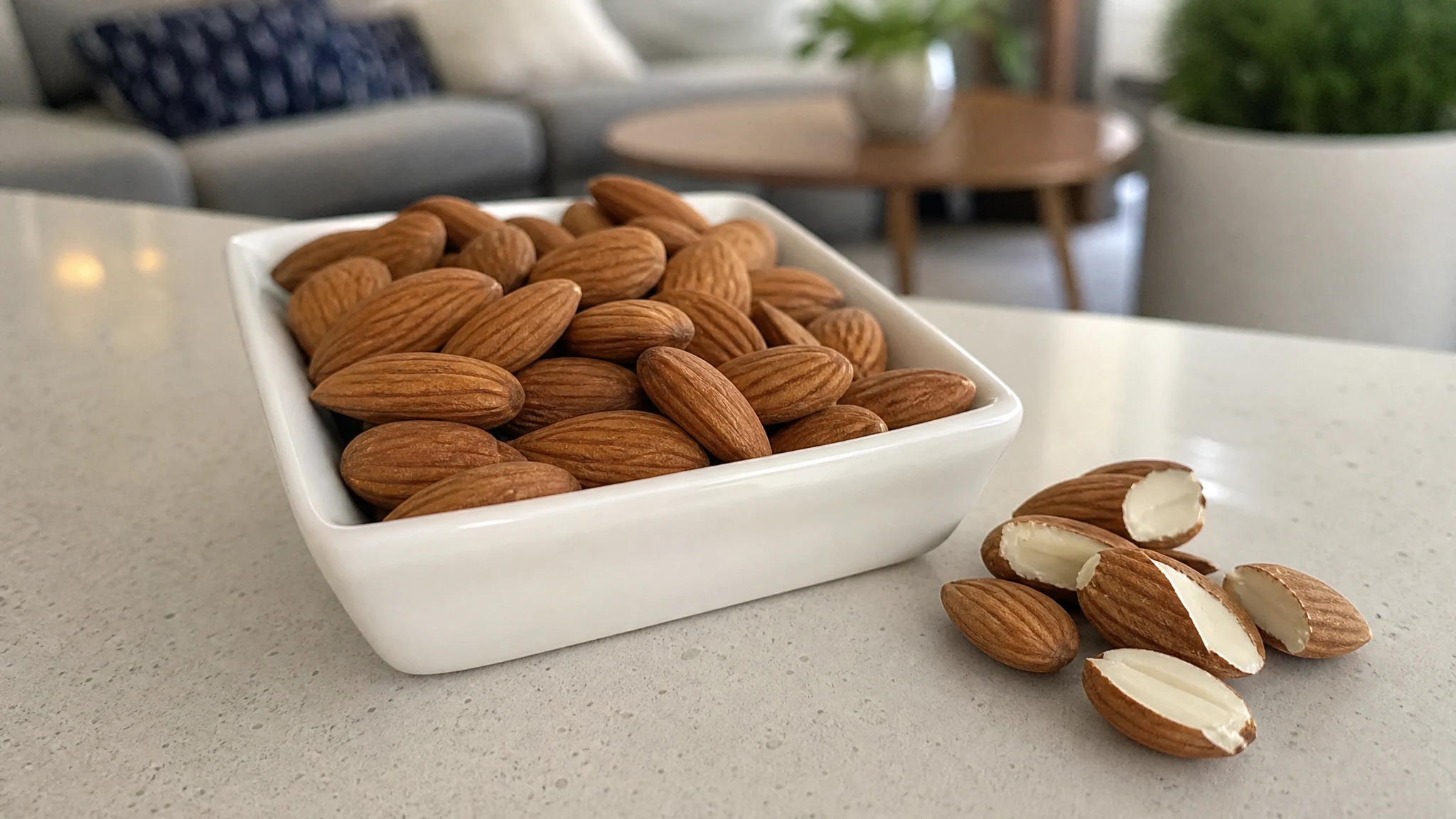
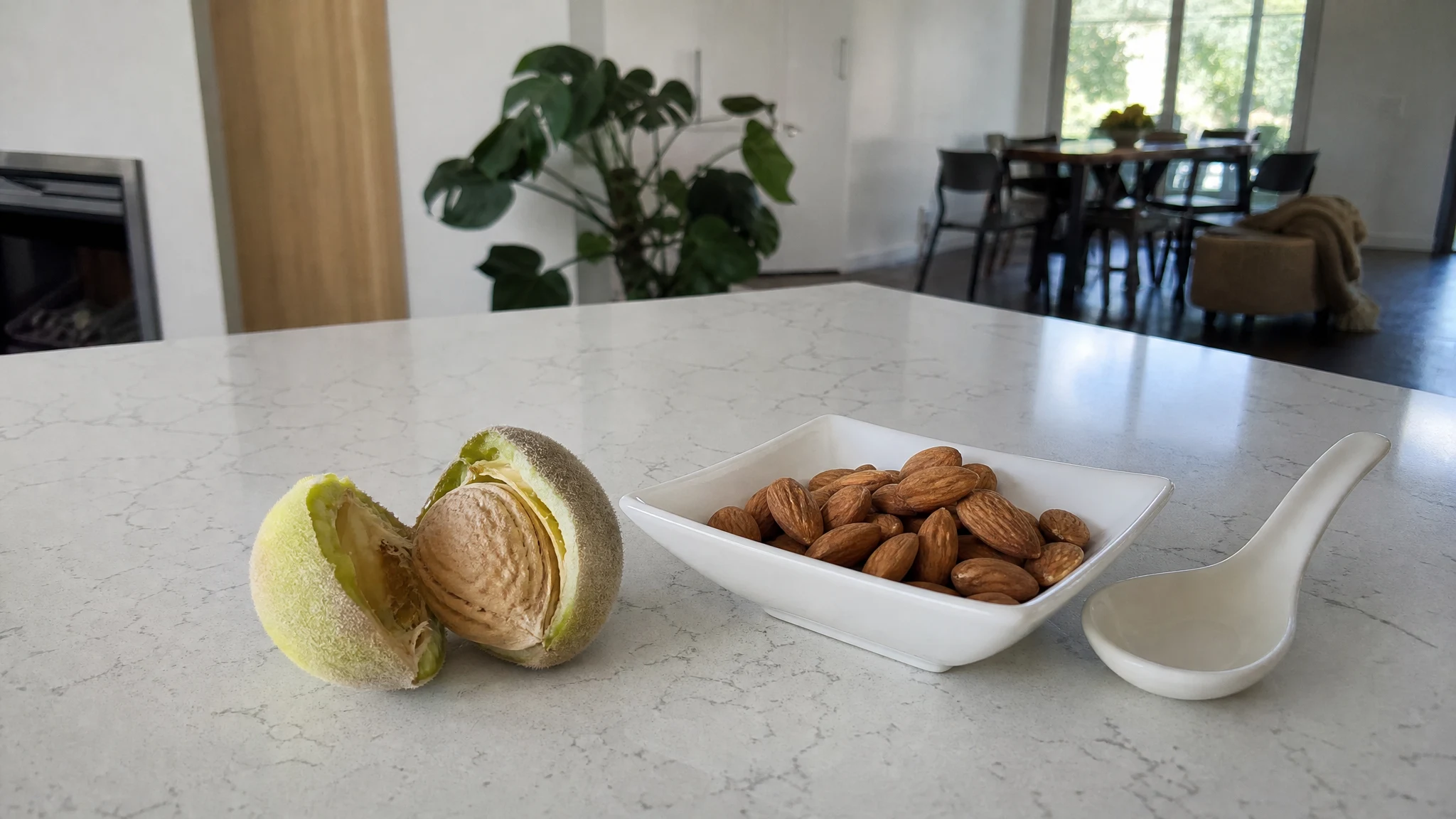
The USDA's labeling tiers are set by organic content. A product labeled "100 percent organic" must contain only organically produced ingredients, excluding water and salt, and one labeled simply "organic" must contain at least 95 percent. A "made with organic" label is a lower tier meant for multi-ingredient products. A single-ingredient oil has nothing to blend, so for almond oil the question is simple: either the kernels were grown and handled to the standard and the oil is certified, or the USDA organic claim does not apply. That makes "made with organic almonds" an odd phrase on a one-ingredient oil, and a fair prompt to ask what else is in the bottle.
One more detail is worth knowing. The regulation exempts very small operations, those with five thousand dollars or less in annual organic sales, from certification, though they must still follow the production and labeling rules. So "I farm organically" and "I am certified" are different statements, and only the second comes with an outside inspector.
What organic does not change
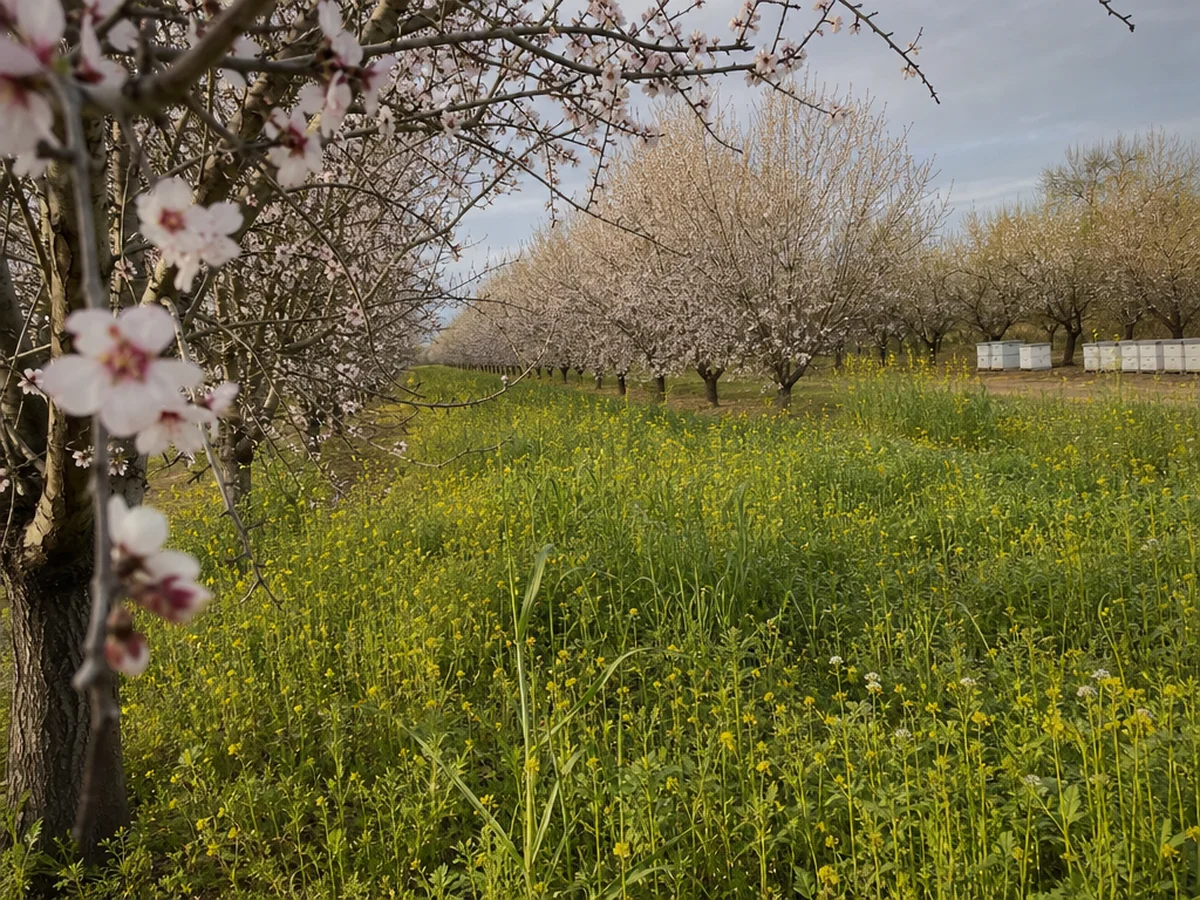
Organic describes how almonds were grown and handled, so it speaks to inputs and methods. It does not settle three questions that matter to most oil buyers.
Allergy. This is the big one for almond oil. Almond is a tree nut, and an allergist writing for the American Academy of Allergy, Asthma and Immunology explains that whether a nut oil carries allergenic protein depends on how it was extracted: refined oils generally lack it, and unrefined cold-pressed oils keep it. Farming method is not on that list, and the FDA says as much in general terms: an ingredient's source does not determine its safety, and organically grown plants can still contain allergenic substances. Our oil is cold-pressed and unrefined, so trace almond protein is present, and anyone with a tree nut allergy should not use it. See our nut allergy article.
Freshness. Pressing temperature, storage and the date on the bottle do more for an oil's quality than the label on the orchard. Our storage guide shows what to look for.
Residues. Organic production follows its own input rules, but whether a given lot is free of anything is a question for lot-specific testing, not for a logo.
A checklist if organic matters to you
- Ask for the certificate, not just the logo. It should name the certifier, the operation and the products covered.
- Check that it covers the oil you are buying, not a supplier's other products.
- Read the ingredient list. A single oil should list one ingredient, Prunus amygdalus dulcis (sweet almond) kernel oil.
- Ask the process questions separately: press temperature, refining, pressing date and lot number. They are not organic questions, but they decide a lot. Our refined versus unrefined guide covers them.
Questions that work better than a logo
A logo is a starting point for a conversation. Whoever you are talking to, try these: Where were the kernels grown? Who pressed the oil, and when? What is the lot number? How should I store it? A good seller answers plainly, and "let me check and get back to you" is also a fine answer. What you are listening for is whether the answers match the label.
What to do once the bottle is home
Write the date you opened it on the label. Keep it cool, dark and capped. When you first open it, look at the color and take a sniff, so you know what normal looks like for that bottle. Ours is faintly golden and smells like almonds, and a change from whatever you noticed on day one is worth paying attention to. If you decide to share a bottle with a friend, tell them the date it was opened as well as the ingredient.
Where our oil sits
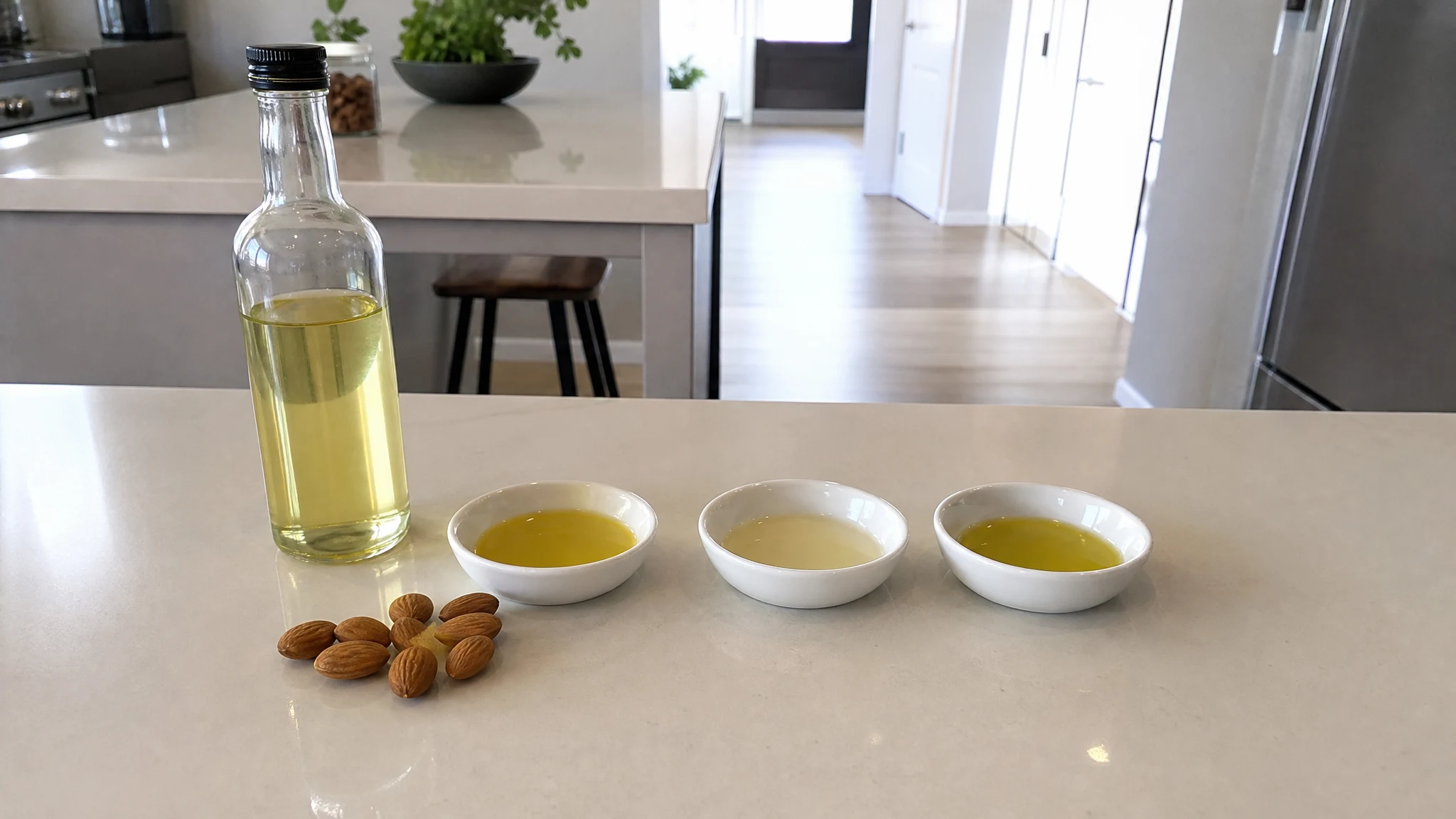
Our sweet almond oil is cold-pressed, unrefined and sold neat, made from California kernels that we press ourselves. We do not make an organic claim for it. What we offer instead is plain process detail, a Certificate of Analysis for one batch showing density, refractive index and optical rotation, and, if you need more, lot paperwork on written request through the contact page. If certified organic is a requirement for you, choose a seller who can send you a certificate; if you are weighing offers on other grounds, our buyer's guide and cost guide help you compare them.
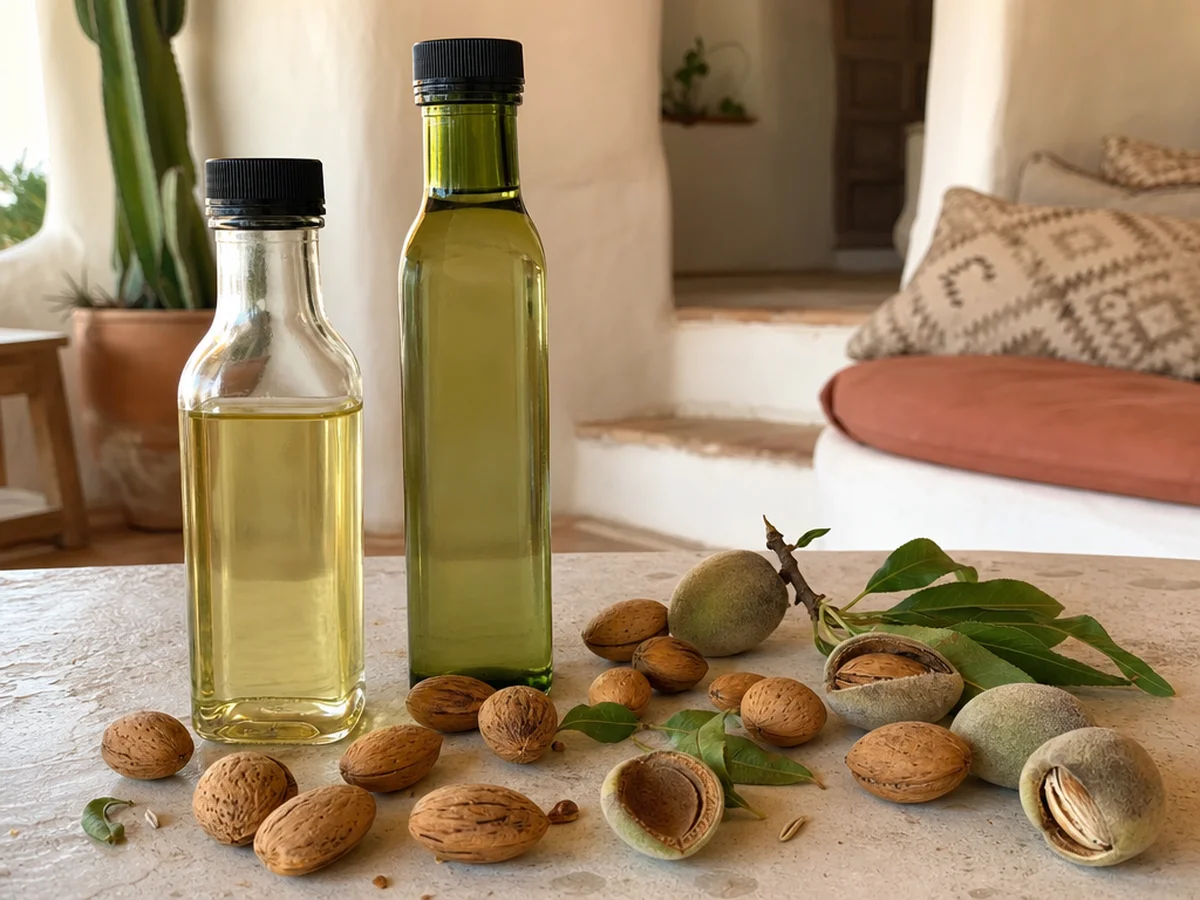
Whichever way you shop, the best label is one you can verify: a name, a date, a lot number and a seller willing to answer questions about all three.

Sweet Almond Oil
Sweet Almond Oil from our own shop, in sizes from 0.5 oz to bulk.
From $9.99
Shop Now →Sources & Further Reading
- "Organic" Cosmetics, U.S. Food and Drug Administration
- 7 CFR 205.301 - Product composition, Legal Information Institute
- 7 CFR 205.101 - Exemptions from certification, Legal Information Institute
- Food allergy: nut oils in topical products, American Academy of Allergy, Asthma and Immunology