How Almond Oil Is Made: From Kernel to Bottle
Almond oil is made by squeezing oil out of the kernel, which sounds simple until you notice how much of the final bottle is decided in the details: which almond, how warm the press runs, whether anything happens afterward, and how the oil is dated. Those are the choices we care about, so this is a tour of them, kernel to bottle.
It starts with the kernel
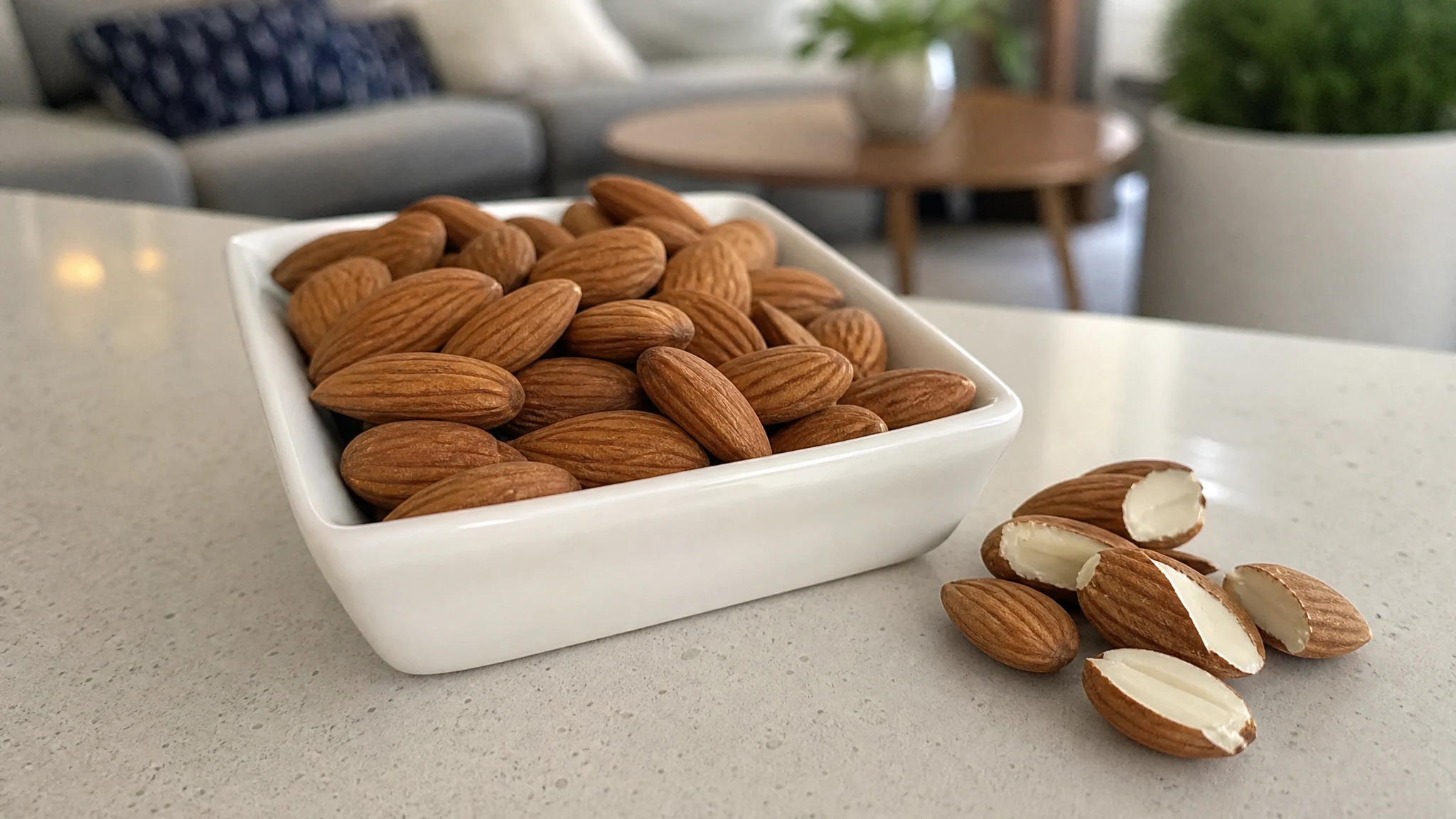
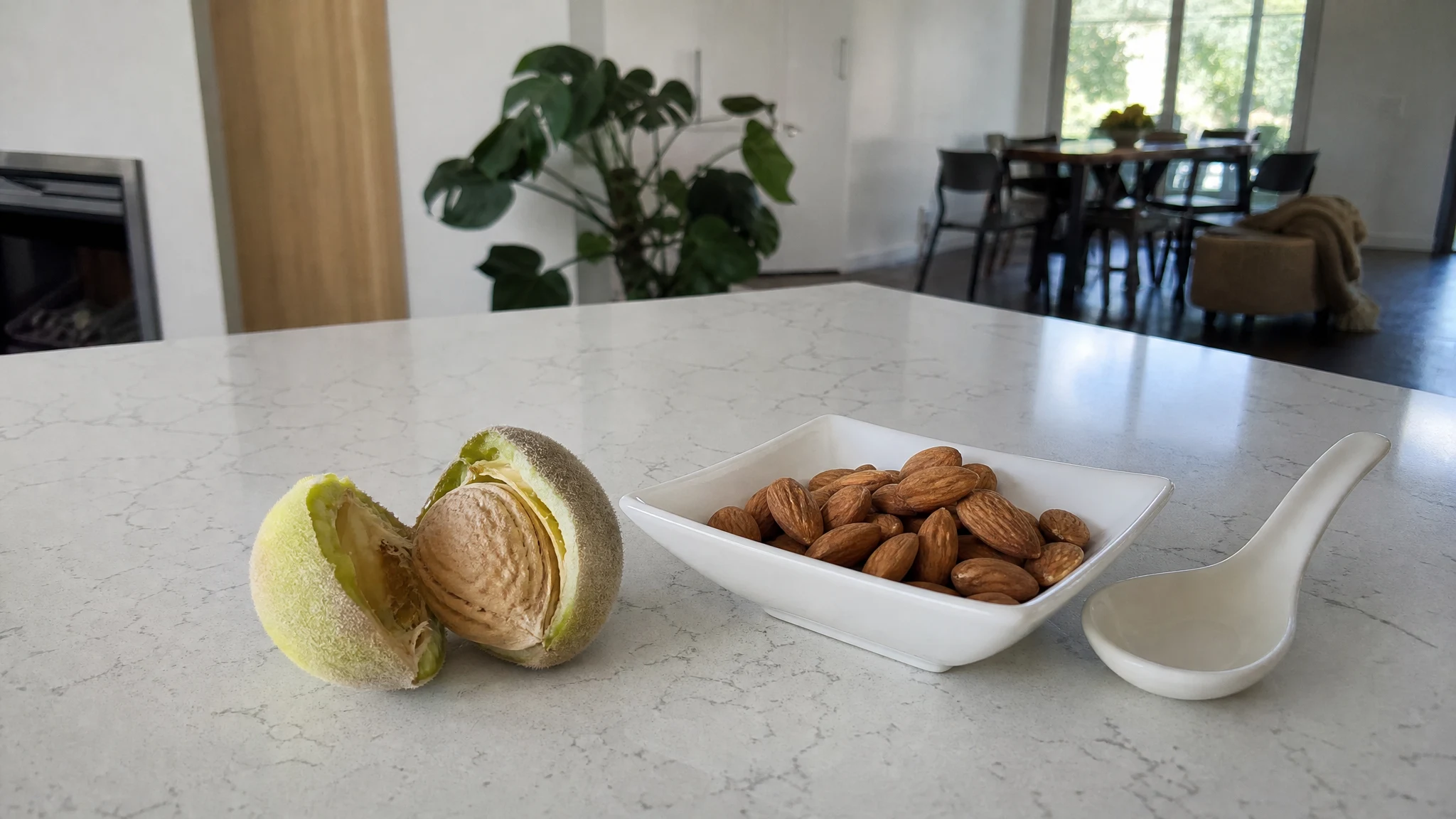
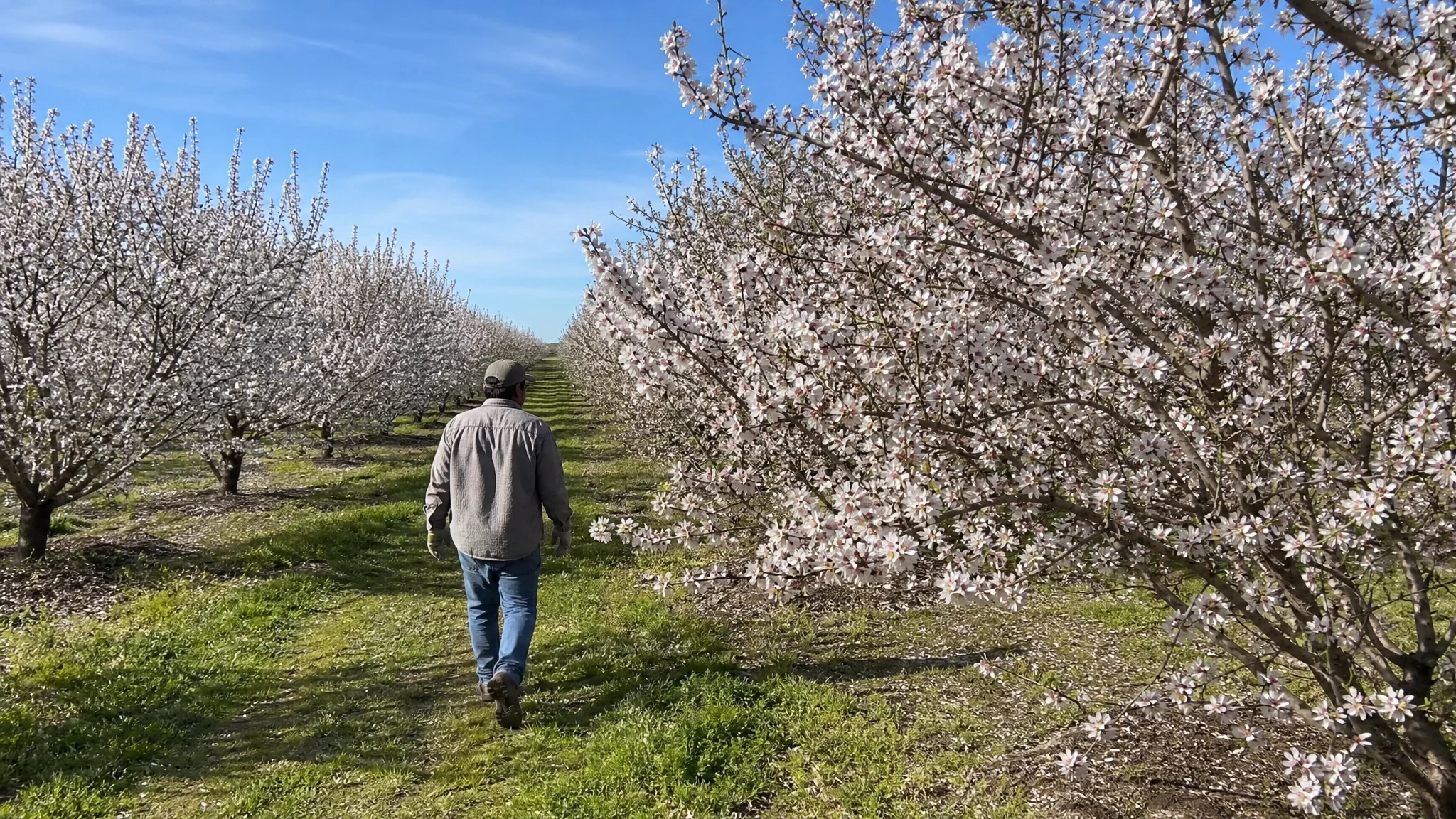
Almonds are remarkably rich in oil. A 2021 study of pressing Spanish almonds cites a literature range of 40% to 67% oil by weight, with most varieties above 50%. California grows the lion's share of the world's almonds, over 80% according to a UC Davis market report, and our kernels come from California's Central Valley and Kern County, where we press them ourselves.
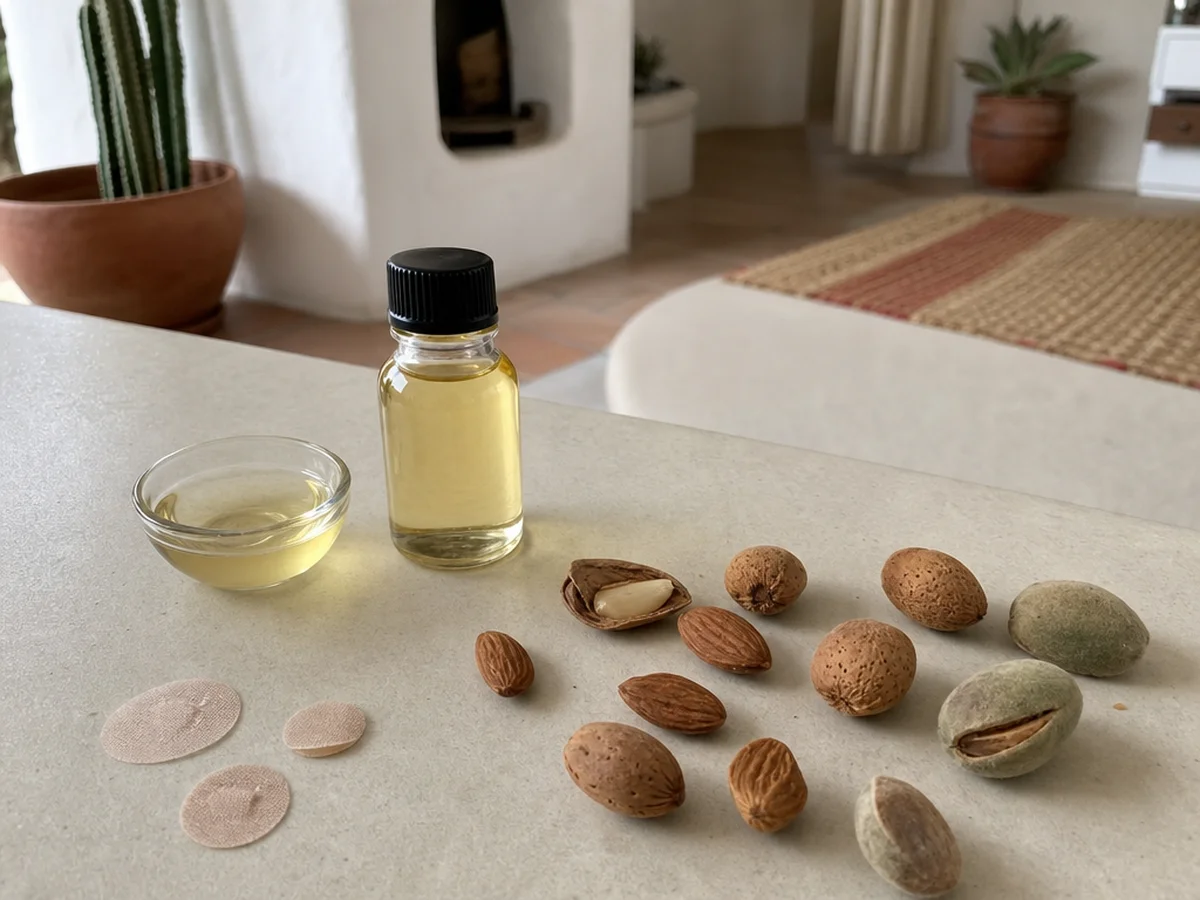
The tree matters as much as the place. Almond oil can come from sweet almonds or bitter ones, and the two are different materials. We press only sweet almonds, the botanical Prunus amygdalus dulcis. Our sweet versus bitter article explains why that name on a label is worth reading.
The press, and what "cold-pressed" means
Two kinds of press come up in the research. A hydraulic press squeezes the ground kernel mass at room temperature. A screw press, or expeller, pushes it through a barrel, and friction creates heat; operators often add more. In the 2021 study, the screw press ran at temperatures from 50 C up to 200 C and gave a higher average yield, about 49% of the oil against about 38% for the hydraulic press. The authors note that a screw press is generally described as a cold-pressing system even though it usually needs preheating to work well.
The interesting finding is how little changed in the oil. Oleic acid averaged about 71% on both presses and linoleic acid about 20%, with no significant difference in fatty acid makeup. The practical lesson, which is our reading of one study of one almond variety, is that a low-temperature press trades some yield for gentleness, and that the words "cold-pressed" by themselves do not tell you a temperature. That is why we give a number: our press is kept below 40 C (104 F).
What happens afterward: usually nothing
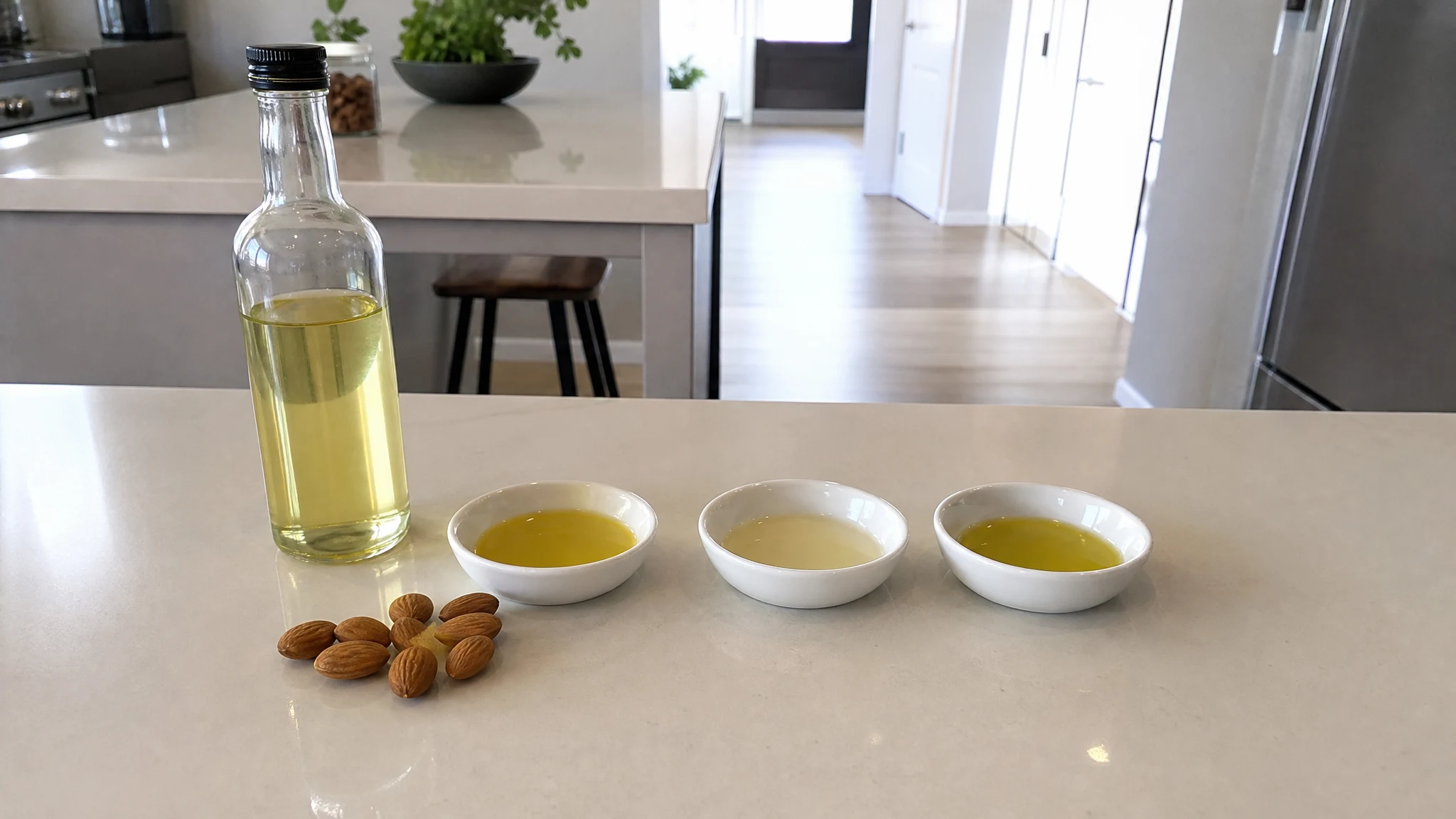
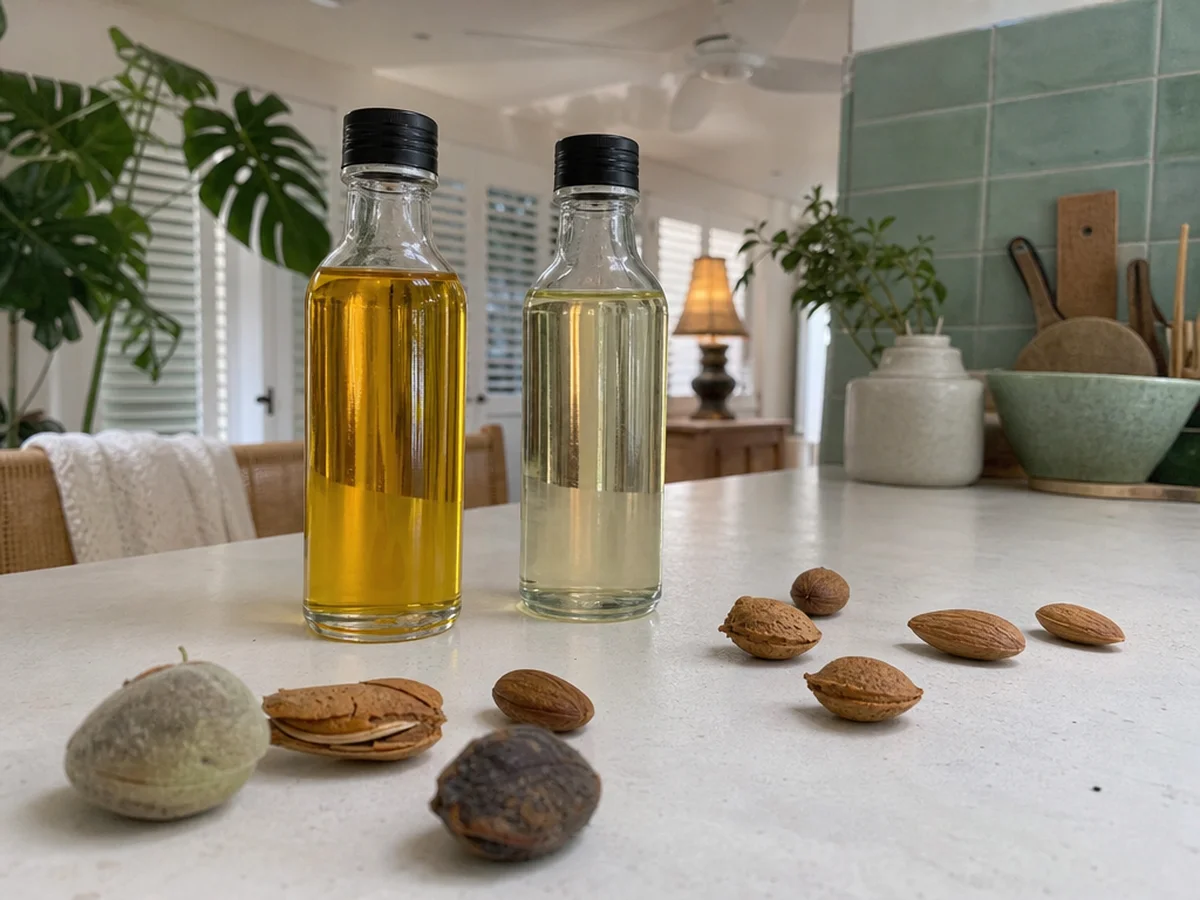
This is the stage where we do the least. Our oil is not bleached, deodorized, winterized or treated with a solvent, and nothing is added, not even vitamin E. What comes off the press is what goes in the bottle: a faintly golden oil that smells like almonds. Pharmacopoeia definitions, as summarized in a study of almond oils sold in Turkey, distinguish virgin oil (cold-expressed from the seeds) from refined oil (cold-expressed and then refined, with antioxidants permitted). Ours is on the virgin side of that line.
There is one thing worth saying plainly about leaving oil unrefined. An allergist writing for the American Academy of Allergy, Asthma and Immunology explains that refined oils generally lack protein, while unrefined cold-pressed nut oils keep it. Our oil is unrefined, so trace almond protein is present, and anyone with a tree nut allergy should not use it. Do not carry a refined oil's allergy handling over to ours. Our refined versus unrefined guide goes deeper.
What you will notice in the bottle
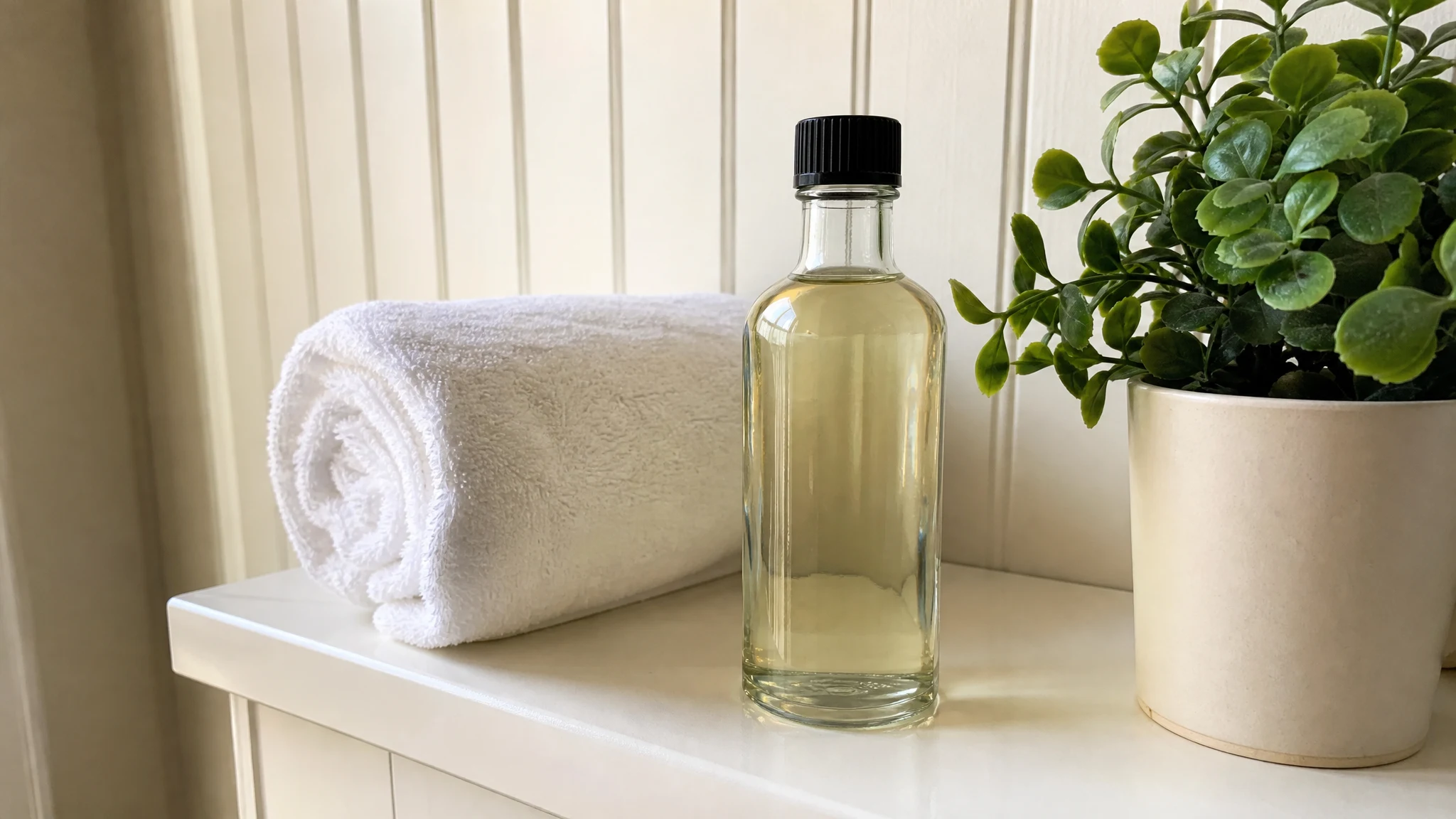
Open a bottle and tip it toward the light. The oil is faintly golden and runs easily. Then smell it: it smells like almonds, soft and a little sweet, not like perfume. Put a drop on the back of your hand and watch how it glides, then how it settles in without a heavy film. None of this replaces paperwork, but it tells you the oil in front of you is a straightforward one: pressed and left alone.
Dates, lots and amber glass
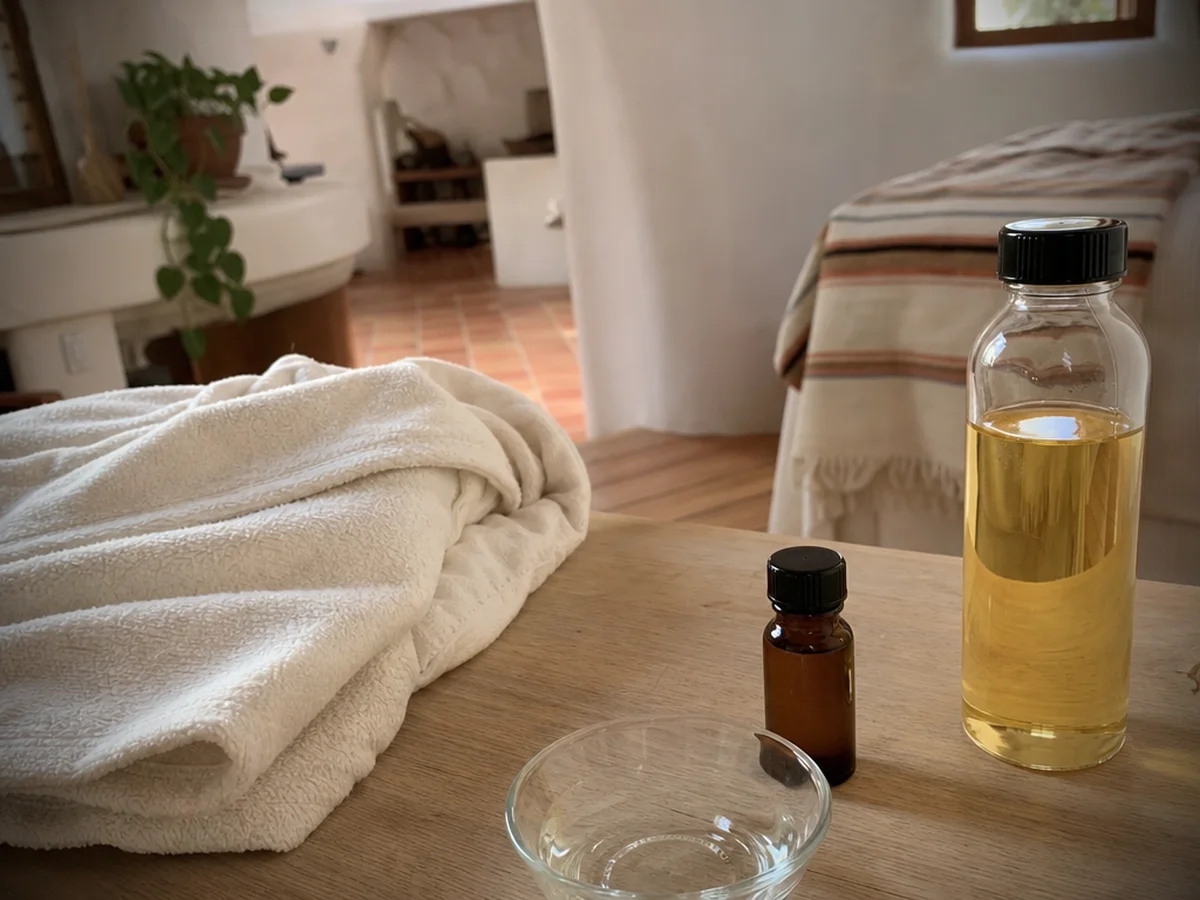
Our bottles are amber glass and carry a pressing date, a bottling date and a lot number. Those three details let you and us point to exactly the same batch, which tells you more than a paragraph about the orchard ever could. Oil is best kept cool and dark and used within about a year from pressing; our storage guide shows how to get the most from a bottle.
We also publish a Certificate of Analysis for one batch, listing relative density 0.918, refractive index 1.472 and optical rotation of -0.16 degrees at 20 C. If you need other lot results, such as free fatty acids, peroxide value, fatty acid profile, sterols or aflatoxin, ask us in writing through the contact page and we will point you to the paperwork for your lot. Our home purity checks article explains why paperwork beats kitchen tricks.
Five questions for any almond oil seller
Each step above turns into a question you can ask anyone who sells almond oil, ourselves included. Is it sweet or bitter? Which kind of press, and what temperature ceiling? Was it refined afterward, and how? Which pressing date and lot am I buying? And can you send the results for that lot? A seller who can answer all five has a process they can describe, and you will know what is in your bottle before you open it.
If there is one habit worth taking from this tour, it is reading the label before anything else. A name, a date and a lot number cost a seller nothing to print, and they say more about care than a pretty photograph does.

Sweet Almond Oil
Sweet Almond Oil from our own shop, in sizes from 0.5 oz to bulk.
From $9.99
Shop Now →Sources & Further Reading
- Influence of Pressure Extraction Systems on the Performance, Quality and Composition of Virgin Almond Oil and Defatted Flours, Foods, 2021
- Evaluation of Marketed Almond Oils [Prunus dulcis (Mill.) D.A. Webb] in Terms of European Pharmacopoeia Criteria, Turkish Journal of Pharmaceutical Sciences, 2022
- January 2026 California Tree Nut Market Report, CalAg, UC Davis
- Food allergy: nut oils in topical products, American Academy of Allergy, Asthma and Immunology