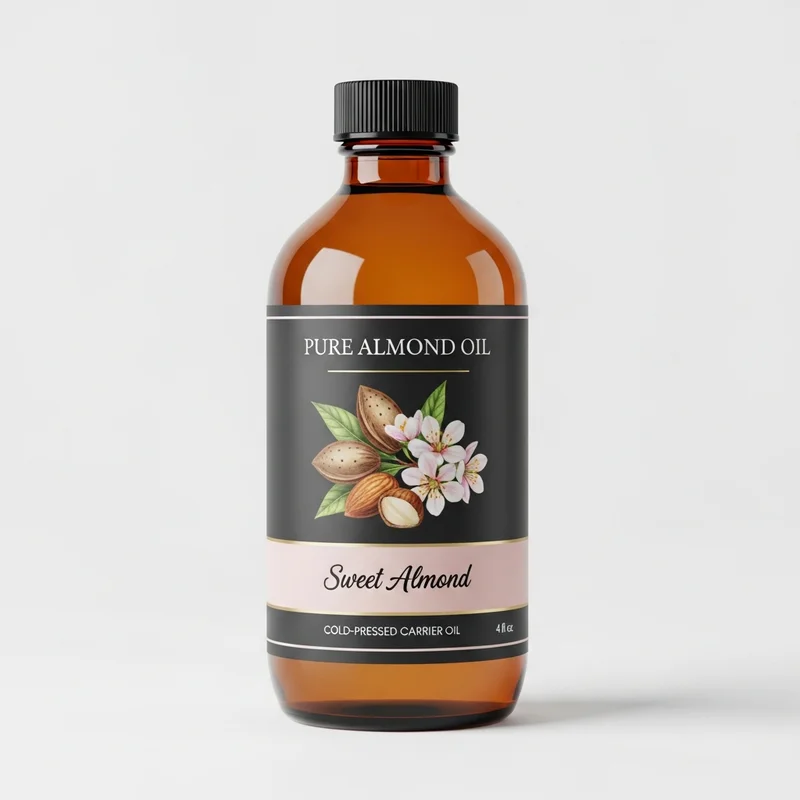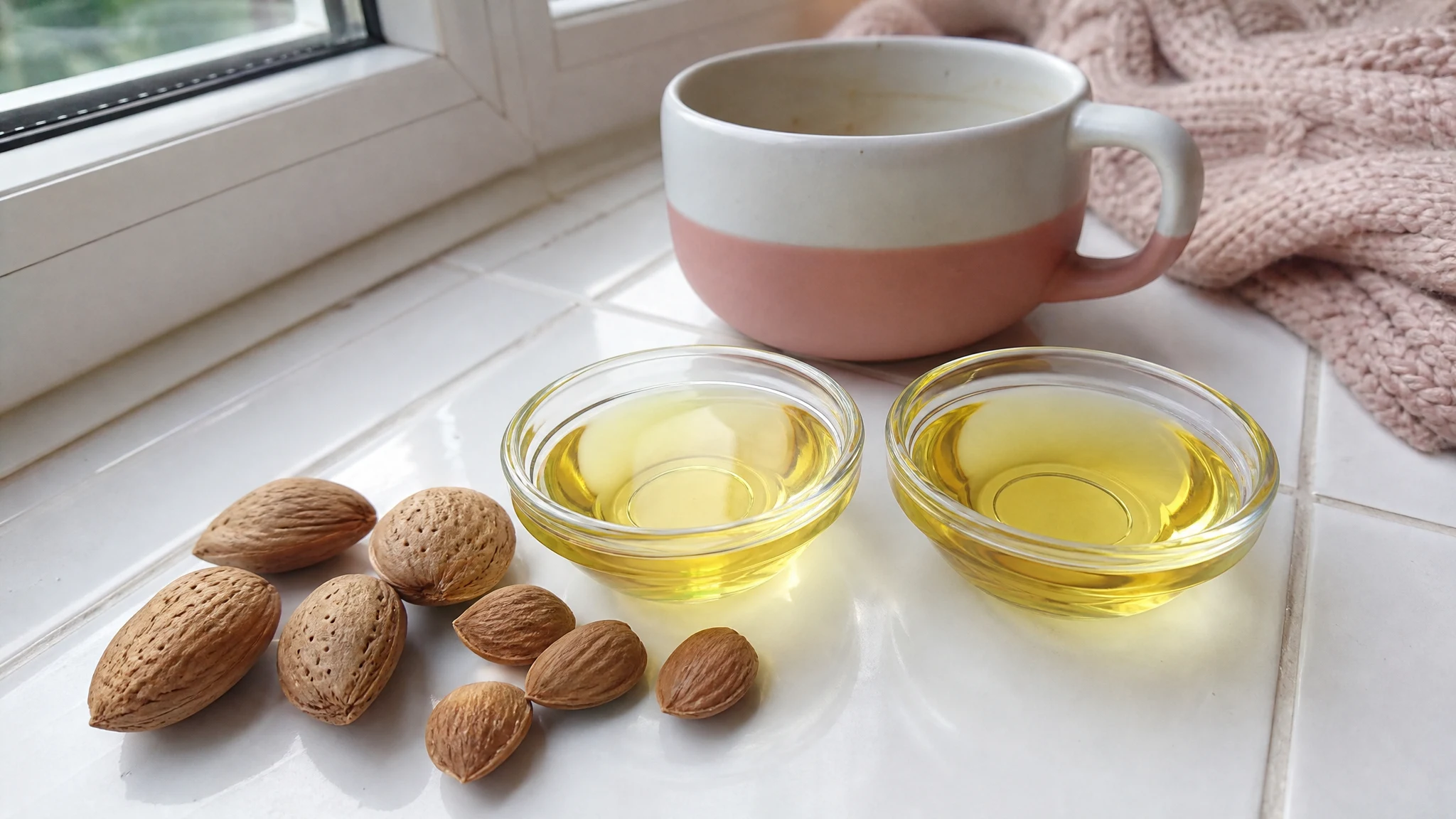
Sweet Almond vs Apricot Kernel Oil: Which Carrier?
Sweet almond and apricot kernel oil come from related kernels and read almost alike on paper. See how the fatty acids overlap and how to choose.

Olive Oil vs Almond Oil for Cooking: Honest Answer
For the stove, olive oil has the track record, while our almond oil is made for the skin. Here is how the two differ and where each belongs.
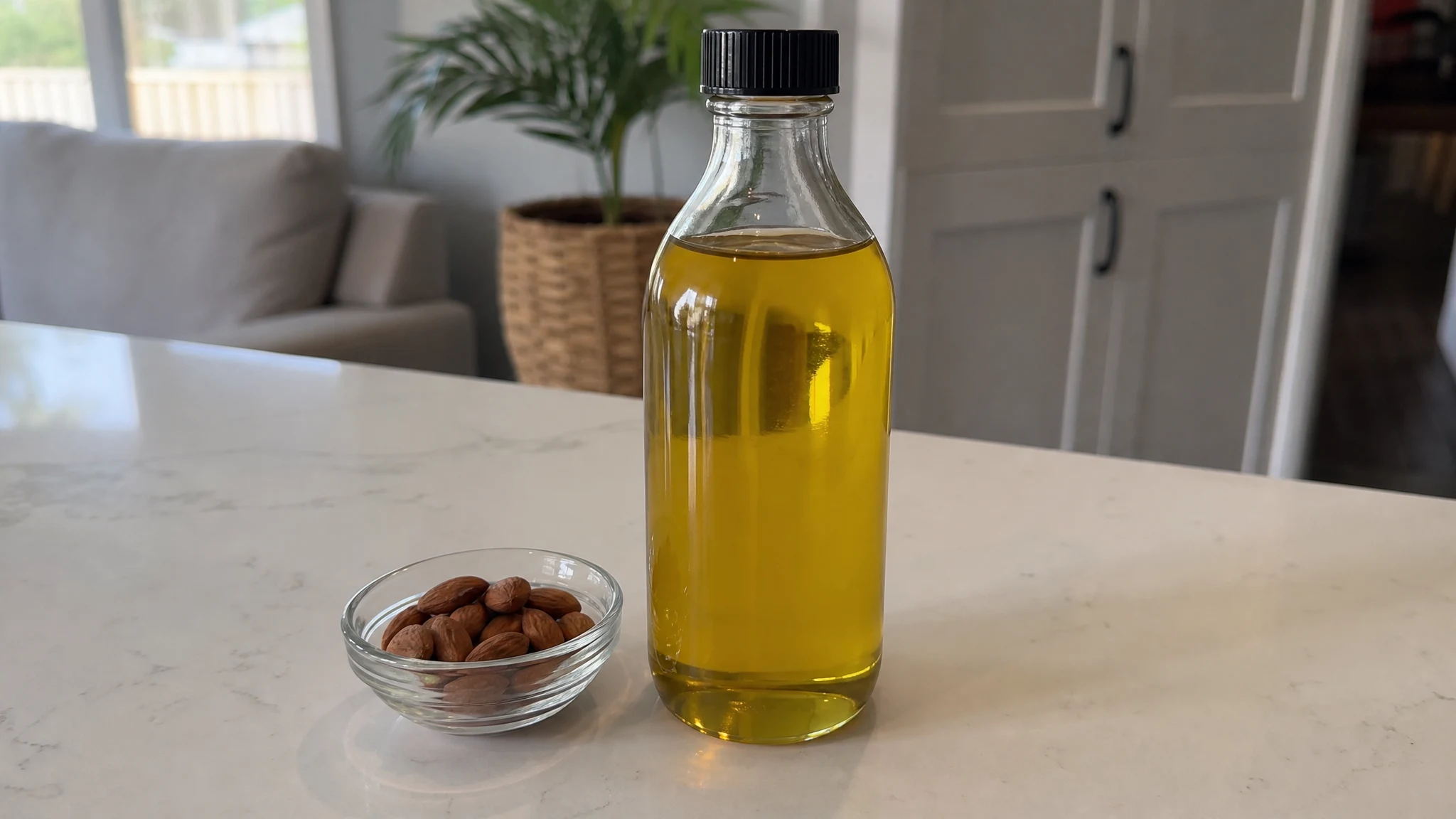
Vitamin E Oil vs Almond Oil: What Is in Each Bottle?
Almond oil naturally carries a little vitamin E. A bottle sold as vitamin E oil is a different thing entirely. Here is how to read the label.

Almond vs Coconut Oil on Eczema-Prone Skin: The Evidence
No one has compared almond and coconut oil on eczema-prone skin. We look at what was studied, what eczema groups advise and why allergy comes first.
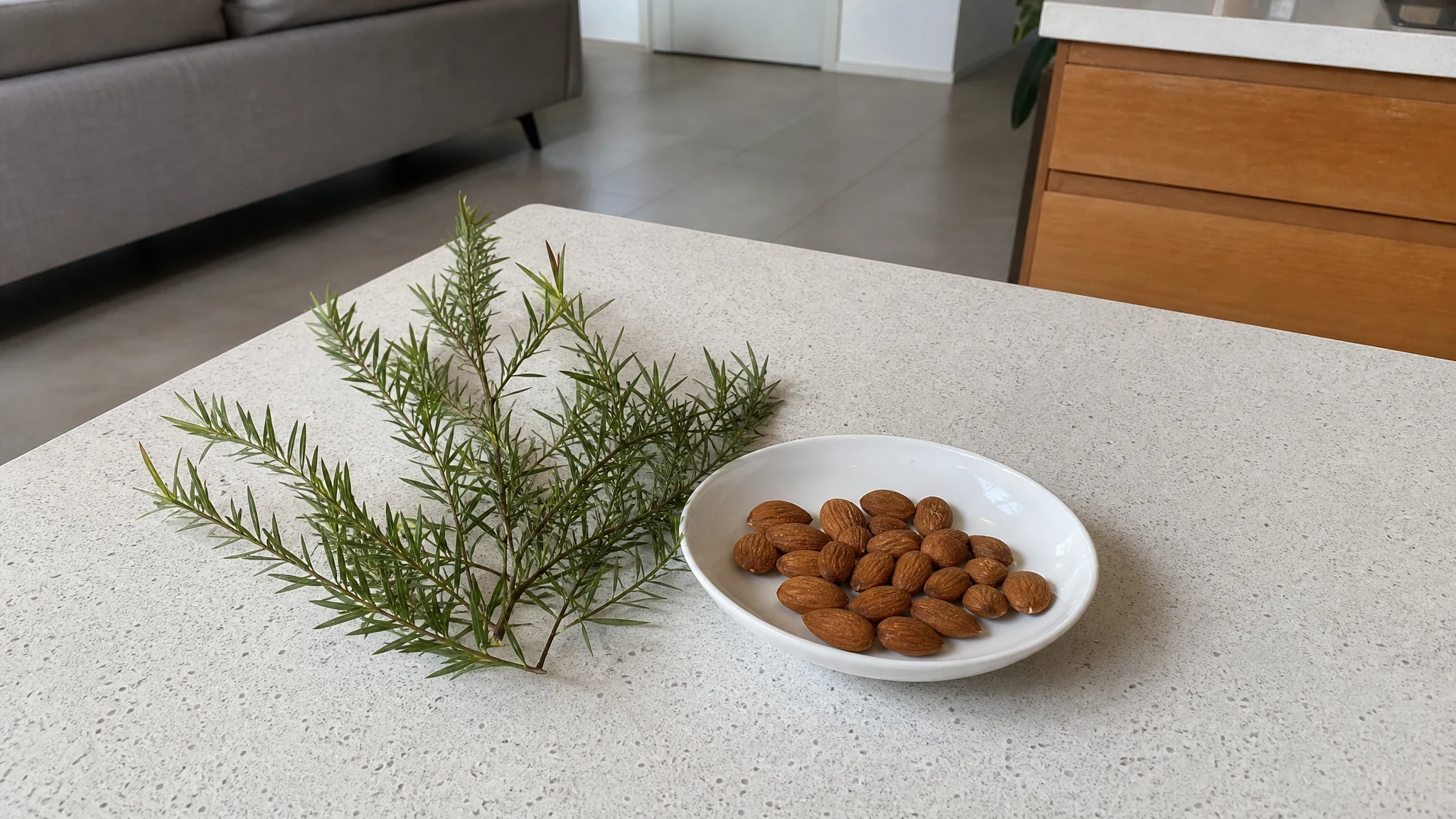
Tea Tree Oil vs Almond Oil: Carrier or Essential Oil?
One is a carrier you can use neat, the other an essential oil measured in fractions of a percent. Here is what Europe's 2025 safety opinion sets as limits.
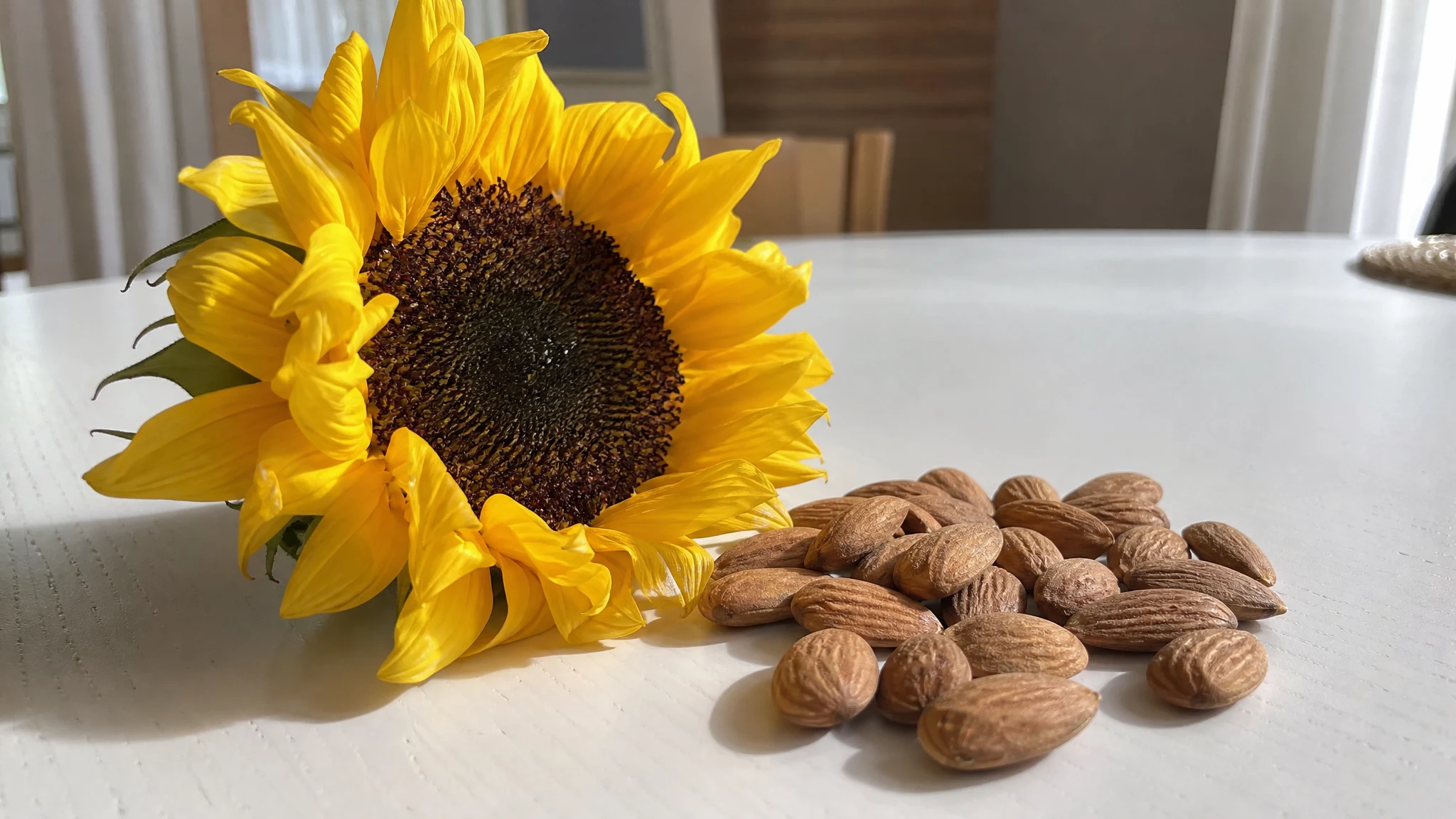
Sunflower Oil vs Almond Oil: Which Type Do You Have?
A bottle that just says sunflower oil could be one of several very different oils. Here is how to read the label and where almond oil fits beside it.

Almond Oil vs Castor Oil for Hair: Weight and Feel
Castor oil is thick and clingy, almond oil spreads thin and rinses easily. We compare how they feel on hair and what the studies tested.
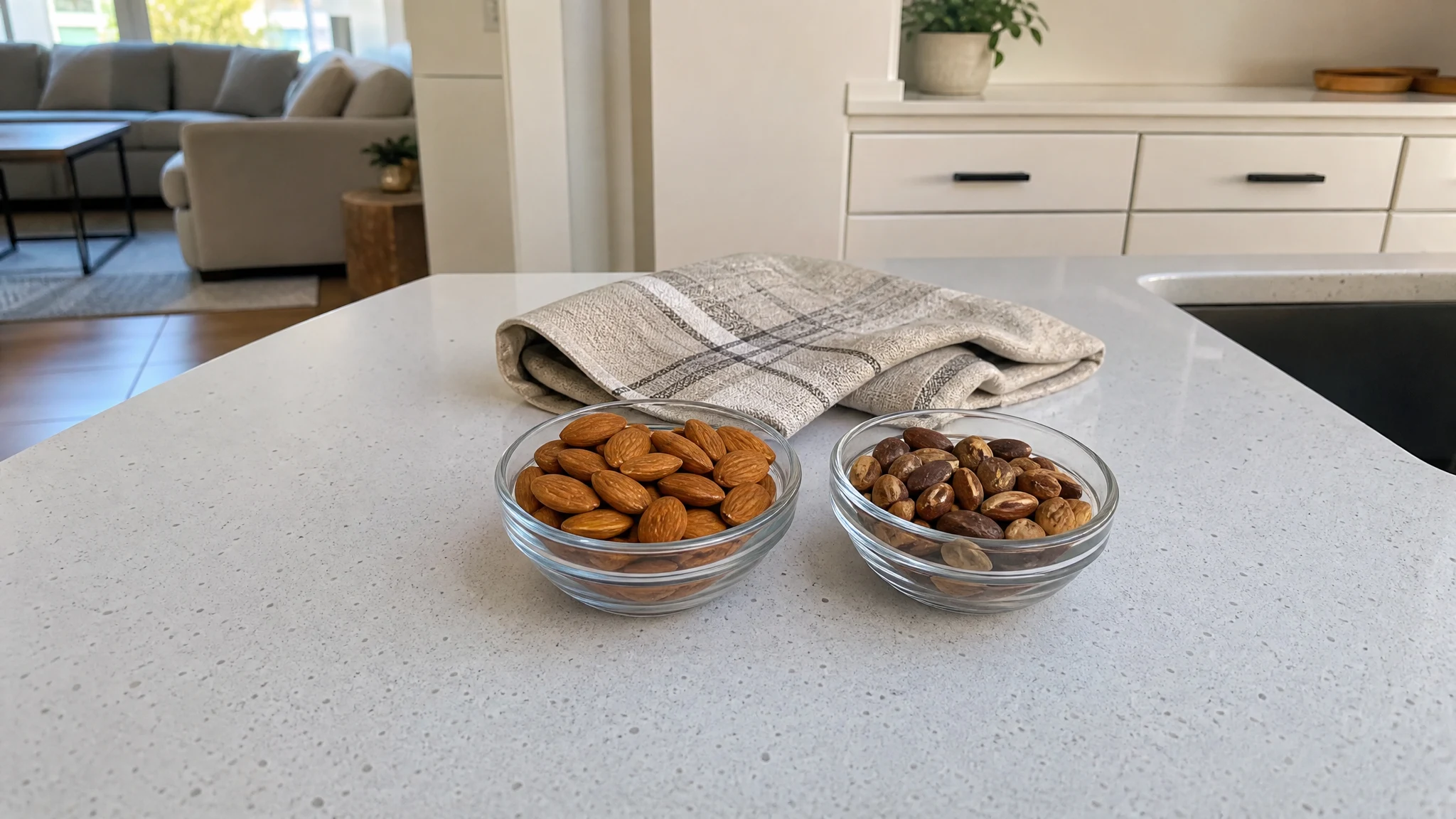
Almond Oil vs Argan Oil: Which Fits You Better?
Argan oil has the glamour and almond oil has the pantry. We compare their make-up, what skin studies tested and the allergy question that matters first.
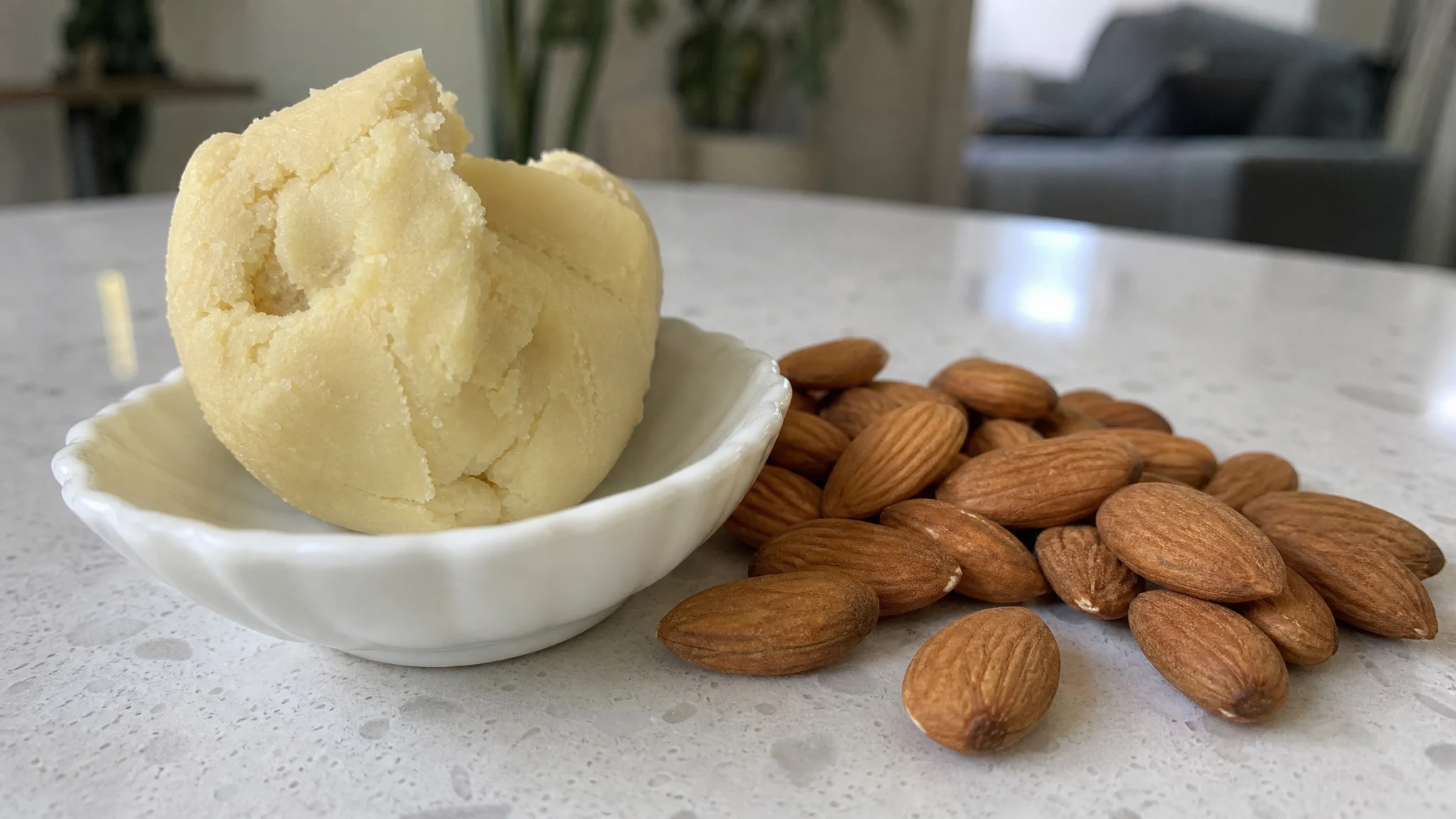
Shea Butter vs Almond Oil: Solid or Liquid?
Shea butter holds its shape; sweet almond oil glides and carries. Pick by the texture your project needs, and read the nut allergy note before you start.
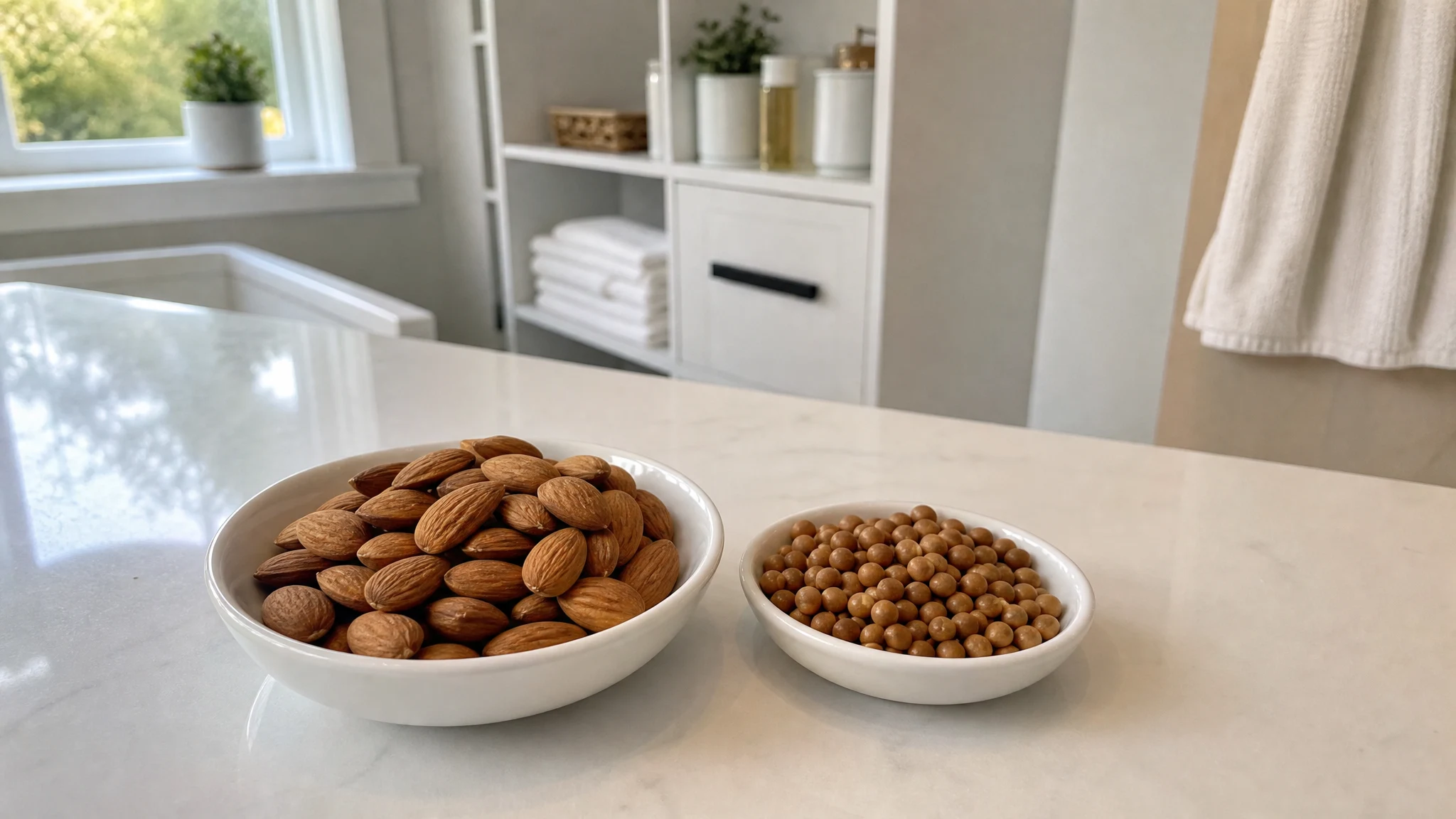
Jojoba vs Almond Oil: Why One Is a Liquid Wax
Jojoba is about 98% wax, while almond oil is a true oil. That one fact explains shelf life, recipe swaps and how to choose between the two.
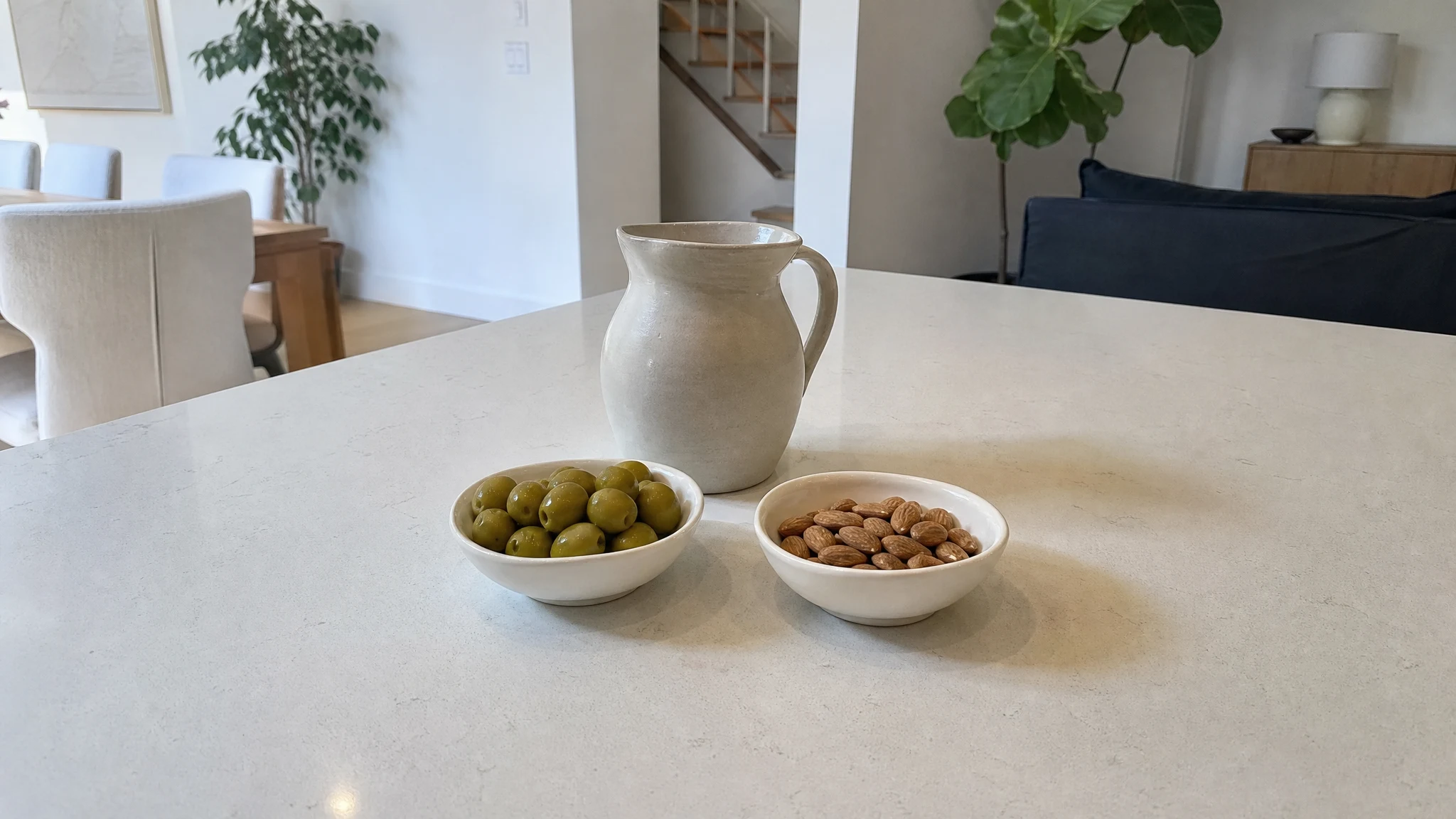
Olive Oil vs Almond Oil for Skin: What a Study Shows
Not every natural oil behaves alike on skin. A forearm study on olive oil shows why, and what it means when choosing almond oil instead.
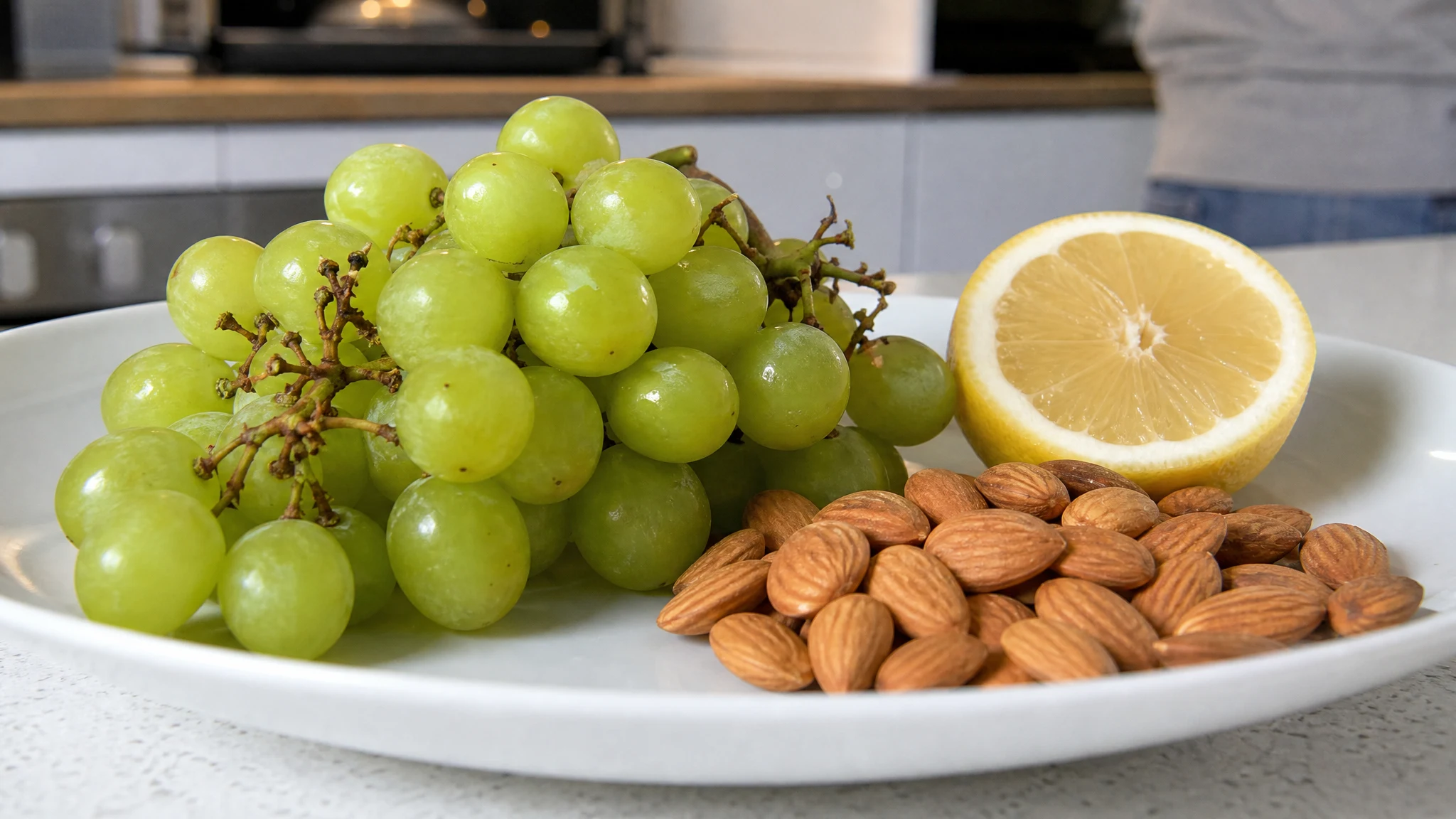
Grapeseed vs Almond Oil: Which Stays Fresh Longer?
Both oils pour thin and golden, but only one is mostly linoleic acid. Here is why that changes shelf life, storage and how you blend with it.