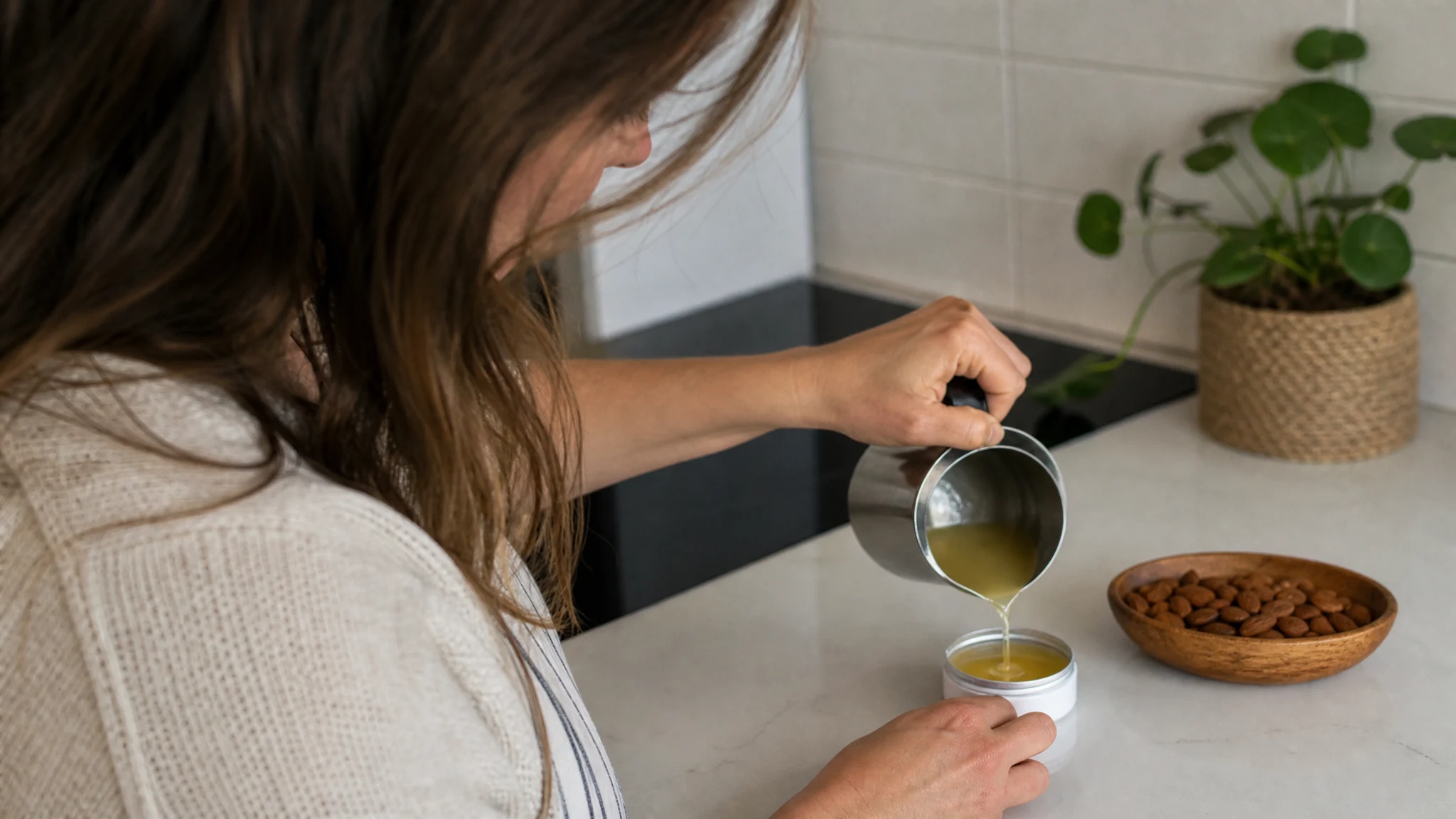
Almond Oil Beard Balm: Choosing Your Wax Level
In a beard balm, the wax decides the hold, the butter decides the softness, and almond oil is what makes the whole thing spreadable. Once you know that, the recipe stops being a mystery: change the share of wax and you change the balm far more than any choice of carrier oil would.
Start with your skin, not the tin
The American Academy of Dermatology sorts beard products by the skin underneath. For acne-prone skin it recommends a beard conditioner, and for beard acne it is explicit about using a small amount of non-comedogenic conditioner "but no beard oil." Normal to dry skin suits a beard oil. Sensitive skin is steered toward a fragrance-free, non-comedogenic moisturizer. The AAD also asks for a sparing hand so the beard does not end up looking greasy, and for moisturizing right after washing.
A balm is a heavier relative of the oil, so it belongs with the normal-to-dry group. It is also what the AAD has in mind when it suggests a beard wax to hold hairs in place and to style around patchy areas. It does not suggest that any oil changes how a beard grows, and neither do we. A balm is a grooming product: it conditions, softens and shapes.
What each ingredient brings
- Beeswax gives the hold. A WHO food additives monograph puts its melting point at 62 to 65 C. That tells you how to make it: melt the wax and butter first, take the pot off the heat, then stir the almond oil in. The oil never has to get hot.
- A soft butter such as shea gives the cushion. It comes from a craft or supply shop, as does the wax.
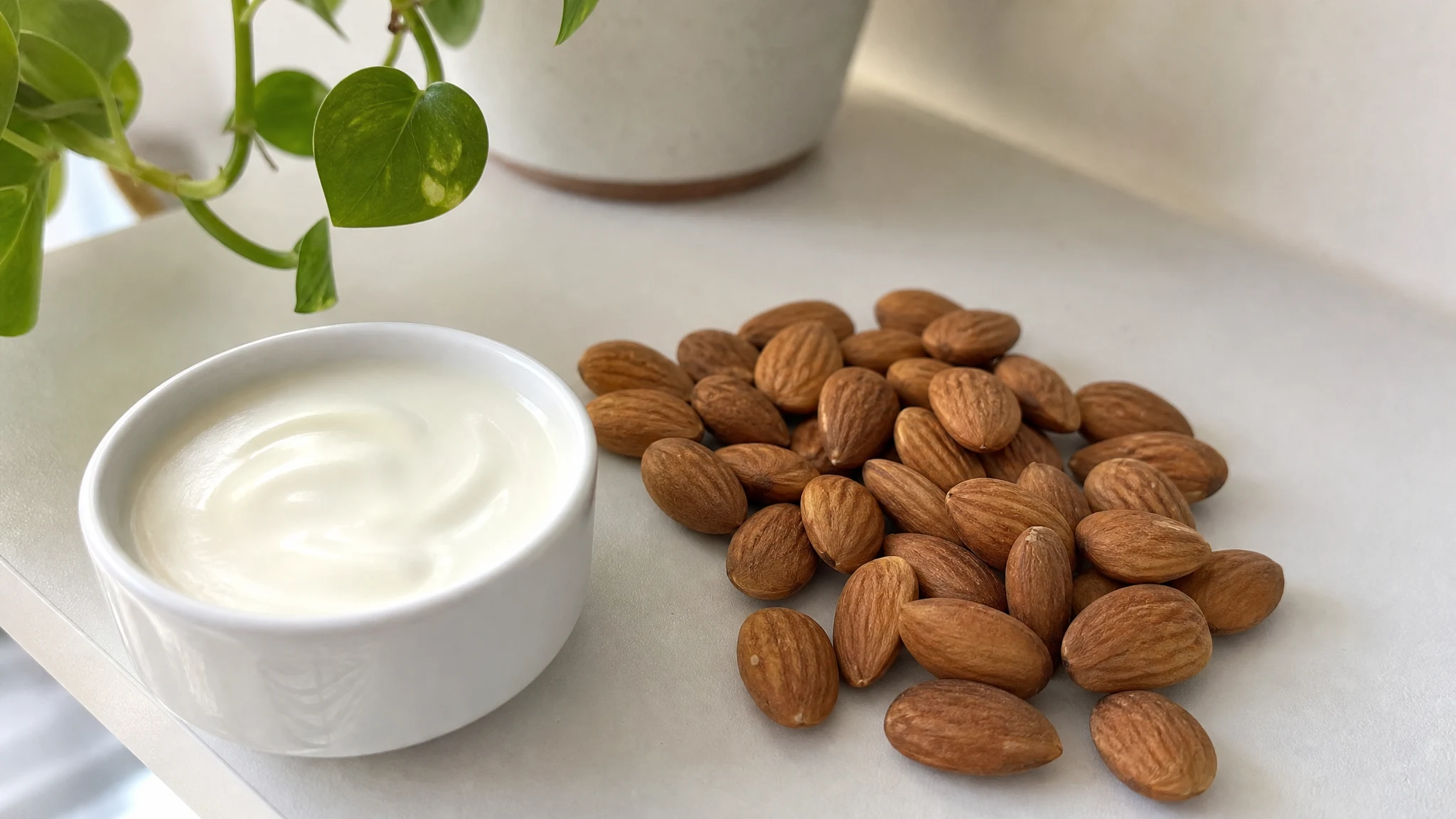
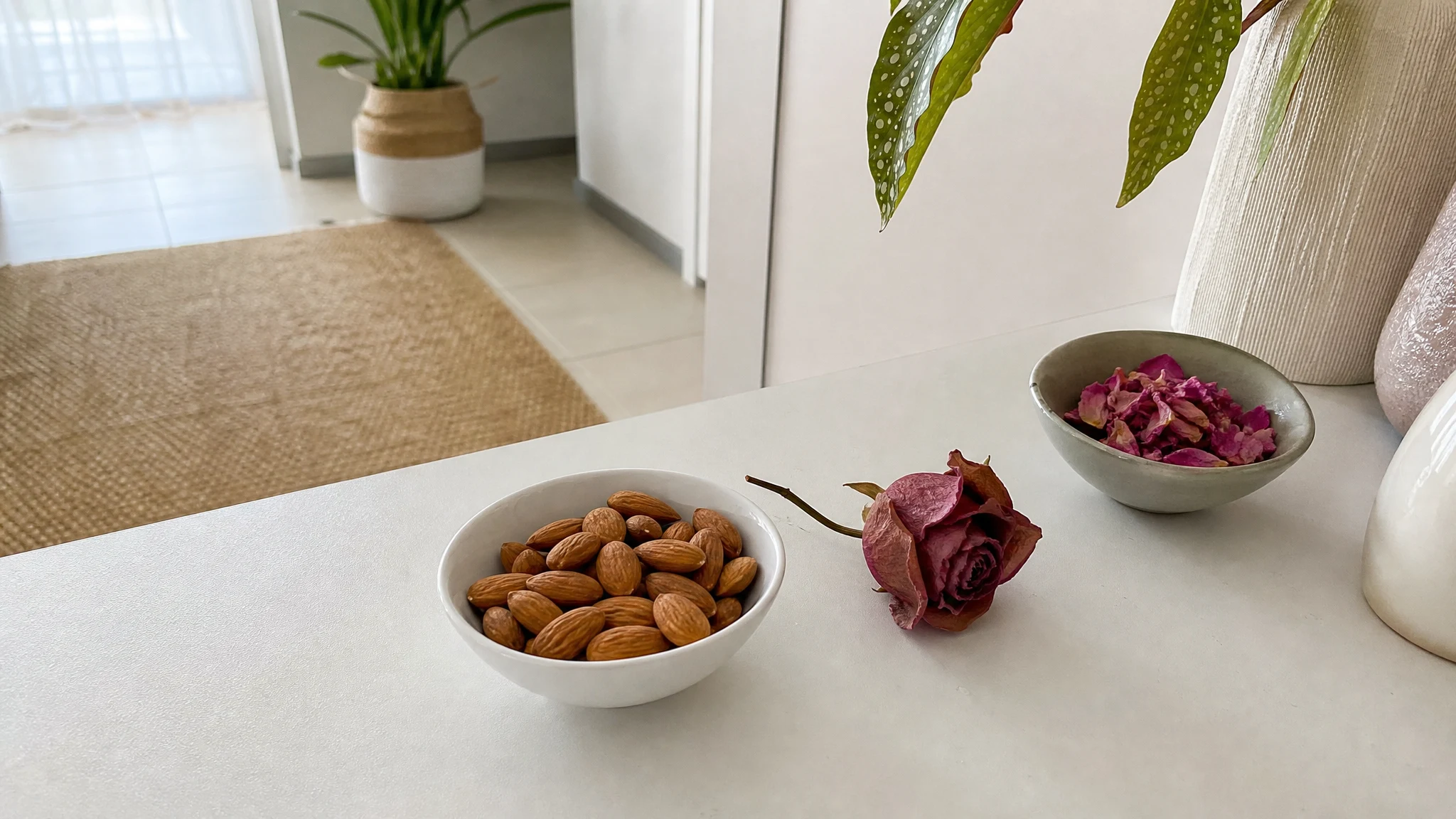
- Our sweet almond oil gives the glide. It is cold-pressed, unrefined and sold neat with nothing added, with a soft, lightly sweet, nutty aroma that lets a scent-free balm smell like itself.
Three wax levels for a 30 g batch
These are proportions worked out by arithmetic, so treat them as starting points for a small first batch, adjusting the wax by a gram or two until it feels right to you. The volume column uses the 0.918 density of the batch on our Certificate of Analysis.
| Balm | Almond oil | Shea butter | Beeswax |
|---|---|---|---|
| Lighter (60 / 30 / 10) | 18 g (about 20 ml) | 9 g | 3 g |
| Middle (50 / 30 / 20) | 15 g (about 16 ml) | 9 g | 6 g |
| Firmer (40 / 30 / 30) | 12 g (about 13 ml) | 9 g | 9 g |
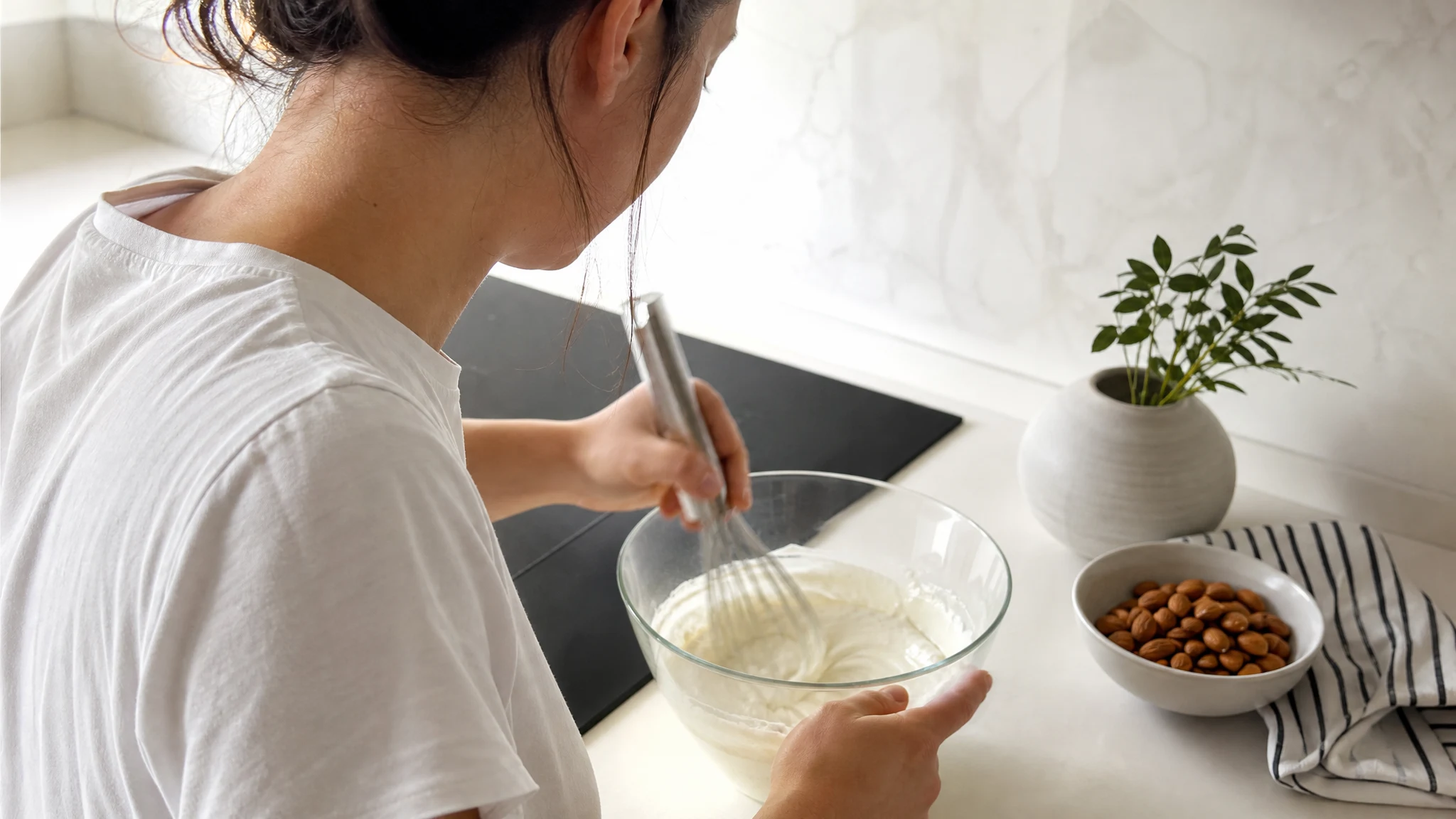
Weigh in grams. A 1 oz bottle of our oil holds about 27 g, enough for a batch of any row. Melt the wax and butter together in a heat-safe bowl over simmering water, lift it off, stir in the oil, pour into a clean, dry tin and leave it to set without moving it. Keep water out entirely. An oil-and-wax balm is waterless, and adding water would make it a different product that needs a preservative and a cosmetic chemist's eye.
We keep the plain version fragrance-free. The AAD recommends fragrance-free products for sensitive skin and for shaving-related bumps, and a beard balm sits on the face all day, so a scent-free first batch is the easy way to see how your skin feels about it.
Who should skip it
- Anyone with a tree nut allergy. Our oil is unrefined, so trace almond protein is present, and if you have a tree nut allergy you should not use it. See almond oil and nut allergies.
- Anyone who has reacted to bee products. A 2025 review of bee product allergy reports beeswax allergy as uncommon: 13 of 2,828 patch-tested patients in one series (about 0.45%), with reactions mostly attributed to propolis in the wax. If you have reacted to propolis or honey products, a dermatologist can patch test you before you buy a block of wax.
- Anyone with persistent breakouts or flaking. The AAD links beard flaking to seborrheic dermatitis and points to a dermatologist for it. A balm is not a replacement for that conversation.
Patch test before the first full application. The AAD method is a quarter-sized spot where the product will not rub off, used twice a day for 7 to 10 days, stopping at redness, itching or swelling. Our patch test guide shows how that applies to almond oil.
Texture and scent
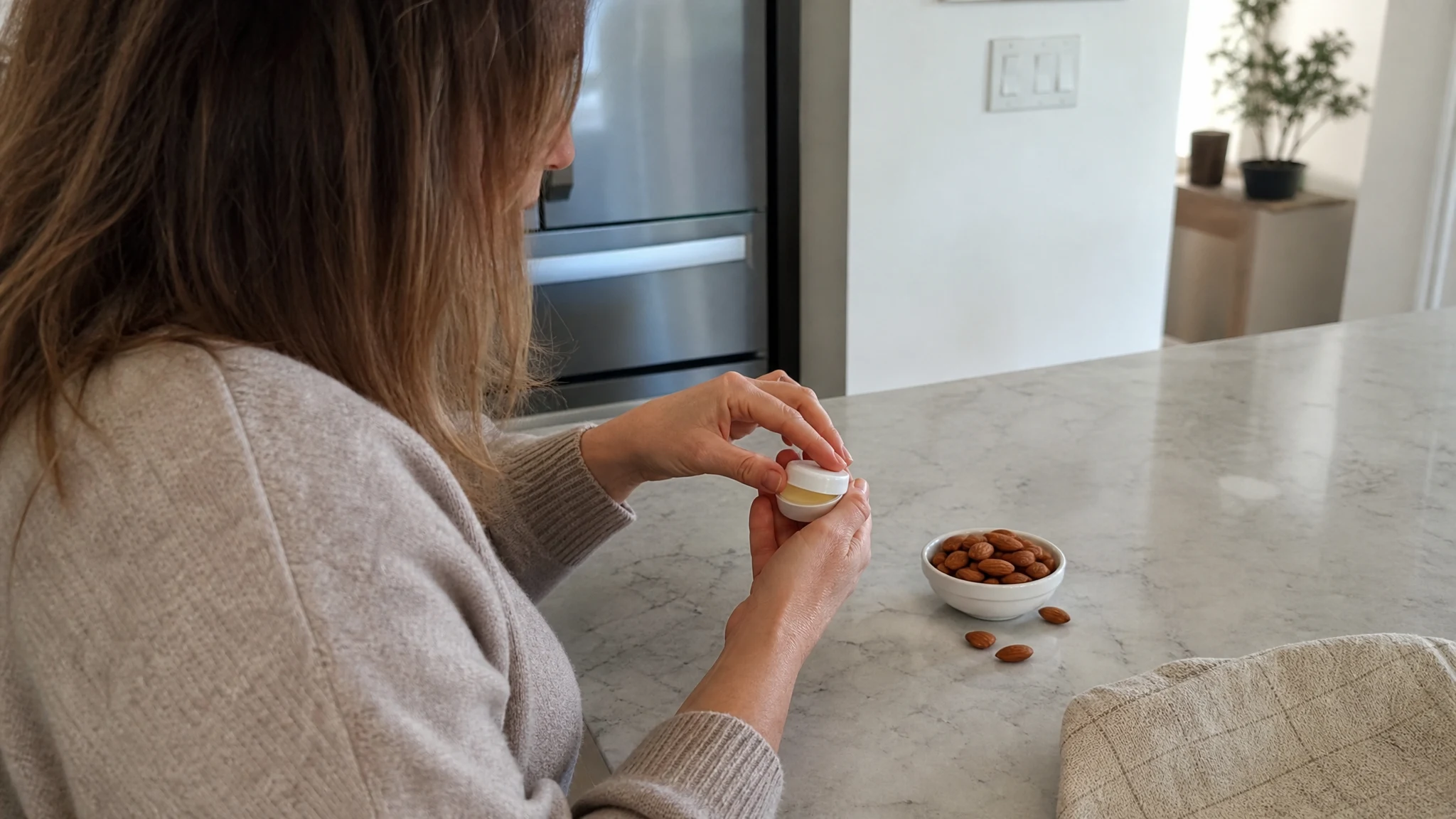
Once the tin has set, press a fingertip into it. A lighter balm gives easily, while a firmer one needs a little warmth from your fingers, which is your cue to rub it between your palms until it turns into a smooth, glossy film. Open the tin and you will notice a faint, sweet nutty note from the almond oil, along with the soft smell beeswax often has when no fragrance is added.
Keeping it fresh
The FDA lists dipped fingers and warm, damp storage among the ways cosmetics get contaminated, so scoop with a clean spatula or a clean, dry fingertip and keep the tin out of a steamy bathroom. A balm cannot outlast its shortest-lived ingredient, and our oil is at its best within about a year of pressing when stored cool and dark, so make small batches and date the tin.
If you prefer something pourable and wax-free, the DIY beard oil guide is the lighter route, and our beard care overview puts oil and balm side by side. Either way, a small tin that suits your skin is the point.
Label each tin with the date and the wax level so you can compare batches side by side and remember which one you liked best.

Sweet Almond Oil
Sweet Almond Oil from our own shop, in sizes from 0.5 oz to bulk.
From $9.99
Shop Now →Sources & Further Reading
- American Academy of Dermatology. A dermatologist's top tips for a healthy beard. aad.org
- American Academy of Dermatology. DIY treatment for 5 common beard problems. aad.org
- WHO Food Additives Series 30. 756. Beeswax. inchem.org
- Matuszewska-Mach E et al. Ensuring the Safe Use of Bee Products: A Review of Allergic Risks and Management. Int J Mol Sci, 2025. pmc.ncbi.nlm.nih.gov/PMC12732908
- American Academy of Dermatology. How to test skin care products. aad.org
- FDA. Microbiological Safety and Cosmetics. fda.gov