Almond Oil While Pregnant: What Health Sources Say
Pregnancy makes people curious about everything in the bathroom cabinet, and almond oil comes up often for two reasons: stretch marks and perineal massage. We are a small shop that sells an external cosmetic oil, not clinicians, so we will not tell you what is right for your pregnancy. What we can do is lay out what the major health sources actually say, so your questions to your midwife or OB/GYN are sharper.
Stretch marks: a question with a modest answer
About eight in ten pregnant women get stretch marks, and the NHS describes them as harmless. Its page on the subject says there is limited evidence about whether oils or creams help prevent them from appearing in the first place, and that creams claiming to remove existing marks lack reliable evidence.
The most thorough look is a Cochrane review of topical preparations for preventing stretch marks in pregnancy. It pooled six trials with 800 women and found no statistically significant difference in whether stretch marks developed (a risk ratio of 0.74, with a range running from 0.53 to 1.03). Its authors concluded that there is no high-quality evidence to support any of the topical preparations tested. None of the products named in the review was almond oil, and we make no claim that ours changes stretch marks.
The reassuring side of that story is that there is no wrong answer here. If you simply enjoy massaging an oil into your skin as part of the day, that is a comfort and a ritual, not a treatment. We explored it further in our stretch mark post.
Perineal massage: where almond gets named
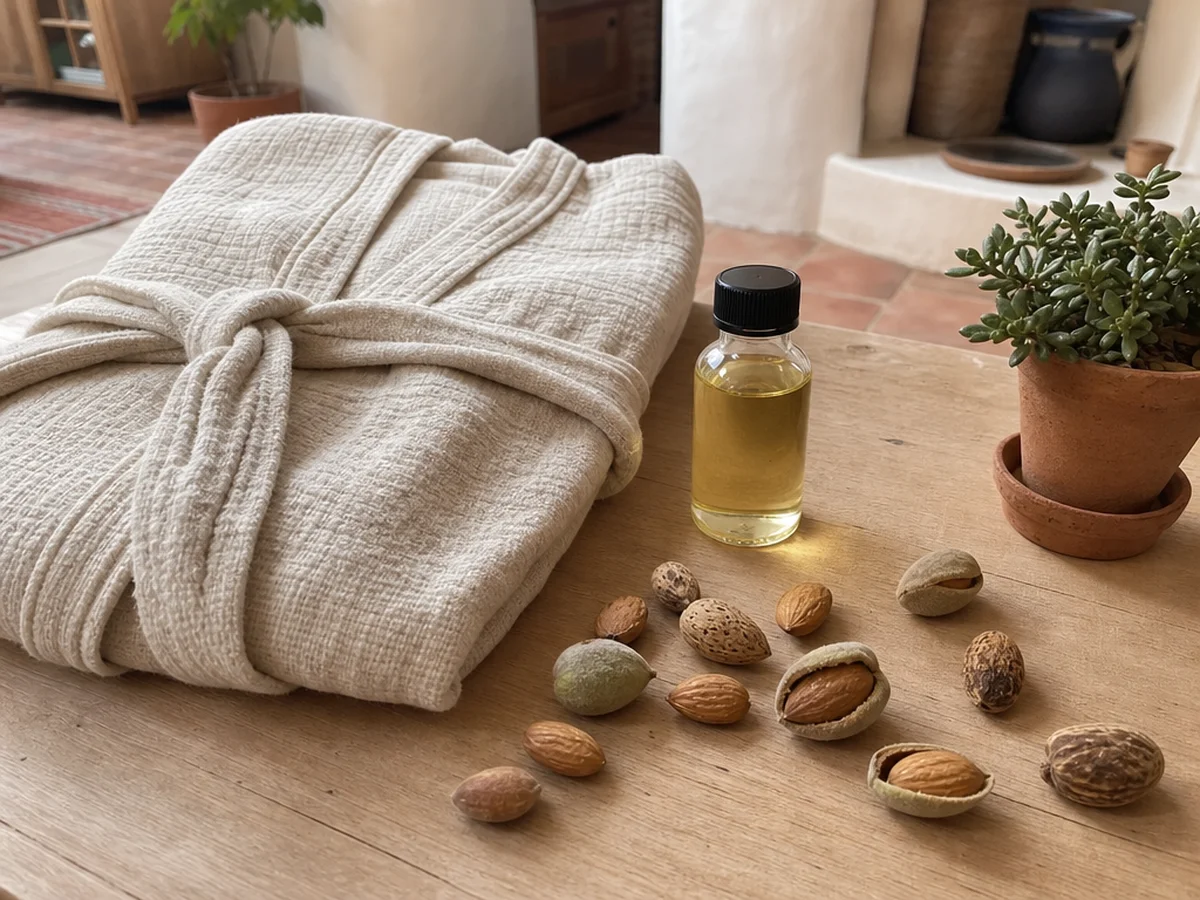
This is the pregnancy topic where almond oil is actually mentioned. The UK charity NCT, in its step-by-step guide, says massage can start from 35 weeks and be done daily, and suggests having "vitamin E, almond or vegetable oil" to hand if you use oil. It also says to speak to your midwife first if you suspect genital herpes, thrush or another infection.
The evidence for the massage itself is a separate matter. A Cochrane review of four trials with 2,497 women found that digital perineal massage in late pregnancy lowered the rate of trauma needing stitches and the rate of episiotomy, but only in women who had not given birth vaginally before. It made no difference to other kinds of tears. All of that concerns the massage, not any particular oil, and the technique deserves a conversation with your midwife rather than a web page. Our oil is made and sold as an external cosmetic oil, and we make no claims about it for this use. Read the perineal massage post if you want the sources in more detail.
The one thing we are firm about
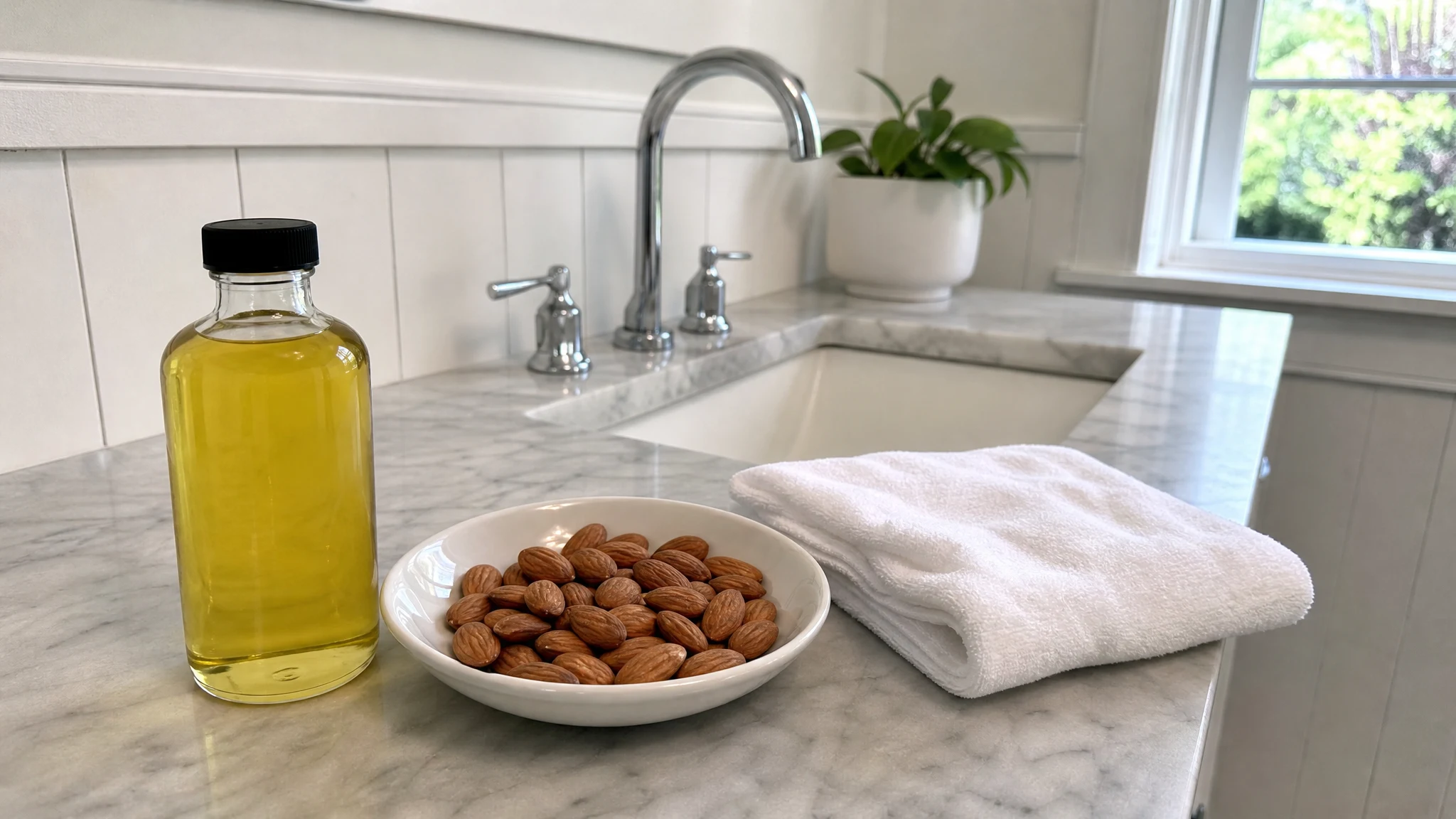
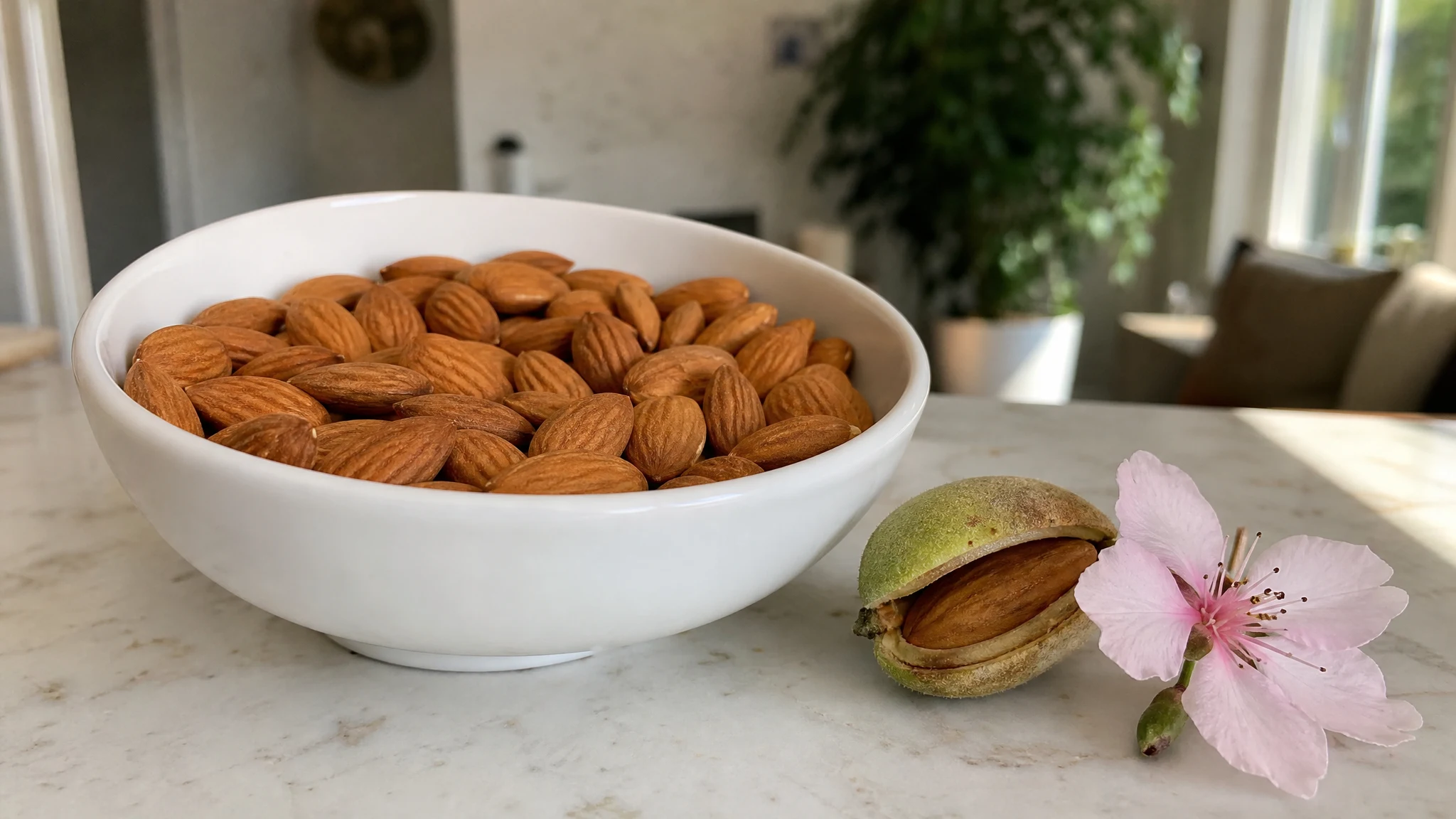
Allergy. Almond is a tree nut. Our oil is cold-pressed and unrefined, so trace almond protein is present, and if you have a tree nut allergy you should not use it. An allergist writing for the American Academy of Allergy, Asthma & Immunology explains that unrefined, cold-pressed nut oils tend to keep the protein that refined ones lose, and recommends asking the manufacturer how a nut oil was processed. We have answered that for ours. A patch test earns its keep with any new product: a small spot on the inner arm, twice a day for 7 to 10 days, as the American Academy of Dermatology describes.
If you are ever unsure about an old bottle at the back of the cupboard, check its date and smell before you decide anything. Oil that smells sharp or stale has had its time, and a new bottle with a clear pressing date is easy to judge.
A few ordinary habits
- Keep the oil away from your eyes.
- Skip anything with added fragrance or essential oils until you have asked your care provider; our oil is sold neat, with nothing added.
- The NHS says itchy skin is common in pregnancy, but worth mentioning to your GP or midwife, because it can occasionally have a medical cause that an oil will not address.
- Do not eat it. Ours is cosmetic grade and not marketed for culinary use.
Questions to bring to your appointment
It helps to arrive with a short list. A few you might jot down:

- Is there anything on my bathroom shelf you would like me to pause?
- Do you have a view on oils for belly massage?
- If I want to try perineal massage, when should I start and how should I do it?
- Which oil would you suggest if I have a nut allergy?
Take the bottles themselves, or a phone photo of the ingredient lists, so your midwife or OB/GYN can read exactly what you use.
A small ritual, if you enjoy it
Plenty of people simply like a few quiet minutes with their hands on a belly that is changing. If that is you, warm the oil between your palms, go slowly, and stop if anything stings or itches. Keep a towel under you, since oil marks fabric. Treat it as a pleasure and nothing more, and the pressure to get it “right” falls away.
Questions that go beyond skin and comfort belong with your OB/GYN or midwife, who know your pregnancy. If you want to talk about the oil itself, the contact page reaches us, and our nut allergy guide is a good next read.

Sweet Almond Oil
Sweet Almond Oil from our own shop, in sizes from 0.5 oz to bulk.
From $9.99
Shop Now →Sources & Further Reading
- NHS, Stretch marks in pregnancy
- Cochrane, Topical preparations for preventing stretch marks in pregnancy
- NCT, How to do perineal massage: a step-by-step guide
- Cochrane, Antenatal perineal massage for reducing perineal trauma
- American Academy of Allergy, Asthma & Immunology, Food allergy: nut oils in topical products
- American Academy of Dermatology, How to test skin care products
- NHS, Itchy skin