Perineal Massage Oil: What the Research and Leaflets Say
Of everything in a pregnancy to-do list, perineal massage is one of the few that comes with a proper systematic review behind it. The oil you use for it, on the other hand, is barely discussed in the research at all. Here is how those two things fit together.
What the trials looked at
The Cochrane review on antenatal perineal massage pooled four trials with about 2,500 women, comparing massage done by the woman or her partner in the last weeks of pregnancy with no massage. For women having a first vaginal birth, massage was linked to fewer episiotomies and fewer injuries needing stitches. For women who had given birth vaginally before, the benefit that stood out was less pain around the perineum three months after the birth. The review found no difference in the most serious tears, in instrumental births, or in sexual satisfaction.
Put plainly, the findings are modest and specific, and the review's searches ran to 2012, so your midwife is the right person to say how they translate to current practice. Cochrane describes the schedule as starting around 35 weeks, for at least the last four weeks of pregnancy.
What the leaflets say about oil
Practical guides add the how-to. NCT, citing the Royal College of Obstetricians and Gynaecologists, describes a daily routine from 35 weeks: thumbs a few centimetres inside, pressing down and out to the sides until you feel a stretch, then a U-shaped sweep along the lower wall for a few minutes. An NHS Borders leaflet starts a week earlier, at 34 weeks, and both name a handful of lubricants. NCT mentions vitamin E, almond or vegetable oil "if using", and the NHS Borders leaflet lists vitamin E oil, almond oil or olive oil.
That wording tells us something useful. Neither leaflet crowns a winner, and the review does not say which lubricant the trial participants used. So the trial benefit belongs to the massage itself, and the oil is a comfort choice you make with your midwife.
Questions worth bringing to your midwife
Appointments go quickly, so it helps to arrive with a short list. Ask when she would like you to start and how she would show you the technique if you feel unsure. Ask whether anything in your pregnancy means you should skip it. Ask which lubricant she prefers, and whether she would rather you use a water-based one. Write the answers down, because it is surprisingly easy to forget them by the time you are home.
Partners are often part of this routine, so it can be worth sharing the notes, or even bringing them along. Clean hands and short, smooth nails are plain common sense for anyone doing the massage, and an unhurried, private moment matters more than any product on the shelf.
Every pregnancy arrives with a pile of advice from relatives, apps and friends, and it can feel like one more task on the list. It is fine to treat this as a conversation to have at your own pace. Your midwife has seen this question many times and will not mind being asked.
Where our oil stands
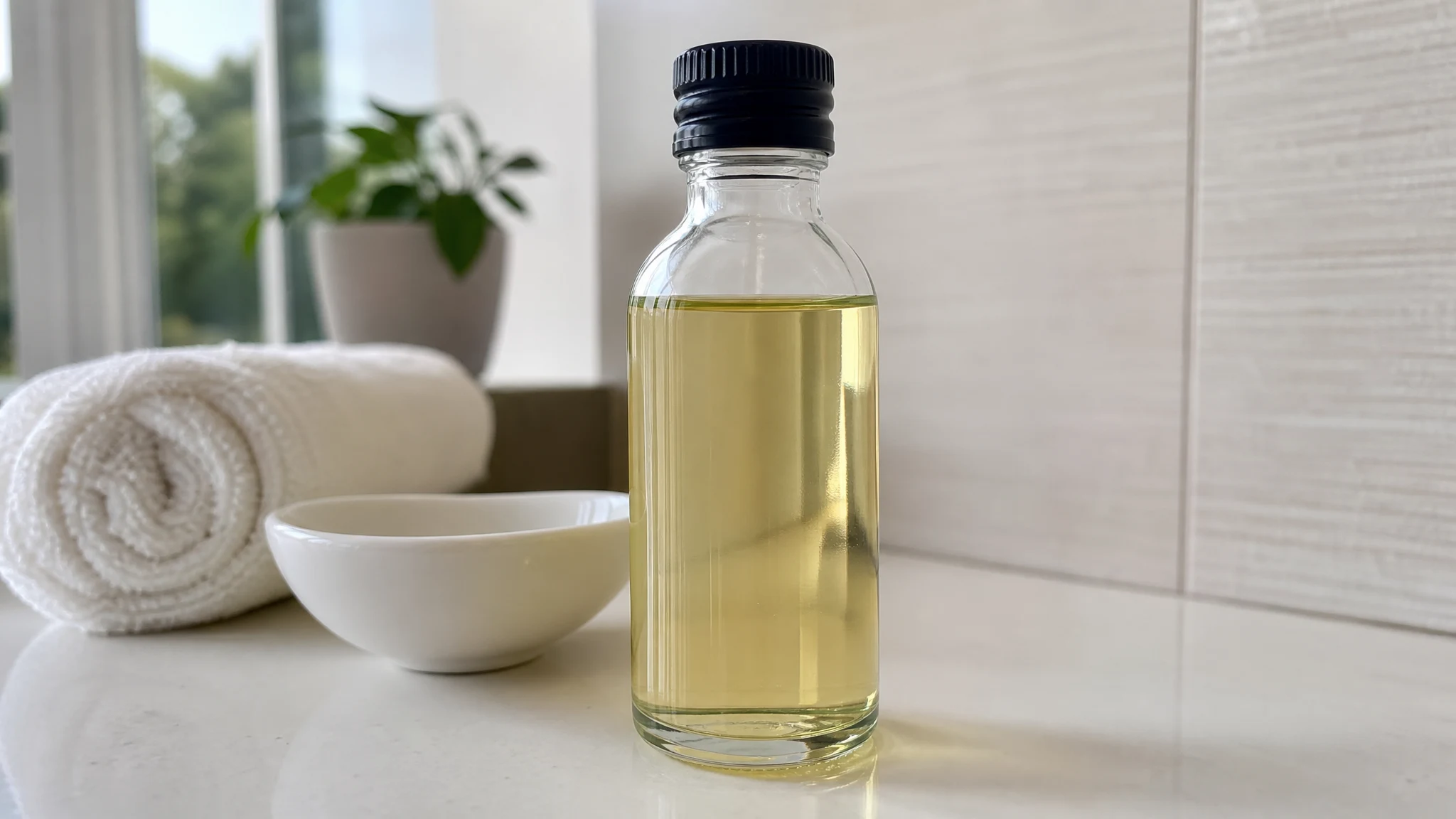
We press and sell a sweet almond oil for external cosmetic use, and perineal massage is a different kind of use that we do not market it for. We say so plainly because it is the honest answer, and because a few practical points make the choice more personal than it looks.
- Tree nut allergy. Our oil is cold-pressed and unrefined, so trace almond protein is present, and anyone with a tree nut allergy should not use it. Allergists note that refined nut oils generally lack the protein while unrefined, cold-pressed ones can keep it, which is worth asking any supplier about. Our nut allergy guide and our refined versus unrefined guide explain the difference.
- Infections. Both leaflets say to speak to your midwife first, or skip the massage, if you have a vaginal infection such as thrush or herpes.
- Your pregnancy. If anything about your pregnancy is complicated, your midwife or OB/GYN decides whether this is right for you.
The leaflets also treat oil as optional, and a midwife can talk you through water-based alternatives if you would rather not use an oil.
If you simply like the feel of a plain oil
Plenty of people just enjoy a soft, nutty-smelling oil on their arms or shoulders at the end of the day. Ours is faintly golden with a gentle almond scent, glides easily and leaves a non-greasy finish, so a small amount goes a long way. Pour a little into your palm rather than dipping your fingers into the bottle, and keep it in a cool cupboard so the scent stays soft. If the smell ever turns sharp or stale, retire the bottle.
A skin routine around it
If you are keen to use almond oil on the rest of your skin during pregnancy, patch test it first on your forearm, the way we describe in our patch test guide. A forearm test tells you about forearm skin and nothing more, so it is a starting step and never a clearance for internal use. Our pregnancy FAQ covers the other questions people ask us about almond oil at this stage.
The simple summary is that the massage has the evidence, the oil is a detail, and the person to settle that detail is the midwife who knows your pregnancy. Ask her how to do it, when to start and what to use, and let her answer lead.
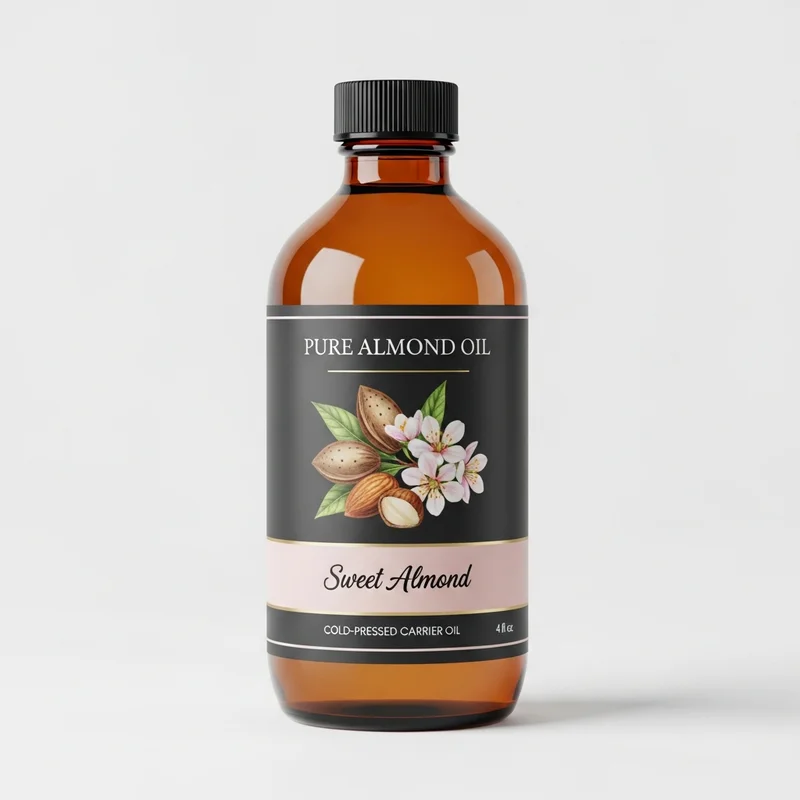
Sweet Almond Oil
Sweet Almond Oil from our own shop, in sizes from 0.5 oz to bulk.
From $9.99
Shop Now →