Almond Oil Granola: A Weigh-and-Bake Recipe
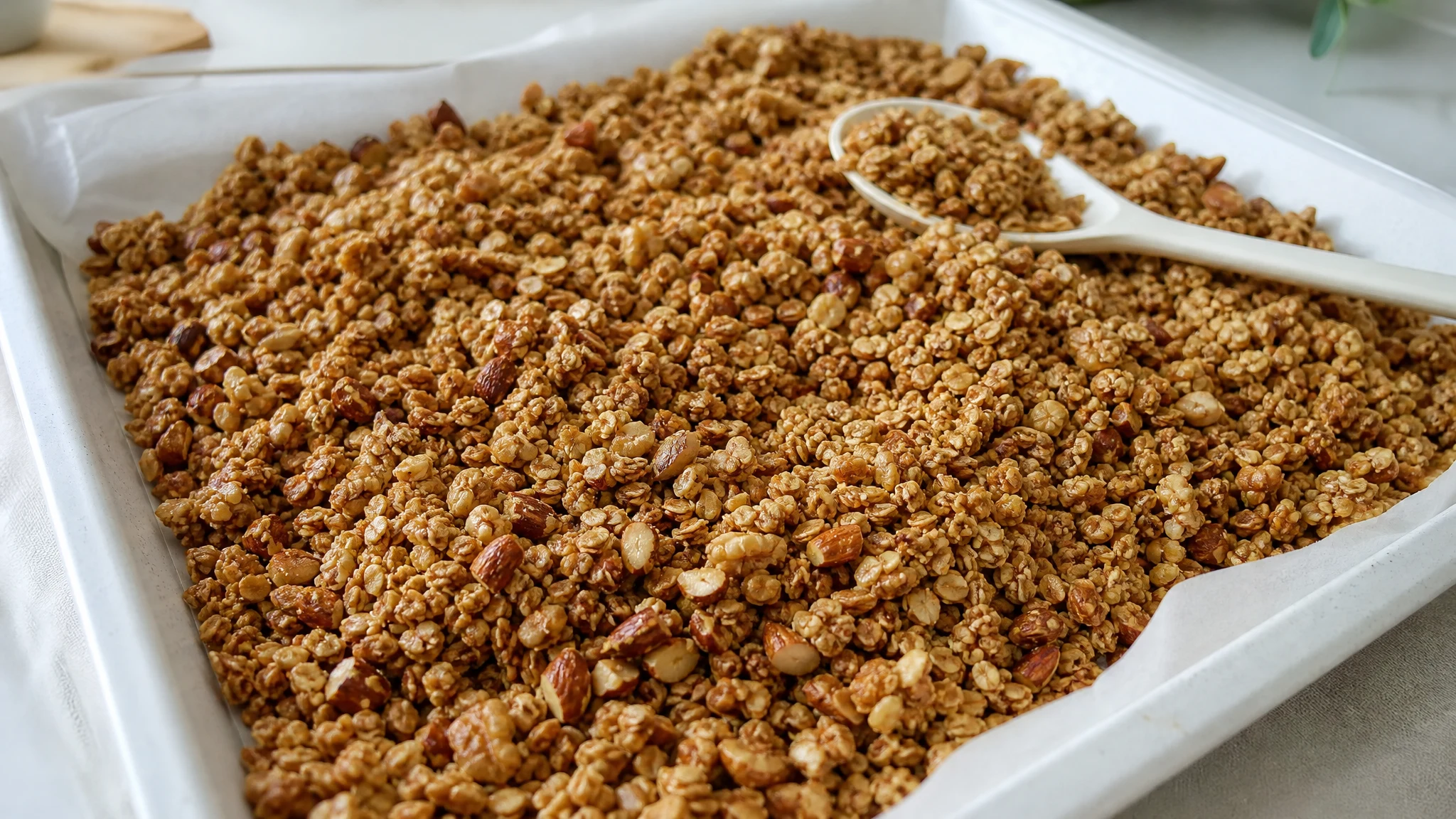
Weigh your oats, nuts, honey and a little food-grade almond oil, bake low until golden, and you have crunchy, nutty clusters. Formula inside.
Almond Oil for Stretch Marks: What the Studies Found
Rubbing oil on a growing belly is a ritual many love. Here is what two almond oil trials, Cochrane and dermatologists say about itching, massage and marks.
Jojoba vs Almond Oil: Why One Is a Liquid Wax
Jojoba is about 98% wax, while almond oil is a true oil. That one fact explains shelf life, recipe swaps and how to choose between the two.
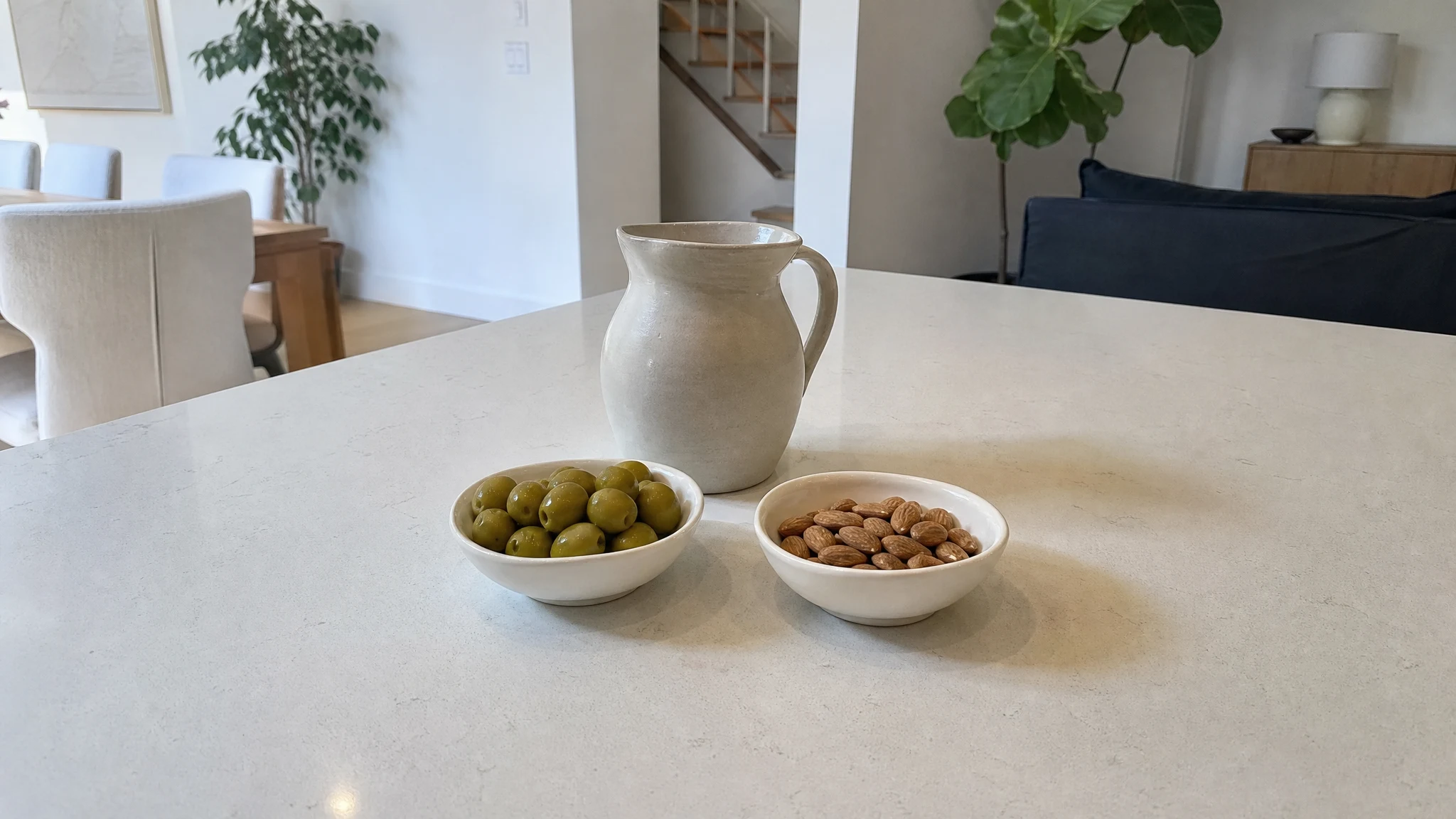
Olive Oil vs Almond Oil for Skin: What a Study Shows
Not every natural oil behaves alike on skin. A forearm study on olive oil shows why, and what it means when choosing almond oil instead.
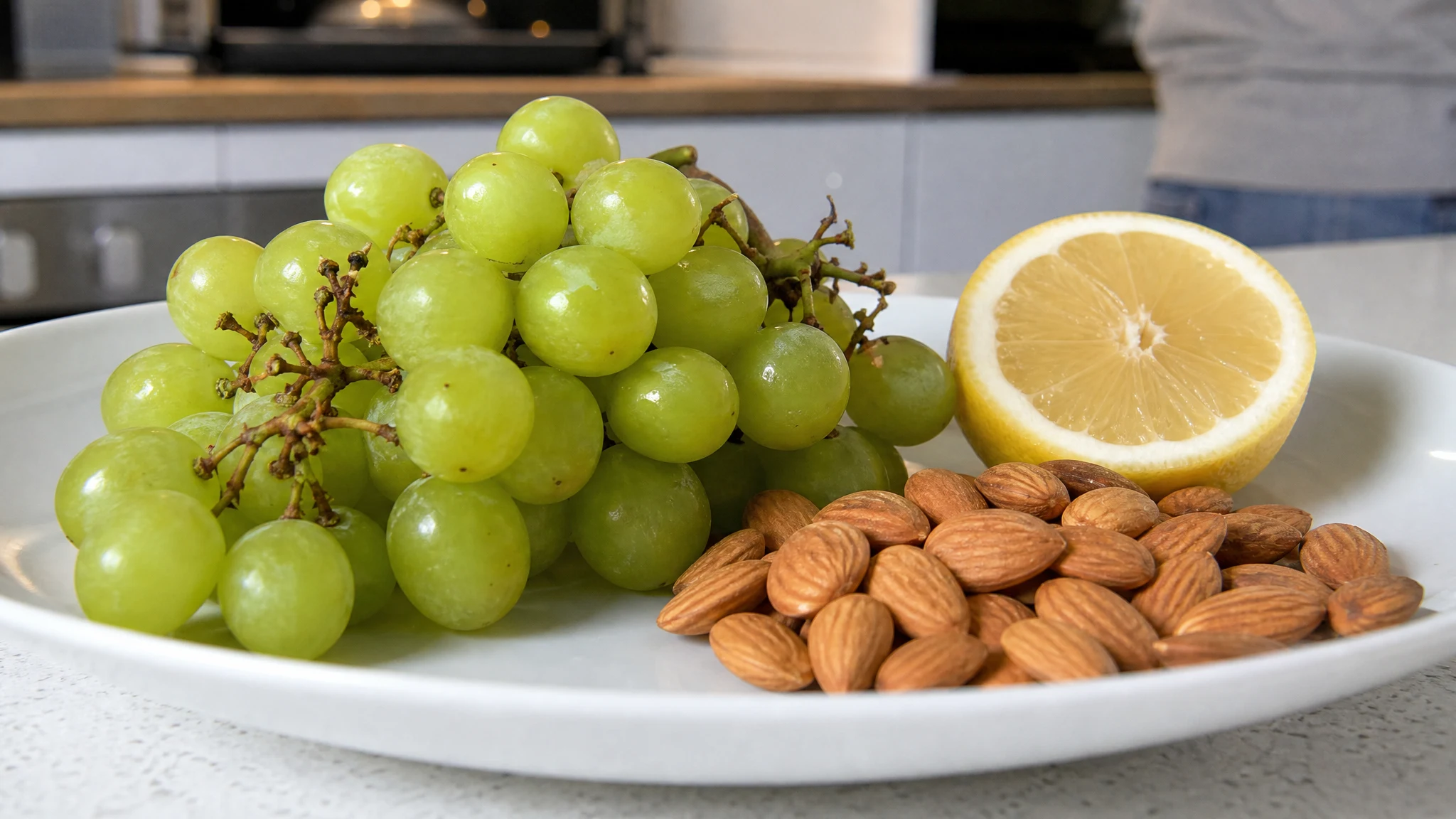
Grapeseed vs Almond Oil: Which Stays Fresh Longer?
Both oils pour thin and golden, but only one is mostly linoleic acid. Here is why that changes shelf life, storage and how you blend with it.
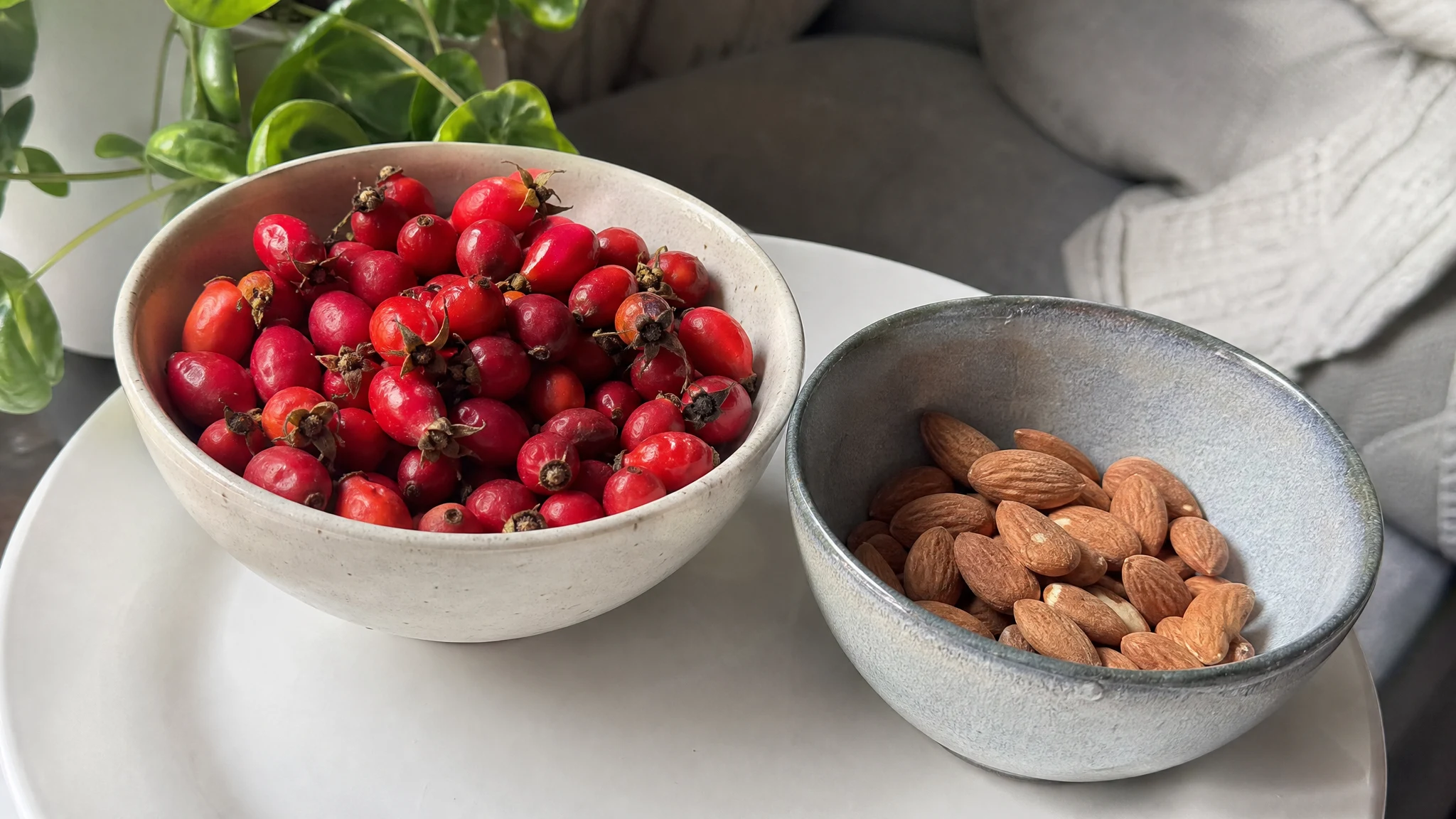
Rosehip Oil vs Almond Oil: Which Bottle Fits You?
Rosehip leans on linoleic acid, almond on oleic acid. See what that means for freshness, storage and which face oil suits your routine.
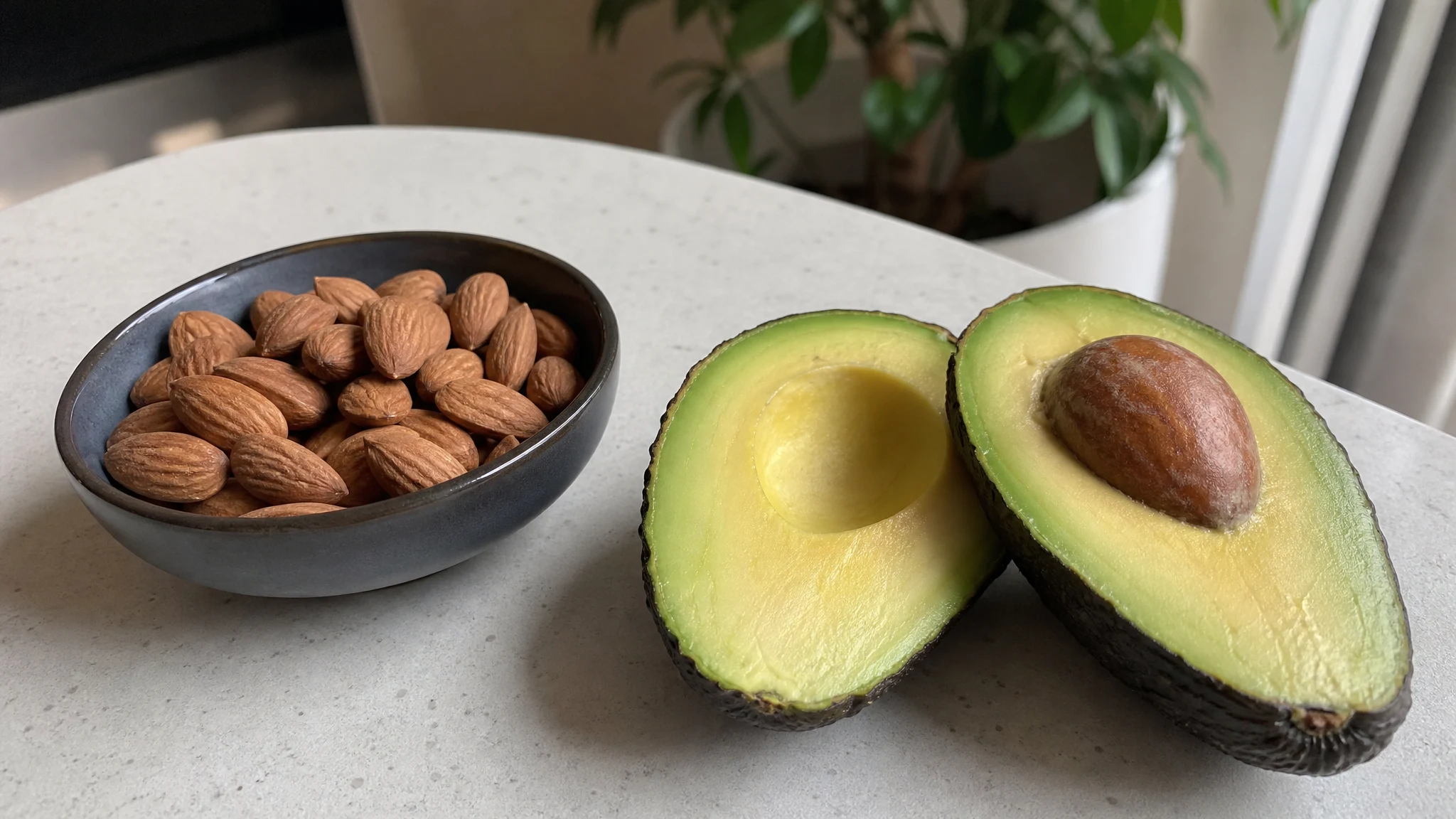
Almond Oil vs Avocado Oil for Very Dry Skin
Almond or avocado for very dry skin? Dermatologists reach for ointments first, so we look at where each oil fits and what the one head-to-head study found.
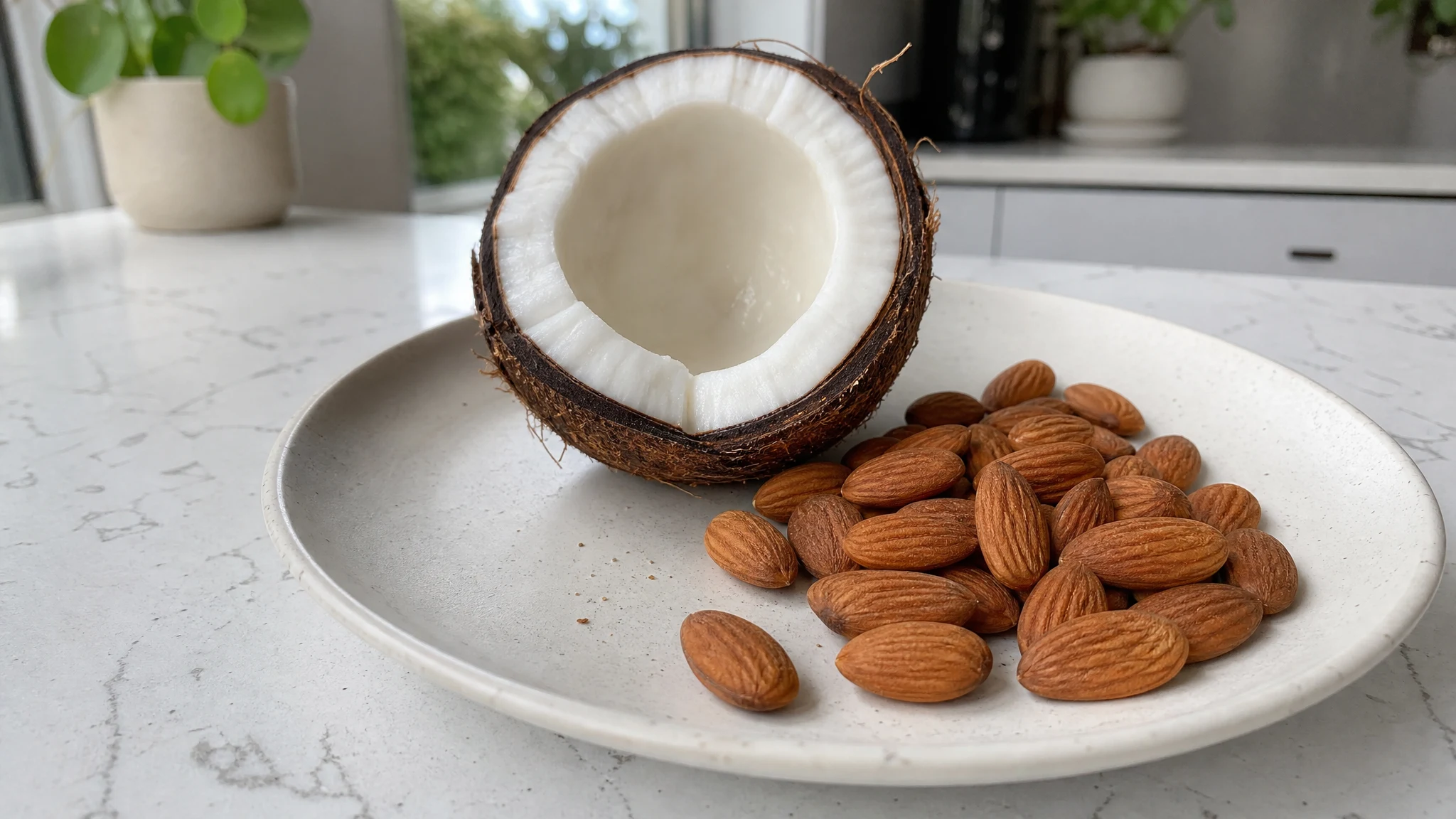
Almond vs Coconut Oil for Cooking: What to Know
Smoke point charts rarely tell you which oil to cook with. We look at what heating studies show and why our cosmetic almond oil is not for food.
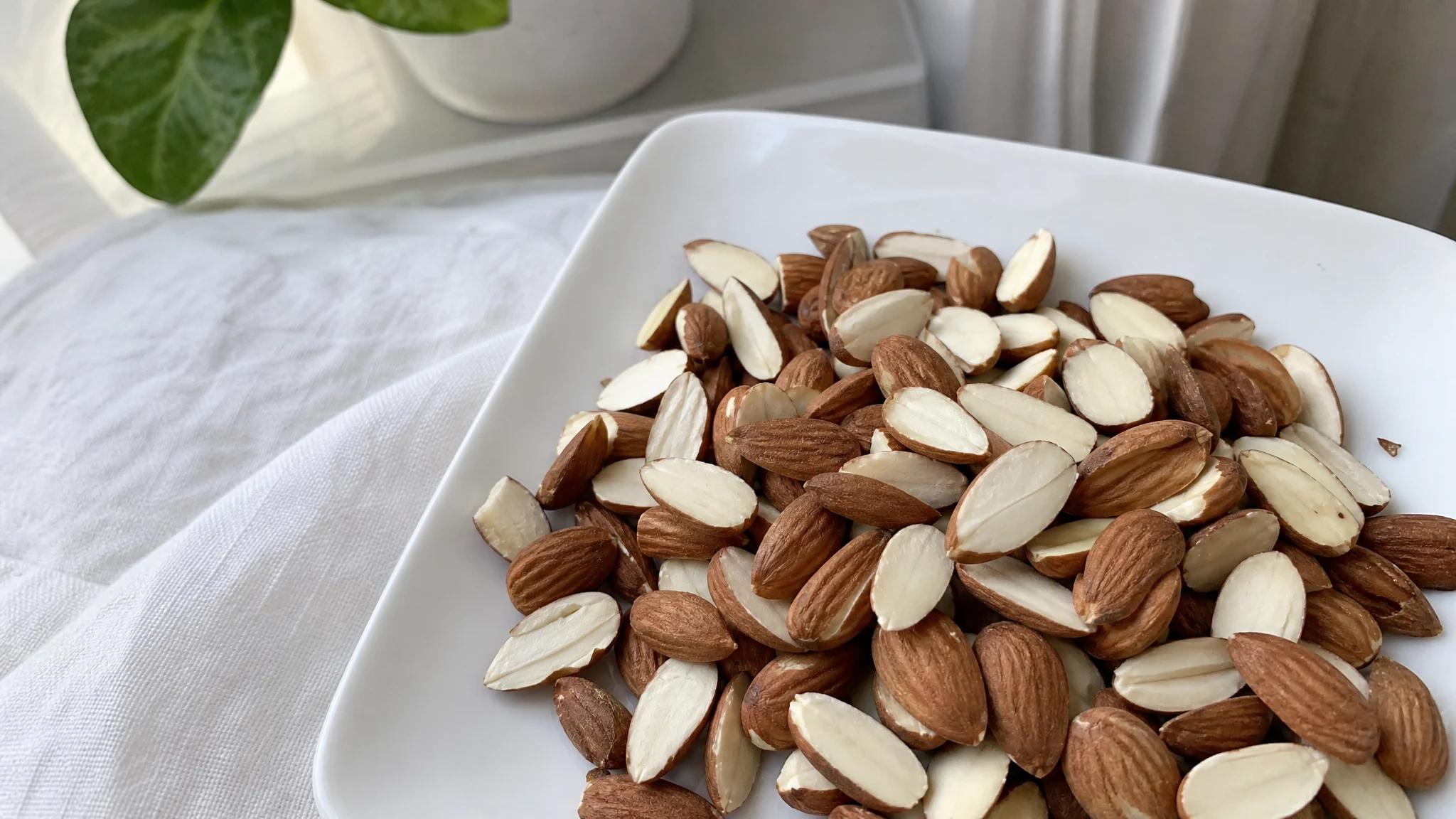
Almond Oil Fatty Acids: Oleic vs Linoleic Explained
Why do almond oil fatty-acid numbers differ from page to page? A seesaw between two acids, shaped by variety, place and freshness. We explain it plainly.

Almond Oil for Nails and Cuticles: Nightly Routine
Protect hands from water by day, then use a few drops of almond oil and a cotton glove at night: a simple routine for nails and cuticles.
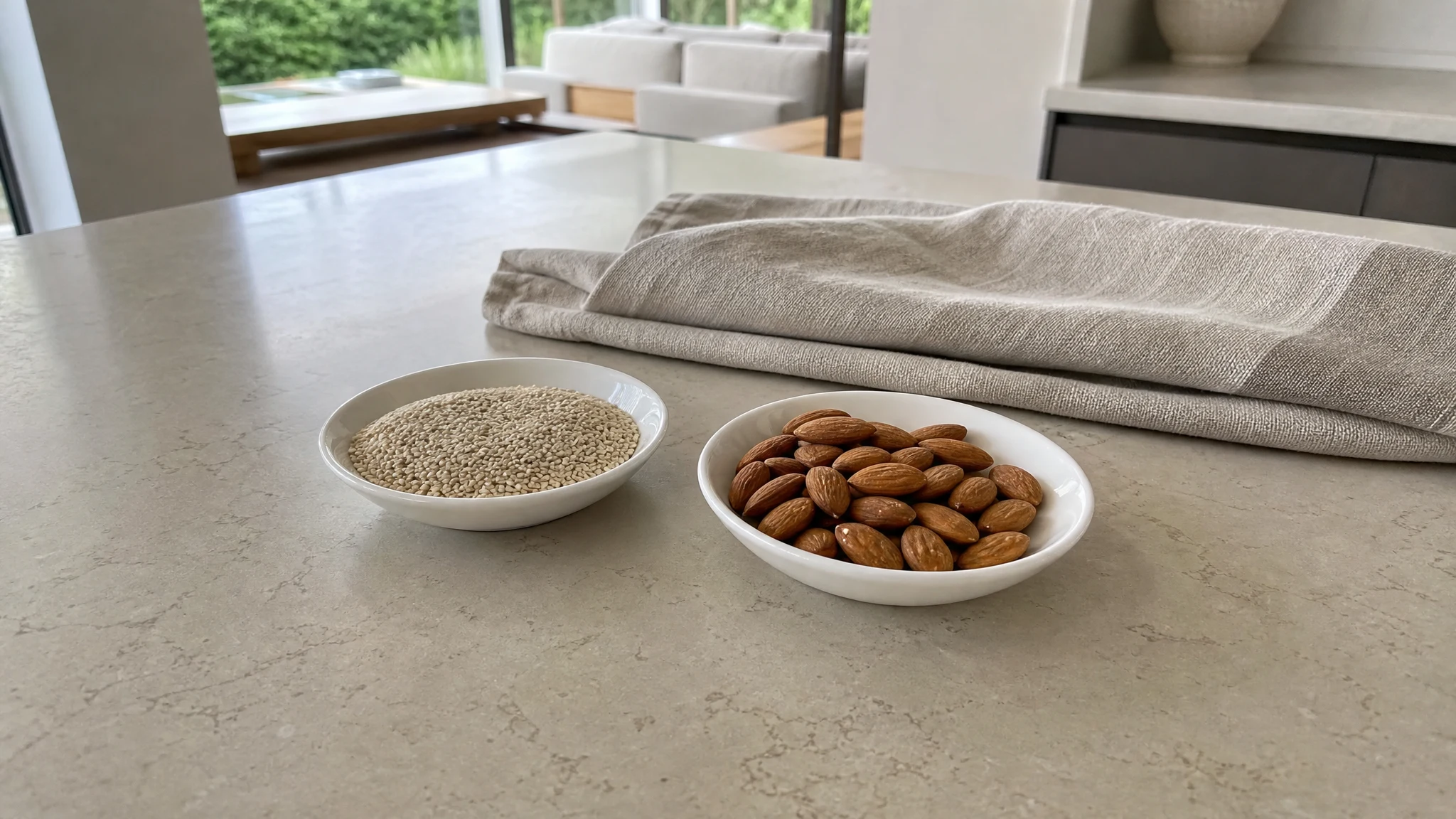
Sesame vs Almond Massage Oil: Allergies and Feel
Before glide or scent, ask about nut and sesame allergies. See why labels can miss them and how to handle massage oils and linens safely.
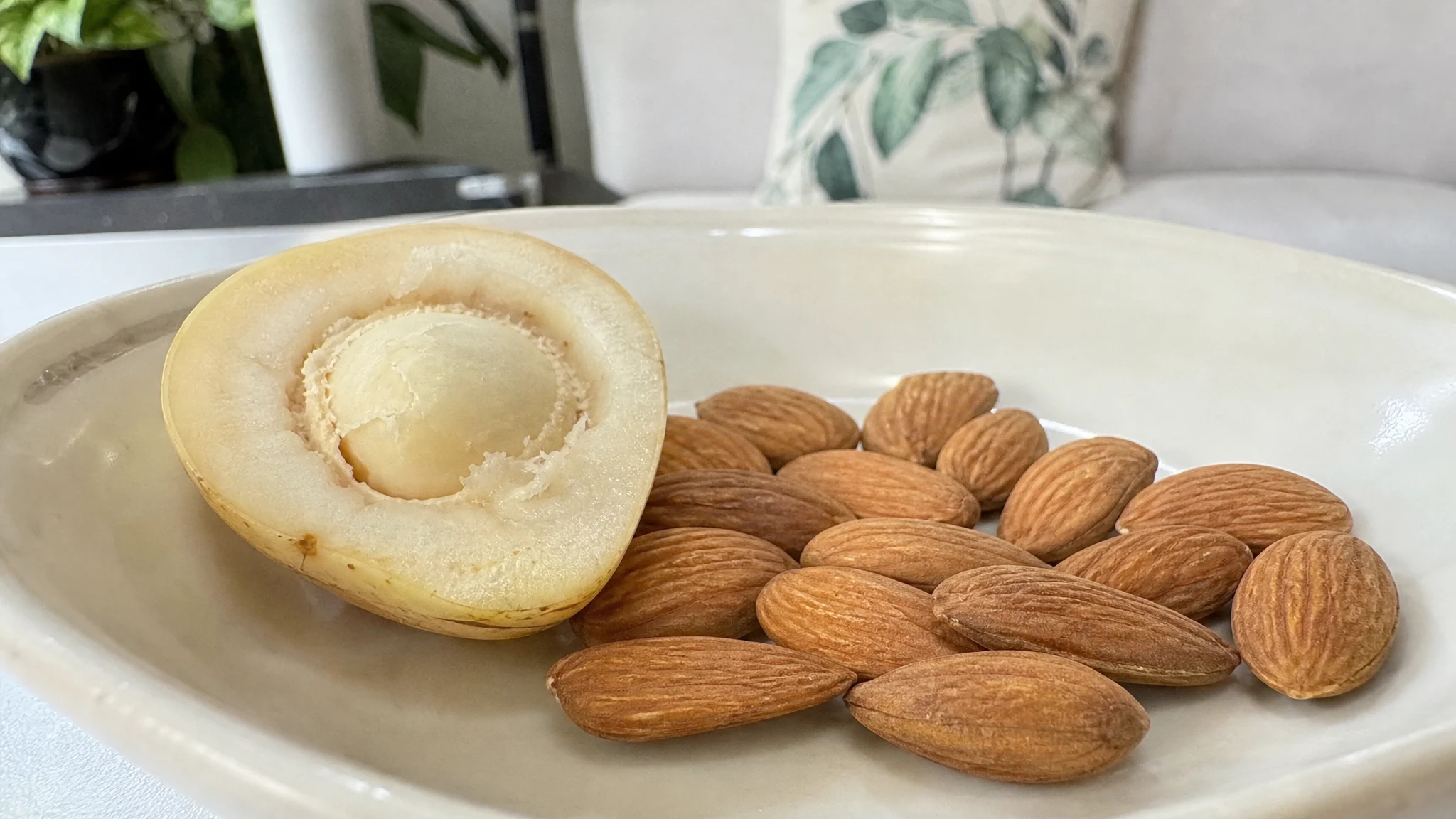
Marula vs Almond Oil: How Similar Are They?
Marula sounds exotic and almond sounds familiar, yet both are oleic-rich oils. Here is what has been measured and what really sets them apart.