Almond Oil vs Avocado Oil for Very Dry Skin
If your skin is properly dry, neither almond oil nor avocado oil is the heavy hitter. Dermatologists point to creams and ointments for that job, and a plant oil works best as a supporting layer. Between the two oils, though, there is one small study worth knowing about, and a few buying details that are easy to miss.
What dermatologists reach for first
The American Academy of Dermatology says ointments and creams add more moisture than lotions, and recommends moisturizing several times a day, particularly while skin is still damp after bathing. Its list of helpful ingredients includes petrolatum, shea butter, jojoba oil, glycerin and others. Almond and avocado oil are not on it. That does not make them useless. It means a good oil is a nice finishing step, and it is not the base layer. If skin cracks, stings or stays rough, the same page says to see a board-certified dermatologist, since persistent dryness can be linked to atopic dermatitis, psoriasis or kidney disease.
The one study that compared them
A 2026 study (Nieć and colleagues) tested avocado oil, sweet almond oil and mixtures of the two on 20 healthy women aged 20 to 28, using instruments that measure hydration and water loss. Sweet almond oil gave the greatest improvement in barrier function, while avocado oil tended to lower moisture on skin with an experimentally impaired barrier. The abstract is brief on design and numbers, and it does not say whether the almond oil was cold-pressed or refined. It is a promising signal about a small group, not a verdict on chronic dry skin.
The wider picture is gently encouraging for almond, with a caveat. In a randomized pilot of 32 completers, almond oil, coconut oil, jojoba oil and white petrolatum all raised hydration after two weeks of twice-daily use, with no significant differences among them. So almond did as well as its competitors there, which is a fair way to describe it: a pleasant, dependable oil rather than a miracle.
Two oils, two different raw materials
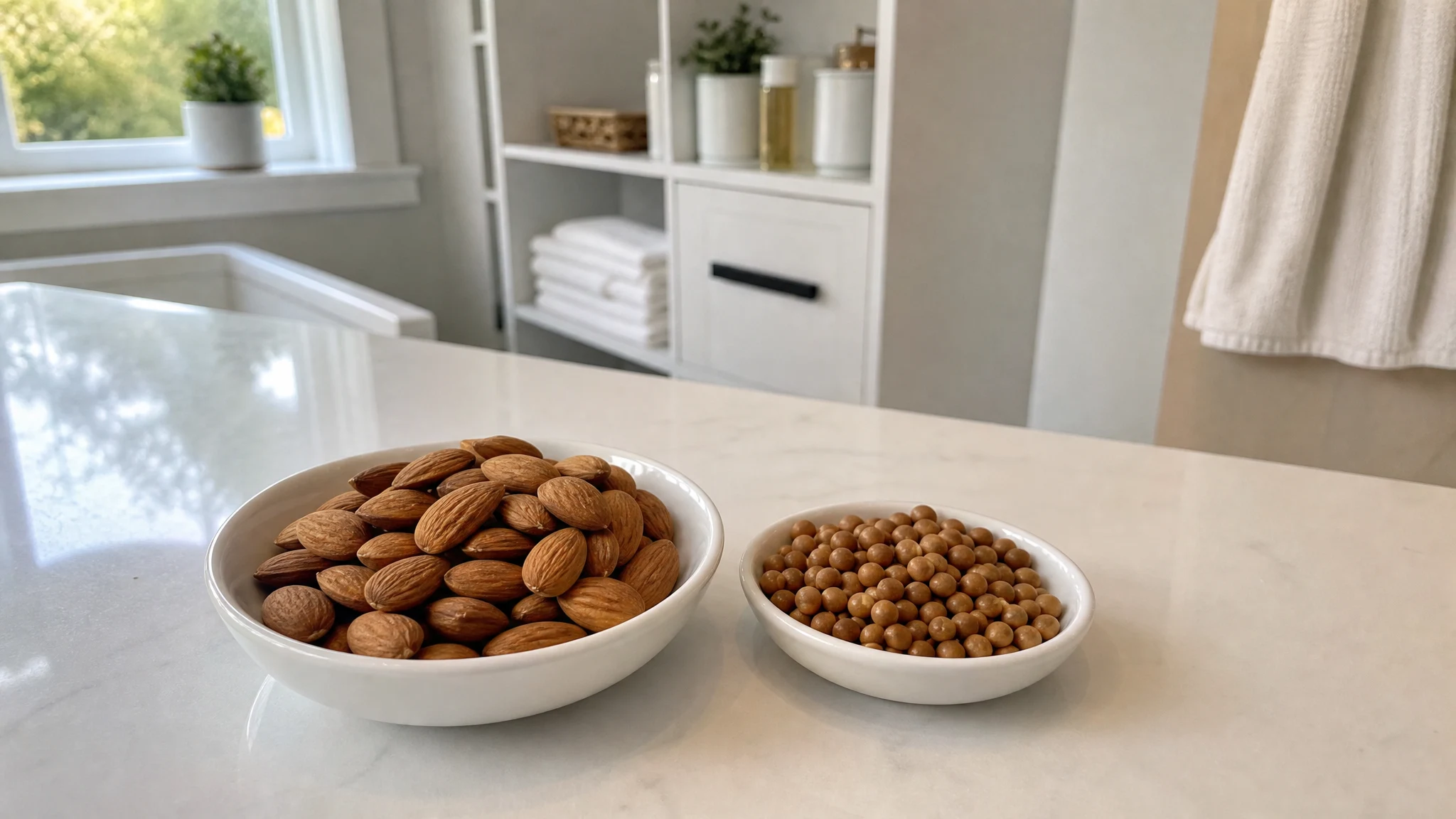
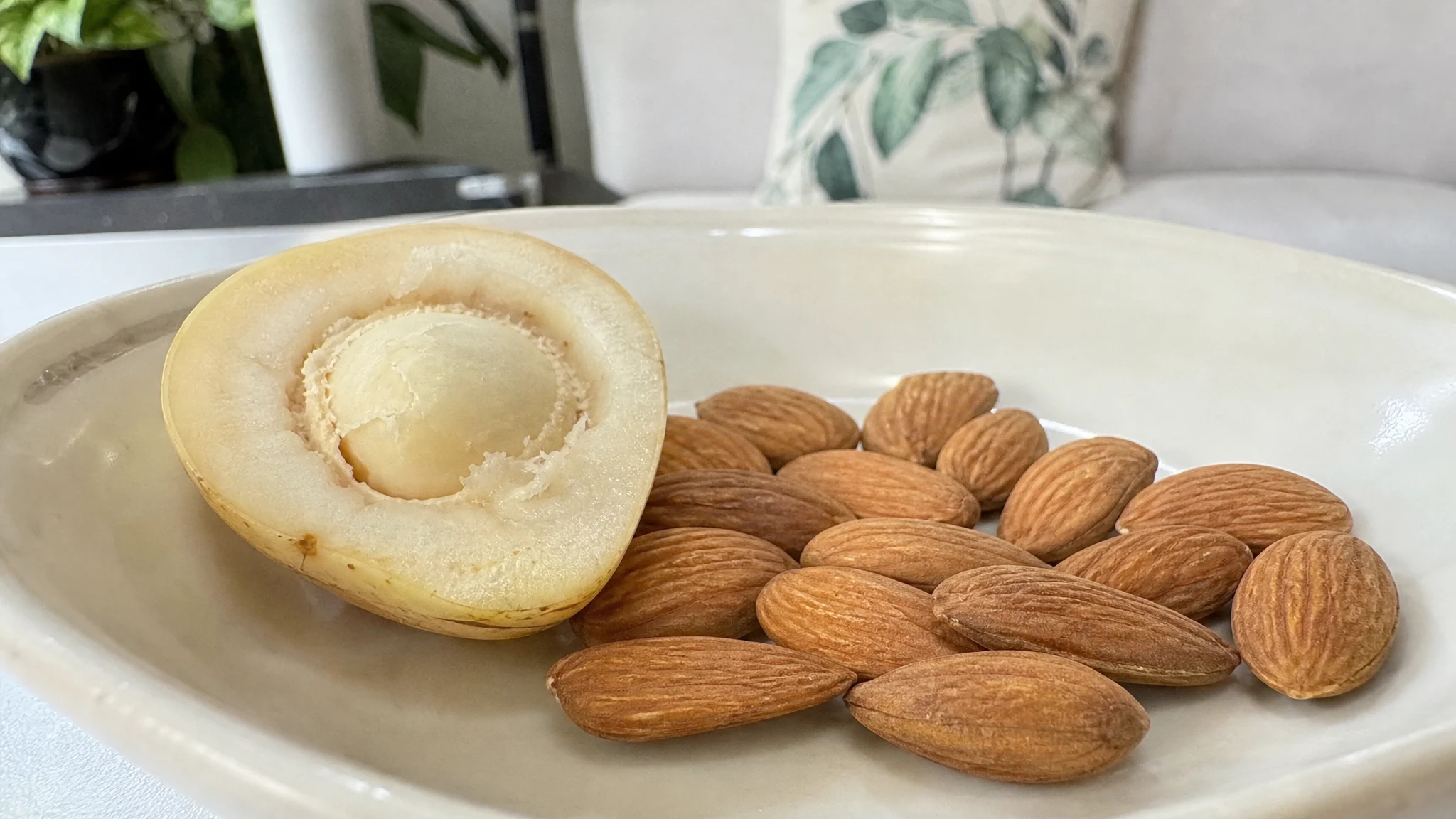
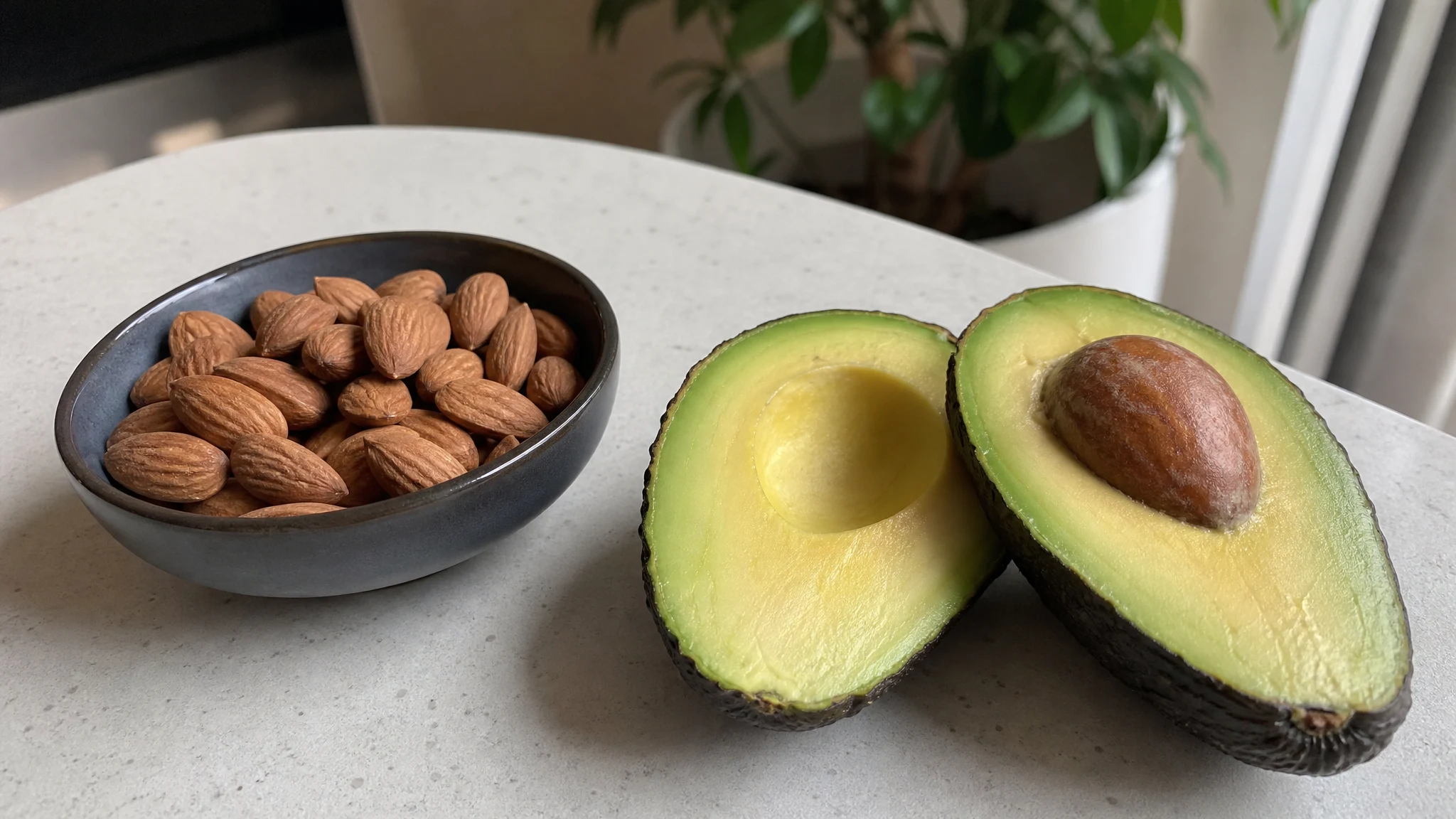
Avocado oil is pressed from fruit pulp and almond oil from kernels, and that matters at the shelf. A review of avocado oil reports that no international regulation defines avocado oil quality, and that two Chilean oils both labelled extra virgin differed significantly on quality markers. So the label names the fruit but tells you little about how it was made. That applies to almond oil as well, which is why we ask sellers, and expect to be asked, about pressing temperature and lot paperwork. For our part, we press below 40 C (104 F) and sell the oil unrefined, and a lot's paperwork is available if you write to us through the contact page.
From the same review, Hass avocado oil carries roughly 42 to 51 percent oleic acid, well below the 62 to 76 percent seen across almond kernels in a 31-genotype study (general almond figures, not ours). Whether that gap shows on skin has not been tested, so we will not say it does.
Pick them up and compare
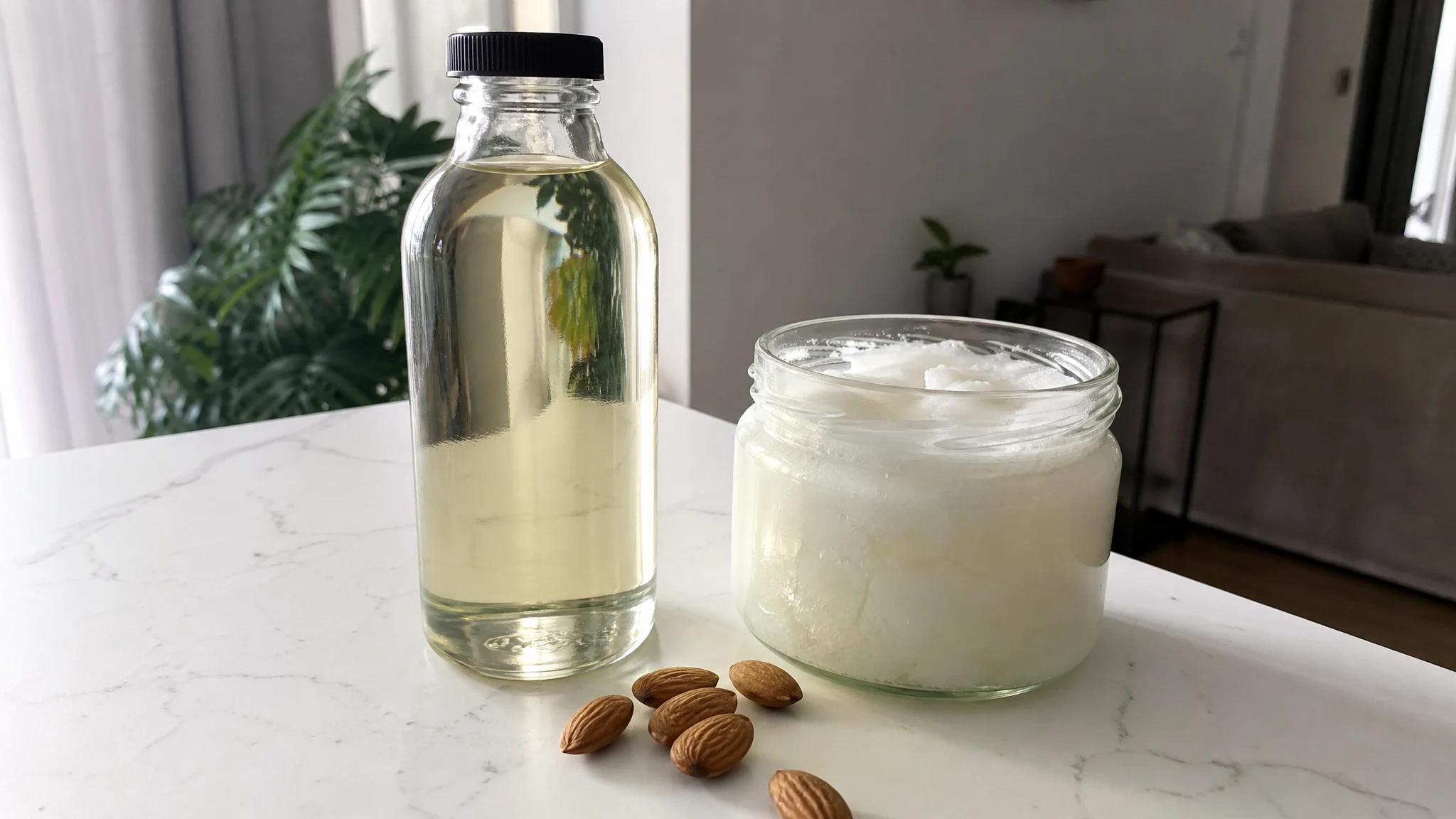
Studies only go so far, so use your senses too. If you have both oils at hand, put a drop of each on the back of your own hands and wait a few minutes. Avocado oil is pressed from the fruit, so you will likely notice a different color and scent. Ours is a thin, faintly golden oil with a soft, lightly sweet, nutty smell, and it absorbs quickly with a non-greasy finish. Pay attention to which one you would be happy to reach for on a busy morning, because the oil you actually use will always beat the oil that looks best on paper.
A sensible way to choose
- Check allergy first. Almond is a tree nut, and our oil is unrefined, so anyone with a tree nut allergy should not use it. Avocado is a different matter, and an allergist is the right person to ask.
- Decide the job. For heavy dryness, begin with a cream or ointment and let an oil sit on top. For a light, fragrance-free finishing oil after a short warm bath, almond is a reasonable fit. Applying on damp skin is our suggestion, built on the dermatologists' advice about trapping moisture.
- If skin is cracked, weeping or inflamed, skip both oils and see a dermatologist.
- Patch test a small area and wait a day before wider use. Keep oils away from your eyes.
A damp-skin routine, step by step
Here is how we would put the dermatologists' advice into practice, as a suggestion rather than a rule. After a short warm bath or shower, pat dry with a towel and leave your skin slightly damp. Smooth on your cream or ointment first, especially on the driest patches. If you like the feel of an oil, add just two or three drops on top, then give it a minute to sink in before you dress. Keep the bath short and warm, not hot, since that is easier on dry skin.
Our oil is a cosmetic sweet almond oil, so it is a fit for someone without a nut allergy who wants a plain oil on skin or as a carrier. We do not sell avocado oil and do not claim almond oil manages any skin condition. For a fuller routine, see our dry skin guide, the olive oil comparison and our skin guide.
The best moisturizer for very dry skin is usually the one you will use every day, and an oil can be a lovely finishing touch on top of it.
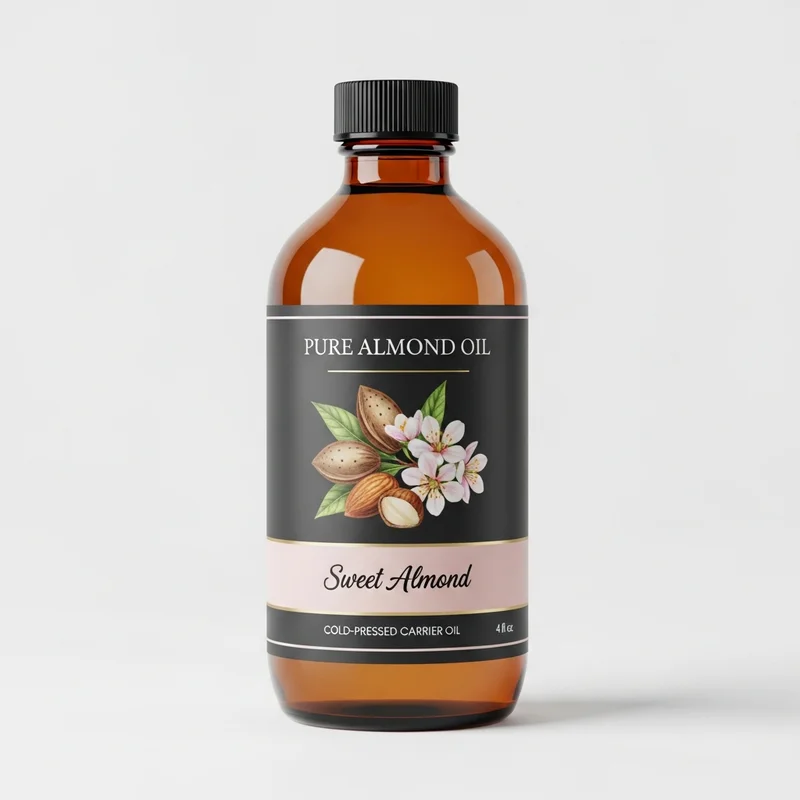
Sweet Almond Oil
Sweet Almond Oil from our own shop, in sizes from 0.5 oz to bulk.
From $9.99
Shop Now →Sources & Further Reading
- American Academy of Dermatology. Dermatologists' top tips for relieving dry skin. aad.org
- Nieć K, Sacha K, Kurkiewicz-Piotrowska A, 2026. The effect of avocado oil and sweet almond oil on basic biophysical characteristics of skin in healthy young women. Aesthetic Cosmetology and Medicine 15(4):201-207. aestheticcosmetology.com
- Vaughn A et al., 2018. Multi-Center Randomized Clinical Study of The Effects of Natural Oils on Xerosis and Skin Barrier Properties. SKIN The Journal of Cutaneous Medicine. skin.dermsquared.com
- Flores M et al., 2019. Avocado Oil: Characteristics, Properties, and Applications. Molecules 24(11):2172. PMC6600360
- Ozcan MM et al., 2020. Effect of almond genotypes on fatty acid composition, tocopherols and mineral contents and bioactive properties of sweet almond (Prunus amygdalus Batsch spp. dulce) kernel and oils. J Food Sci Technol 57(11):4182-4192. PMC7520497