Almond Oil on Tattoos: Fresh Ink vs Healed Skin
Ask ten people how to look after a new tattoo and you will get ten different answers, often with a favorite oil in the mix. We sell a cold-pressed sweet almond oil, so we get the question, and our honest answer has two parts: a fresh tattoo is your artist's territory, and healed skin is a different story.
A new tattoo is a wound
Ink sits beneath broken skin, which is why the FDA's tattoo fact sheet spends its time on risks: infection, allergic reactions (which can turn up years later), granulomas, keloids and complications with MRI scans. It notes that contaminated ink can cause infections even when an artist works hygienically. What the page does not do is name an aftercare product, and neither does the American Academy of Dermatology's tattoo page. Our own search of the research turned up no trial of almond oil on tattoos, or one that compares aftercare products head to head.
So the strongest instruction you have is the one your tattooist gives you for that piece, in that style, with that covering. Following it also helps you if something looks wrong, because a plain unrefined nut oil added to a fresh wound would make it harder to tell whether redness or a rash comes from the ink, an infection or the oil. That is our reasoning rather than a study result, and it is why we do not suggest oil on a new tattoo.
Questions worth asking your artist
Before the appointment, ask what they recommend for the first weeks and for the months after, and write the answers down. Ask what they would like you to avoid, and what to do if the tattoo ever looks wrong. A good artist is glad to answer. It is also a fine moment to ask when it is reasonable to move on to an everyday moisturizer, because the person who made the piece knows how it is meant to look as it settles.
Our allergy line
Our oil is unrefined, so trace almond protein is present, and anyone with a tree nut allergy should not use it at any stage. Allergists point out that unrefined, cold-pressed nut oils can keep protein that refined oils lose, and that topical reactions are poorly studied. If a tattoo turns red, raised, weepy or itchy, the person to see is a dermatologist or your doctor.
Later, on healed and dry skin
Once a tattoo has closed, stopped flaking and looks settled, you are simply moisturizing intact skin that happens to carry ink. The evidence for oils on dry skin is small but friendly. In a 2018 randomized pilot, 32 people with dry skin used almond oil, coconut oil, jojoba oil or white petrolatum twice a day for two weeks. All four raised skin hydration and none beat the others, and almond oil was the most liked. It was dry skin, not tattooed skin, so using it on a healed tattoo is an inference, but a gentle one.
Dermatologists generally steer dry skin toward creams and ointments over lotions, so an oil is one option among several. If you try it, patch test first following our patch test guide, and read the sensitive skin FAQ to see who should skip it.
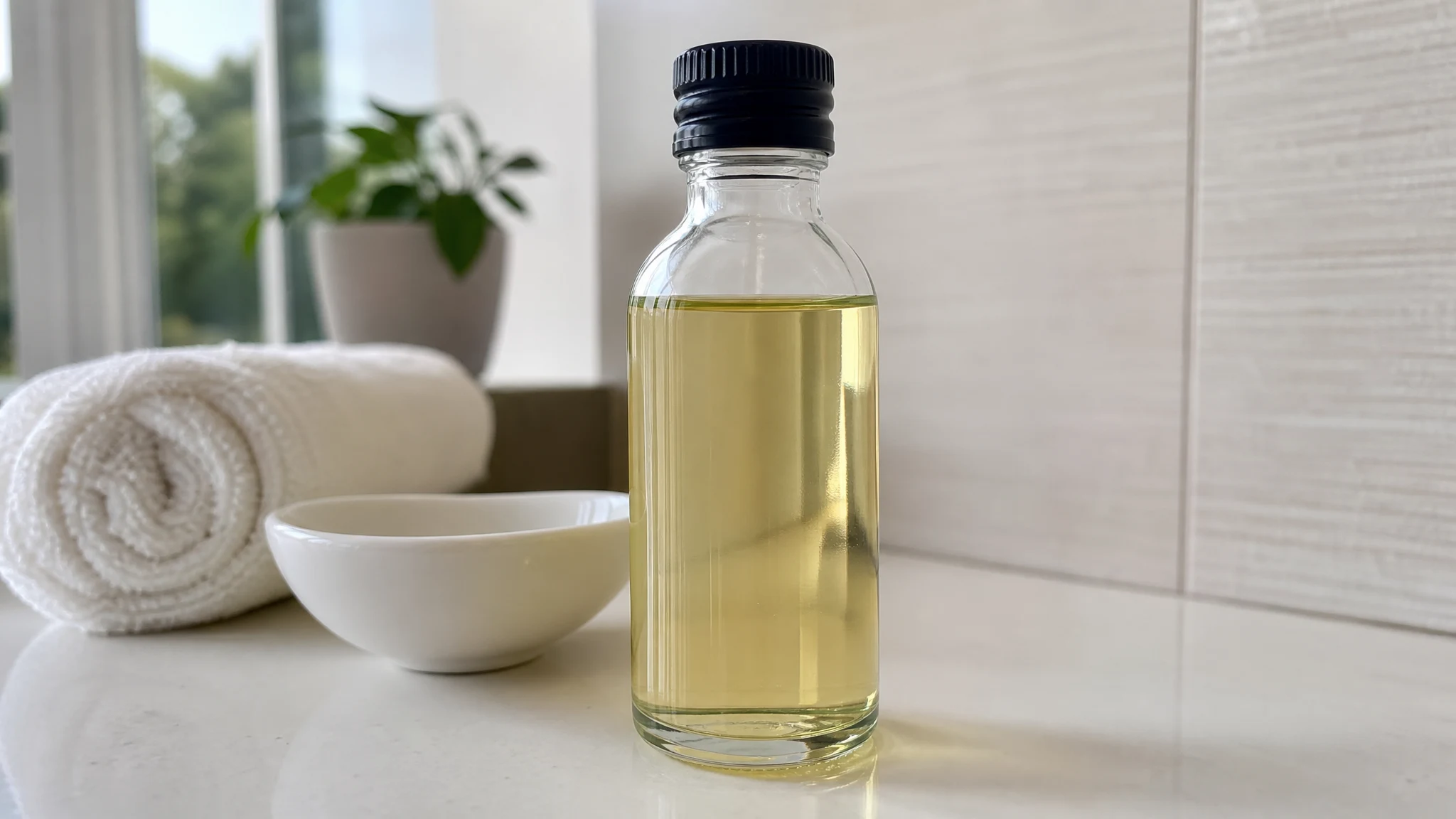
If your tattoo is well healed and you decide to try a plain oil, keep it small and light. Warm two or three drops in your palm, smooth them over the area and give it a minute to sink in. Our oil has a light feel and a soft, nutty scent, and a thin layer is easier to live with than a thick one on skin that spends the day under clothes. Then watch the area over the next day or two. If anything looks or feels off, stop and ask a professional.
Why the evidence is thin
Tattoo aftercare advice is mostly tradition handed from artist to client, and that is a good reason to treat the artist's own instructions as the best guide for your particular piece. Reasoning from how a useful study would have to be built, you would compare two products, or a product against nothing, on similar tattoos, with someone scoring redness and scabbing without knowing which product was used. Until that kind of work exists, any page that ranks aftercare products, ours included, would be stating a preference rather than a result, which is why we name no product and no schedule for a fresh tattoo.
It also helps to keep notes. Take a photo of the tattoo in the same light every few weeks while it settles, and jot down what you have been using on it. If you ever need to talk to a dermatologist or your artist, that small record is far more useful than memory.
Skin checks and sun
The AAD makes a point worth remembering: a tattoo can disguise skin cancer and make it harder to detect, so show a dermatologist any mole or patch inside a tattoo that changes. Ink also sits in skin that can still burn. An oil is not sun protection, and we explain why in our sunscreen myth piece.
In short: follow your artist for the first weeks, see a clinician for anything that looks wrong, and treat a plain oil as a possible moisturizer for well-healed, dry skin once you know you have no tree nut allergy. Our skin guide covers what almond oil does on skin generally.
A tattoo is a long relationship with your skin. A little patience at the start, and a gentle, simple routine afterward, is a good way to treat it.
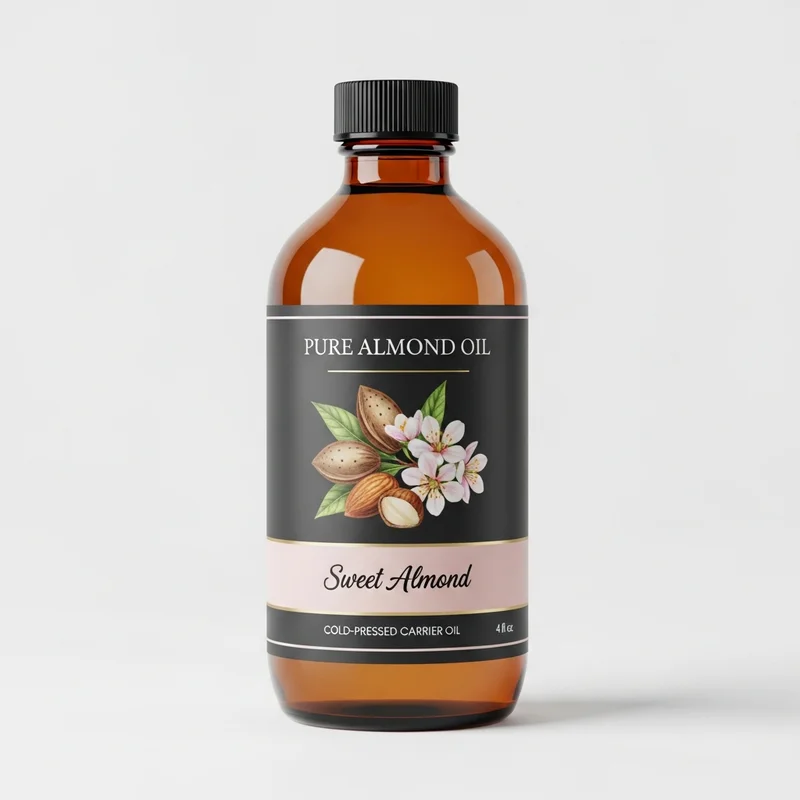
Sweet Almond Oil
Sweet Almond Oil from our own shop, in sizes from 0.5 oz to bulk.
From $9.99
Shop Now →