Almond Oil Before the Wedding: A Bride's Countdown
If you are a bride-to-be thinking about sweet almond oil, the calendar matters more than the oil. A sensible routine is one you start early enough to adjust, and the most useful thing we can offer is a countdown from the date, with an honest view of what a plain oil can do along the way.
Six months out: check what the oil cannot answer
Dry, itchy, cracked or reactive skin that keeps coming back is a question for a dermatologist first. The American Academy of Dermatology suggests seeing a board-certified dermatologist if dry skin persists after its basic care tips. If you are planning a facial, peel or any procedure, ask the dermatologist or licensed esthetician who will do it how far ahead of the day it should happen. We would not guess at timing for procedures, and neither should a bottle of oil.
This is also the moment to settle whether you can use our oil at all. Almond is a tree nut, our oil is cold-pressed and sold unrefined, and trace almond protein is present. Anyone with a tree nut allergy should not use it. Our guide to almond oil and nut allergies has the details. A wedding is the worst time to discover a reaction.
Three months out: patch test and leave room for the answer
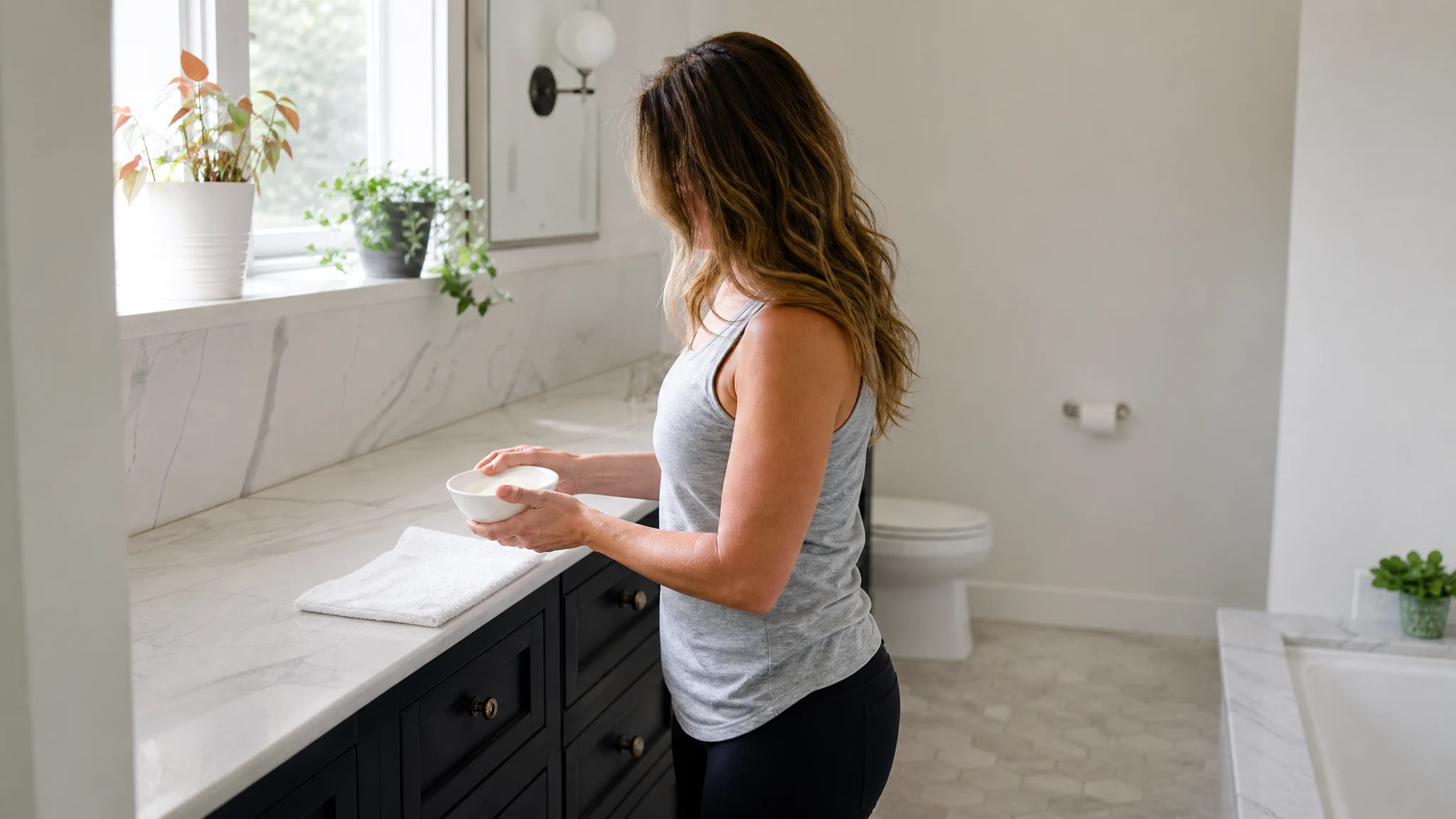
The AAD's home method is simple: a quarter-sized amount on the inner arm or elbow crease, applied twice a day for 7 to 10 days. If there is redness, itching or swelling, wash it off and stop. Our patch-test guide goes through it step by step.
Here is the arithmetic behind starting early, which is our reasoning rather than a published rule. A home test can take up to 10 days. If it flags a reaction and a dermatologist orders formal patch testing, the AAD describes patches worn for 48 hours and a follow-up visit 4 to 7 days after that. Add the wait for an appointment, and a reaction found three weeks out cannot be sorted in time, while a reaction found three months out can. The point of an early start is not that almond oil needs months to work. It is that you want your surprises well before the date.
The weeks in between: a modest, pleasant routine
A plain oil is a lovely, uncomplicated moisturizer for dry spots, and that is a good thing to want in a busy season. A small 2018 randomized pilot gave 32 people almond oil, coconut oil, jojoba oil or white petrolatum twice daily for two weeks. All four raised skin hydration by week two, with no significant differences, and almond oil was the favorite at 38%. The report does not say which almond oil was used, so we read it as a friendly signal rather than a guarantee. Nobody has tested almond oil on brides, but moisturizing dry areas is a reasonable, modest goal.
Where we would use it, roughly in order of how naturally it fits:
- Hands and cuticles. You will be photographed holding flowers, a glass and a ring. A few drops worked in after washing hands, while skin is still slightly damp, is a pleasant habit.
- Elbows, shins and shoulders. A thin layer after a shower leaves skin feeling soft and smooth, which is the kind of finish we would promise from an oil.
- A relaxing evening ritual. The soft, subtly nutty, lightly sweet aroma of our oil makes a quiet few minutes of self-massage feel like a treat.
Face is the one place to hold back. If your makeup artist will be working on your skin, ask what they would like you to use in the days before and on the morning of, because a rich oil under foundation is a decision for the person doing your makeup, not a general rule. That is our reasoning, not research, but it keeps you out of trouble.
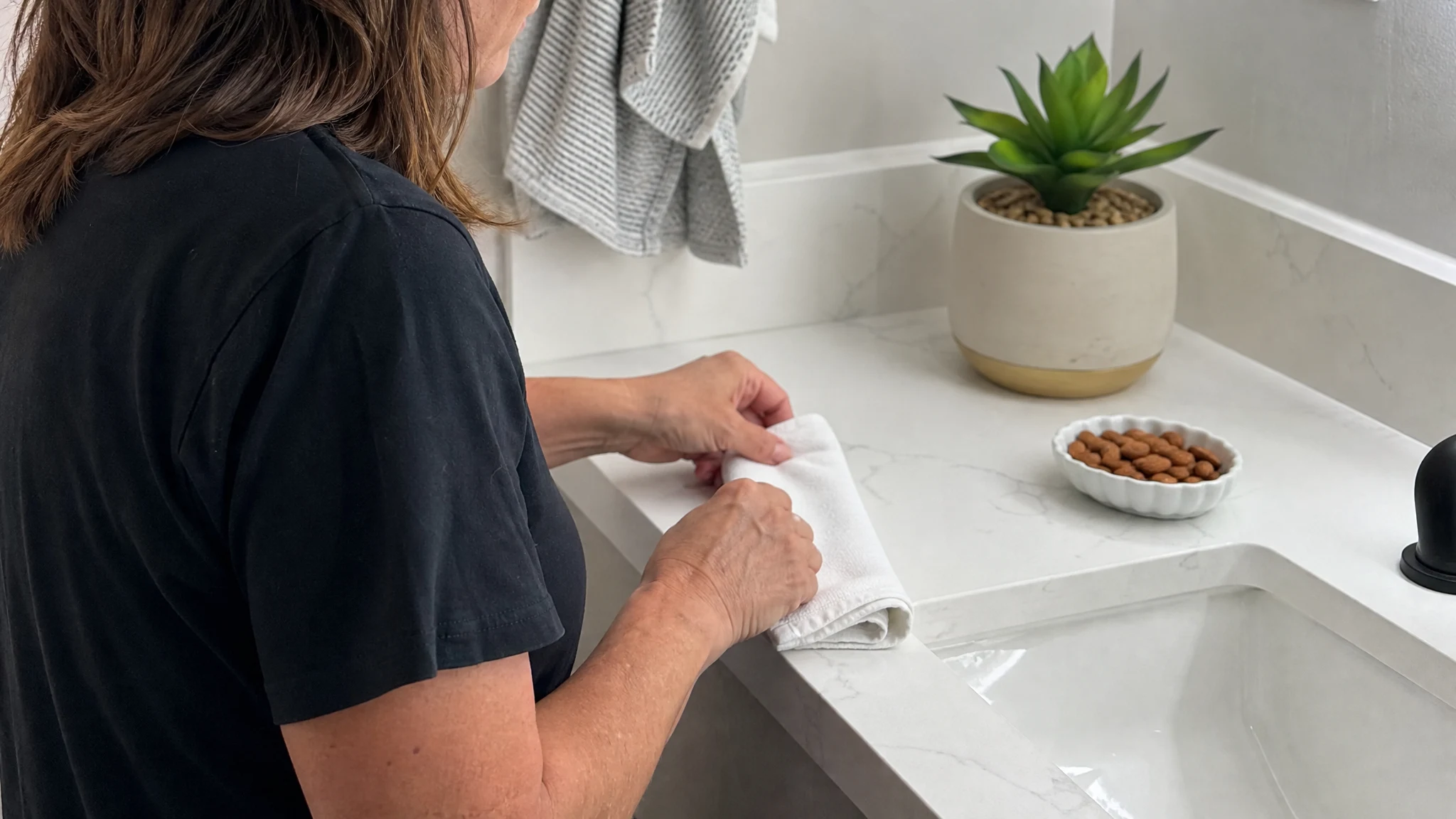
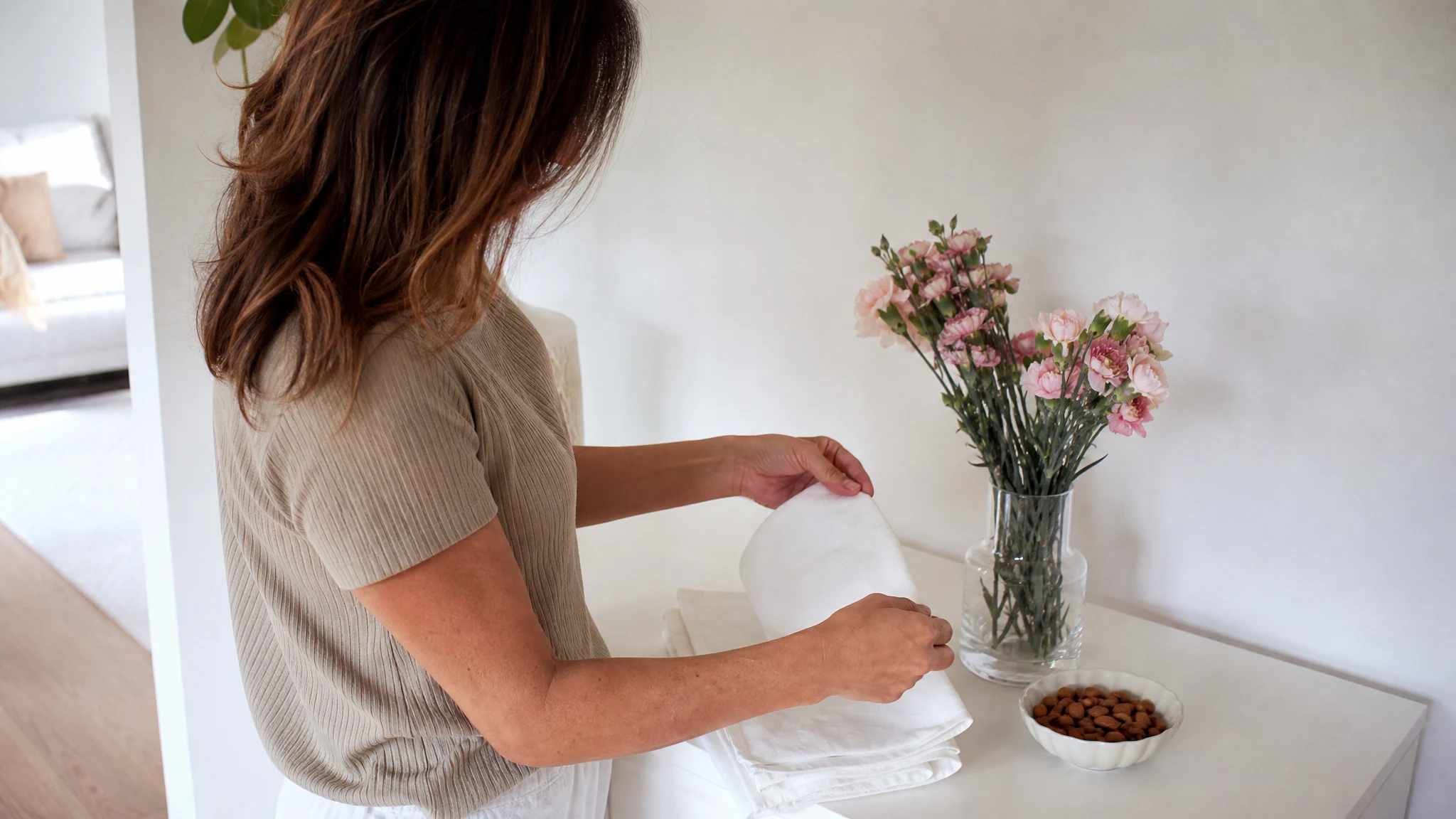
Hands deserve a mention, because they do so much work in the weeks before a wedding. Wash and dry them, and while the skin is still slightly damp, smooth in two or three drops. Spend a moment on the cuticles and the knuckles, where a ring will sit. Then wipe your palms on a towel before you touch anything: oil and paper invitations do not mix, and neither do oil and a ring box.
The last two weeks: nothing new
This is the part brides most often wish they had known. Keep to what you have already tested. A new product close to the date is a gamble you do not need, and the patch-test arithmetic above is exactly why. Store your oil somewhere cool and dark, and use what you have; our oil is dated from pressing, with about a year of shelf life when kept that way, and our storage post covers it.
Write your routine on a card and stick it somewhere you will see it: what you use, how much, and when. Wedding weeks are noisy, and it is surprisingly easy to double up or skip a step. A card keeps things simple, and simple is the goal. Open the bottle now and then, too, and give it a sniff. Fresh almond oil smells soft, lightly sweet and nutty, and if it ever smells sharp or flat, leave it out of your routine.
If you want a small keepsake for bridesmaids or your mother, our post on giving almond oil as a gift covers what to check before building a kit. For the wider picture of how a plain oil behaves on skin, our skin guide is a good read.
Congratulations, and enjoy these weeks. A calm routine you trust will do more for you than any trick.
Whatever your date, give yourself room. A plain, familiar routine, started early, is a gift to your future self.
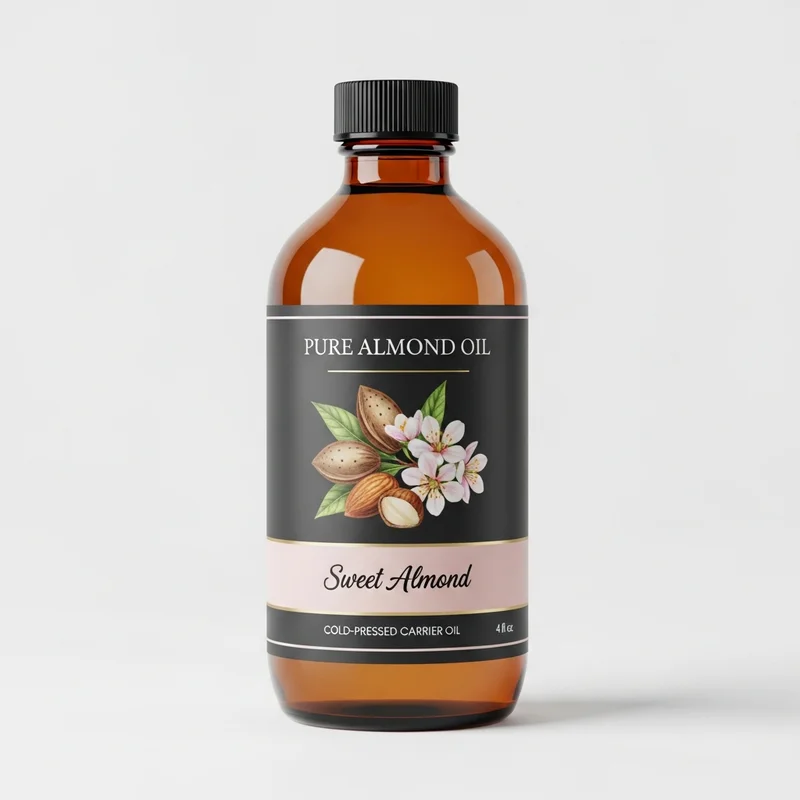
Sweet Almond Oil
Sweet Almond Oil from our own shop, in sizes from 0.5 oz to bulk.
From $9.99
Shop Now →Sources & Further Reading
- American Academy of Dermatology, Dermatologists' top tips for relieving dry skin
- American Academy of Dermatology, How to test skin care products
- American Academy of Dermatology, Patch testing can find what's causing your rash
- Vaughn et al., Multi-Center Randomized Clinical Study of The Effects of Natural Oils on Xerosis and Skin Barrier Properties (SKIN: The Journal of Cutaneous Medicine, 2018)