Is Almond Oil Good in a Marinade? What to Know
Grill season brings out the marinade bottles, and almond oil often gets a mention for its mild, nutty character. Before we get into what a marinade actually does, one clear note: the sweet almond oil we sell is a cosmetic oil for external use, so it does not belong in your kitchen. If you want almond oil in a marinade, buy a food-grade one from a food seller. What follows is about the marinade itself, which is more interesting than the oil in it.
What happens on a hot grill
The National Cancer Institute explains that two groups of chemicals form when meat is cooked at high temperatures. Heterocyclic amines form when amino acids, sugars and creatine react under high heat, and they increase with temperatures above 300 F and longer cooking times. Polycyclic aromatic hydrocarbons form when drippings hit a flame or hot surface and the smoke coats the meat. In lab studies both can change DNA, but the NCI is careful to add that human studies have not established a definite link and that no federal guidelines address how much a person eats.
So the useful part is the practical advice, and it is mostly about technique: avoid direct contact with open flame or hot metal, avoid very long cooking at high heat, turn the meat often, partly cook it in a microwave first if you like, and trim any charred bits.
A grill is a lovely place to slow down. Set up your tools, plates and a clean tray for cooked food before you light it, and you will spend less time hurrying and more time turning the food gently. Thinner cuts and small pieces of vegetable cook through quickly, so they are easy to keep away from the hottest spot.
The marinade research is really about herbs
A 2008 study in the Journal of Food Science grilled beef round steaks at about 400 F after an hour in commercial spice-based marinades (Caribbean, Southwest and herb), each made as the package directed with oil, water and vinegar. All three significantly lowered the heterocyclic amines MeIQx and PhIP compared with unmarinated steaks. The authors credited antioxidant compounds from the spices and herbs, which is the part we find most appealing: the flavor and the benefit come from the same place.
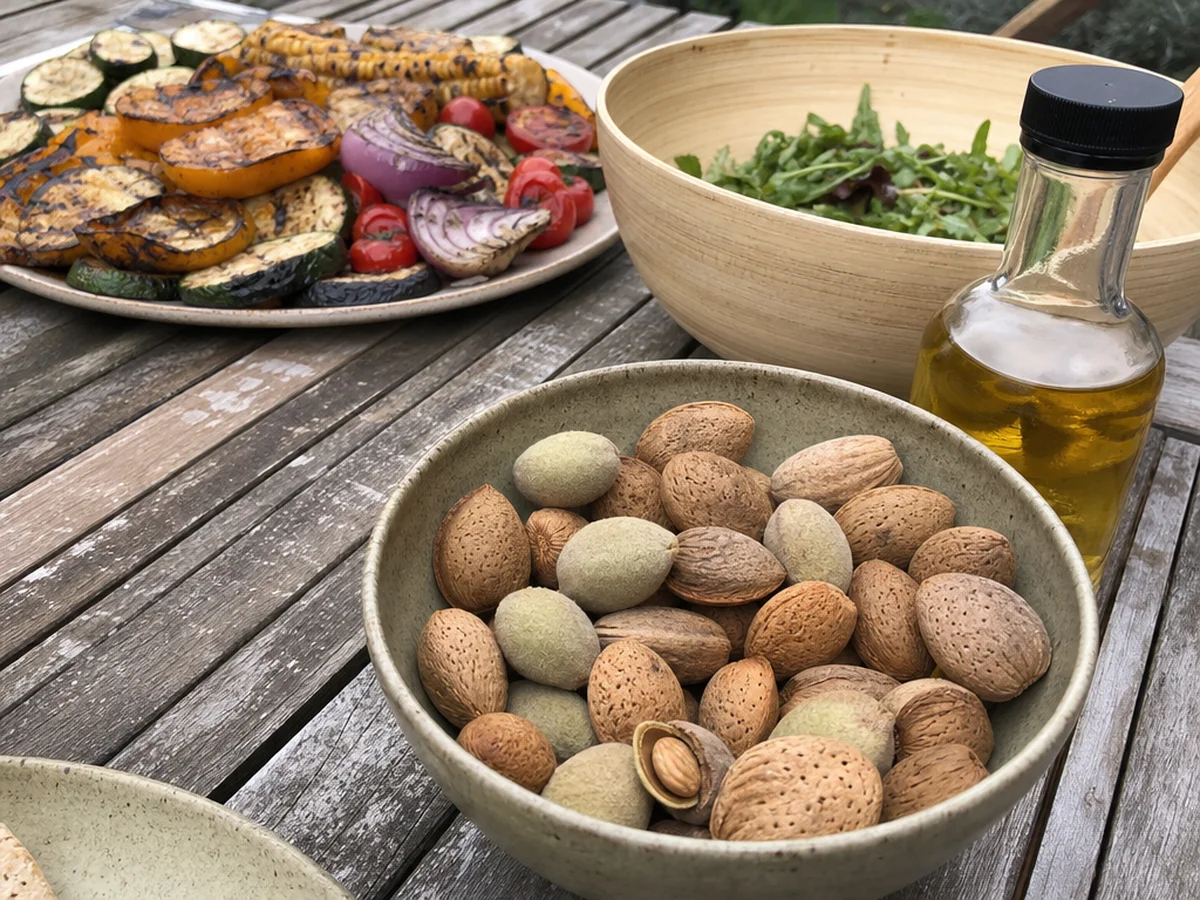
The oil in those marinades was just the carrier. The paper does not name it, so it gives us no reason to say almond oil does better than any other. That suits us fine. It means you can choose an oil for flavor and let the herbs do the work.
Making a marinade you will enjoy
Here is the approach we would take, which is our own suggestion and not a tested recipe. Start with an oil, an acid such as lemon juice or vinegar, and plenty of fresh or dried herbs and spices. A food-grade almond oil generally gives a mild nutty note that works with chicken and vegetables, so a smaller amount of strong herbs such as rosemary, thyme or oregano pairs well. Use a good pinch of salt and some garlic if you like, and give the food an hour or so, as the study did, in the refrigerator.
Herbs and flavors worth reaching for
- Rosemary and thyme for chicken and potatoes.
- Oregano and lemon zest for fish and zucchini.
- Garlic and parsley for just about anything.
- Smoked paprika for a deep, sweet note on vegetables and sausages.
Crush dried herbs between your fingers before they go in, and you will smell them wake up. Fresh herbs can be chopped fine and stirred straight through.
The oil is also where flare-ups come from. The NCI says PAHs form when fat and juices drip onto the heat source. From that mechanism, we would let the excess marinade drain off before the food goes on the grates, and keep the meat away from direct flame. That is our reasoning from the NCI explanation rather than a finding from a marinade trial.
Sensible handling
Marinate in the refrigerator, not on the counter, and keep raw meat and its container away from foods that will not be cooked. Do not spoon used marinade over finished food. If you want a sauce, set aside a little fresh marinade before the raw meat goes in. Pat the food lightly with paper towel before it hits the grill; you will see fewer flare-ups and get better browning.
Vegetables like marinades too
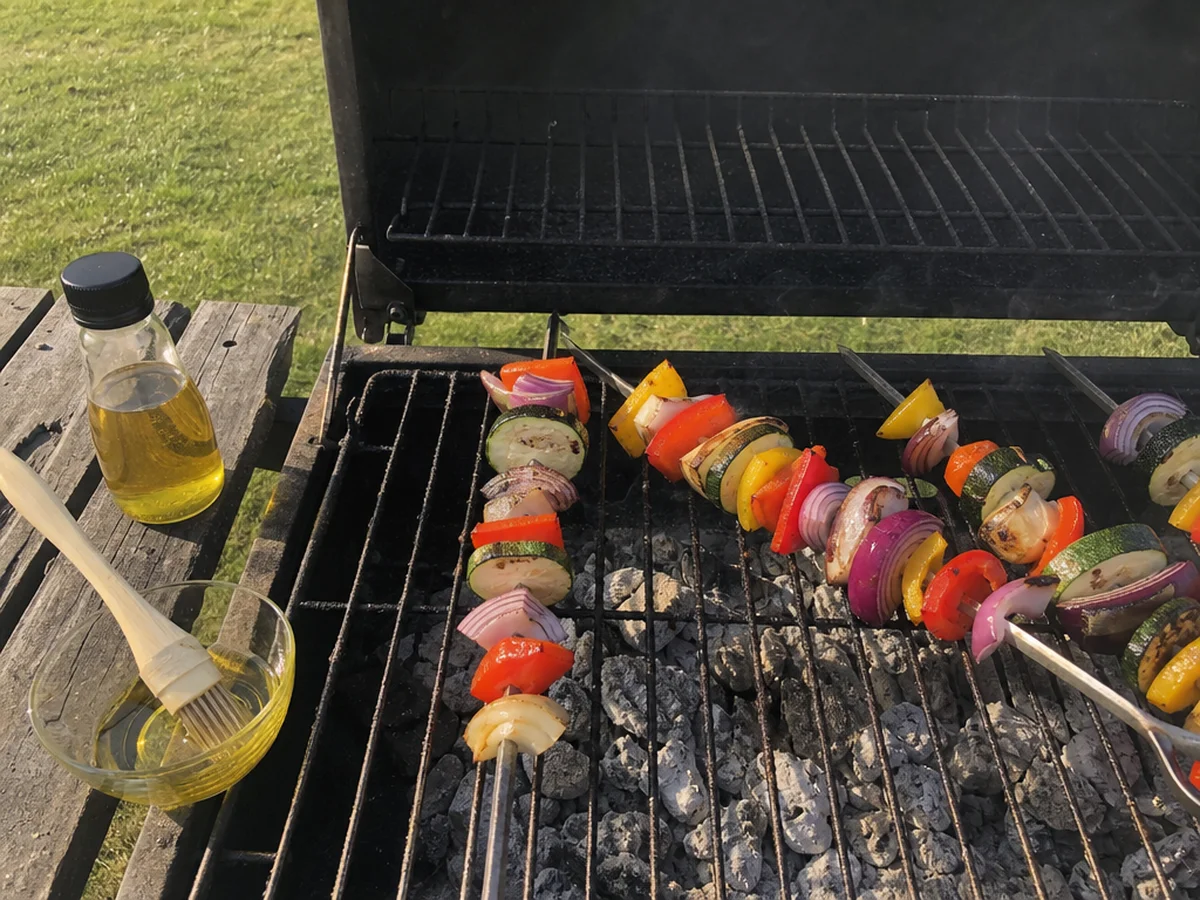
The research above is about meat, but the same pantry flavors work wonderfully on vegetables. Zucchini, peppers, corn and mushrooms take a light coating of oil and herbs and cook in minutes. The NCI notes that these heat-formed chemicals arise in meat, fish and poultry, so a vegetable-heavy grill is a pleasant way to round out a plate. We are not making a health claim there; it is simply good eating.
If you are curious about almond oil in the kitchen more generally, our posts on cooking with almond oil and almond oil vinaigrettes cover the basics, and almond versus olive oil compares the two. For everyday skin care after a day at the grill, our sweet almond oil guide explains who our oil suits.
Whatever you put on the grill this summer, may the herbs be fresh and the company good.
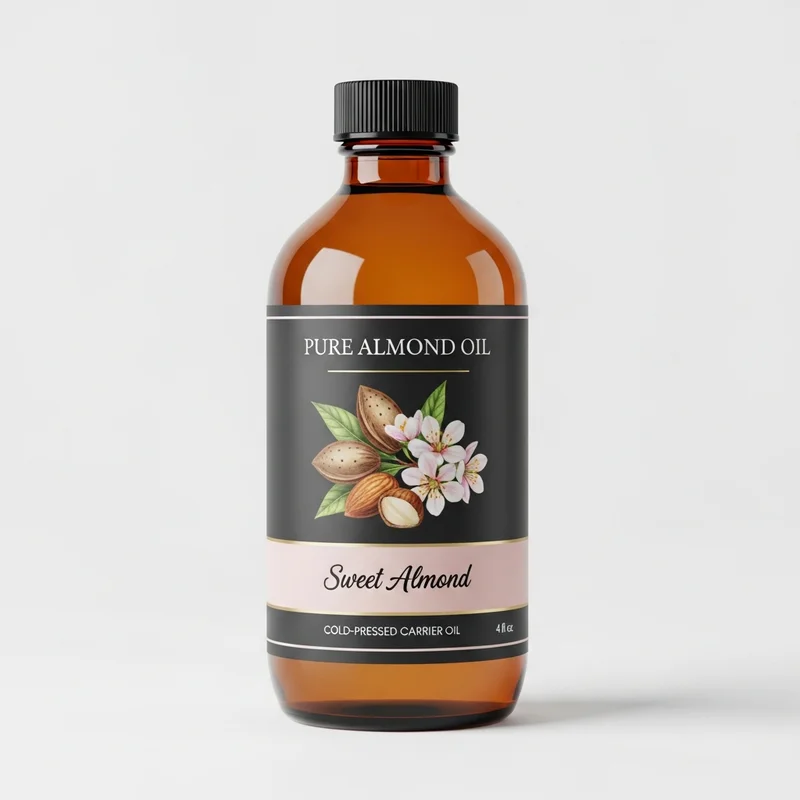
Sweet Almond Oil
Sweet Almond Oil from our own shop, in sizes from 0.5 oz to bulk.
From $9.99
Shop Now →