Almond Oil for Lashes and Brows: Why We Skip It
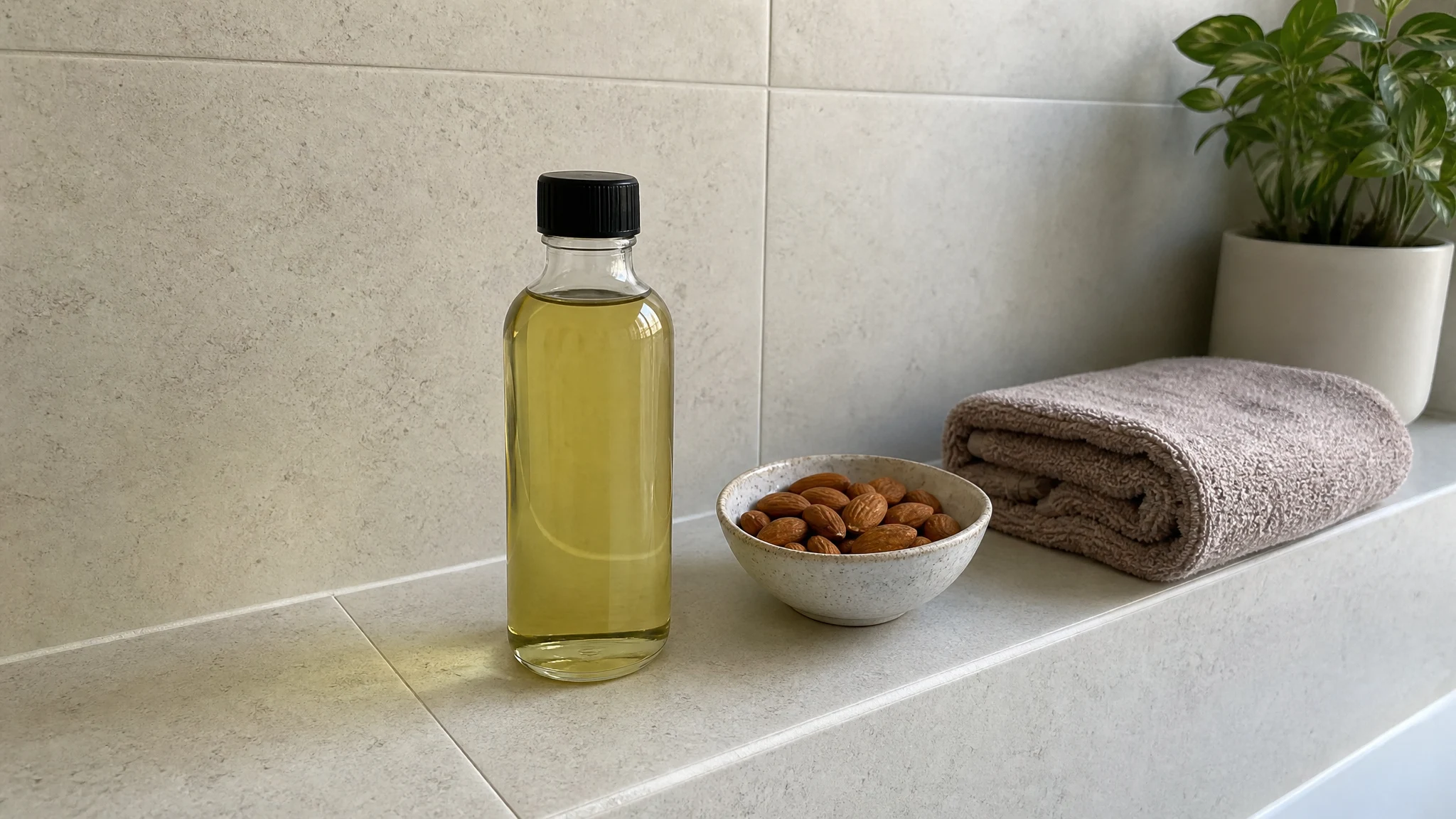
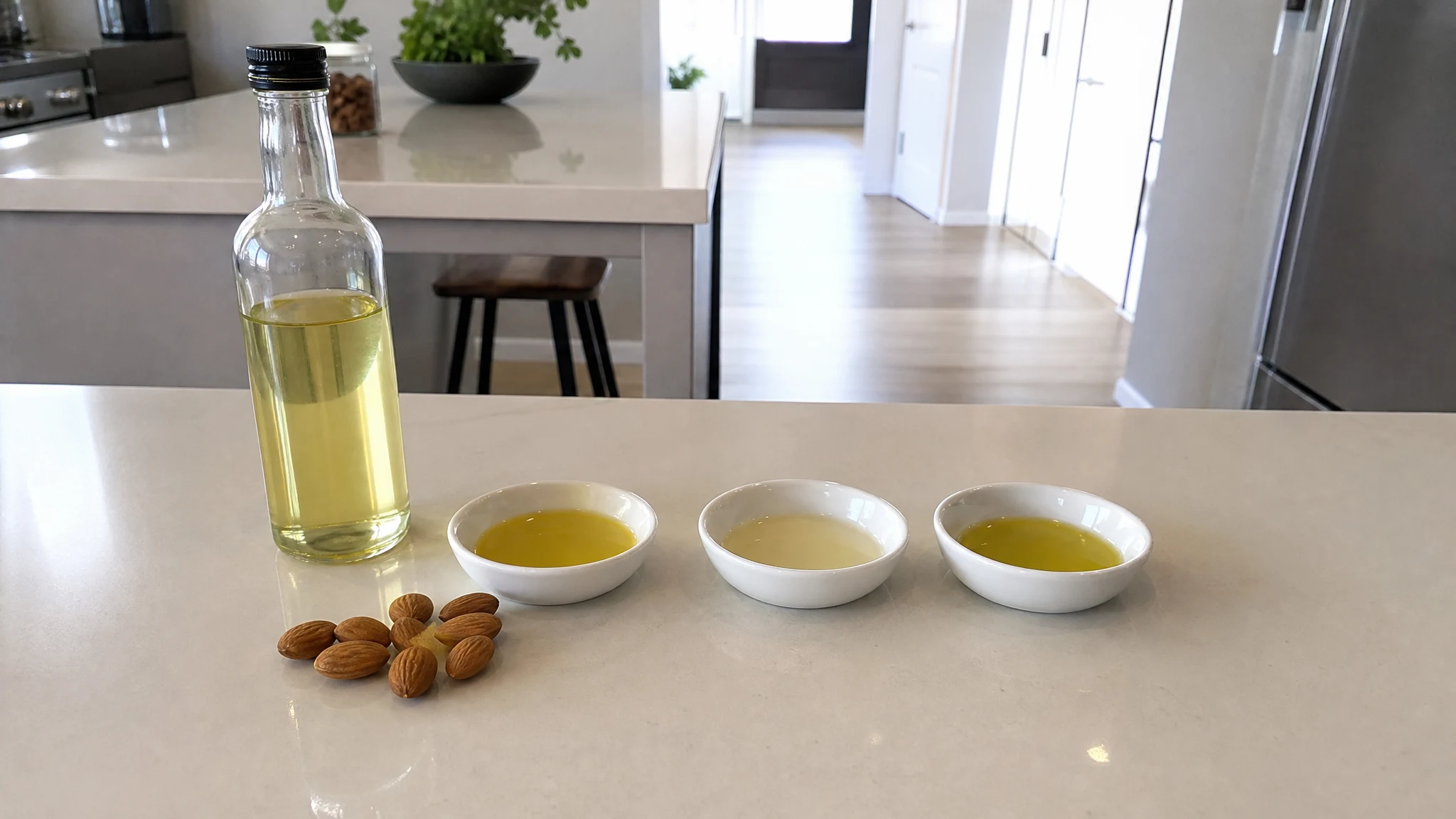
If you have ever wished your lashes were a little longer, you have probably wondered whether a drop of oil from the bathroom shelf might help. It is a natural question, and the honest answer starts somewhere more interesting than oil: lashes are on a much faster schedule than the hair on your head, and that single fact changes how any lash product should be judged. We will also be straight about where our own almond oil stands. It is a cosmetic oil for skin and hair, our safety guidance says to keep it away from the eyes, and so we do not suggest it for lashes or brows.
Lashes run on a short clock
A 2010 study in the British Journal of Dermatology followed four volunteers weekly for nine months, photographing their lashes to measure the cycle. The growth phase came out at about 34 days and a complete cycle at about 90 days, with lashes lengthening roughly 0.12 mm a day. The paper also examined eyelid biopsies from 17 patients and found that the lash follicle is structurally close to a curly scalp hair follicle, with a few notable differences. It is a small study, so treat the numbers as a guide, but the practical message is clear: a lash turns over in a matter of months.
Reasoning from that cycle, any lash you see today started growing weeks ago, so anything you begin using needs at least one full cycle, around three months, before you could honestly judge a change in the lashes themselves.
Shine is not length
Here is where oils get credit they have not earned. Put a little oil on lashes or brows and they look glossier, darker and smoother within minutes. That is the surface effect: a thin film that adds sheen and makes hairs lie neatly. It is lovely for a photo and tells you nothing about what the follicle is doing. A week of oily lashes that look longer is almost always shine and flattening, not new hair. We make no claims about growth for our oil, and we would be wary of any product that does without naming a trial.
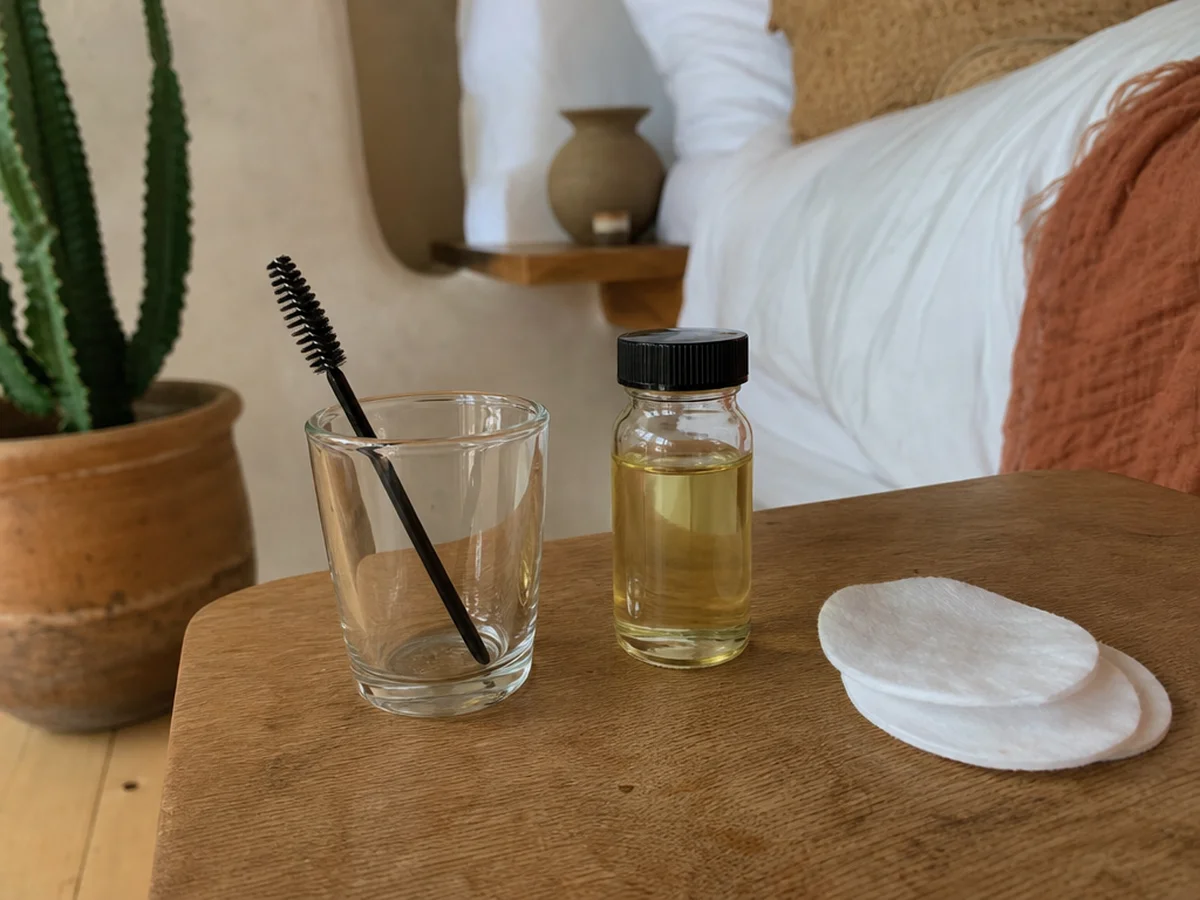
Why we keep our oil away from the eye area
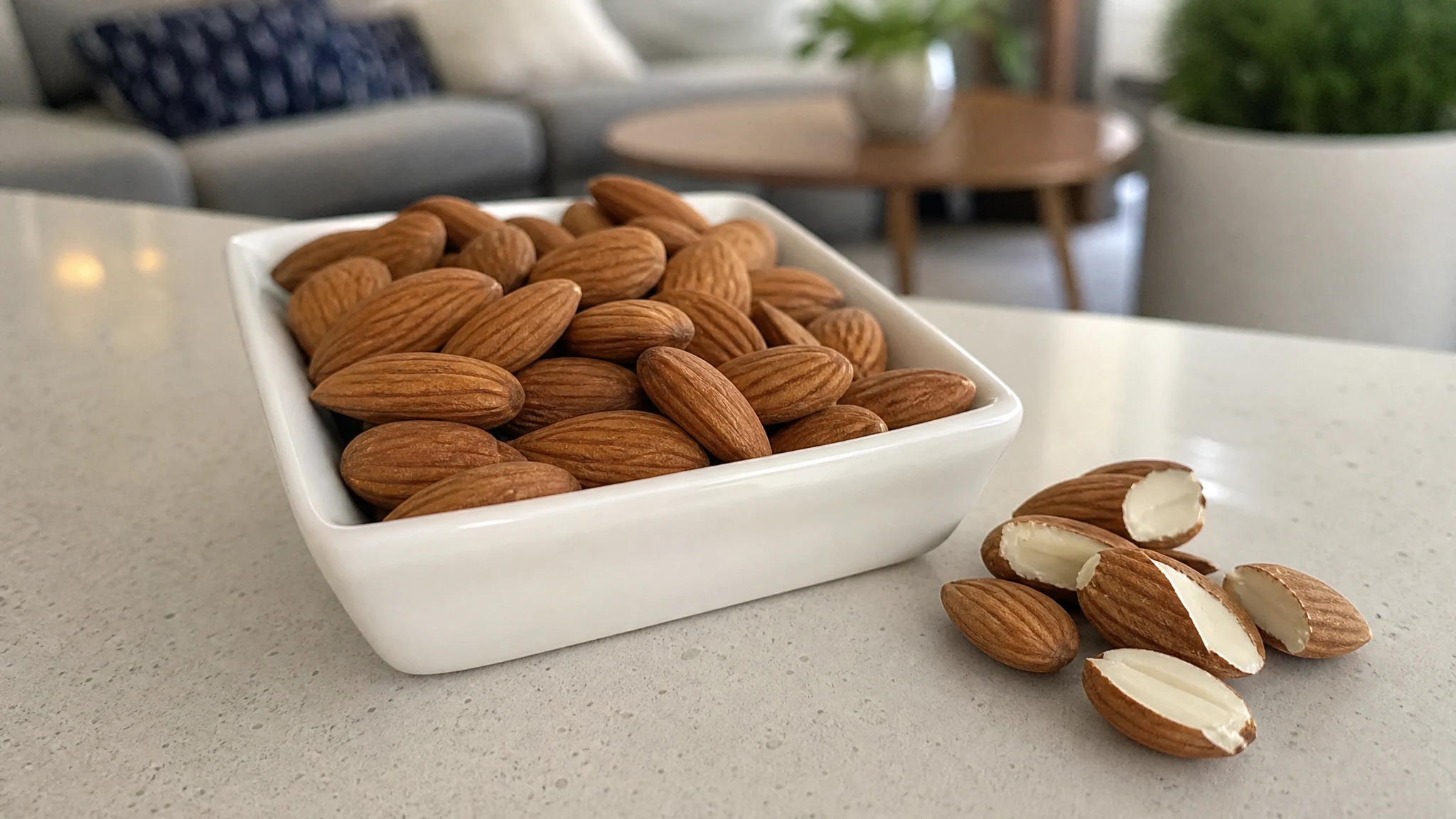
Three reasons, in order of importance. First, our shop safety guidance says to keep the oil away from the eyes, because it is made for the skin of the body and face and was never designed for the delicate area around the eye. Second, it is cold-pressed and unrefined, so trace almond protein is present, and we ask anyone with a tree nut allergy not to use it. The eyelids are exactly where you least want a reaction; our nut allergy post explains why. Third, a liquid oil on lashes can travel with every blink, which is not something we want near anyone’s eyes.
The FDA’s page on eye cosmetic safety gives rules worth following with any product near the eyes. It says not to use cosmetics near your eyes unless they are intended specifically for that use, never to add saliva or water to a product to loosen it (bacteria from your mouth can grow in it, and water dilutes the preservative), not to store cosmetics above 85 degrees Fahrenheit, and to stop using anything that causes a bad reaction and contact your healthcare provider. A jar of homemade serum and a lash brush dipped back in again and again is exactly the situation those rules are written to avoid.
How to read any lash claim
Four quick questions sort most marketing. Does it name an active ingredient and a controlled study, or just promise to “nourish”? Was it compared against a plain vehicle, or are there only before-and-after photos? How long was it measured, given a cycle of about three months? And what happens when you stop? A product that looks impressive after one week has probably been measured on shine.
Gentle habits that cost nothing
Whatever you decide about products, a few everyday habits are kind to lashes. Take eye makeup off with a remover made for the eye area, and pat or press rather than scrub, since rubbing is hard on the delicate skin of the lids. Keep your hands clean before touching the area, and give your lashes a rest from heavy products now and then.
Brows are even simpler. A clean spoolie brushed up and across the hairs shapes them with no product at all, and you will notice how much tidier they look. If you want a glossy finish, a brow gel made and labeled for brows is the right tool.
If lashes are what you care about
For thin or short lashes you are unhappy with, a dermatologist or eye doctor can talk through options with you, including products that come with a proper label and their own list of side effects. For the everyday polish side of things, mascara and brow products made and labeled for the eye area are the right category. If it is your hair you want to treat to a little shine, our hair post shows where an oil shines, and our patch-testing guide shows how to try a new product sensibly anywhere on the body.
A word on patience and sensible curiosity
It is natural to want a quick fix, and the internet is full of them. A better habit is to ask what a product is meant for, who made it, and whether its label tells you what is inside. When the answers are vague, skip it. Lashes will still be there in three months, and so will you, with fewer products on your face and a little more time to enjoy what you already have. We would rather you trust a plain, honest label than a promise.
Lashes are a small, quick-growing wonder of biology. Patience, a gentle hand and the right product for the right place go a long way.
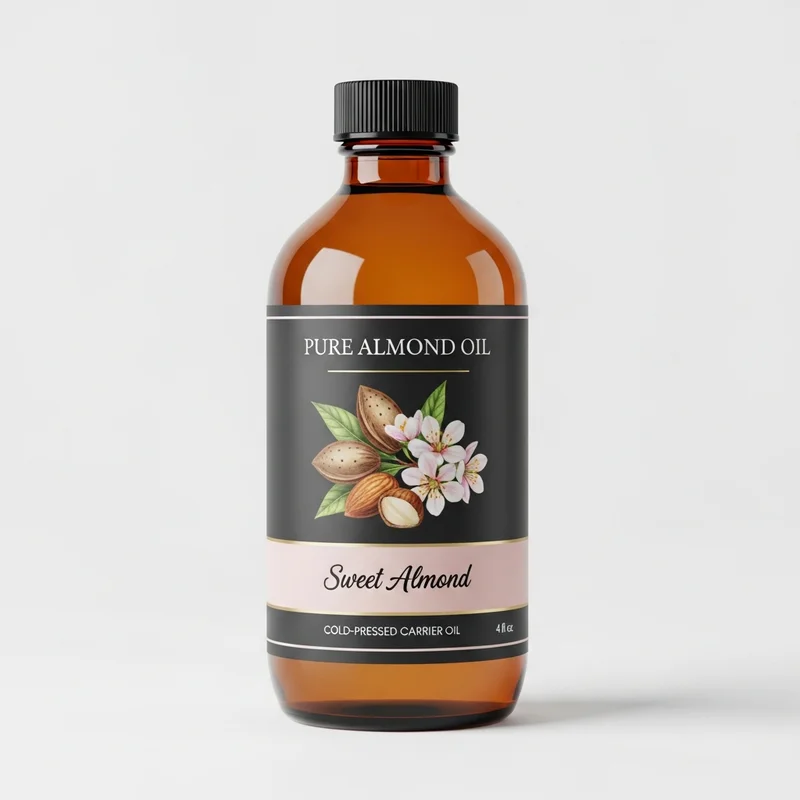
Sweet Almond Oil
Sweet Almond Oil from our own shop, in sizes from 0.5 oz to bulk.
From $9.99
Shop Now →Sources & Further Reading
- Thibaut S, et al. (2010). Human eyelash characterization. British Journal of Dermatology.
- U.S. Food and Drug Administration. Eye Cosmetic Safety.