Oatmeal Bath and Almond Oil: The Right Order
A warm oatmeal bath followed by a few drops of almond oil is one of the coziest bits of self-care there is. The trick is in the order. Oatmeal belongs in the water; almond oil belongs on your skin afterwards. Mixing the two in the tub sounds sensible, but it works better when you keep them apart.
What oatmeal means in the tub
The word covers three different things. Colloidal oatmeal is a finely milled ingredient, and in the US it is a listed skin protectant active ingredient, with a minimum of 0.007 percent in a finished over-the-counter product (21 CFR 347.10 - Skin protectant active ingredients). Oat flour or blended rolled oats from the pantry are a home version of the same idea, though how finely they disperse in water depends on how well you grind them. And ready-made oatmeal bath products are made to disperse evenly. All three share the same appeal: a milky, soft-feeling soak that many people find comforting.
If your skin is dry in a way that keeps coming back, it is worth knowing that the American Academy of Dermatology notes that dry skin can flake, itch, crack and even bleed, and that when a condition such as atopic dermatitis or psoriasis is behind it, a dermatologist can build a treatment plan. A bath is a lovely comfort, and a dermatologist is the person to ask about anything more. Our oil is a cosmetic oil for external use, and we make no medical claims.
Why the almond oil goes on afterwards
Oil does not dissolve in water. Poured into a bath, it floats, coats the tub and leaves the floor slippery, so you spend the soak worrying about the next step out. It also spends most of its life going down the drain. Kept for afterwards, the same oil stays where you put it.
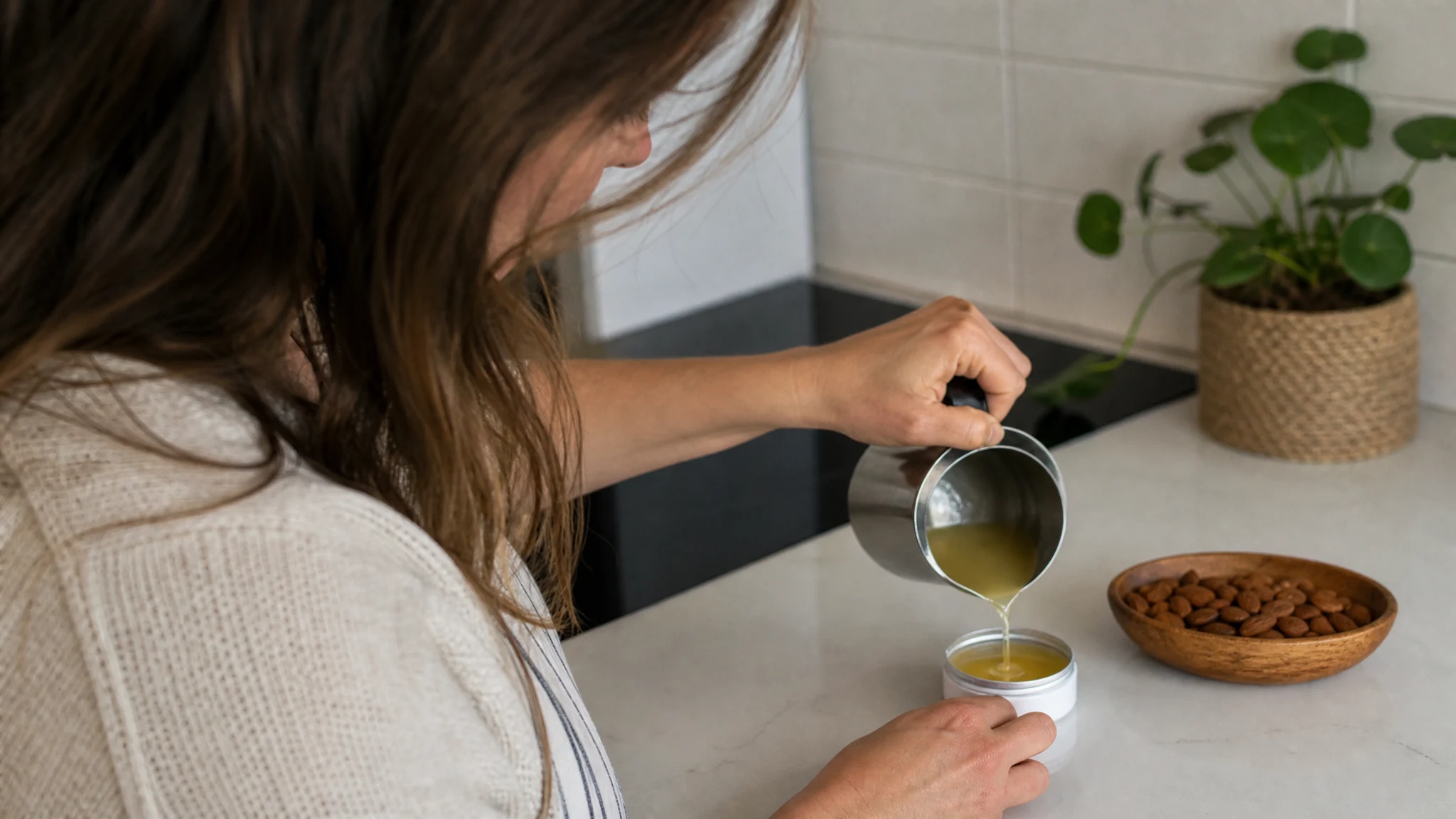
The AAD's advice for dry skin points the same way: keep baths to five to ten minutes in warm water, pat dry gently instead of rubbing, and apply moisturizer while skin is still damp (Dermatologists' top tips for relieving dry skin). Slightly damp skin is the ideal moment for a thin film of almond oil. A teaspoon of our oil weighs about 4.5 g at the density of 0.918 measured on one batch's Certificate of Analysis, and a little goes a long way over arms and legs.
The AAD page also notes that ointments and creams tend to be more moisturizing than lotions, so if you prefer a cream, a fragrance-free one is a good choice too. We enjoy almond oil for its soft glide and light nutty aroma, and we are happy to see it used alongside whatever works for you.
What we know about almond oil on dry skin
In a small randomized pilot, 32 people applied almond oil, coconut oil, jojoba oil or white petrolatum twice daily for two weeks. All four raised skin hydration significantly by week two without significant differences between them, and people liked almond oil and coconut oil best (Multi-Center Randomized Clinical Study of The Effects of Natural Oils on Xerosis and Skin Barrier Properties). It is a modest study, and it was about oil applied to skin, not oil in bathwater, but it fits the routine we are describing.
Making it a little ritual
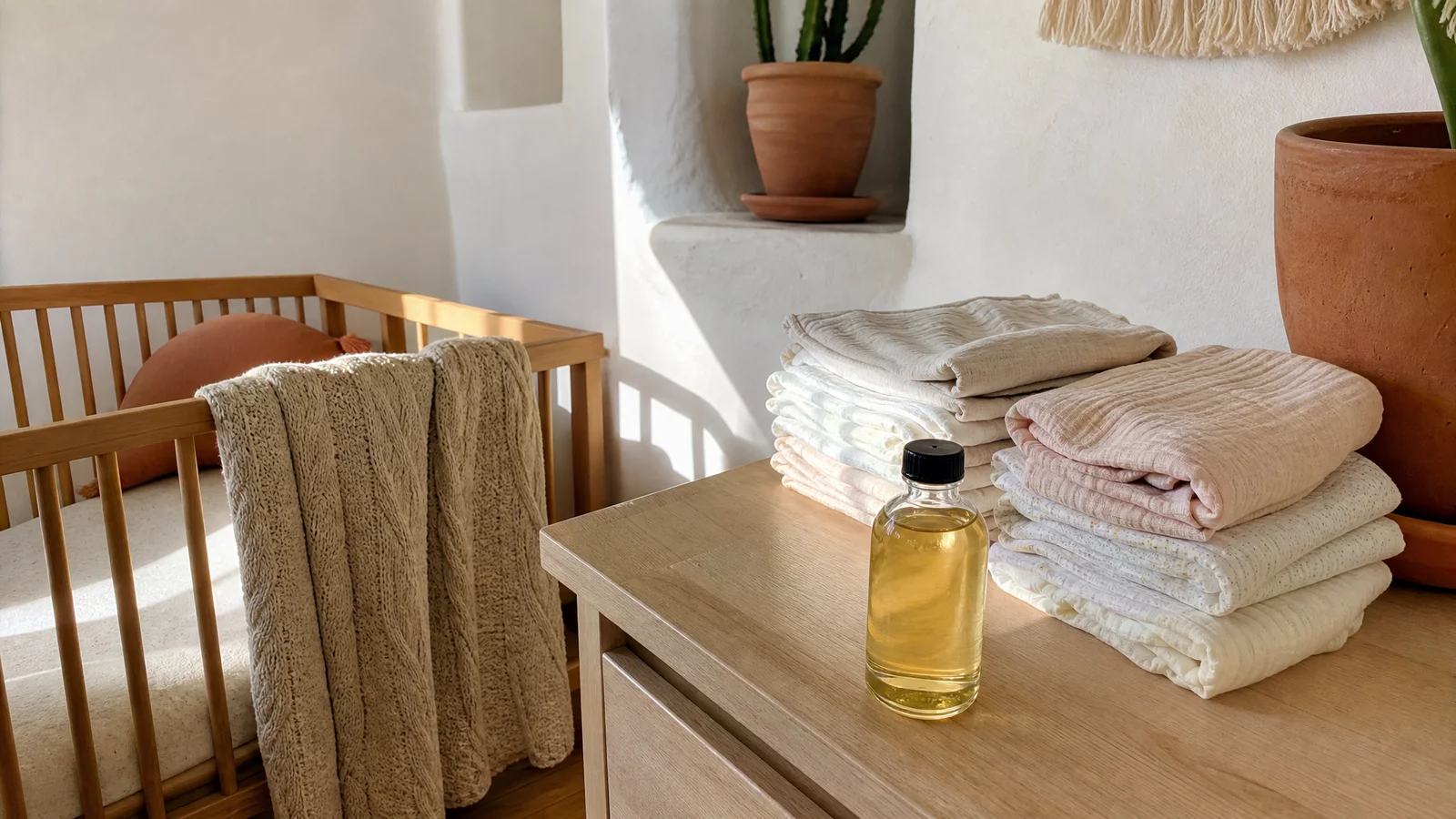
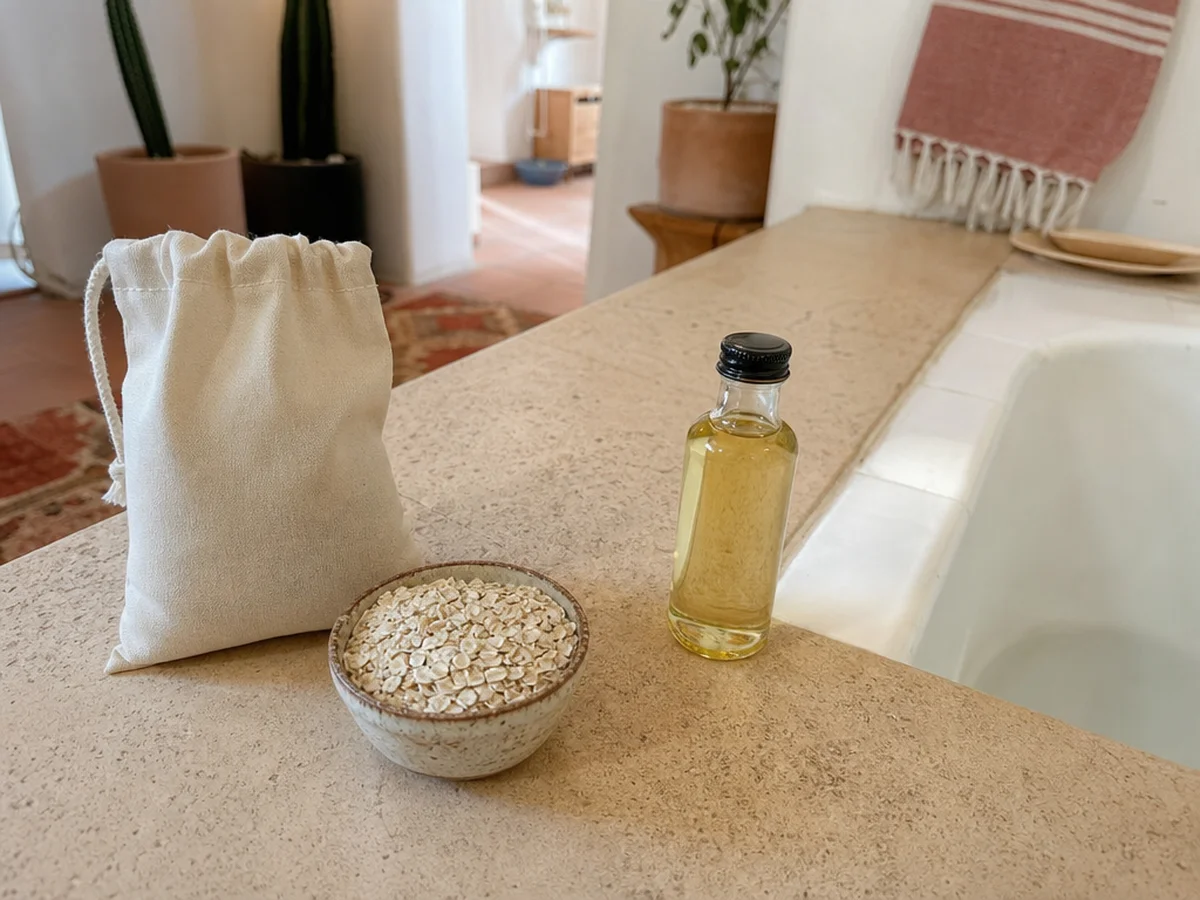
Part of what makes this routine pleasant is how slow it feels. Set out a clean towel, the oil and something soft to wear before you run the bath, so you are not hunting for anything with wet hands. After the soak, pat dry, then warm a teaspoon of oil between your palms and smooth it over damp skin in long strokes, starting with arms and legs. Open the bottle and you will catch the soft, nutty, lightly sweet aroma of almond oil, a gentle end to the evening.
One practical note: oil on hands and feet makes floors slippery. Oil your feet last, once you are standing on a towel or mat.
Putting the routine together
- Check first. Our oil is cold-pressed and unrefined, so trace almond protein is present, and we ask anyone with a tree nut allergy not to use it. Our nut allergy article explains why.
- Patch test. The AAD describes a quarter-sized spot on the inner arm or elbow crease, twice daily for seven to ten days, stopping at redness, itching or swelling (How to test skin care products). Our own guidance is a small test and a day's wait, and the longer schedule is a good habit for anything you plan to use regularly. Our patch test walkthrough covers it.
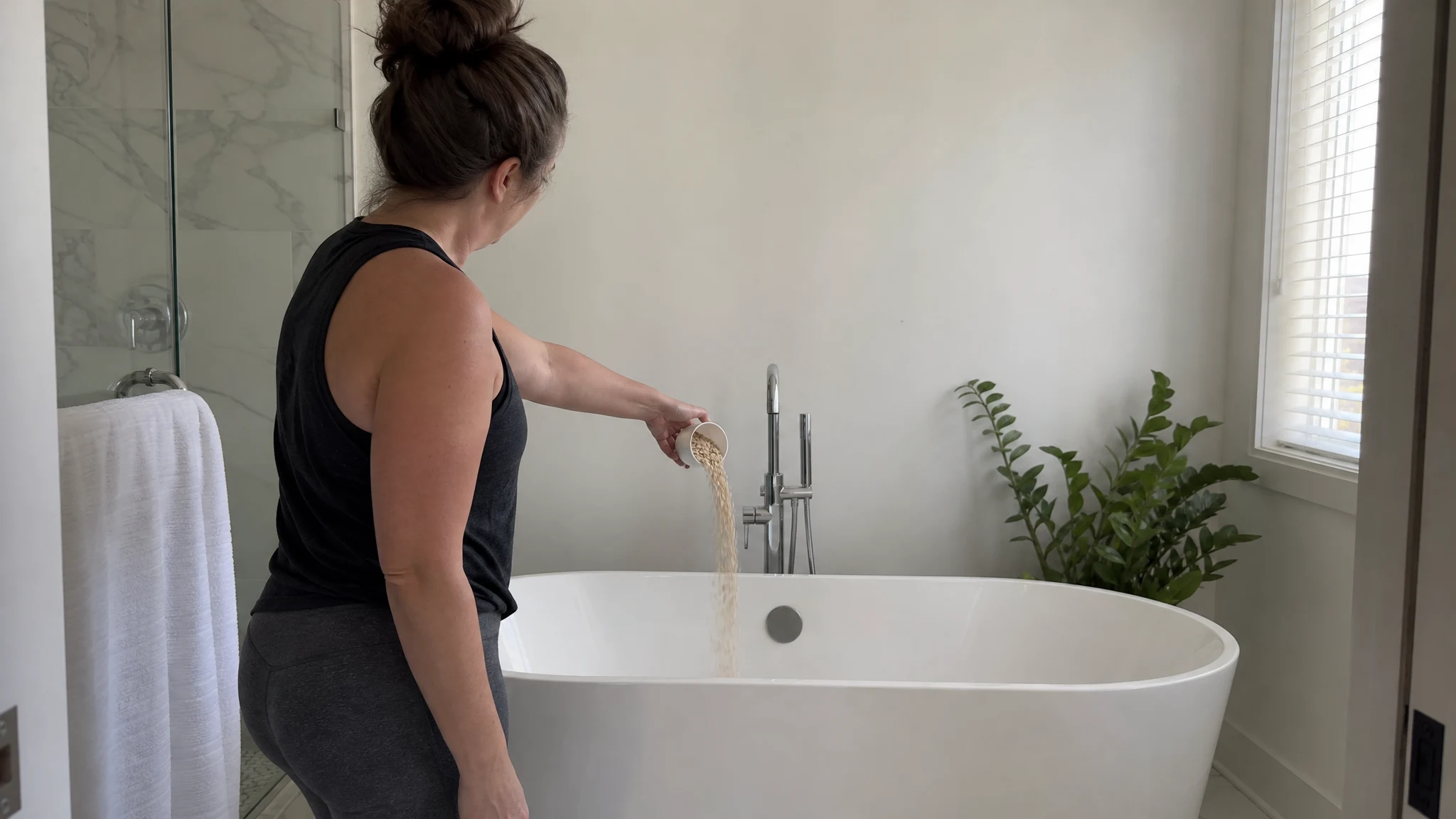
- Soak briefly. Warm water, not hot, for five to ten minutes, with oats in a muslin bag or finely ground so your drain stays clear.
- Pat dry and oil up. A thin layer of almond oil on damp skin, then dress in something you do not mind marking. Wash towels and clothing regularly, since oils soak into fabric.
Who should skip the home routine
Anyone with a tree nut allergy, anyone with broken, weeping or infected skin, and babies, who should be bathed in whatever your pediatrician recommends. Our baby massage article shares what authorities say about nut oils on infants.
For a longer view of dry skin across the seasons, see our dry skin article, and our almond versus coconut comparison looks at the two oils side by side.
Soak with oats, pat dry, oil your skin while it is still damp, and enjoy the quiet that follows.
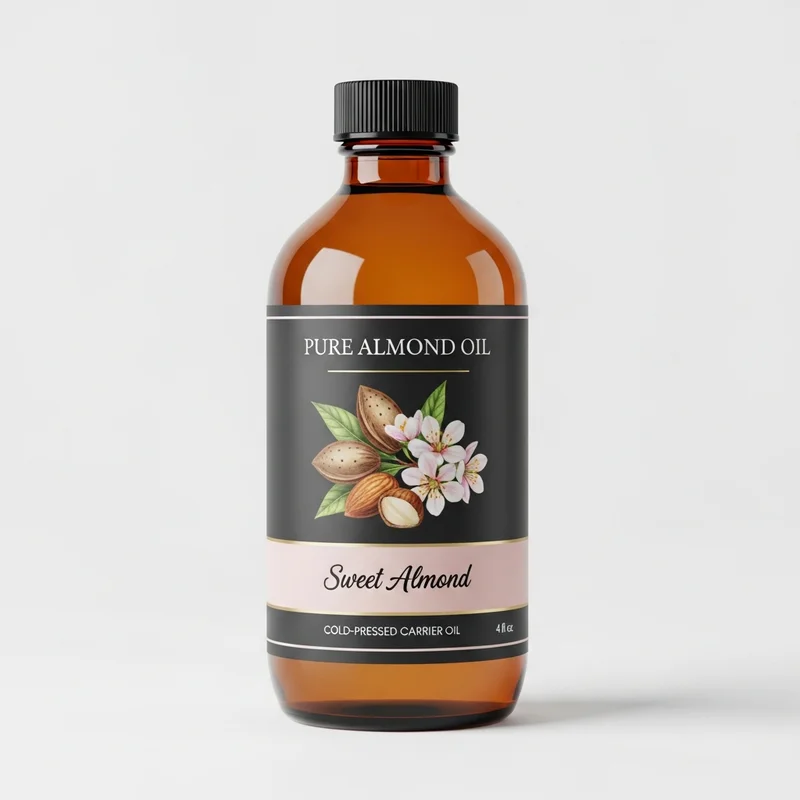
Sweet Almond Oil
Sweet Almond Oil from our own shop, in sizes from 0.5 oz to bulk.
From $9.99
Shop Now →Sources & Further Reading
- Legal Information Institute, 21 CFR 347.10 - Skin protectant active ingredients
- American Academy of Dermatology, Dermatologists' top tips for relieving dry skin
- Vaughn et al., Multi-Center Randomized Clinical Study of The Effects of Natural Oils on Xerosis and Skin Barrier Properties, SKIN The Journal of Cutaneous Medicine
- American Academy of Dermatology, How to test skin care products