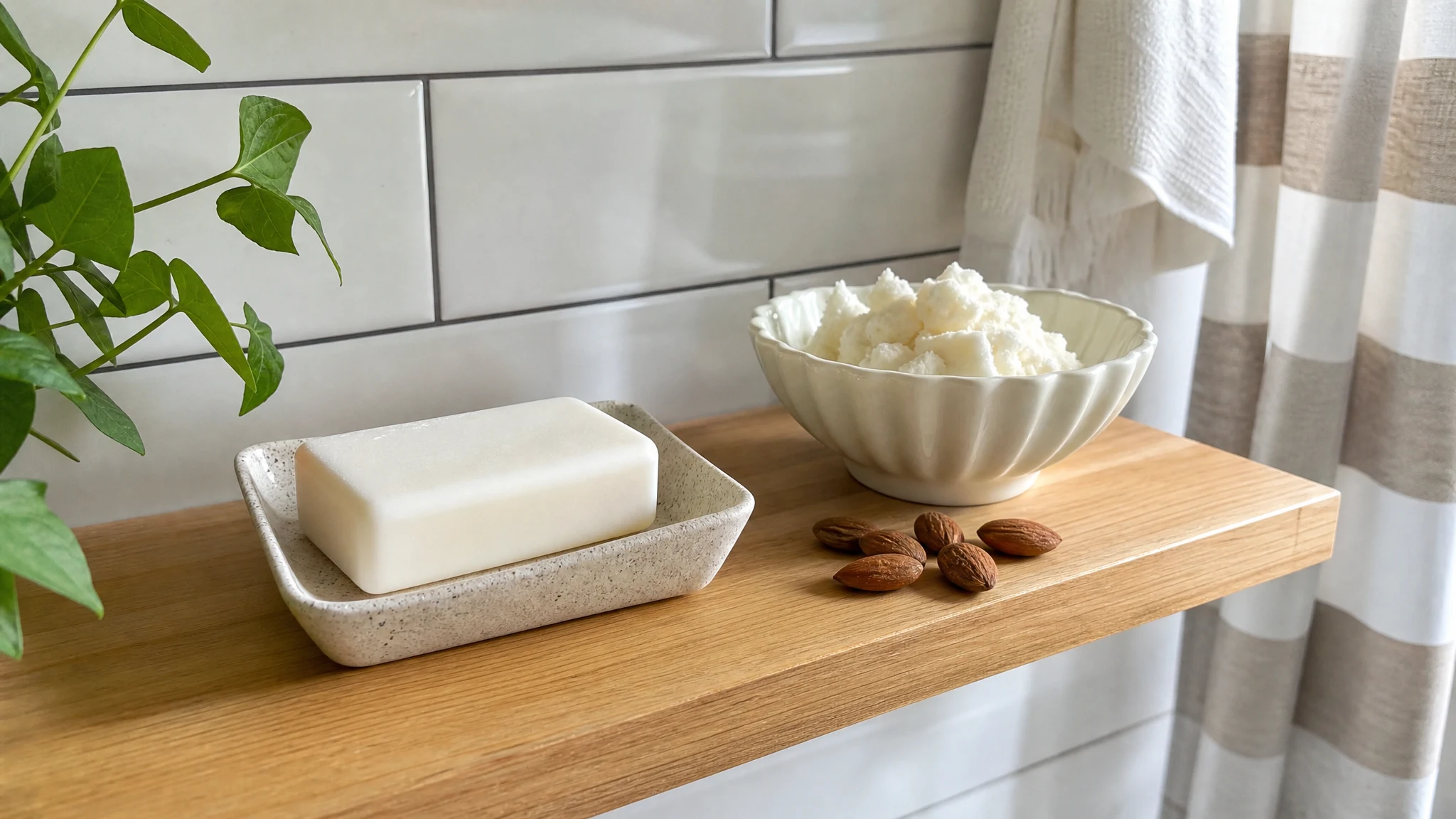
Can You Make Shave Butter With Almond Oil?
Whip almond oil with a butter and you get something silky, but you do not get shaving cream. Shaving cream is a water-based lather that wets and cushions the hair, and an oil-and-butter blend is closer to a shave butter, a rich glide you use alongside the water rather than instead of it. Knowing that makes the whole idea easier to enjoy.
What a good shave asks for
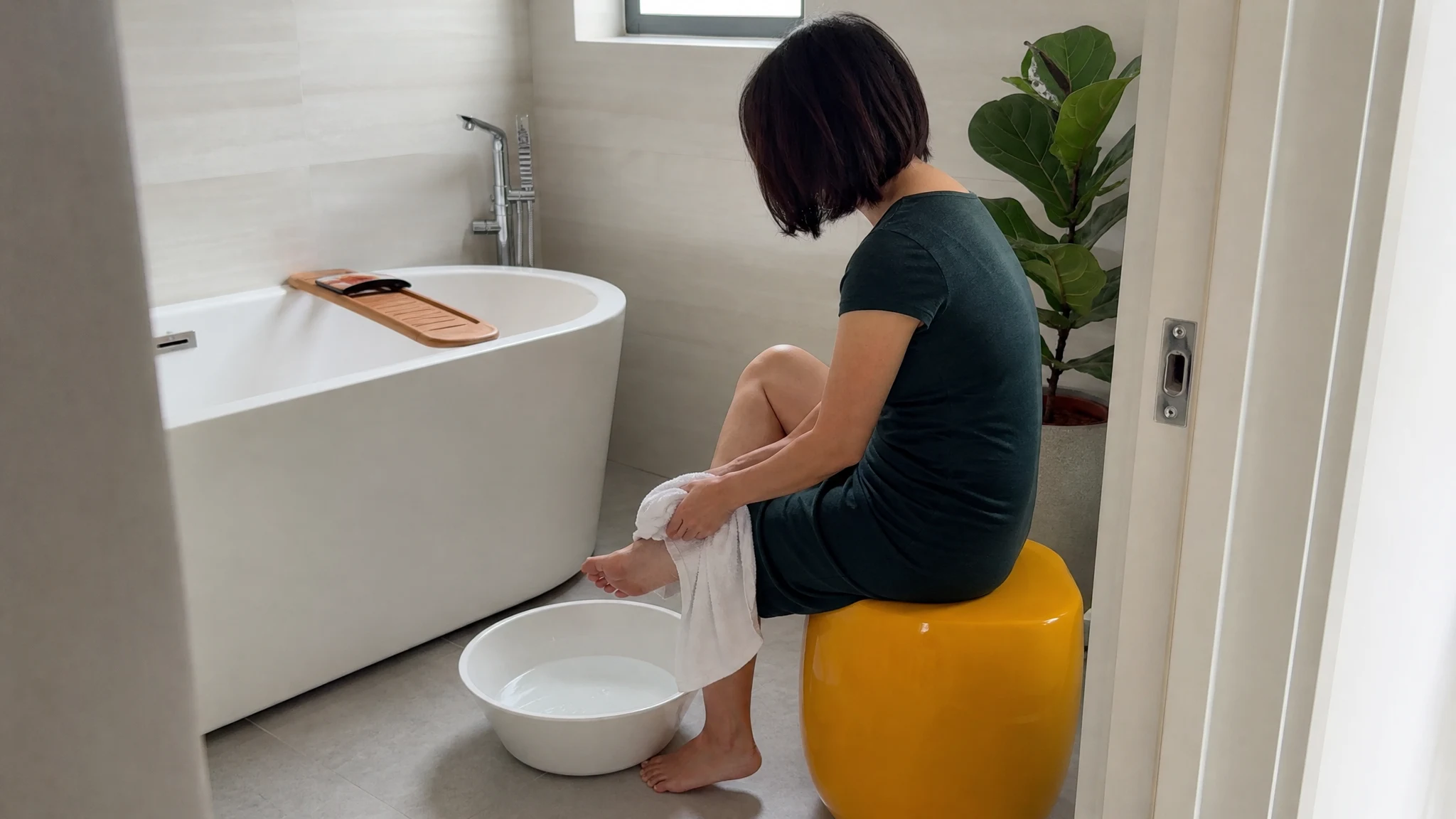
The American Academy of Dermatology's steps are simple: wet your skin and hair first to soften them, apply a shaving cream or gel, shave in the direction the hair grows, and replace the blade after 5 to 7 shaves (AAD, Hair removal: How to shave). For razor bumps it adds that shaving at the end of a shower, or holding a warm, damp washcloth on the area first, softens and swells the hair so it is less likely to curve into the skin, and it suggests a moisturizing shaving cream, a cool damp cloth afterward and shaving daily or every 2 to 3 days (AAD, 6 razor bump prevention tips from dermatologists).
Neither page mentions oils, and that is useful. It means the main ingredients of a comfortable shave are soft hair, a lubricated surface, a sharp blade and good technique. Almond oil can contribute to the lubrication and the moisturizing. The warm water does the softening, so wet the skin first and use the butter afterward.
It also helps to think about what you want to feel at the end. A comfortable shave leaves skin soft, not slick. If your face or legs feel coated with grease afterward, the layer was too thick, and the fix is simply less butter next time. A pea-sized amount warmed between your fingertips goes a long way on a small area.
Why we skip the whipped "cream" version
A common recipe melts oils, butters and wax, whips them, then folds in liquid soap. Liquid soap contains water, and once it is in, the product is no longer water-free. The FDA lists contaminated water, ineffective preservation, warm or damp storage and dipped fingers as routes of contamination, and a shave product spends its life in a bathroom (FDA, Microbiological Safety and Cosmetics). Water-containing products need a broad-spectrum preservative and a cosmetic chemist's review. For ingrown hairs, the AAD recommends a pre-shave gel and a fragrance-free shaving cream (AAD, DIY treatment for 5 common beard problems), so we would leave out essential oils too. If you want a lather, a fragrance-free shaving cream or gel is the right tool. If you want almond oil in the story, here is a water-free route.
A shave butter, worked out by weight
This is a formulation built from arithmetic, not a recipe with a promised texture. The butter is shea. The Cosmetic Ingredient Review panel concluded that 13 shea-derived ingredients are safe in the present practices of use and concentration when formulated to be non-sensitizing (Burnett and colleagues, Safety Assessment of Butyrospermum parkii (Shea)-Derived Ingredients as Used in Cosmetics, Int J Toxicol, 2024). Shea butter comes from a craft or supply shop, since we sell only the almond oil.
| Ingredient | Share by weight | In a 100 g batch |
|---|---|---|
| Shea butter | 60% | 60 g |
| Sweet almond oil | 40% | 40 g (about 43.6 ml at density 0.918) |
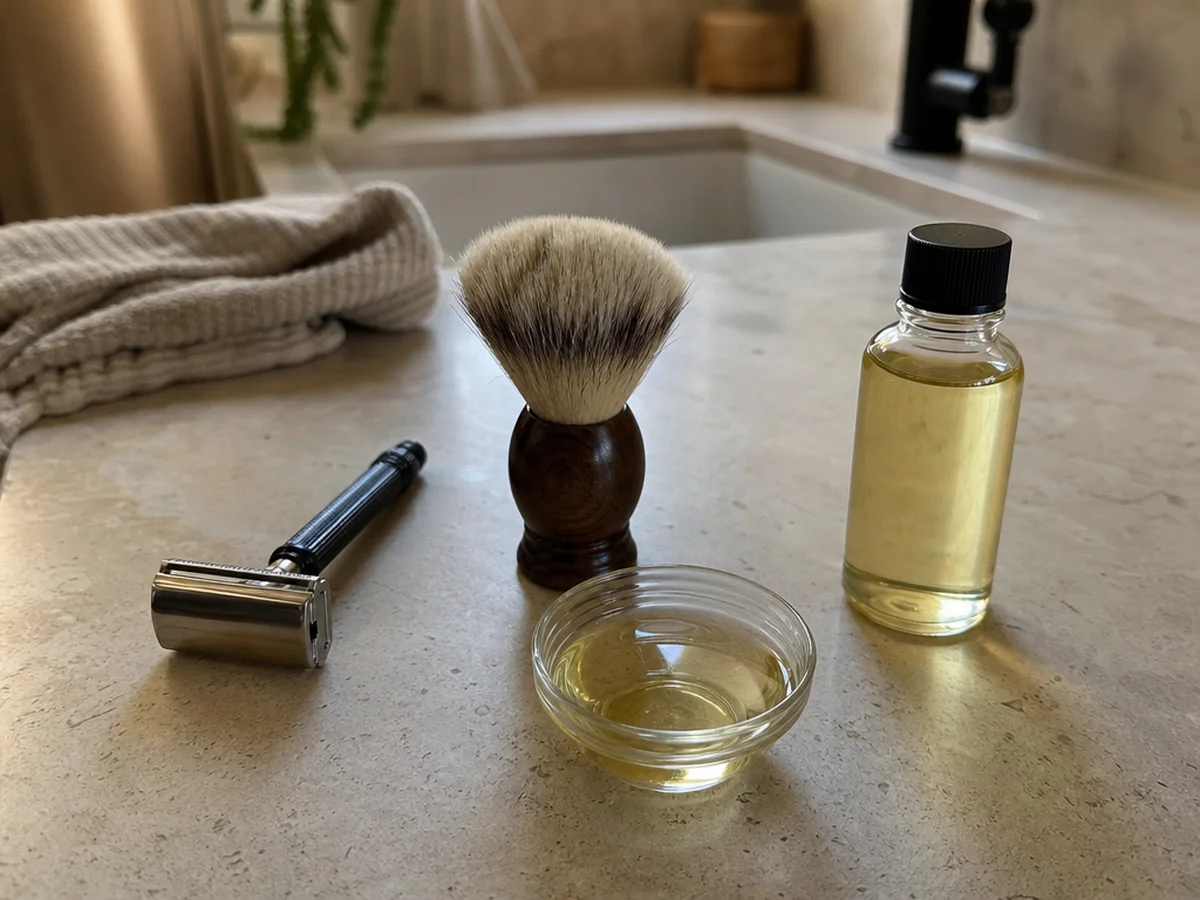
More oil gives a softer butter and more shea a firmer one, so treat the split as a starting point and adjust in small batches. A 30 gram trial batch at the same split is 18 grams of shea and 12 grams of oil, about 13.1 milliliters. The volume figures use the density measured on the batch on our published Certificate of Analysis (0.918 at 20 C), so they are approximate for your bottle. A 1 ounce bottle of oil weighs about 27 grams at that density, enough for two trial batches. Melt the two together gently, stir until it cools, and leave out fragrance. Write the date and weights on the jar so you can nudge the next batch.
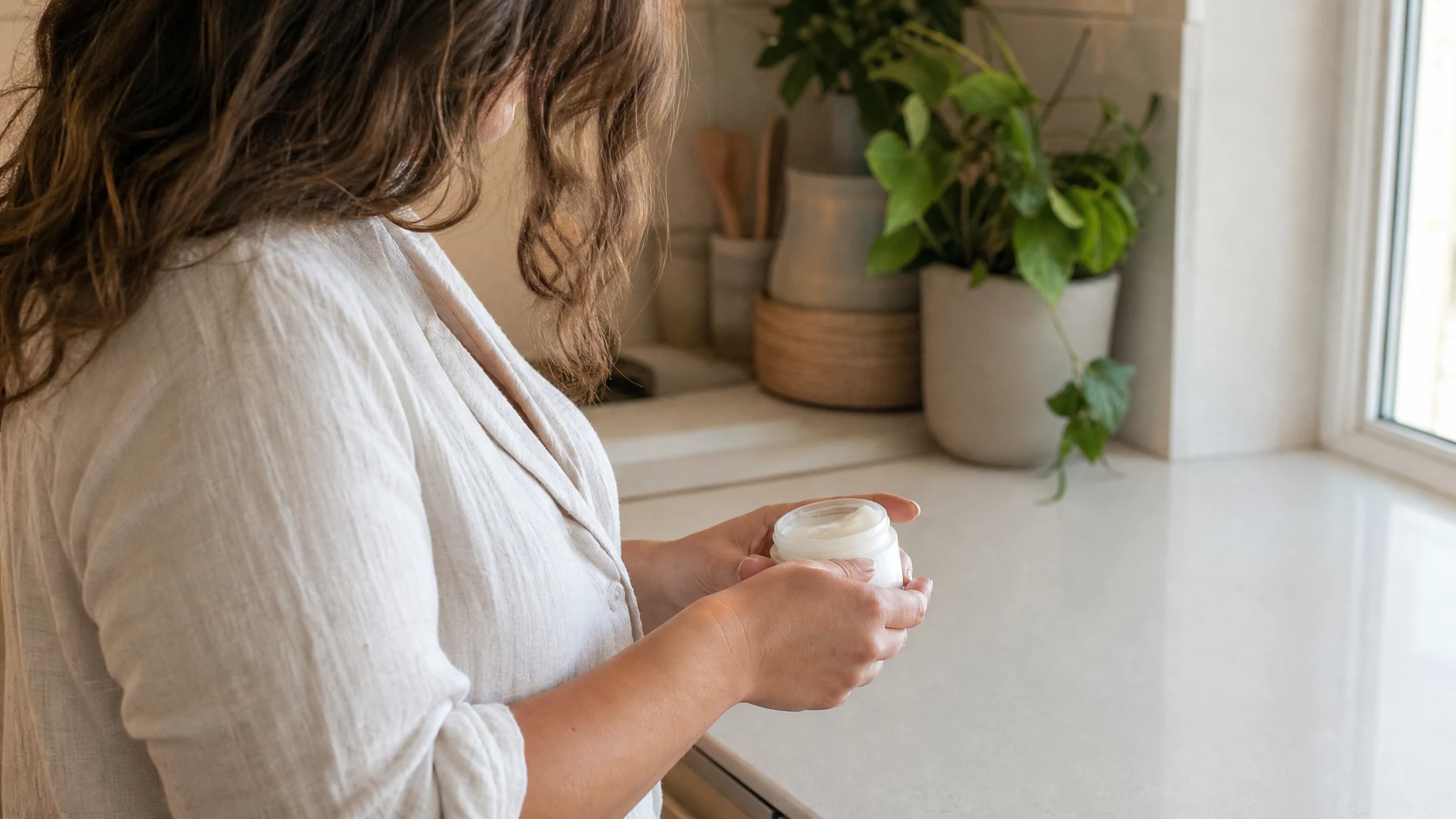
As it sets, you will notice the mixture turning from a clear, golden liquid to a soft, pale, creamy paste. Give it a stir now and then while it cools so the oil and butter stay blended rather than separating into layers. If you like to see how a batch behaves, press a fingertip into it once it has firmed: it should feel like a soft balm that softens at skin temperature. The faint nutty sweetness of almond oil is a nice background note, and with no fragrance added, it is the only scent in the jar.
To use it, follow the dermatologists' order: wash with a non-comedogenic cleanser, soften the hair with warm water or a warm damp cloth, spread a thin layer, shave with the grain and rinse the blade often, since a butter coats it. Finish with a cool damp cloth. Scoop with a clean spatula, not wet fingers, and store it dry. Our oil is best within about a year of pressing when kept cool and dark; the finished butter has its own, shorter timeline, so make small batches and discard it if it smells off.
Who should skip it
Almond is a tree nut. Our oil is cold-pressed and unrefined, so anyone with a tree nut allergy should not use it; see our nut allergy post. Skip homemade products on cuts, rashes or sunburn. If razor bumps persist after changing your routine, the AAD suggests seeing a board-certified dermatologist. We make no claim that our oil is non-comedogenic, and sources disagree on it, so read our acne-prone skin FAQ if that concerns you. Patch test first with the AAD method of a quarter-sized spot, twice a day for 7 to 10 days; our patch test guide walks through it.
For what to put on a beard once you stop shaving, see our beard balm formulation and the beard care overview. A good shave is mostly warm water and patience, and a little butter on the side makes it more pleasant.
Small batches, a clean spatula and a bit of patience are all this takes. Treat the first jar as a draft, and let it teach you how you like your butter.
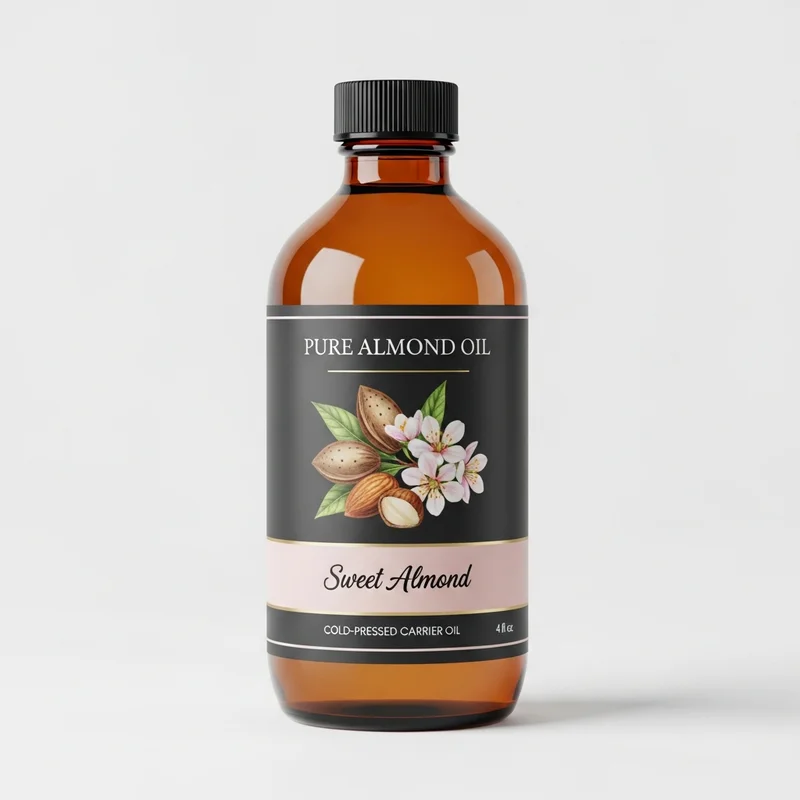
Sweet Almond Oil
Sweet Almond Oil from our own shop, in sizes from 0.5 oz to bulk.
From $9.99
Shop Now →Sources & Further Reading
- American Academy of Dermatology. Hair removal: How to shave. aad.org
- American Academy of Dermatology. 6 razor bump prevention tips from dermatologists. aad.org
- American Academy of Dermatology. DIY treatment for 5 common beard problems. aad.org
- U.S. Food and Drug Administration. Microbiological Safety and Cosmetics. fda.gov
- Burnett CL et al. Safety Assessment of Butyrospermum parkii (Shea)-Derived Ingredients as Used in Cosmetics. Int J Toxicol, 2024. pure.psu.edu
- American Academy of Dermatology. How to test skin care products. aad.org