Almond Oil for Face: Your Complete Routine for Every Skin Type and Concern
Sweet almond oil has become a beloved staple in skincare routines worldwide, and for good reason. This lightweight, nourishing oil offers gentle care that many people find suitable for facial use. Whether you're new to oil-based skincare or looking to refine your routine, this comprehensive guide will help you understand how to incorporate almond oil for face care into your daily regimen.
From understanding its properties to creating customized routines for different skin types, we'll explore everything you need to know about using sweet almond oil as part of your facial care routine. Let's dive into the world of this versatile beauty oil and discover how it might enhance your skincare journey.
Key Takeaways
- Sweet almond oil is lightweight and may be suitable for various skin types when used properly
- Proper cleansing and application techniques are essential for best results
- Different skin types may benefit from customized almond oil routines
- Quality sourcing and storage affect oil effectiveness
- Always patch test before incorporating any new product into your routine
- Consult with a dermatologist for specific skin concerns
Table of Contents
- Understanding Sweet Almond Oil for Facial Care
- How to Choose Quality Almond Oil for Your Face
- Basic Application Techniques and Safety Guidelines
- Customized Routines for Different Skin Types
- Addressing Specific Skin Concerns with Almond Oil
- Advanced Application Techniques and Combinations
- Troubleshooting Common Issues
- Proper Storage and Maintenance
Understanding Sweet Almond Oil for Facial Care
Sweet almond oil, derived from the kernels of Prunus amygdalus, has been used in beauty routines for centuries. This pale golden oil is known for its lightweight texture and gentle nature, making it a popular choice for those exploring oil-based facial care.
What Makes Almond Oil Suitable for Face Care?
Several characteristics may make sweet almond oil for face care appealing to many users:
- Lightweight texture: Unlike heavier oils, almond oil absorbs relatively quickly without leaving a heavy residue
- Neutral scent: The mild, barely detectable fragrance makes it suitable for sensitive noses
- Stable composition: When properly stored, almond oil maintains its quality longer than some other facial oils
- Versatile application: Can be used alone or mixed with other skincare ingredients
Nutritional Profile and Skin-Friendly Components
Sweet almond oil contains several compounds that skincare enthusiasts often find beneficial:
| Component | Approximate Percentage | Potential Skin Benefits |
|---|---|---|
| Oleic Acid | 65-75% | May help with skin barrier function |
| Linoleic Acid | 15-25% | Some research suggests it may support skin health |
| Palmitic Acid | 5-8% | May contribute to skin conditioning |
| Vitamin E | Small amounts | Acts as a natural preservative |
Note: Individual results may vary, and these are general observations rather than guaranteed outcomes.
How Almond Oil Interacts with Facial Skin
When applied to facial skin, almond oil may interact with your skin's natural barrier in several ways. Some users report that it feels moisturizing without being overly heavy, while others find it helps their skin feel softer and smoother. The oil's molecular structure allows it to absorb into the upper layers of skin relatively easily.
However, it's important to remember that everyone's skin is unique. What works wonderfully for one person may not be suitable for another, which is why patch testing is always recommended before incorporating any new product into your routine.
How to Choose Quality Almond Oil for Your Face
Not all almond oils are created equal, especially when it comes to facial use. The quality of your almond oil face moisturizer can significantly impact your experience and results.
Key Quality Indicators
When selecting almond oil for facial use, look for these quality markers:
- Cold-pressed extraction: This method preserves more of the oil's natural properties
- Organic certification: Indicates the almonds were grown without synthetic pesticides
- Clear to pale golden color: Fresh, quality almond oil should not appear dark or cloudy
- Mild, sweet scent: Rancid or strongly scented oils should be avoided
- Proper packaging: Dark glass bottles protect the oil from light degradation
Sweet vs. Bitter Almond Oil
It's crucial to understand the difference between sweet and bitter almond oil:
Sweet almond oil comes from edible almonds and is safe for topical use. This is what you want for facial care.
Bitter almond oil is derived from a different variety and contains compounds that make it unsuitable for skincare use.
Always verify that you're purchasing sweet almond oil specifically intended for cosmetic or skincare use.
Storage and Shelf Life Considerations
Quality almond oil, when properly stored, typically maintains its properties for 12-18 months. Look for products with clear expiration dates and avoid purchasing oils that have been sitting on shelves for extended periods.
Basic Application Techniques and Safety Guidelines

Proper application technique can make the difference between a positive and negative experience with almond oil facial care. Let's explore the fundamentals of safe, effective application.
Patch Testing: Your First Step
Before using almond oil on your face, always perform a patch test:
- Apply a small amount of oil to your inner forearm or behind your ear
- Cover with a bandage if desired
- Wait 24-48 hours
- Check for any signs of irritation, redness, or reaction
- If no reaction occurs, you may proceed with facial application
Important: If you experience any adverse reaction during patch testing, discontinue use immediately and consult with a healthcare provider if symptoms persist.
Basic Application Method
Here's a step-by-step guide for basic almond oil facial application:
Preparation
- Start with clean, dry hands
- Ensure your face is freshly cleansed and patted dry
- Have a clean towel nearby for any excess
Application Steps
- Measure carefully: Start with 3-4 drops for your entire face
- Warm the oil: Rub between your palms to warm slightly
- Apply gently: Pat and press into skin rather than rubbing vigorously
- Work systematically: Start with cheeks, then forehead, chin, and nose
- Allow absorption: Give the oil 10-15 minutes to absorb before applying other products
Timing and Frequency Guidelines
When incorporating almond oil into your routine, timing matters:
- Evening application: Many people prefer using facial oils at night when skin naturally repairs itself
- Morning use: If using during the day, allow adequate absorption time before applying sunscreen
- Frequency: Start with 2-3 times per week and adjust based on your skin's response
Safety Precautions and Contraindications
While almond oil is generally well-tolerated, certain precautions are important:
⚠️ Important Safety Information
- Nut allergies: Those with tree nut allergies should avoid almond oil and consult with an allergist
- Sensitive skin: Start with very small amounts and monitor skin response
- Eye area: Use extreme caution around eyes; discontinue if irritation occurs
- Open wounds: Avoid applying to broken or severely irritated skin
- Pregnancy/nursing: Consult with healthcare provider before use
Customized Routines for Different Skin Types
One size doesn't fit all when it comes to facial oil routines. Different skin types may benefit from tailored approaches to using almond oil for face care.
Dry Skin: Maximum Hydration Approach
For those with dry skin, almond oil may provide welcomed moisture. Here's a suggested routine:
Morning Routine
- Gentle cream cleanser
- Toner (if used)
- 2-3 drops of almond oil, patted into skin
- Moisturizer (if additional hydration is needed)
- Broad-spectrum sunscreen
Evening Routine
- Oil cleanser or makeup remover
- Gentle cream cleanser
- Toner (if used)
- 4-5 drops of almond oil, gently massaged in
- Night cream (optional, depending on skin needs)
People with dry skin often report that almond oil helps their skin feel more comfortable and less tight. For more detailed information about this approach, you might find our guide on almond oil for dry skin helpful.
Oily Skin: Light Application Method
Contrary to common belief, some people with oily skin find that facial oils, including almond oil, may help balance their skin when used correctly:
Recommended Approach
- Start slowly: Begin with 1-2 drops, 2-3 times per week
- Evening only: Apply almond oil only at night initially
- Focus on technique: Pat lightly rather than massaging deeply
- Monitor response: Watch for any changes in oil production or breakouts
Sample Evening Routine
- Oil cleanser (if wearing makeup)
- Foaming cleanser
- BHA or salicylic acid approach (if used)
- Wait 20-30 minutes
- 1-2 drops almond oil, patted into skin
- Lightweight moisturizer if needed
Some individuals with oily skin are curious about whether almond oil might help with breakouts. Our article on almond oil for acne explores this topic in detail.
Combination Skin: Zone-Specific Application
Combination skin presents unique challenges, as different areas of the face have different needs:
Customized Application Strategy
- T-zone (forehead, nose, chin): Use sparingly, 1 drop maximum
- Cheek and jawline areas: Can typically handle 2-3 drops
- Around eyes: Use with extreme caution, if at all
Weekly Routine Structure
- Monday, Wednesday, Friday: Full face application with zone-specific amounts
- Other days: Focus only on drier areas if needed
- Adjust based on seasonal changes: May need more in winter, less in summer
Sensitive Skin: Gentle Integration Approach
Sensitive skin requires extra care when introducing any new product:
Gradual Introduction Protocol
- Week 1: Patch test and observe
- Week 2: Apply to one small area of face every other day
- Week 3: If no reaction, expand to half of face
- Week 4: Full face application if well-tolerated
Sensitive Skin Precautions
- Use only high-quality, pure almond oil
- Avoid mixing with other new products initially
- Keep a skin diary to track any reactions
- Have a gentle, fragrance-free moisturizer on standby
Mature Skin: Nourishing Routine
Mature skin often benefits from the nourishing properties that almond oil may provide:
Enhanced Routine for Mature Skin
- Double cleansing: Start with almond oil as a gentle makeup remover
- Facial massage: Incorporate gentle massage techniques during application
- Layering: Use almond oil under heavier creams for enhanced hydration
- Neck and décolletage: Don't forget these often-neglected areas
Addressing Specific Skin Concerns with Almond Oil
Many people turn to almond oil hoping it might help with specific skin concerns. While we cannot make medical claims, we can explore how some individuals incorporate almond oil into routines targeting particular areas of concern.
Under-Eye Area Care
The delicate under-eye area requires special attention. Some people find almond oil gentle enough for this sensitive region:
Application Tips for Eye Area
- Use minimal amounts: One tiny drop is usually sufficient for both eyes
- Gentle application: Pat with ring finger using the lightest touch
- Avoid the lash line: Stay well away from the eye itself
- Test carefully: The eye area is particularly sensitive to reactions
Some individuals use almond oil as part of their under-eye care routine. For more specific information about this application, our guide on almond oil for dark circles provides detailed insights.
Areas of Uneven Tone
People often ask about using almond oil on areas where their skin tone appears uneven. While results vary widely among individuals, some report that consistent use of almond oil as part of their overall skincare routine may contribute to a more even-looking complexion over time.
Application Strategy
- Focus on consistent, long-term use rather than expecting quick results
- Combine with proper sun protection during the day
- Consider professional guidance for significant concerns
- Maintain realistic expectations about outcomes
Rough or Flaky Skin Patches
Some individuals find that almond oil helps areas of their face that tend to feel rough or appear flaky:
Targeted Approach Approach
- Identify specific areas that tend to be problematic
- Apply slightly more oil to these areas during regular routine
- Consider gentle circular massage motions
- Follow up with appropriate moisturizer if needed
- Monitor improvement over several weeks
Seasonal Skin Changes
Many people notice their skin behaves differently throughout the year, and almond oil routines can be adjusted accordingly:
Winter Adjustments
- May increase frequency of application
- Could use slightly more oil per application
- Might layer under heavier moisturizers
- Consider using as an overnight approach
Summer Modifications
- May reduce amount used per application
- Could focus on evening use only
- Might apply only to specific dry areas
- Always ensure proper sunscreen application over oil
Advanced Application Techniques and Combinations

Once you're comfortable with basic almond oil application, you might explore more advanced techniques to enhance your almond oil facial routine.
Facial Massage Techniques
Incorporating massage into your almond oil routine may enhance the experience and potentially provide additional benefits:
Basic Facial Massage Steps
- Forehead: Gentle upward strokes from eyebrows to hairline
- Cheeks: Circular motions moving outward from nose to ears
- Jawline: Firm but gentle strokes along the jaw from chin to ears
- Under-eye: Very light tapping motions with ring finger
- Neck: Upward strokes from collar bone to jawline
Duration: 2-3 minutes total, focusing on areas that feel tense or tight.
DIY Almond Oil Face Treatments
Creating custom treatments can add variety to your routine:
Simple Almond Oil Face Mask
Some people enjoy creating their own face masks using almond oil as a base. For detailed recipes and instructions, check out our comprehensive guide on DIY almond oil face masks.
Oil Blending Basics
Advanced users sometimes combine almond oil with other facial oils:
- For dry skin: Mix with a few drops of rosehip or argan oil
- For oily skin: Blend with jojoba oil for lighter texture
- For sensitive skin: Combine with chamomile-infused oil
Note: When blending oils, start with small amounts and test the combination before applying to your entire face.
Integration with Other Skincare Products
Understanding how almond oil works with other products can optimize your routine:
Layering Order
The general rule is to apply products from thinnest to thickest consistency:
- Cleanser
- Toner/essence
- Serums (water-based)
- Almond oil
- Moisturizer
- Sunscreen (morning only)
Active Ingredient Considerations
- Retinoids: Apply almond oil after retinoid has absorbed to potentially reduce irritation
- AHA/BHA: Use acids first, wait 20-30 minutes, then apply oil
- Vitamin C: Morning vitamin C serums should go under almond oil
Professional Approach Preparation
If you receive professional facial treatments, consider how almond oil fits into your routine:
- Before treatments: Avoid oil use 24-48 hours before chemical peels or certain procedures
- After treatments: Almond oil may be soothing post-approach, but always follow professional guidance
- Maintenance: Regular oil use may help maintain approach results
Troubleshooting Common Issues
Even with careful application, you might encounter challenges when using almond oil for face care. Here's how to address common concerns:
"The Oil Feels Too Heavy"
If almond oil feels too heavy for your skin, try these adjustments:
- Reduce quantity: Use fewer drops (start with just 1-2 for entire face)
- Improve absorption: Apply to slightly damp skin
- Change timing: Switch to evening-only application
- Blend with lighter oils: Mix with jojoba or grapeseed oil
- Press, don't rub: Use patting motions rather than massaging
"I'm Breaking Out More"
If you notice increased breakouts after starting almond oil:
- Stop use temporarily and let skin settle
- Check oil quality - ensure it's fresh and properly stored
- Evaluate other changes in your routine or environment
- Consider purging vs. true breakouts - consult a dermatologist if concerned
- Restart slowly with smaller amounts and less frequency
"My Skin Feels Irritated"
Skin irritation requires immediate attention:
🚨 If You Experience Irritation:
- Discontinue use immediately
- Gently cleanse with a mild, fragrance-free cleanser
- Apply a simple, gentle moisturizer if skin feels tight
- Avoid other active ingredients until irritation subsides
- Consult a dermatologist if symptoms persist or worsen
"The Oil Isn't Absorbing"
Poor absorption can be frustrating. Try these solutions:
- Warm the oil: Rub between palms before application
- Apply to damp skin: Use a facial mist or apply to slightly wet skin
- Check expiration: Old oil may not absorb as well
- Evaluate skin prep: Ensure skin is clean but not over-dried
- Consider skin type match: Your skin type might be better suited to a different oil
"I Don't See Any Results"
Skincare results take time. Here's how to evaluate progress:
- Give it time: Most people need 6-8 weeks to see significant changes
- Take progress photos: Changes can be subtle and hard to notice day-to-day
- Keep a skin diary: Track how your skin feels, not just how it looks
- Assess realistic expectations: Oil alone may not address all skin concerns
- Consider professional guidance: A dermatologist can help evaluate your routine
Product Quality Issues
Sometimes the problem isn't your technique but the oil itself:
Signs of Poor Quality Oil:
- Strong, unpleasant odor
- Thick, sticky texture
- Cloudy or very dark appearance
- Causes immediate irritation
- Doesn't absorb despite proper application
If you suspect quality issues, discontinue use and source a new bottle from a reputable supplier.
Proper Storage and Maintenance
Maintaining the quality of your almond oil face moisturizer is crucial for both effectiveness and safety. Proper storage can significantly extend the life of your oil.
Optimal Storage Conditions
Follow these guidelines to keep your almond oil fresh:
Temperature Control
- Cool storage: Keep in a cool, dry place (60-70°F ideal)
- Avoid heat: Never store near radiators, windows, or in hot cars
- Refrigeration: Optional but can extend shelf life in hot climates
Light Protection
- Dark containers: Choose amber or dark glass bottles
- Avoid sunlight: Keep away from direct sunlight
- Cabinet storage: A bathroom or bedroom cabinet works well
Air Exposure
- Tight seals: Always recap bottles immediately after use
- Minimal air space: Transfer to smaller bottles as you use the oil
- Clean handling: Use clean hands or a dropper to dispense
Shelf Life and Freshness Indicators
Understanding when your almond oil is past its prime helps ensure safe use:
Typical Shelf Life
- Unopened: 18-24 months from production date
- Opened: 6-12 months with proper storage
- Refrigerated: May extend life by several months
Signs of Rancidity
| Sense | Fresh Oil | Rancid Oil |
|---|---|---|
| Smell | Mild, sweet, barely noticeable | Sharp, sour, or paint-like odor |
| Appearance | Clear to pale golden | Dark, cloudy, or separated |
| Texture | Smooth, lightweight | Thick, sticky, or gummy |
| Skin reaction | Comfortable, absorbs well | Irritating, doesn't absorb |
Important: Never use rancid oil on your skin, as it may cause irritation or other adverse reactions.
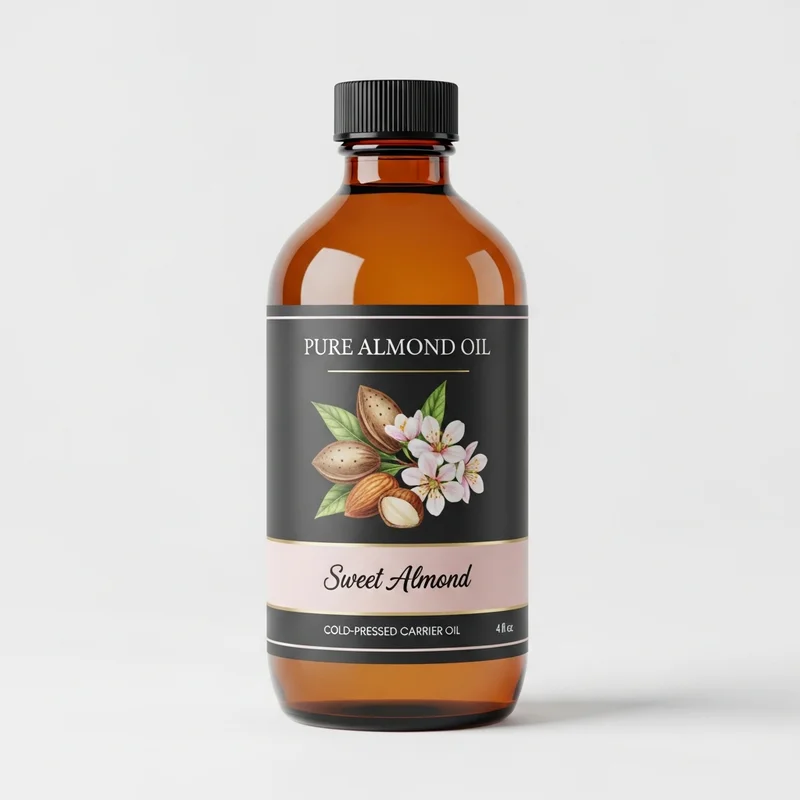
Sweet Almond Oil
Sweet Almond Oil from our own shop, in sizes from 0.5 oz to bulk.
From $8.99
Shop Now →