Almond Oil for Dark Circles and Under-Eye Care: Dermatologist-Reviewed Strategies That Work
Key Takeaways
- Sweet almond oil may support under-eye skin health through moisturization and gentle care
- Dermatologists note that consistent, gentle application is more important than the specific oil used
- Dark circles have multiple causes - genetics, lifestyle, and aging - that topical oils alone cannot address
- Proper application technique and realistic expectations are essential for any eye care routine
- Always patch test new products and consult healthcare providers for persistent concerns
Table of Contents
- Understanding Dark Circles: Causes and Contributing Factors
- Sweet Almond Oil Properties and Composition
- Dermatologist-Approved Application Techniques
- Setting Realistic Expectations for Natural Eye Care
- DIY Eye Care Treatments and Recipes
- Safety Considerations and Precautions
- Complementary Lifestyle Approaches
- When to Consult a Professional
Understanding Dark Circles: Causes and Contributing Factors
Before exploring how almond oil for dark circles might fit into your skincare routine, it's essential to understand what causes those shadowy under-eye areas in the first place. Dark circles are a complex cosmetic concern with multiple underlying factors that no single topical approach can fully address.
Primary Causes of Dark Circles
Genetics and Hereditary Factors: Many people inherit a predisposition to dark circles through family genetics. Some individuals naturally have thinner skin around the eyes, making underlying blood vessels more visible and creating a darker appearance.
Age-Related Changes: As we age, the delicate skin around our eyes becomes thinner and loses collagen and fat. This natural aging process can make blood vessels more prominent and create hollowing that casts shadows.
Lifestyle Factors: Poor sleep, dehydration, excessive screen time, and high stress levels may contribute to the appearance of dark circles. While these factors don't directly cause permanent pigmentation changes, they can affect how prominent existing circles appear.
Allergies and Inflammation: Seasonal allergies, eczema, or contact dermatitis can cause inflammation and rubbing, which may temporarily darken the under-eye area through increased blood flow and irritation.
Sun Exposure: UV damage can increase melanin production around the eyes, leading to hyperpigmentation that appears as persistent dark circles.
Types of Dark Circles
Dermatologists typically categorize dark circles into several types:
- Pigmented: Caused by excess melanin production
- Vascular: Resulting from visible blood vessels beneath thin skin
- Structural: Created by shadows from fat loss or bone structure
- Mixed: A combination of the above factors
Understanding your specific type can help set realistic expectations for what topical treatments like almond oil under eyes might potentially support versus concerns that may require different approaches.
Sweet Almond Oil Properties and Composition
Sweet almond oil has been used in traditional skincare practices for centuries, valued for its gentle nature and moisturizing properties. Let's examine what research tells us about this popular carrier oil and why some people choose it for their almond oil eye approach routines.
Nutritional and Chemical Composition
Sweet almond oil contains several components that make it suitable for delicate skin areas:
| Component | Percentage | Properties |
|---|---|---|
| Oleic Acid | 60-70% | Moisturizing, penetrating |
| Linoleic Acid | 20-25% | Lightweight, non-comedogenic |
| Palmitic Acid | 6-8% | Emollient properties |
| Vitamin E | Natural antioxidant | May support skin barrier function |
Physical Characteristics
Sweet almond oil's physical properties make it particularly appealing for sensitive eye area use:
- Lightweight texture: Absorbs relatively quickly without leaving heavy residue
- Low comedogenic rating: Generally considered unlikely to clog pores
- Mild nature: Typically well-tolerated by sensitive skin types
- Stability: Relatively stable oil with good shelf life when stored properly
Research on Almond Oil and Skin
Some scientific studies have examined sweet almond oil's effects on skin health, though specific research on dark circles remains limited. Available research suggests that almond oil may:
- Support skin barrier function through moisturization
- Provide gentle emollient effects
- Be well-tolerated by individuals with sensitive skin
- Offer antioxidant compounds that may support overall skin health
It's important to note that while these properties are promising, they don't translate directly into claims about reducing dark circles naturally. The under-eye area presents unique challenges that no single topical ingredient can comprehensively address.
For more detailed information about almond oil's overall skin benefits, you might find our comprehensive guide on almond oil for skin helpful.
Dermatologist-Approved Application Techniques

If you're considering incorporating almond oil for dark circles into your routine, proper application technique is crucial. The eye area features the thinnest, most delicate skin on your face, requiring gentle handling to avoid irritation or damage.
Pre-Application Preparation
Patch Testing: Before applying any new product around your eyes, perform a patch test on a small area of skin (like the inside of your wrist) 24-48 hours prior. This helps identify potential allergic reactions or sensitivities.
Clean Hands and Face: Always start with freshly washed hands and a clean face. Remove all makeup, including eye makeup, using a gentle cleanser appropriate for your skin type.
Timing: Many people prefer applying facial oils in the evening, as this allows time for absorption without interference from makeup or sun exposure.
Step-by-Step Application Process
Step 1: Amount and Warming
- Use only 1-2 drops of almond oil total for both eyes
- Warm the oil between your fingertips for easier application
- Less is more with eye area treatments
Step 2: Gentle Application
- Use your ring finger (weakest finger) to minimize pressure
- Dab small amounts along the orbital bone, not directly on the eyelid
- Start from the inner corner and work outward
- Avoid getting oil directly in your eyes
Step 3: Absorption Technique
- Gently pat (don't rub) the oil into skin
- Use upward motions to avoid pulling skin downward
- Allow 10-15 minutes for absorption before applying other products
Common Application Mistakes to Avoid
Using Too Much Product: Excess oil can migrate into eyes, causing blurry vision or irritation. It may also interfere with makeup application the following morning.
Aggressive Rubbing: The eye area requires extremely gentle handling. Harsh rubbing can cause micro-damage and potentially worsen the appearance you're trying to improve.
Inconsistent Application: Sporadic use won't allow you to properly assess whether the approach is suitable for your skin or providing any benefits.
Ignoring Reactions: If you experience redness, swelling, or increased sensitivity, discontinue use immediately.
Frequency and Timing
Most dermatologists suggest starting with once-daily application (typically evening) for the first week to assess tolerance. If no irritation occurs, some people choose to use their almond oil eye approach twice daily, though this isn't necessary and may increase the risk of milia (small white bumps) formation.
Remember that consistency is more important than frequency. Regular, gentle care over time is preferable to intensive treatments that might irritate this sensitive area.
Setting Realistic Expectations for Natural Eye Care
When considering almond oil under eyes as part of your skincare routine, it's crucial to maintain realistic expectations about what any topical approach can and cannot accomplish. Understanding these limitations helps prevent disappointment and guides you toward more effective overall eye care strategies.
What Almond Oil May Support
Moisturization and Hydration: Almond oil's primary benefit lies in its ability to provide gentle moisturization to the delicate under-eye area. Well-moisturized skin may appear more plump and smooth, potentially minimizing the appearance of fine dehydration lines.
Skin Barrier Support: The emollient properties of almond oil may help support the skin's natural barrier function, which can be particularly important in the thin-skinned eye area.
Gentle Daily Care: Incorporating a gentle oil like sweet almond oil into your routine may promote overall skin health through consistent, non-irritating moisturization.
Temporary Visual Improvement: The reflective properties of oil on skin can create a temporary visual smoothing effect, similar to how highlighter works in makeup.
What Almond Oil Cannot Address
Genetic Predisposition: If your dark circles are primarily genetic, no topical approach can fundamentally change your inherited skin characteristics or bone structure.
Significant Pigmentation Changes: Deep-set pigmentation from sun damage or post-inflammatory hyperpigmentation typically requires more targeted treatments than moisturizing oils can provide.
Structural Issues: Dark circles caused by fat loss, muscle changes, or bone structure cannot be corrected with topical applications.
Vascular Visibility: While moisturization might provide slight visual improvement, oils cannot significantly reduce the visibility of blood vessels beneath thin skin.
Timeline for Potential Benefits
If you're going to notice any improvement from using almond oil for dark circles, realistic timeframes include:
- Immediate: Temporary visual smoothing and hydration
- 1-2 weeks: Improved skin texture and moisture levels
- 4-6 weeks: Any subtle improvements in overall eye area appearance
- Beyond 6 weeks: Maintenance of hydration and skin barrier health
If you don't notice any improvements after 6-8 weeks of consistent use, the approach may not be effective for your particular type of dark circles.
Complementary Benefits
While almond oil alone won't transform severe dark circles, it may serve as a beneficial component of a broader skincare routine. The gentle nature of sweet almond oil makes it suitable for:
- Preparing skin for other treatments
- Providing a base for DIY almond oil eye cream formulations
- Supporting overall eye area skin health
- Offering a natural alternative for those preferring simple ingredient lists
The key is viewing almond oil as one element of comprehensive eye care rather than a standalone solution for complex cosmetic concerns.
DIY Eye Care Treatments and Recipes

For those interested in creating their own almond oil eye approach formulations, several simple recipes can enhance the basic benefits of pure almond oil. However, it's important to approach DIY eye care with extra caution due to the sensitivity of this area.
Safety Guidelines for DIY Eye Treatments
Before attempting any homemade eye care recipes:
- Patch test everything: Test all new combinations on non-facial skin first
- Use clean tools: Sterilize mixing bowls, spoons, and storage containers
- Small batches: Make small quantities to ensure freshness
- Proper storage: Store homemade treatments in cool, dark places
- Expiration awareness: Use within recommended timeframes
- Quality ingredients: Source oils and additives from reputable suppliers
Basic Almond Oil Eye Approach
Simple Moisturizing Approach
Ingredients:
- 1 tablespoon sweet almond oil
- 2 drops vitamin E oil (optional)
Instructions:
- Mix ingredients in a small, clean bottle
- Shake gently before each use
- Apply 1-2 drops to clean fingertips
- Gently pat around orbital bone area
- Use within 6 months
Benefits: This simple combination leverages the moisturizing properties of almond oil while potentially adding antioxidant support from vitamin E. Learn more about almond oil vitamin E benefits in our detailed guide.
Enhanced Eye Care Formulations
Gentle Anti-Aging Eye Oil
Ingredients:
- 2 tablespoons sweet almond oil
- 1 tablespoon rosehip seed oil
- 3 drops frankincense essential oil
- 2 drops vitamin E oil
Instructions:
- Combine all carrier oils in a dark glass bottle
- Add essential oil and vitamin E
- Shake well and let settle for 24 hours
- Apply sparingly using gentle patting motions
- Store in cool, dark place for up to 6 months
Caution: Essential oils require careful dilution. This recipe maintains a safe 0.5% dilution rate suitable for the delicate eye area.
Nourishing Eye Cream Base
Ingredients:
- 1 tablespoon sweet almond oil
- 1 teaspoon shea butter
- 1 teaspoon beeswax pellets
- 2 tablespoons distilled water
- 1/4 teaspoon vitamin E oil
Instructions:
- Melt beeswax and shea butter using double boiler method
- Slowly add almond oil while stirring
- Remove from heat and gradually add water while whisking
- Add vitamin E when mixture cools slightly
- Pour into small jar and allow to set
- Use within 3 months, refrigerate if desired
Benefits: This creates a more substantial cream texture while maintaining the gentle properties of almond oil.
Application Tips for DIY Treatments
Temperature Considerations: Room temperature applications are generally most comfortable. Avoid treatments that are too hot or cold near the eyes.
Consistency Matters: Allow at least 4-6 weeks of regular use before assessing effectiveness of any DIY approach.
Hygiene Practices: Always use clean hands and avoid double-dipping fingers into product containers to prevent contamination.
Seasonal Adjustments: You may need slightly heavier formulations in winter and lighter ones in summer, depending on your skin's changing needs.
When to Discontinue DIY Treatments
Stop using any homemade eye approach if you experience:
- Redness or irritation
- Stinging or burning sensations
- Increased sensitivity to light
- Swelling around the eyes
- Changes in vision
- Development of small white bumps (milia)
For more comprehensive DIY eye care recipes and techniques, check out our detailed guide on DIY almond oil eye cream formulations.
Safety Considerations and Precautions
The eye area requires special care due to its delicate nature and proximity to your eyes. When using almond oil under eyes, several important safety considerations can help prevent irritation and ensure a positive experience.
Potential Allergic Reactions
Tree Nut Allergies: While topical application differs from ingestion, individuals with severe tree nut allergies should exercise extra caution with almond-derived products. Sweet almond oil is processed differently from bitter almond oil, but sensitivity can still occur.
Contact Dermatitis: Some people may develop contact allergic reactions to almond oil, even if they can consume almonds without problems. Symptoms might include:
- Redness or rash around application area
- Itching or burning sensations
- Swelling of the eye area
- Increased tearing or eye irritation
Cross-Reactivity: People allergic to other tree nuts may be more likely to react to almond oil, though this isn't guaranteed.
Quality and Sourcing Considerations
Cold-Pressed vs. Refined: Cold-pressed, unrefined almond oil retains more of its natural compounds but may also contain more potential allergens. Refined versions are more processed but potentially less likely to cause reactions in sensitive individuals.
Organic Certification: Organic almond oil ensures the absence of pesticides and chemicals that might cause additional skin sensitivities.
Storage and Shelf Life: Properly stored sweet almond oil typically lasts 12-24 months. Rancid oil can cause skin irritation and should be discarded if it smells off or changes color.
Eye-Specific Safety Guidelines
Avoid Direct Eye Contact: Never apply oil directly to the eyelid margins or allow it to enter the eyes, as this can cause:
- Temporary vision blurring
- Eye irritation or stinging
- Increased risk of infection if oil isn't sterile
Contact Lens Considerations: Remove contact lenses before applying any eye area treatments. Oil residue can transfer to lenses and cause discomfort or vision problems.
Makeup Interactions: Oil-based treatments can affect makeup application and longevity. Allow adequate absorption time or consider using eye treatments only in evening routines.
Age-Related Considerations
Children and Adolescents: Young skin may be more sensitive to new products. Extra caution and lower concentrations may be appropriate.
Mature Skin: Older skin may be more fragile and require gentler application techniques, even with mild oils like sweet almond oil.
Pregnancy and Nursing: While topical almond oil is generally considered safe during pregnancy and nursing, always consult with healthcare providers about new skincare routines during these periods.
Interaction with Other Treatments
Recommendation Medications: If you're using recommendation eye medications or treatments, discuss adding oils to your routine with your healthcare provider or dermatologist.
Active Skincare Ingredients: Be cautious when combining almond oil with active ingredients like:
- Retinoids or retinol products
- Alpha hydroxy acids (AHAs)
- Beta hydroxy acids (BHAs)
- Vitamin C serums
These combinations may increase sensitivity or reduce the effectiveness of active treatments.
Signs to Stop Using Almond Oil
Discontinue use of your almond oil eye approach immediately if you experience:
- Persistent redness lasting more than 24 hours
- Swelling of eyelids or under-eye area
- Increased dark circles or discoloration
- Development of small white bumps (milia)
- Changes in vision or eye comfort
- Signs of infection (warmth, pus, severe swelling)
Professional Consultation Guidelines
Consider consulting a dermatologist or healthcare provider if:
- You have a history of severe allergies
- Dark circles suddenly worsen or change character
- You experience persistent eye area irritation
- You're using recommendation eye medications
- You have pre-existing eye conditions
Remember that while natural doesn't automatically mean safe for everyone, sweet almond oil is generally well-tolerated when used appropriately with proper precautions.
Complementary Lifestyle Approaches
While exploring almond oil for dark circles as a topical approach, it's important to recognize that under-eye concerns often benefit from a holistic approach. Combining gentle skincare with lifestyle modifications may provide more comprehensive support for overall eye area health and appearance.
Sleep Quality and Duration
Sleep Hygiene Fundamentals: Quality sleep supports overall skin health and may help minimize the appearance of fatigue-related dark circles. Consider these evidence-based sleep practices:
- Maintain consistent sleep and wake times, even on weekends
- Aim for 7-9 hours of sleep per night for adults
- Create a cool, dark sleeping environment
- Limit screen exposure 1-2 hours before bedtime
- Use blackout curtains or sleep masks to minimize light exposure
Sleep Position Considerations: Sleeping with your head slightly elevated may help reduce fluid retention around the eyes that can contribute to morning puffiness and emphasize dark circles.
Hydration and Nutrition
Adequate Hydration: Proper hydration supports skin health throughout the body, including the delicate under-eye area. While hydration alone won't eliminate dark circles, dehydration can make existing concerns appear more prominent.
Anti-Inflammatory Foods: Some research suggests that foods rich in antioxidants and anti-inflammatory compounds may support overall skin health:
- Colorful fruits and vegetables high in vitamin C and antioxidants
- Omega-3 rich foods like fatty fish, walnuts, and flaxseeds
- Foods containing vitamin K, such as leafy greens
- Adequate protein to support skin structure
Limit Inflammatory Triggers: Excessive sodium, alcohol, and processed foods may contribute to fluid retention and inflammation that can affect the appearance of the eye area.
Sun Protection Strategies
Daily SPF Use: Consistent sun protection is crucial for preventing further pigmentation around the eyes. The eye area requires special attention because:
- Thin skin is more vulnerable to UV damage
- Squinting in bright light can contribute to wrinkle formation
- UV exposure can worsen existing pigmentation issues
Physical Barriers: Wide-brimmed hats and quality sunglasses provide additional protection beyond topical SPF products.
Seeking Shade: Limiting peak sun exposure (10 AM - 4 PM) when possible can reduce cumulative UV damage over time.
Allergy Management
Identify Triggers: If allergies contribute to your under-eye concerns, working with an allergist to identify and manage triggers may help reduce inflammation and rubbing that can worsen dark circles.
Environmental Controls: Simple changes like using air purifiers, washing bedding in hot water, and managing indoor humidity levels may help reduce allergic responses.
Gentle Eye Care During Allergy Seasons: During high-allergen periods, extra-gentle eye care becomes more important. This might be an ideal time to incorporate soothing treatments like your almond oil under eyes routine.
Stress Management
Chronic Stress Effects: Long-term stress can affect sleep quality, skin health, and overall appearance. While stress management won't directly eliminate dark circles, it may support overall well-being and skin health.
Relaxation Techniques: Practices like meditation, gentle yoga, or deep breathing exercises may help promote better sleep and reduce stress-related effects on appearance.
Eye Area Relaxation: Gentle eye exercises or massage (avoiding direct pressure on the eyeball) may help reduce tension and promote circulation.
Technology and Screen Time
Digital Eye Strain: Extended screen time can contribute to eye fatigue and may emphasize existing dark circles through squinting and strain.
Blue Light Considerations: While research is ongoing, some people find that blue light filtering glasses or screen filters help reduce eye strain during extended computer use.
Regular Breaks: Following the 20-20-20 rule (every 20 minutes, look at something 20 feet away for 20 seconds) may help reduce eye strain.
Integrating Topical and Lifestyle Approaches
When combining almond oil eye approach with lifestyle modifications:
- Allow adequate time to assess which changes are providing benefits
- Implement changes gradually rather than all at once
- Keep a simple journal noting sleep, stress levels, and skin appearance
- Be patient, as lifestyle changes often take longer to show visible effects than topical treatments
Remember that under-eye concerns are often multifactorial, and the most effective approach typically combines appropriate topical care with supportive lifestyle practices.
If you're interested in incorporating almond oil into a broader anti-aging skincare routine, our guide on almond oil for wrinkles provides additional insights into comprehensive facial care approaches.
When to Consult a Professional
\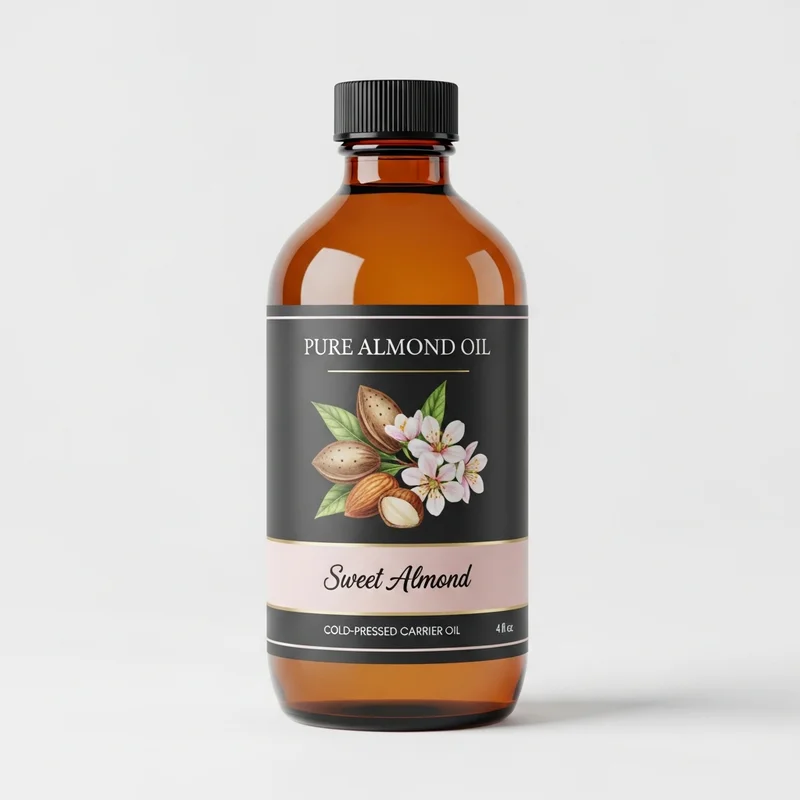
Sweet Almond Oil
Sweet Almond Oil from our own shop, in sizes from 0.5 oz to bulk.
From $8.99
Shop Now →