Almond Oil for Dry Skin: A Seasonal Rescue Plan for Lasting Hydration
When your skin feels tight, flaky, and desperately thirsty, sweet almond oil emerges as one of nature's most beloved moisturizing allies. This golden-hued oil has been cherished for centuries as a gentle, nourishing approach that may help support your skin's natural barrier function. Whether you're dealing with seasonal dryness, sensitive skin concerns, or looking for a natural addition to your skincare routine, almond oil offers a wealth of potential benefits worth exploring.
🌟 Key Takeaways
- Natural Moisture Support: Sweet almond oil may help support your skin's natural moisture barrier with its rich fatty acid profile
- Year-Round Benefits: Adaptable oil that works across all seasons, with specific applications for winter dryness and summer protection
- Gentle for Sensitive Skin: Generally well-tolerated by most skin types, though patch testing is always recommended
- Versatile Applications: Can be used alone or blended into DIY formulations for customized skincare
- Research-Backed Properties: Studies suggest almond oil contains compounds that may support skin health and comfort
Table of Contents
- Understanding Dry Skin: The Science Behind Moisture Loss
- Sweet Almond Oil's Skin-Loving Composition
- Seasonal Application Strategies
- Professional Application Techniques
- DIY Formulations for Enhanced Hydration
- Skin Type Considerations and Safety
- Integrating Almond Oil into Your Daily Routine
- Troubleshooting Common Concerns
Understanding Dry Skin: The Science Behind Moisture Loss
Before diving into how almond oil may support dry skin, it's helpful to understand what causes skin dryness in the first place. Your skin's outermost layer, the stratum corneum, acts like a protective brick wall with skin cells as the "bricks" and lipids (fats) as the "mortar." When this barrier becomes compromised, moisture escapes more easily, leading to the tight, uncomfortable feeling we associate with dry skin.
Common Causes of Dry Skin
- Environmental factors: Low humidity, harsh weather, and indoor heating
- Over-cleansing: Frequent washing with harsh soaps can strip natural oils
- Age-related changes: Natural oil production tends to decrease with age
- Genetic predisposition: Some people naturally produce less sebum
- Lifestyle factors: Diet, stress, and sleep patterns may influence skin hydration
Signs Your Skin Needs Extra Moisture Support
Recognizing when your skin is calling for help is the first step in addressing dryness effectively:
- Tightness or discomfort, especially after cleansing
- Visible flaking or rough texture
- Fine lines that appear more pronounced
- Itchiness or mild irritation
- Dull or lackluster appearance
Sweet Almond Oil's Skin-Loving Composition
Sweet almond oil's potential benefits for dry skin stem from its unique composition of fatty acids, vitamins, and naturally occurring compounds. Research suggests that these components may work together to support skin health and comfort.
Fatty Acid Profile
The fatty acid composition of sweet almond oil is what makes it particularly interesting for skincare applications:
| Fatty Acid | Percentage Range | Potential Skin Benefits |
|---|---|---|
| Oleic Acid | 65-75% | May support skin barrier function |
| Linoleic Acid | 20-25% | Essential fatty acid that may help maintain skin health |
| Palmitic Acid | 5-8% | May contribute to skin's natural protective layer |
| Stearic Acid | 2-4% | May help with moisture retention |
Vitamin and Mineral Content
Beyond fatty acids, sweet almond oil naturally contains compounds that may contribute to its skin-supporting properties:
- Vitamin E: A natural antioxidant that may help protect skin from environmental stressors
- Vitamin A: May support healthy skin cell turnover
- Magnesium: Mineral that may play a role in skin comfort
- Zinc: May support skin's natural soothing processes
What Research Suggests
Several studies have examined almond oil's potential benefits for skin health. Some research suggests that topical application of sweet almond oil may help support the skin's barrier function and may be associated with improved skin comfort. However, it's important to note that individual results may vary, and these findings don't constitute medical claims.
"While research on almond oil shows promising results for skin hydration and comfort, individual experiences may vary. Always patch test new products and consult with a skincare professional if you have specific concerns."
Seasonal Application Strategies
One of almond oil's greatest strengths is its versatility across seasons. Each time of year presents unique challenges for skin hydration, and almond oil can be adapted to meet these changing needs.
Winter: Combat Harsh Weather Conditions
Winter months can be particularly challenging for maintaining skin moisture. Cold outdoor air and dry indoor heating create a perfect storm for skin dehydration.
Winter Application Tips:
- Layer under moisturizer: Apply a few drops of almond oil to slightly damp skin, then follow with your regular moisturizer for enhanced hydration
- Overnight treatments: Use almond oil as part of your evening routine for intensive overnight moisture support
- Focus on problem areas: Pay extra attention to commonly dry areas like elbows, knees, and heels
- Pre-shower prep: Apply oil before showering to help protect skin from hot water's drying effects
For comprehensive winter skincare strategies, explore our detailed guide on almond oil winter skincare.
Spring: Transition and Renewal
Spring brings changing humidity levels and the opportunity to reassess your skincare routine after winter's harsh conditions.
Spring Strategies:
- Gradual adjustment: Slowly reduce the amount of oil used as humidity levels increase
- Targeted application: Focus on areas that still show signs of winter dryness
- Mix with lighter products: Blend with gel-based moisturizers for a lighter feel
- Exfoliation support: Use after gentle exfoliation to help replenish moisture
Summer: Lightweight Protection
While summer's higher humidity can help with natural moisture retention, air conditioning and sun exposure can still lead to dehydration.
Summer Application Methods:
- Use sparingly: A little goes a long way in humid conditions
- Post-sun care: May help soothe skin after sun exposure (though not a sunscreen substitute)
- Air conditioning protection: Apply to areas exposed to dry, conditioned air
- Mix with aloe: Combine with aloe vera gel for a cooling, hydrating blend
Fall: Preparation and Prevention
Fall is the perfect time to start preparing your skin for the drier months ahead.
Fall Preparation Tips:
- Gradual increase: Slowly increase application frequency as humidity drops
- Barrier building: Focus on strengthening skin's natural protective barrier
- Problem area prevention: Start supporting commonly dry areas before they become problematic
- Routine establishment: Develop consistent application habits before winter arrives
Professional Application Techniques
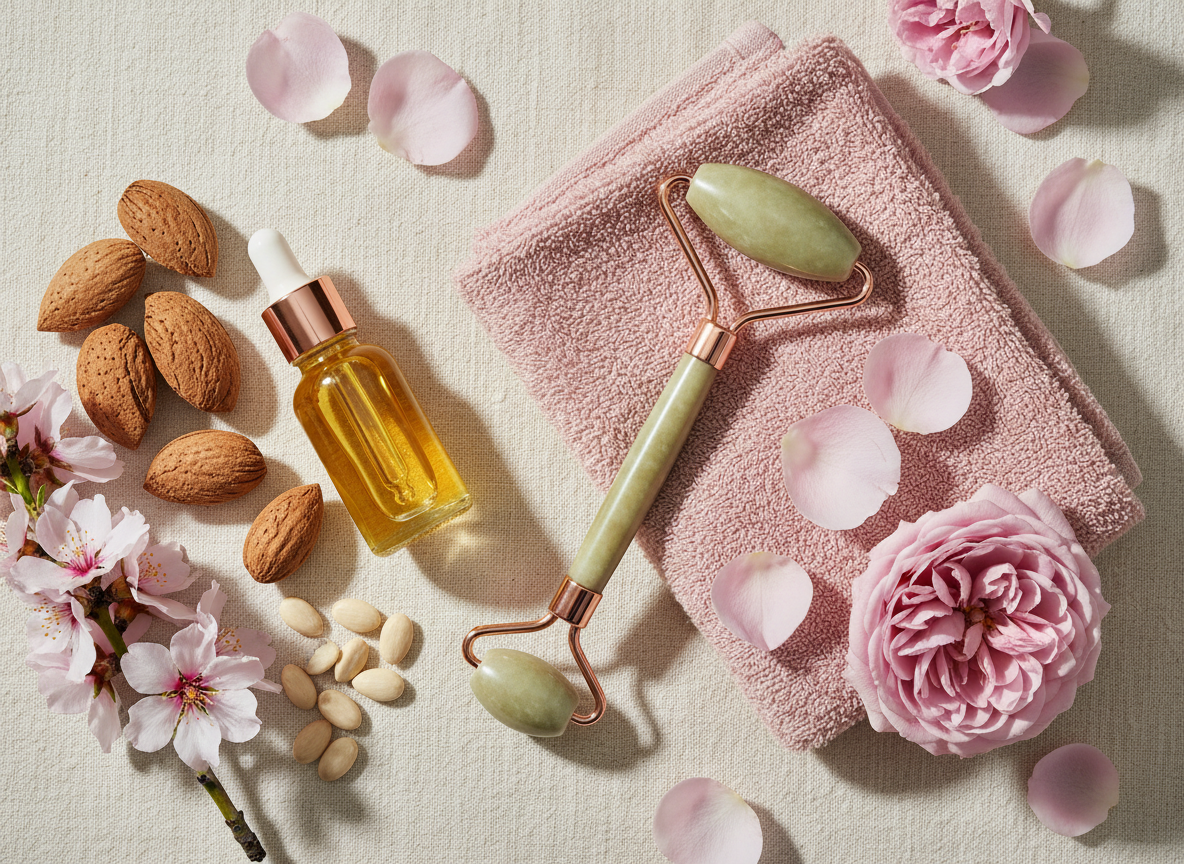
How you apply almond oil can significantly impact its effectiveness. These professional techniques can help you maximize the potential benefits while ensuring comfortable, non-greasy application.
The Foundation Method: Preparing Your Skin
Proper skin preparation is crucial for optimal oil absorption and effectiveness.
Step-by-Step Preparation:
- Cleanse gently: Use a mild, non-stripping cleanser to remove impurities without over-drying
- Pat, don't rub: Gently pat skin dry with a soft towel, leaving it slightly damp
- Check temperature: Ensure the oil is at room temperature for comfortable application
- Warm in hands: Rub a few drops between your palms to warm the oil slightly
Application Techniques by Body Area
Facial Application
When using almond oil for dry facial skin, gentle technique is key:
- Amount: Use 2-3 drops for the entire face
- Method: Gently press oil into skin using upward motions
- Timing: Apply to slightly damp skin for better absorption
- Focus areas: Pay extra attention to cheeks, around the nose, and any particularly dry patches
For detailed facial application guidance, see our comprehensive almond oil for face guide.
Body Application
Body application allows for more generous use and different techniques:
- Sectional approach: Work on one area at a time for thorough coverage
- Long strokes: Use long, smooth motions following the direction of hair growth
- Circular motions: Use gentle circular motions on rough areas like knees and elbows
- Absorption time: Allow 5-10 minutes for absorption before dressing
Learn more about body-specific techniques in our almond oil for body guide.
Advanced Application Methods
The Layering Technique
This method combines almond oil with other products for enhanced benefits:
- Apply almond oil to damp skin as a base layer
- Allow partial absorption (2-3 minutes)
- Follow with your regular moisturizer
- For extra dry areas, add a third layer of heavier cream or ointment
The Massage Method
Incorporating massage techniques may help improve circulation and absorption:
- Gentle pressure: Use light to moderate pressure to avoid irritation
- Circular motions: Small circles help work oil into the skin
- Duration: Spend 2-3 minutes on each area
- Consistency: Regular massage may provide cumulative benefits
Timing and Frequency Guidelines
Optimal Application Times:
- After bathing: Within 3 minutes of showering or bathing for best absorption
- Evening routine: Allow overnight absorption for intensive moisture support
- Pre-activity: Apply before exposure to drying conditions
- As needed: Touch up throughout the day on particularly dry areas
Frequency Recommendations:
- Daily use: Generally safe for most people when properly diluted
- Twice daily: Morning and evening for very dry skin
- As needed: Adjust based on skin's response and seasonal changes
- Start slowly: Begin with every other day and increase gradually
DIY Formulations for Enhanced Hydration
While pure almond oil can be wonderfully effective on its own, creating custom blends allows you to tailor treatments to your specific needs and preferences. These DIY formulations combine almond oil with complementary ingredients for enhanced moisture support.
Basic Hydrating Blends
Simple Two-Oil Blend
Ingredients:
- 2 tablespoons sweet almond oil
- 1 tablespoon jojoba oil
Instructions:
- Combine oils in a clean glass bottle
- Shake gently to mix
- Apply 3-4 drops to clean, slightly damp skin
- Store in a cool, dark place for up to 6 months
Benefits: This combination may provide lightweight hydration suitable for daily use.
Rich Winter Rescue Blend
Ingredients:
- 2 tablespoons sweet almond oil
- 1 tablespoon avocado oil
- 1 teaspoon rosehip seed oil
Instructions:
- Mix all oils in a dark glass container
- Shake well before each use
- Apply to very dry areas before bedtime
- Use within 3 months for best quality
Benefits: A richer blend that may provide intensive moisture support for severely dry skin.
Enhanced Formulations
Vitamin E Boost Serum
Ingredients:
- 3 tablespoons sweet almond oil
- 1 vitamin E capsule (pierce and squeeze out contents)
- Optional: 2-3 drops lavender essential oil
Instructions:
- Combine almond oil and vitamin E in a small bottle
- Add essential oil if using (optional)
- Shake thoroughly
- Apply 2-3 drops to face or problem areas
Safety Note: Patch test before first use. If using essential oils, ensure they're properly diluted.
Soothing Chamomile Infusion
Ingredients:
- 1/2 cup sweet almond oil
- 2 tablespoons dried chamomile flowers
Instructions:
- Gently warm almond oil in a double boiler (don't overheat)
- Add chamomile flowers and steep for 2 hours
- Strain through fine mesh or cheesecloth
- Store in a dark glass container
- Use within 2 months
Benefits: May provide gentle, soothing properties for sensitive or irritated skin.
Luxurious Approach Formulations
Overnight Repair Complex
Ingredients:
- 2 tablespoons sweet almond oil
- 1 tablespoon coconut oil (melted)
- 1 teaspoon honey
- Contents of 1 vitamin E capsule
Instructions:
- Warm coconut oil until just melted
- Whisk in honey until smooth
- Add almond oil and vitamin E
- Mix thoroughly and allow to cool
- Apply to extremely dry areas before bed
Usage: This richer formulation is best reserved for very dry skin or problem areas.
Exfoliating Sugar Scrub
Ingredients:
- 1/4 cup sweet almond oil
- 1/2 cup fine sugar
- 1 tablespoon honey
- Optional: 1 teaspoon vanilla extract
Instructions:
- Mix sugar and honey in a bowl
- Slowly add almond oil while stirring
- Add vanilla if desired
- Use immediately or store for up to 2 weeks
- Gently massage onto damp skin, then rinse
Benefits: Combines gentle exfoliation with moisturizing properties.
For more intensive moisture treatments, check out our DIY almond oil body butter recipe.
Safety Considerations for DIY Formulations
⚠️ Important Safety Guidelines
- Patch test: Always test new formulations on a small skin area first
- Clean equipment: Use sterilized containers and utensils
- Storage: Keep formulations in cool, dark places
- Shelf life: Use within recommended timeframes
- Allergies: Be aware of potential allergens in all ingredients
- Essential oils: Use proper dilution ratios (typically 1-2% for topical use)
- Quality ingredients: Use high-quality, fresh ingredients
Skin Type Considerations and Safety
While sweet almond oil is generally well-tolerated by most people, understanding how it interacts with different skin types can help you use it more effectively and safely.
Almond Oil for Different Skin Types
Dry Skin
Almond oil is particularly well-suited for dry skin types:
- Natural affinity: The fatty acid profile may complement dry skin's needs
- Gentle nature: Less likely to cause irritation than heavier oils
- Absorption rate: Absorbs well without leaving excessive residue
- Versatility: Can be used alone or in combination with other moisturizers
Sensitive Skin
For sensitive skin, almond oil may offer several advantages:
- Mild nature: Generally less irritating than synthetic ingredients
- No fragrance: Pure almond oil is naturally fragrance-free
- Soothing properties: May help calm irritated skin
- Hypoallergenic potential: Lower risk of allergic reactions for most people
Important note: People with tree nut allergies should exercise caution and consult a healthcare provider before use.
Mature Skin
Mature skin may particularly benefit from almond oil's properties:
- Antioxidant content: Vitamin E may help protect against environmental damage
- Moisture support: May help address age-related dryness
- Gentle formula: Won't over-stimulate delicate mature skin
- Non-comedogenic: Unlikely to clog pores
Combination Skin
For combination skin, strategic application is key:
- Targeted use: Apply primarily to dry areas
- Light application: Use sparingly in T-zone
- Seasonal adjustment: Modify usage based on seasonal skin changes
- Monitor response: Adjust frequency based on skin's reaction
Special Considerations for Eczema-Prone Skin
Many people with eczema-prone skin report positive experiences with almond oil, though individual responses vary significantly. Some research suggests that certain components in almond oil may support skin barrier function, which is often compromised in eczema-prone skin.
Potential Benefits for Eczema-Prone Skin:
- Barrier support: May help strengthen the skin's natural protective barrier
- Gentle moisturizing: Provides hydration without harsh chemicals
- Soothing properties: May help reduce the sensation of dryness and tightness
- Non-irritating: Generally well-tolerated by sensitive skin
Important Considerations:
- Patch testing: Essential before widespread use
- Medical consultation: Always discuss with a healthcare provider
- Not a approach: Should complement, not replace, medical care
- Individual variation: Results may vary significantly between individuals
💡 Pro Tip for Eczema-Prone Skin
If you have eczema or very sensitive skin, consider starting with a pre-made, dermatologist-tested almond oil product rather than pure oil. These formulations are often specifically designed for sensitive skin conditions and may include additional supportive ingredients.
Age-Specific Guidelines
Adults
Most adults can safely use almond oil with proper precautions:
- Standard dilution: Can often use pure almond oil directly
- Frequency: Daily use is typically well-tolerated
- Areas: Suitable for face and body application
- Monitoring: Watch for any changes in skin response
Children and Infants
Extra caution is needed for younger skin:
- Pediatric consultation: Always consult a pediatrician first
- Patch testing: Especially important for children
- Gentle application: Use minimal amounts
- Supervision: Monitor closely for any adverse reactions
Allergy and Safety Information
Tree Nut Allergy Considerations
This is perhaps the most important safety consideration:
- Topical vs. ingestion: Some people with oral almond allergies may still tolerate topical use, but this varies
- Cross-reactions: May react with other tree nut allergies
- Professional guidance: Essential to consult with an allergist
- Alternative options: Consider other oils if there's any doubt
General Safety Precautions
- Quality sourcing: Use high-quality, pure almond oil
- Storage: Keep in cool, dark places to prevent rancidity
- Expiration dates: Check and respect shelf life
- Clean application: Use clean hands and tools
- Gradual introduction: Start with small amounts and areas
Integrating Almond Oil into Your Daily Routine
Successfully incorporating almond oil into your skincare routine requires thoughtful planning and realistic expectations. The key is finding an approach that fits seamlessly into your existing habits while providing the moisture support your skin needs.
Morning Routine Integration
Quick Morning Applications
For busy mornings, efficiency is key:
- Pre-shower prep: Apply oil to dry areas before showering to protect from hot water
- Post-shower seal: Quick application to damp skin for fast absorption
- Targeted touch-ups: Focus on problem areas like elbows and knees
- Under-moisturizer base: Use as a hydrating primer under regular moisturizer
Extended Morning Care
When you have more time for self-care:
- Full-body massage: Take 5-10 minutes for gentle, circular application
- Face and neck approach: Careful application with upward motions
- Hand and cuticle care: Massage into hands and nail beds
- Meditation moment: Use application time for mindful self-care
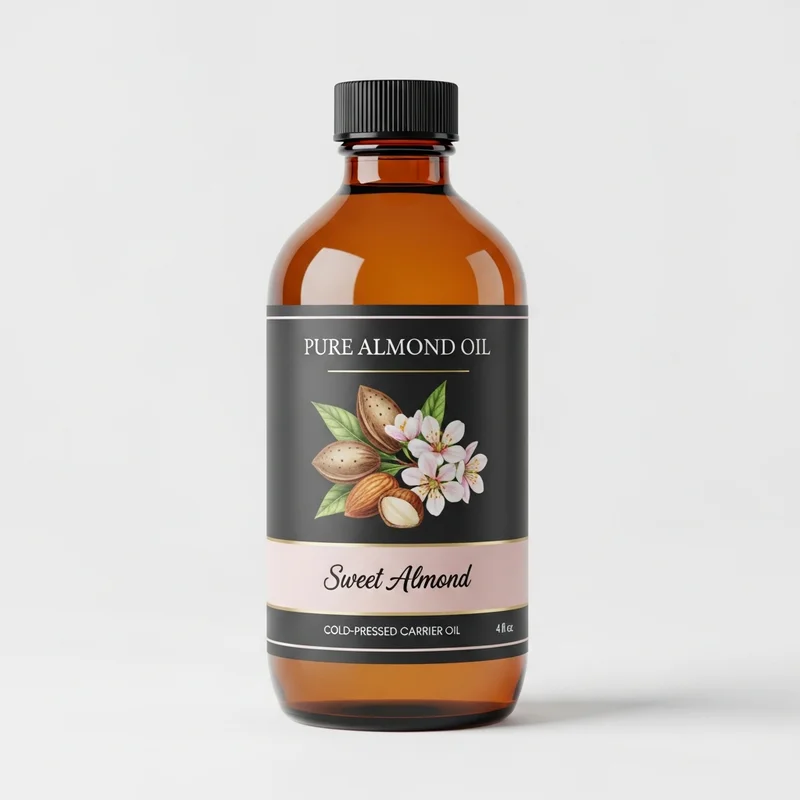
Sweet Almond Oil
Sweet Almond Oil from our own shop, in sizes from 0.5 oz to bulk.
From $8.99
Shop Now →