The Complete Guide to Sweet Almond Oil: Benefits, Uses, and Everything You Need to Know
Key Takeaways
- Sweet almond oil is a gentle, nutrient-rich carrier oil derived from sweet almonds (Prunus amygdalus dulcis)
- Rich in vitamin E, healthy fats, and minerals that may support skin and hair wellness
- Versatile uses include skincare, haircare, massage, and aromatherapy applications
- Cold-pressed varieties retain the highest nutritional value and quality
- Generally well-tolerated, but patch testing is recommended for sensitive skin
- Quality varies significantly between brands - look for organic, pure, cold-pressed options
Table of Contents
- What is Sweet Almond Oil?
- Nutritional Composition and Active Compounds
- Potential Benefits of Sweet Almond Oil
- Uses and Applications
- How to Use Sweet Almond Oil Safely
- Buying Guide: Choosing Quality Sweet Almond Oil
- DIY Recipes and Blends
- Safety Considerations and Precautions
What is Sweet Almond Oil?
Sweet almond oil is a gentle, light-colored carrier oil extracted from the kernels of sweet almonds (Prunus amygdalus dulcis). Unlike bitter almond oil, which contains potentially harmful compounds and is primarily used in flavoring, sweet almond oil is safe for topical and culinary applications.
This versatile oil has been treasured for centuries, with historical records showing its use in ancient Egyptian, Greek, and Roman beauty practices. Today, sweet almond oil remains one of the most popular carrier oils in natural skincare and wellness routines.
Sweet vs. Bitter Almond Oil: Understanding the Difference
It's crucial to understand the distinction between sweet and bitter almond oils:
- Sweet Almond Oil: Derived from edible almonds, safe for topical use, mild and pleasant aroma
- Bitter Almond Oil: Contains benzaldehyde and hydrogen cyanide compounds, primarily used in food flavoring after processing, not recommended for direct skin application
When shopping for almond oil for beauty and wellness purposes, always ensure you're purchasing sweet almond oil specifically.
Extraction Methods
Sweet almond oil can be extracted through several methods, each affecting the final product's quality and nutritional profile:
- Cold-Pressed: The gold standard method that preserves maximum nutrients and natural compounds
- Expeller-Pressed: Uses mechanical pressure with some heat generation, still retains good quality
- Solvent Extraction: Uses chemical solvents, typically results in lower-quality oil with fewer beneficial compounds
For the highest quality and maximum benefits, cold-pressed almond oil is the preferred choice among natural beauty enthusiasts.
Nutritional Composition and Active Compounds
Understanding what makes sweet almond oil so beneficial requires a closer look at its rich nutritional profile. This natural oil contains a impressive array of compounds that may support skin and hair wellness.
| Component | Percentage/Amount | Potential Benefits |
|---|---|---|
| Oleic Acid (Omega-9) | 60-70% | May help with moisture retention |
| Linoleic Acid (Omega-6) | 20-30% | May support skin barrier function |
| Palmitic Acid | 6-8% | Provides emollient properties |
| Vitamin E | 25-35 mg/100g | Natural antioxidant properties |
| Vitamin K | 7 mcg/100g | May support skin health |
| Magnesium | 270 mg/100g | Mineral support for skin function |
Essential Fatty Acids: The Foundation of Benefits
The high concentration of essential fatty acids in sweet almond oil is what makes it particularly valuable for beauty applications. These compounds are naturally present in healthy skin and hair, and topical application may help support their natural functions.
Oleic Acid is the predominant fatty acid, known for its excellent penetration properties and ability to carry other beneficial compounds deeper into the skin layers.
Linoleic Acid is particularly interesting because research suggests many people with skin concerns may have lower levels of this essential fatty acid. Some studies indicate that topical application of linoleic acid-rich oils may help support the skin's natural barrier function.
Vitamin E: Nature's Protector
Sweet almond oil naturally contains significant amounts of vitamin E, particularly alpha-tocopherol. This fat-soluble vitamin acts as a natural antioxidant, which may help protect the oil itself from rancidity and potentially provide similar protective benefits when applied topically.
For a deeper dive into the nutritional aspects, explore our comprehensive guide on almond oil nutrition.
Potential Benefits of Sweet Almond Oil
Sweet almond oil's impressive nutritional profile translates into numerous potential benefits for skin, hair, and overall wellness. While individual results may vary, many people report positive experiences with regular use.
Skin Benefits
The potential almond oil benefits for skin are extensive and well-documented through both traditional use and modern research observations:
Moisturizing Properties
Sweet almond oil's molecular structure allows it to penetrate the skin effectively while providing long-lasting moisture. The high oleic acid content may help improve skin hydration by supporting the skin's natural moisture barrier.
Gentle Nature
Unlike some botanical oils that can be irritating, sweet almond oil is generally well-tolerated by most skin types, including sensitive skin. Its hypoallergenic properties make it a popular choice for baby care products and sensitive skincare formulations.
Anti-Aging Support
The antioxidant properties of vitamin E, combined with essential fatty acids, may help support the skin's natural renewal processes. Some research suggests that regular use of vitamin E-rich oils may help maintain skin elasticity and appearance.
Makeup Removal
Sweet almond oil's gentle yet effective cleansing properties make it an excellent natural makeup remover, particularly for waterproof formulas. It dissolves makeup without harsh rubbing while simultaneously nourishing the delicate eye area.
Hair Benefits
The benefits extend beyond skincare to comprehensive almond oil uses for hair health:
Scalp Nourishment
When massaged into the scalp, sweet almond oil may help support scalp health by providing essential nutrients directly to hair follicles. The magnesium content may be particularly beneficial for maintaining a healthy scalp environment.
Hair Texture and Shine
The lightweight nature of sweet almond oil allows it to coat hair strands without heaviness, potentially improving manageability and natural shine. Many users report smoother, more lustrous hair with regular use.
Frizz Control
Sweet almond oil's emollient properties may help smooth the hair cuticle, potentially reducing frizz and improving overall hair texture, particularly in humid conditions.
General Wellness Applications
Massage Therapy
The oil's smooth texture and neutral scent make it an excellent carrier oil for massage applications. It provides good slip for massage techniques while potentially nourishing the skin during treatment.
Aromatherapy Carrier
Sweet almond oil serves as an ideal carrier for essential oils in aromatherapy applications, helping to dilute potent essential oils while adding its own nourishing properties.
Nail and Cuticle Care
The moisturizing and nourishing properties of sweet almond oil may help support healthy nail growth and cuticle condition when applied regularly.
Uses and Applications
Sweet almond oil's versatility makes it suitable for numerous applications across beauty, wellness, and daily care routines. Here's a comprehensive guide to the most effective uses:
Skincare Applications
Daily Moisturizer
Apply 3-5 drops to clean, slightly damp skin for optimal absorption. The oil works particularly well when applied to damp skin, as it helps lock in moisture. Best used on face and body after showering or cleansing.
Night Treatment
Use as an intensive overnight treatment by applying a slightly thicker layer to clean skin. The oil works while you sleep to support skin's natural repair processes.
Eye Area Care
Gently pat 1-2 drops around the eye area using your ring finger. The gentle nature of sweet almond oil makes it suitable for the delicate eye area, where it may help maintain moisture and suppleness.
Body Oil
After bathing, apply sweet almond oil to damp skin for full-body moisturizing. Pay special attention to areas prone to dryness like elbows, knees, and heels.
Haircare Applications
Pre-Shampoo Treatment
Apply sweet almond oil to dry hair 30 minutes before shampooing. Focus on mid-lengths and ends, avoiding the roots if you have fine hair. This treatment may help protect hair from the drying effects of shampooing.
Scalp Massage
Warm 1-2 tablespoons of oil slightly and massage into the scalp using circular motions. Leave for 20-30 minutes before shampooing. This may help support scalp health and circulation.
Leave-In Treatment
Apply 2-3 drops to damp hair ends as a leave-in treatment. This can help improve manageability and add natural shine without weighing hair down.
Hot Oil Treatment
Warm sweet almond oil gently and apply throughout hair. Cover with a shower cap and leave for 30-60 minutes before shampooing. This intensive treatment may help improve hair texture and moisture levels.
Specialized Uses
Massage Oil
Sweet almond oil's perfect consistency makes it ideal for massage applications. It provides excellent glide without being too heavy or sticky.
Carrier Oil for Essential Oils
Dilute essential oils in sweet almond oil for safe topical application. (See: NIH — Sweet Almond Oil Research.) General dilution ratios:
- Adults: 1-2% (6-12 drops per ounce of carrier oil)
- Children: 0.5% (3 drops per ounce of carrier oil)
- Facial use: 0.5-1% (3-6 drops per ounce of carrier oil)
Cuticle Oil
Apply a small drop to each cuticle and massage gently. Regular use may help maintain healthy, flexible cuticles.
Stretch Mark Prevention
While no oil can guarantee stretch mark prevention, many people use sweet almond oil during pregnancy to maintain skin elasticity. Always consult with healthcare providers during pregnancy.
How to Use Sweet Almond Oil Safely
While sweet almond oil is generally well-tolerated, proper usage techniques can maximize benefits while minimizing any potential issues.
Patch Testing
Always perform a patch test before first use, especially if you have sensitive skin or known allergies:
- Apply a small amount of oil to your inner forearm
- Cover with a bandage and wait 24-48 hours
- Check for any signs of redness, itching, or irritation
- If no reaction occurs, the oil should be safe for broader use
Application Best Practices
For Face
- Start with clean hands and face
- Use only 2-3 drops for entire face
- Warm oil between palms before applying
- Press gently into skin rather than rubbing vigorously
- Allow 10-15 minutes for full absorption before applying other products
For Hair
- Section hair for even distribution
- Apply to damp hair for better penetration
- Focus on mid-lengths and ends rather than roots (unless treating scalp specifically)
- Use sparingly - start with less and add more if needed
For Body
- Apply to slightly damp skin for better absorption
- Use upward strokes when applying to legs
- Pay extra attention to dry areas like elbows and knees
- Allow time for absorption before dressing
Storage and Shelf Life
Proper storage is crucial for maintaining sweet almond oil's quality and preventing rancidity:
- Temperature: Store in a cool, dark place (60-70°F ideal)
- Light: Keep away from direct sunlight and fluorescent lighting
- Air: Ensure cap is tightly sealed after each use
- Container: Dark glass bottles provide best protection
- Shelf Life: High-quality cold-pressed oil typically lasts 12-24 months when stored properly
Signs of Rancidity
Always check your oil before use. Signs that sweet almond oil has gone rancid include:
- Strong, unpleasant odor (fresh oil should smell mild and nutty)
- Thick, sticky consistency
- Dark or cloudy appearance
- Bitter or metallic taste (if used for culinary purposes)
Buying Guide: Choosing Quality Sweet Almond Oil
Not all sweet almond oils are created equal. Quality can vary dramatically between brands, affecting both efficacy and value. Here's what to look for when shopping:
Key Quality Indicators
Processing Method
Always choose cold-pressed or expeller-pressed oils over solvent-extracted versions. Cold-pressed oils retain the highest levels of beneficial compounds and have the longest shelf life.
Organic Certification
Organic certification ensures the almonds were grown without synthetic pesticides, herbicides, or fertilizers. This can be particularly important since oils can concentrate certain compounds from the source material.
Packaging
- Dark glass bottles: Protect oil from light degradation
- Proper sizing: Buy quantities you'll use within 12-18 months
- Secure caps: Prevent oxidation and contamination
- Clear labeling: Should specify "sweet almond oil" and extraction method
Country of Origin
While quality almonds are grown in many regions, some areas are particularly renowned:
- California: Largest producer, strict quality standards
- Mediterranean regions: Traditional growing areas with ideal climate
- Australia: Growing reputation for high-quality organic almonds
What to Avoid
Red Flags
- Extremely low prices (may indicate poor quality or adulteration)
- Plastic packaging for long-term storage
- Vague labeling (just "almond oil" without specifying sweet vs. bitter)
- Added fragrances or chemicals
- Brands with no ingredient transparency
Marketing Claims to Question
- "Miracle oil" or exaggerated benefit claims
- "Instant results" promises
- Medical or drug-like claims
- "Pure" without third-party verification
Price Guidelines
While price shouldn't be the only factor, understanding typical pricing can help identify both overpriced products and suspiciously cheap ones:
| Size | Budget Range | Premium Range | What You Get |
|---|---|---|---|
| 4 oz (118ml) | $8-15 | $16-25 | Good for testing/travel |
| 8 oz (236ml) | $12-22 | $25-40 | Most popular size |
| 16 oz (473ml) | $20-35 | $40-65 | Best value for regular users |
Testing Oil Quality
Once you receive your sweet almond oil, perform these simple quality checks:
Visual Inspection
- Color should be pale golden to clear
- Consistency should be smooth and flowing
- No particles or cloudiness (unless recently refrigerated)
Smell Test
- Fresh oil should have a mild, slightly nutty aroma
- No strong, unpleasant, or chemical odors
- Rancid oil will smell sharp or metallic
Touch Test
- Should feel smooth and non-sticky
- Absorbs reasonably well into skin
- Doesn't leave an overly greasy residue
DIY Recipes and Blends
Sweet almond oil's versatility makes it perfect for creating custom beauty and wellness blends. Here are some tried-and-tested recipes for various applications:
Skincare Recipes
Nourishing Facial Oil Blend
Perfect for dry or mature skin
- 2 oz sweet almond oil
- 1 tsp jojoba oil
- 1 tsp rosehip seed oil
- 3 drops lavender essential oil
- 2 drops frankincense essential oil
Instructions: Combine all oils in a dark glass bottle. Shake well before each use. Apply 3-4 drops to clean face in the evening.
Safety Note: Always dilute essential oils properly. Perform patch testing before first use.
Gentle Eye Makeup Remover
Effective yet gentle for sensitive eye area
- 1 oz sweet almond oil
- 1 oz fractionated coconut oil
- Optional: 1 drop chamomile essential oil
Instructions: Blend oils in a small bottle. Apply to cotton pad and gently press against closed eyes for 10 seconds before wiping away makeup.
Body Moisturizing Blend
Rich formula for very dry skin
- 3 oz sweet almond oil
- 1 oz avocado oil
- 1 tsp vitamin E oil
- 6 drops ylang-ylang essential oil
- 4 drops sandalwood essential oil
Instructions: Mix all ingredients in a pump bottle. Apply to damp skin after showering for maximum absorption.
Haircare Recipes
Deep Conditioning Hair Mask
Intensive treatment for damaged or dry hair
- 2 tbsp sweet almond oil
- 1 tbsp coconut oil
- 1 tbsp honey
- 1 egg yolk
- 2 drops rosemary essential oil
Instructions: Warm oils slightly, then whisk in honey and egg yolk. Add essential oil last. Apply to damp hair, focusing on ends. Cover with shower cap and leave for 30-45 minutes. Shampoo thoroughly.
Safety Note: Use within 24 hours due to fresh ingredients. Avoid if allergic to eggs.
Scalp Treatment Oil
May help support scalp health and circulation
- 2 oz sweet almond oil
- 1 tsp castor oil
- 4 drops peppermint essential oil
- 3 drops tea tree essential oil
Instructions: Combine all oils in a bottle with dropper cap. Massage into scalp 2-3 times weekly. Leave for 20-30 minutes before shampooing.
Safety Note: Peppermint oil can be stimulating. Start with fewer drops and increase gradually.
Wellness and Massage Blends
Relaxing Massage Oil
Perfect for evening relaxation
- 4 oz sweet almond oil
- 8 drops lavender essential oil
- 4 drops chamomile essential oil
- 2 drops bergamot essential oil
Instructions: Blend oils in a dark glass bottle. Warm slightly in hands before massage application.
Energizing Morning Blend
Uplifting aromatherapy massage oil
- 4 oz sweet almond oil
- 6 drops sweet orange essential oil
- 4 drops peppermint essential oil
- 2 drops eucalyptus essential oil
Instructions: Mix oils and store in a pump bottle. Use for morning massage or add to bath water.
Recipe Safety Guidelines
Essential Oil Dilution Rules:
- Adults: Maximum 2% dilution (12 drops per oz of carrier oil)
- Seniors/sensitive skin: 1% dilution (6 drops per oz)
- Pregnancy: Consult healthcare provider before use
- Children under 12: Avoid or use only under professional guidance
Storage Instructions:
- Store all blends in dark glass containers
- Label with ingredients and date
- Use within 6-12 months for best quality
- Keep in cool, dark locations
Patch Testing: Always test new blends on a small area of skin 24 hours before full use.
Safety Considerations and Precautions
While sweet almond oil is generally considered safe for most people, understanding potential risks and proper precautions ensures optimal results and prevents adverse reactions.
Allergy Considerations
Tree Nut Allergies
Sweet almond oil is derived from tree nuts, which makes it a potential concern for individuals with tree nut allergies. However, the refined nature of
Sweet Almond Oil
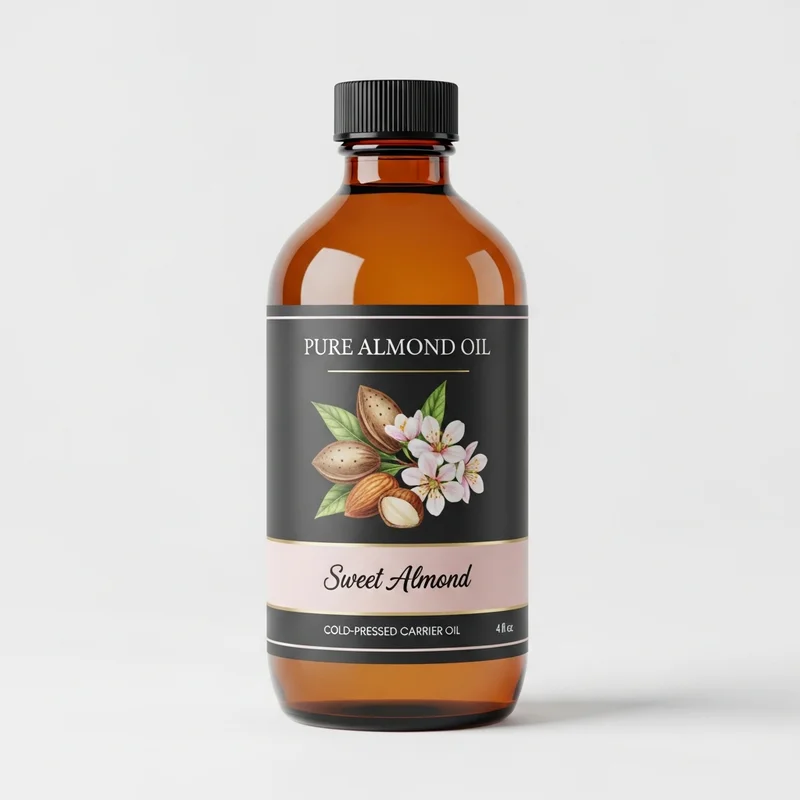
Sweet Almond Oil from our own shop, in sizes from 0.5 oz to bulk.
From $8.99
Shop Now →