Almond Oil for Tattoo Aftercare: A Moisturizing Guide for Fresh and Faded Ink
You just got new ink. The artist has wrapped you up, handed you a care sheet, and sent you on your way. Now comes the part nobody warned you about: keeping that tattoo moisturized without smothering it, irritating it, or loading it up with synthetic fragrances and mystery ingredients.
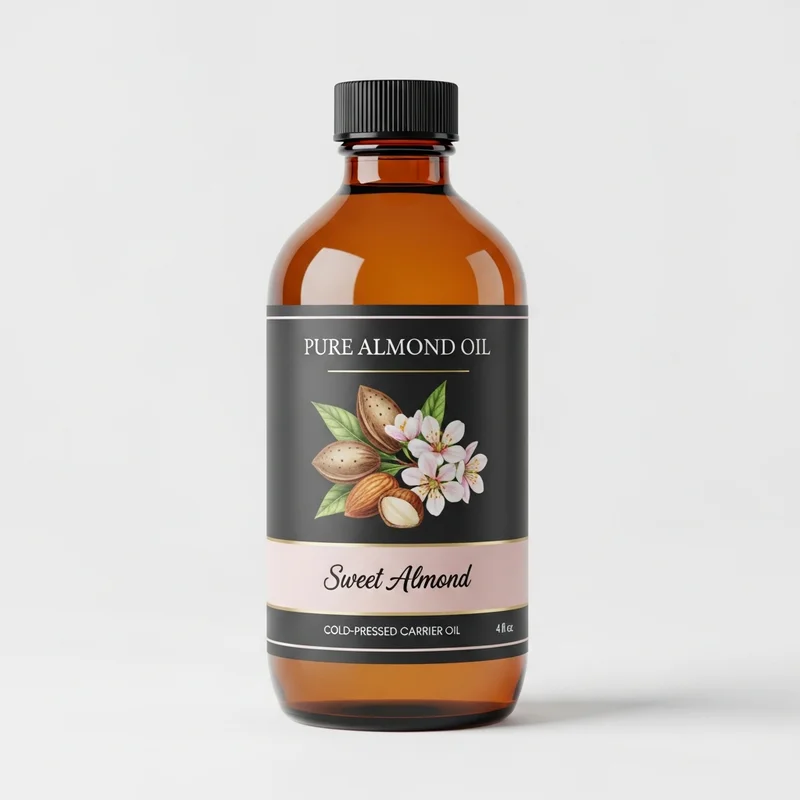
This is exactly where almond oil tattoo aftercare starts to make a lot of sense. Sweet almond oil is lightweight, fragrance-free in its pure form, and packed with naturally occurring nutrients that skin tends to absorb readily. Many tattoo enthusiasts have quietly made it a staple in their aftercare routine, and it is easy to see why.
This guide walks you through everything you need to know: what almond oil actually is, when to introduce it into your aftercare routine, how to apply it safely, and what to watch out for along the way.
What Is Sweet Almond Oil?
Sweet almond oil is a cold-pressed carrier oil derived from the dried kernels of the Prunus dulcis tree. It is not the same as bitter almond oil, which has a very different chemical profile and is not suitable for skin use. Sweet almond oil is the one you want for cosmetic purposes.
Its claim to fame in the beauty world comes down to its nutrient composition. It is naturally rich in:
- Oleic acid (omega-9): A fatty acid that may support the skin's ability to retain moisture and maintain softness.
- Linoleic acid (omega-6): Some research suggests this fatty acid plays a role in supporting the skin barrier.
- Vitamin E (tocopherol): A fat-soluble antioxidant that people have traditionally used to support skin appearance and suppleness.
- Vitamin A: Present in smaller amounts, and often cited in discussions about skin cell turnover and surface texture.
The texture is light enough to absorb without a greasy residue, which makes it practical for daily use. It sits somewhere between jojoba oil and coconut oil on the richness scale, leaning toward the lighter end.
Why People Use Almond Oil for New Tattoos
Fresh tattoos go through a staged process after the needle work is done. The skin has been repeatedly punctured, and it responds the way skin typically does: it needs to stay clean, stay protected from friction and sun, and stay moisturized without being over-saturated.
Moisture is the key word here. Dry skin over a new tattoo can cause cracking, flaking, and fading. Over-moisturizing can trap debris and slow the skin's natural surface renewal. The goal is a balanced, breathable layer of hydration.
Almond oil for new tattoos appeals to people because it delivers that moisture without a long list of additives. Many popular tattoo aftercare products contain preservatives, synthetic fragrances, or petroleum derivatives. For people who prefer a simpler routine, pure sweet almond oil offers a minimalist alternative.
People also report that almond oil feels soothing when applied to freshly tattooed skin, which can feel tight and uncomfortable in the days after a session. That said, individual skin responses vary, and what works beautifully for one person may not suit another.
When to Start Using Almond Oil in Your Aftercare Routine
Timing matters. Most tattoo artists recommend keeping the initial wrap or bandage on for a specific window of time, often ranging from a few hours to overnight depending on the type of wrap used. During that initial phase, almond oil is not part of the picture yet.
Here is a general timeline that many people follow. Always defer to your tattoo artist's specific instructions, since they know the work they did and the products they used:
- Day 1 (after removing initial wrap): Gently wash the tattoo with a mild, fragrance-free soap and lukewarm water. Pat dry with a clean paper towel. Apply the thinnest possible layer of your chosen moisturizer. Many artists recommend an unscented lotion or ointment at this stage. Almond oil can be used here, but go very light.
- Days 2 through 7: This is where almond oil for tattoo aftercare really shines. The skin begins to peel and flake. A few drops of almond oil applied two to three times daily can help keep the area supple without blocking airflow.
- Weeks 2 through 4: The surface layer of skin has largely renewed itself, but the deeper layers are still settling. Continued light application of almond oil may help support the vibrancy and evenness of the ink as the skin fully matures.
- Long-term maintenance: Once fully settled, regular moisturizing with almond oil can help keep tattooed skin looking its best over months and years. Well-hydrated skin tends to hold ink more vividly over time.
How to Apply Almond Oil to a Tattoo: Step by Step
Application technique makes a real difference, especially in the first week when the skin is most sensitive.
What You Will Need
- Pure sweet almond oil (cold-pressed, unrefined if possible)
- A mild, fragrance-free cleanser
- Clean hands or a cotton pad
- Clean paper towels for drying
Step-by-Step Application
- Wash your hands thoroughly. This is non-negotiable. Introducing bacteria to freshly tattooed skin is the last thing you want.
- Clean the tattoo gently. Use your mild cleanser, lukewarm water, and very light pressure. Do not scrub. Rinse well.
- Pat completely dry. Use a fresh paper towel and press gently. Do not rub. Any moisture left on the skin before applying oil can potentially trap it against the surface.
- Warm a few drops in your palms. Literally a few drops. Two to four drops for a medium-sized tattoo is usually plenty. Rub your palms together to warm the oil slightly.
- Apply with the lightest touch. Press your palms gently over the tattoo and let the oil transfer. Then use your fingertips to spread it evenly in small, circular motions. The skin should look lightly sheen, not wet or shiny.
- Let it absorb before covering. Give it five to ten minutes before putting on clothing over the area.
A note on "less is more": One of the most common aftercare mistakes is over-moisturizing. If the tattoo looks wet or the oil is visibly pooling, you have used too much. Blot the excess with a clean paper towel.
Patch Testing: Do Not Skip This Step
Almond oil is derived from tree nuts. People with nut sensitivities or known reactions to almonds should consult a qualified healthcare provider before applying almond oil to their skin, especially freshly tattooed skin where the barrier is compromised.
Even without a known nut sensitivity, it is good practice to patch test any new oil before applying it to a tattoo. To do a patch test:
- Apply a small amount of almond oil to the inside of your elbow or wrist.
- Wait 24 hours.
- If you notice redness, itching, swelling, or any unusual response, do not use the oil on your tattoo and speak with a healthcare provider.
This one extra step can save a lot of complications down the line.
Choosing the Right Almond Oil for Tattoo Aftercare
Not all almond oils are equal. Here is what to look for when selecting one for this purpose:
| Feature | What to Look For | Why It Matters |
|---|---|---|
| Extraction method | Cold-pressed | Preserves naturally occurring vitamins and fatty acids |
| Refinement level | Unrefined or minimally refined | Retains more of the original nutrient profile |
| Additives | None (100% pure) | Avoids introducing fragrances or preservatives to sensitive skin |
| Color | Pale golden to light yellow | Indicates minimal processing |
| Scent | Mild, faintly nutty | Pure almond oil has a very subtle natural scent; strong scents suggest additives |
| Packaging | Dark glass bottle | Protects the oil from light oxidation and extends shelf life |
Avoid products labeled as "almond oil blend" or those that list almond oil partway down a long ingredient list. For aftercare purposes, you want the real thing in concentrated form.
Almond Oil vs. Other Common Tattoo Aftercare Products
The aftercare aisle can feel overwhelming. Here is a quick comparison of almond oil against a few commonly used alternatives:
Almond Oil vs. Coconut Oil
Coconut oil is more occlusive, meaning it forms a stronger barrier on the skin's surface. Some people find it too heavy for new tattoos. Almond oil is lighter and absorbs more readily, which many find preferable during the peeling stage.
Almond Oil vs. Petroleum-Based Ointments
Products like petroleum jelly are very occlusive and are often recommended in the very first 24 hours. However, some tattoo artists caution against using heavy petroleum products beyond the initial stage, as they can pull ink from the surface. Almond oil is a breathable alternative for the days that follow.
Almond Oil vs. Dedicated Tattoo Lotions
Branded tattoo aftercare lotions are formulated specifically for this purpose and often go through testing for safety and stability. They can be a reliable choice. Almond oil appeals to people who prefer a single-ingredient option, though it lacks the preservative system that keeps a lotion shelf-stable for extended periods.
There is no single right answer. Your tattoo artist's recommendation, your skin type, and your personal preferences all factor in.
Keeping Tattooed Skin Looking Its Best Long Term
Once your tattoo has fully settled, which typically takes about four weeks on the surface layer and longer for the deeper skin to fully stabilize, a consistent moisturizing habit becomes your best friend for ink longevity.
A few habits worth building into your routine:
- Daily moisturizing: A light application of almond oil after a shower, when skin is clean and slightly damp, may help maintain suppleness and support the vibrancy of the ink over time.
- Sun protection: UV exposure is one of the primary causes of tattoo fading. Once fully settled, apply a broad-spectrum SPF over any tattooed area that will be exposed to sunlight. Almond oil is not a sunscreen and should not be used as one.
- Staying hydrated: Skin health starts from within. Well-hydrated skin tends to look and feel better overall, which reflects in how ink appears at the surface.
- Avoiding harsh soaps on tattooed areas: Strongly scented or exfoliating body washes can be drying. A gentle, fragrance-free cleanser used over tattooed skin may help preserve both the skin and the ink.
Important Reminders and Safety Notes
A few points worth keeping at the top of mind throughout the aftercare process:
- Always follow the specific aftercare instructions given by your tattoo artist. They know the work they did and any products used during the session.
- If the tattooed area shows unusual warmth, swelling, discharge, or other changes that concern you, contact a qualified healthcare provider promptly. These can be signs that something needs professional attention.
- Almond oil is not suitable for everyone. People with nut sensitivities should exercise caution and seek professional advice before use.
- Do not apply almond oil to a tattoo that has not yet been cleaned properly. Clean skin first, always.
- Keep the oil stored in a cool, dark place to prevent oxidation. Rancid oil is not something you want near new ink.
Aftercare is a process, not a single product purchase. Almond oil tattoo aftercare can be a wonderfully simple, natural part of that process when used thoughtfully and at the right stage. Give your skin the time it needs, keep it clean and moisturized, and your ink will thank you for it.