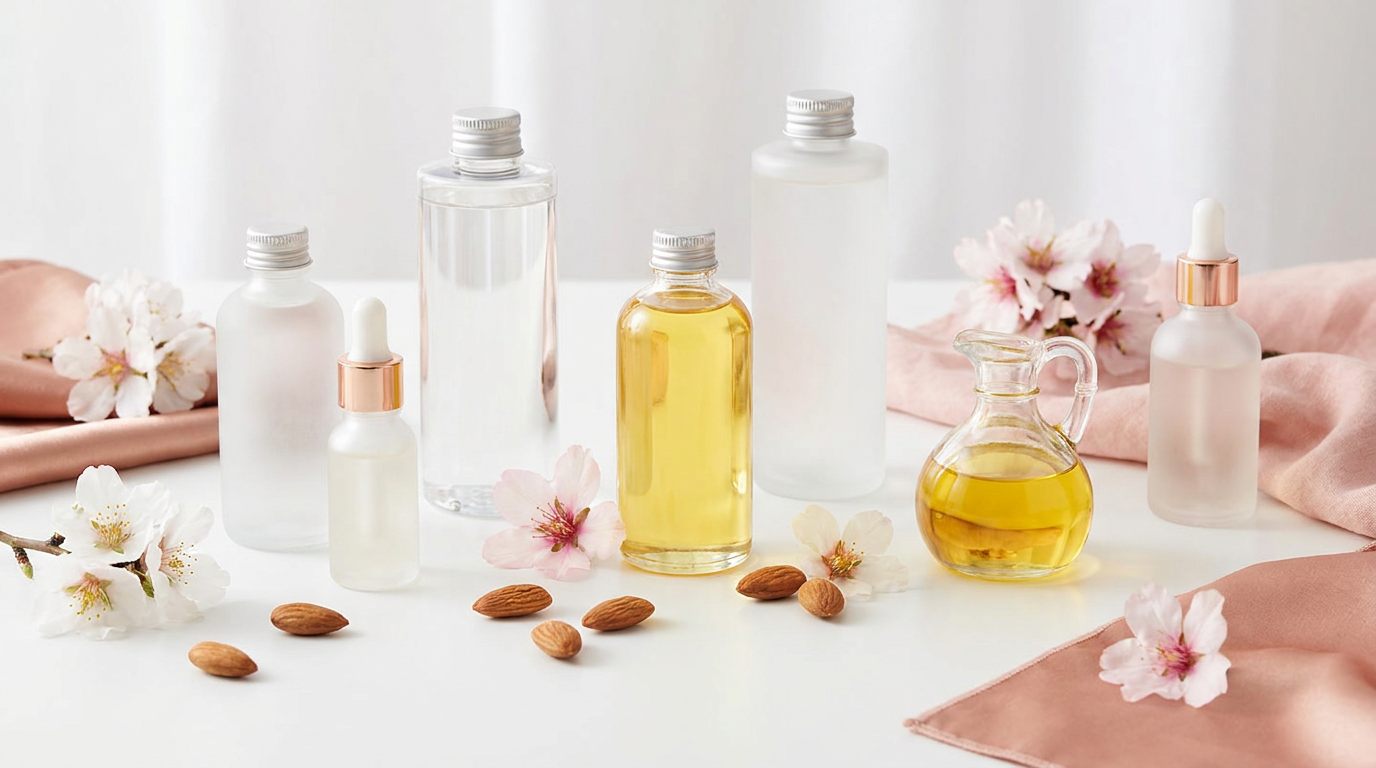
Almond Oil and Targeted Topical Body-Care Rituals: A Deep Dive
Sweet almond oil has earned a devoted following in the natural beauty and wellness world, and it is easy to understand why. Lightweight, deeply nourishing, and wonderfully versatile, it slots into almost any topical routine with minimal fuss. Lately, more people have been asking a specific question: can a natural oil like almond oil play a meaningful role in a gentle, intentional body-care practice for those managing sensitive, reactive skin alongside stiff, tender joints?
This article takes an honest, research-aware look at what sweet almond oil actually contains, how those components may support surface-level skin comfort, and how to build a safe, enjoyable topical ritual around it. As always, this is educational information only. Please consult a qualified healthcare provider before making any changes to your personal care or wellness plan.
What Makes Sweet Almond Oil Worth a Closer Look?
Sweet almond oil is cold-pressed from the kernels of Prunus dulcis. The result is a pale golden, mildly nutty oil that absorbs reasonably well into the skin without leaving a heavy, greasy film. That texture alone makes it a practical choice for full-body massage and targeted topical application.
From a compositional standpoint, sweet almond oil is notably rich in:
- Oleic acid (omega-9): A monounsaturated fatty acid that some research suggests may support skin-barrier softness and surface hydration.
- Linoleic acid (omega-6): A polyunsaturated fatty acid that is a natural component of the skin's lipid layer. Some researchers observe that topical linoleic acid may help maintain a balanced surface environment.
- Vitamin E (tocopherols): A fat-soluble antioxidant. People have long applied vitamin-E-rich oils topically as part of moisturizing routines, and some research suggests it may help support the appearance of calm, comfortable skin.
- Vitamin A precursors: Present in small amounts, these compounds are associated in the broader research literature with supporting surface skin cell turnover.
- Phytosterols: Plant-based compounds that some early research associates with a soothing surface effect, though more study is needed.
None of these components constitute a clinical intervention. What they do offer is a profile well-suited to a gentle, consistent topical ritual focused on surface comfort and skin feel.
The Skin-Barrier Connection: Why Surface Care Matters
The outer layer of skin, known as the stratum corneum, functions as a protective barrier. When that barrier feels compromised, rough, flaky, or reactive, topical oils are one traditional tool people turn to for everyday maintenance. Sweet almond oil's fatty-acid profile may help reinforce the surface lipid layer, which in turn may support a smoother, softer skin feel over time with consistent use.
For those whose skin tends toward dryness, scaling, or sensitivity, this surface-level nourishment can form a meaningful part of a daily self-care routine. The key word is consistent. Occasional application rarely delivers the same results as a reliable daily or twice-daily practice.
Topical Application Approaches Worth Exploring
There is more than one way to incorporate a natural oil like almond oil into a body-care ritual. Below are several approaches people commonly explore, along with some practical notes on each.
1. Direct Application After Bathing
Applying sweet almond oil directly to slightly damp skin right after a warm shower or bath is one of the most efficient ways to lock surface moisture in. The warm skin is more receptive, and the residual water helps the oil spread evenly. A small amount goes a long way: start with about five to eight drops for a targeted area like the knees or elbows, and work up from there based on your skin's response.
2. Blended Massage Oil for the Body
Many people find that a slow, intentional self-massage ritual using a blended oil feels both grounding and physically comforting for surface skin and underlying muscle tension. Sweet almond oil makes an excellent carrier base for this purpose.
A simple base blend to consider:
- 30 ml (about 2 tablespoons) sweet almond oil
- 5 ml jojoba oil (adds a slightly waxy, protective quality)
- Optional: 3 to 5 drops of a well-tolerated essential oil (see safety notes below)
Warm the blend briefly in your palms before applying. Use gentle, circular strokes over joints and along muscle groups. This kind of mindful, rhythmic application may help promote a sense of physical ease and calm during a wind-down evening routine.
3. Overnight Compress Ritual
An overnight compress is a more intensive approach that some people incorporate a few times per week. Apply a slightly more generous amount of sweet almond oil to a target area, cover loosely with a soft cotton cloth or a pair of cotton gloves (for hands), and let the oil absorb overnight. This extended contact time may support deeper surface hydration.
4. Warm Oil Soak for Hands and Feet
For hands and feet specifically, a warm oil soak is a wonderfully indulgent (and simple) ritual. Add a few tablespoons of sweet almond oil to a bowl of warm water. Soak for ten to fifteen minutes, then pat dry gently. Follow with a thin layer of pure almond oil while the skin is still slightly warm. This approach may be especially pleasant during a relaxed, slow-morning or pre-bedtime routine.
Adding Essential Oils: Possibilities and Important Precautions
Some people choose to enhance their almond oil blend with complementary essential oils. A few that are commonly discussed in the context of soothing body-care rituals include:
- Lavender (Lavandula angustifolia): Widely used in calming evening rituals. People report a pleasant, relaxing scent experience. Some research suggests it may support a sense of calm during wind-down routines.
- Frankincense (Boswellia carterii): Traditionally used in topical skin-care blends. Valued for its grounding, slightly resinous scent.
- Ginger (Zingiber officinale): Traditionally used in warming massage blends. Produces a noticeable gentle warmth on the skin surface, which some people find comforting during body-care rituals.
- Eucalyptus (Eucalyptus globulus): Known for its fresh, invigorating scent. Some people include it in morning massage blends for a revitalizing sensory experience.
Safety note on dilution: Essential oils must always be properly diluted before skin application. The general guideline for adults is a 2% dilution rate, which equals approximately 12 drops of essential oil per 30 ml (1 ounce) of carrier oil. For sensitive skin, a 1% dilution (6 drops per 30 ml) is a more cautious starting point.
Always perform a patch test before applying any new blend to a larger skin area. Apply a small amount to the inner forearm, wait 24 hours, and check for any reaction before proceeding.
Avoid using essential oils near eyes, on broken or irritated skin, or on children without specific professional guidance. Some essential oils are not appropriate during pregnancy. If you are pregnant, nursing, or managing any health concern, speak with a qualified healthcare provider before incorporating essential oils into your routine.
What the Research Landscape Looks Like
It is worth being clear about where the science currently stands. There is a small but growing body of research exploring how plant-based oils may support skin surface health, barrier function, and the general experience of topical comfort. Some research suggests that oleic and linoleic acids may play a role in surface lipid balance. Some early findings indicate that vitamin E applied topically may support the appearance of moisturized, smooth skin over time.
However, large-scale, rigorous clinical studies specifically examining almond oil's topical effects in the context of joint-area skin care are limited. Much of the existing evidence is either in vitro (lab-based), conducted on small sample groups, or relies on traditional use documentation rather than controlled trials. Phrases like "some research suggests" and "people report" are used intentionally throughout this article because they reflect the actual state of the evidence.
This does not make sweet almond oil any less valuable as a skin-care and massage base. It simply means the evidence is best understood as preliminary and observational, not definitive.
Building a Consistent Almond Oil Body-Care Ritual
Consistency tends to matter more than intensity in topical skin care. A brief, daily application of sweet almond oil is likely to do more for skin feel and surface comfort than an occasional, elaborate session. Here is a simple framework for building a sustainable routine:
- Choose one application window: Post-shower evenings tend to work well because the skin is warm and the ritual dovetails naturally with a calming bedtime wind-down.
- Keep your blend accessible: Decant your chosen almond oil blend into a small pump or dropper bottle you can reach easily. Friction in your routine reduces follow-through.
- Use deliberate, slow application: Rather than rubbing oil on quickly, take two to three minutes to apply it with intentional, slow strokes. This supports the sensory, calming dimension of the ritual.
- Track how your skin responds: Keep a brief note (even just a few words each morning) about how your skin looks and feels. This helps you notice patterns and adjust your approach over time.
- Reassess every four weeks: After a month of consistent use, evaluate whether the routine is delivering a noticeable improvement in skin softness, surface texture, or your general sense of comfort during the ritual itself.
Choosing a Quality Sweet Almond Oil
Not all sweet almond oils are created equal. A few things to look for when selecting a product:
| Factor | What to Look For |
|---|---|
| Extraction method | Cold-pressed, expeller-pressed, or unrefined. These methods preserve more of the natural fatty acids and vitamin content. |
| Certifications | USDA Organic or equivalent certification reduces the likelihood of pesticide residues in the finished oil. |
| Packaging | Dark glass (amber or violet) or opaque containers protect the oil from light degradation, which preserves shelf life and potency. |
| Additive list | The ingredient list should ideally read: Prunus dulcis (Sweet Almond) Oil. Nothing else. Added synthetic fragrance or mineral oil dilutants reduce the quality considerably. |
| Freshness | Check the pressing or best-by date. Sweet almond oil has a shelf life of roughly 12 to 24 months. Rancid oil will have an off, slightly sour scent. |
A Note on Nut Allergies
Sweet almond oil is derived from tree nuts. People with known tree nut sensitivities or allergies should consult a qualified healthcare provider or allergist before using almond oil topically. Even though refined almond oil has a reduced protein content compared to whole almonds, the risk of a skin reaction in sensitive individuals should not be dismissed. When in doubt, patch test and seek professional guidance.
Connecting Almond Oil to a Broader Wellness Practice
Topical oil rituals sit best within a broader, balanced approach to personal wellness. They work alongside adequate hydration, gentle movement, restful sleep routines, and a varied, nourishing diet. No single ingredient does everything. What a daily almond oil ritual can genuinely offer is a moment of intentional, grounded self-care: a few quiet minutes each day that belong entirely to you and to the ongoing maintenance of the skin you live in.
If you are curious about how almond oil fits into specific skin-surface routines, you may find it helpful to explore how sweet almond oil supports dry skin care, learn more about almond oil massage techniques for the body, or browse our guide to comparing popular carrier oils to find the right match for your routine.
A quick reminder: The information in this article is intended for educational and informational purposes only. It does not constitute medical advice. Always consult a qualified healthcare provider regarding any health concerns, before beginning a new topical routine, and before making any decisions about your personal wellness plan.