
Almond Oil for Perineal Massage: Preparing for Childbirth
If you're in your third trimester, you may have heard your midwife or doula mention perineal massage as part of birth preparation. It's a simple, hands-on practice that many expecting parents add to their routine in the weeks leading up to delivery, and sweet almond oil is one of the most commonly chosen carrier oils for it. Here's what to know about the practice, the role oil plays, and how to approach it safely.
What Is Perineal Massage?
Perineal massage is a gentle stretching technique applied to the perineum, the area of skin and muscle between the vaginal opening and the anus. Many childbirth educators and midwives suggest practicing it in the final six to eight weeks before a due date. The idea is to gradually familiarize this tissue with stretching sensations, which some people find helpful mentally and physically as they approach labor.
This is an informational overview, not medical guidance. Always talk with your midwife, OB, or another qualified healthcare provider before starting any new prenatal practice, especially if you have a high-risk pregnancy or your provider has given you specific instructions to follow instead.
Why People Use Oil for This Practice
Massaging dry skin can cause friction and discomfort, so a slippery, glide-friendly oil is typically recommended to make the process more comfortable. Sweet almond oil is a popular choice for a few practical reasons:
- Light texture. It absorbs at a moderate pace and doesn't feel heavy or greasy the way some thicker plant oils can.
- Neutral scent. Unlike some essential oil blends, pure sweet almond oil has a mild, faint smell, which some people prefer for use on sensitive skin.
- Long tradition of cosmetic use. Almond oil has a long history in skincare and body care routines, and its emollient qualities are well documented in cosmetic contexts.
- Accessibility. It's widely available, generally affordable, and simple to source in a pure, unrefined form.
It's worth noting that no oil, including almond oil, has been shown to prevent tearing during delivery. Any claims along those lines should be treated skeptically. The oil's role here is purely to reduce friction and support comfort during the massage itself.
Choosing the Right Almond Oil
Not all almond oil sold is created equal. When selecting a bottle for this kind of use, look for these qualities:
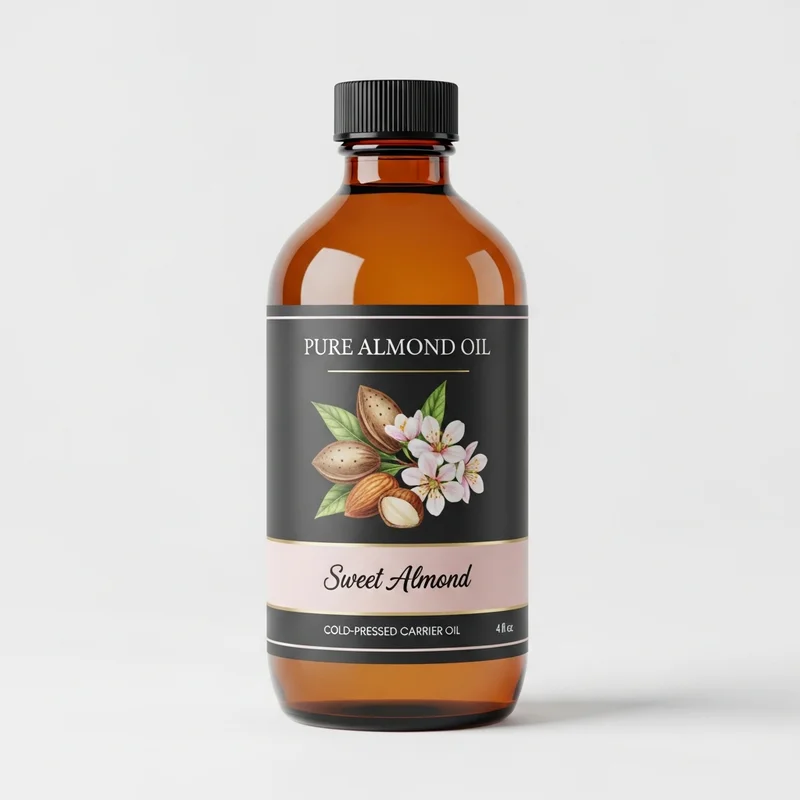
- 100% pure sweet almond oil (Prunus dulcis), with no added fragrance or synthetic ingredients.
- Cold-pressed and unrefined, which tends to preserve more of the oil's natural nutrient content.
- Food-grade or cosmetic-grade labeling, indicating it's manufactured under clean processing standards.
- A recent bottling date, since almond oil can go rancid over time, particularly once opened.
Avoid massage oil blends that combine almond oil with essential oils or added fragrance for this particular use. Simpler is better here, since you're applying the oil to a sensitive area and want to minimize the chance of irritation.
How to Do Perineal Massage With Almond Oil
Every provider may offer slightly different instructions, so treat this as a general overview rather than a substitute for guidance from your own care team.
- Wash your hands thoroughly before starting, and trim your nails short if they're long.
- Get comfortable. Many people find it easiest sitting semi-reclined with knees bent and feet supported, using a mirror if needed, or lying on their side with one leg lifted.
- Apply a small amount of almond oil to your thumbs (or your partner's thumbs, if they're assisting) and to the perineal area itself.
- Insert your thumbs about an inch or two into the vaginal opening and press downward and to the sides, toward the rectum, in a gentle, sweeping U-shaped motion.
- Hold gentle pressure for a minute or two at a time, moving slowly rather than forcefully.
- Repeat for around five to ten minutes, a few times a week, adjusting frequency based on comfort and your provider's recommendations.
Some discomfort or a stretching sensation is common, but the practice should never feel sharply painful. If it does, stop and reassess your technique, or check in with your provider.
Safety and Patch Testing
Because this practice involves sensitive skin, a few precautions matter:
- Patch test first. Before using almond oil anywhere near the perineal area, apply a small amount to your inner forearm and wait 24 to 48 hours to check for redness, itching, or irritation.
- Nut allergy caution. Almond oil is derived from tree nuts. If you or your partner have a tree nut allergy, avoid this oil entirely and ask your provider for an alternative, such as a plain, unscented water-based lubricant.
- Skip it if you have an active infection, unusual discharge, or your provider has advised against vaginal touch for any reason during your pregnancy. Speak with your provider before beginning.
- Never use essential oils undiluted, or at all, in this area. The perineum and vaginal tissue are highly absorbent and sensitive, and concentrated plant extracts are not appropriate here.
- Store your oil properly in a cool, dark place, and discard it if the scent turns sharp or sour, which signals rancidity.
What the Research Says
Some research on perineal massage in general (not specific to almond oil as an ingredient) suggests it may be associated with a modestly reduced likelihood of certain tearing during first vaginal deliveries when practiced regularly in the weeks before labor. Findings vary across studies, and outcomes depend on many individual factors, including the specific delivery, provider practices, and each person's anatomy. This information is educational and should not be read as a guarantee of any outcome. Your provider is the best source for guidance specific to your pregnancy.
Partner-Assisted Massage
Many people find it easier, and more comfortable, to have a partner perform this massage in the final weeks of pregnancy, especially as reaching the area becomes more physically difficult. If a partner is helping, the same guidance applies: clean hands, trimmed nails, a small amount of almond oil, and slow, communicative pressure. Checking in verbally throughout ("does this feel okay, too much, too little?") helps keep the experience comfortable and collaborative.
When to Start and How Often
Most childbirth educators suggest beginning around 34 to 36 weeks of pregnancy, continuing a few times a week until labor begins. There's no strict rule on frequency, and consistency tends to matter more than intensity. A short, gentle session several times a week is generally considered more useful than infrequent, longer sessions.
Final Thoughts
Perineal massage with a pure oil like sweet almond oil is a low-cost, low-risk addition to a birth preparation routine for many pregnant people, but it isn't right for everyone, and it isn't a substitute for prenatal care. Bring it up with your midwife or OB at an upcoming appointment, ask whether it's appropriate for your specific pregnancy, and let their guidance shape how, or whether, you incorporate it into your routine.