Almond Oil for Dogs: Coat Health, Itchy Skin, and Paw Care
If you already love sweet almond oil for your own skin and hair routine, you may have wondered whether your dog could enjoy some of the same benefits. It is a fair question. Almond oil for dogs has become a popular topic among pet owners who want a gentler, more natural addition to their grooming routine. Below, we walk through what almond oil is, how pet parents commonly use it, and the precautions worth knowing before you reach for the bottle.
What Is Almond Oil, and Why Do Pet Owners Use It?
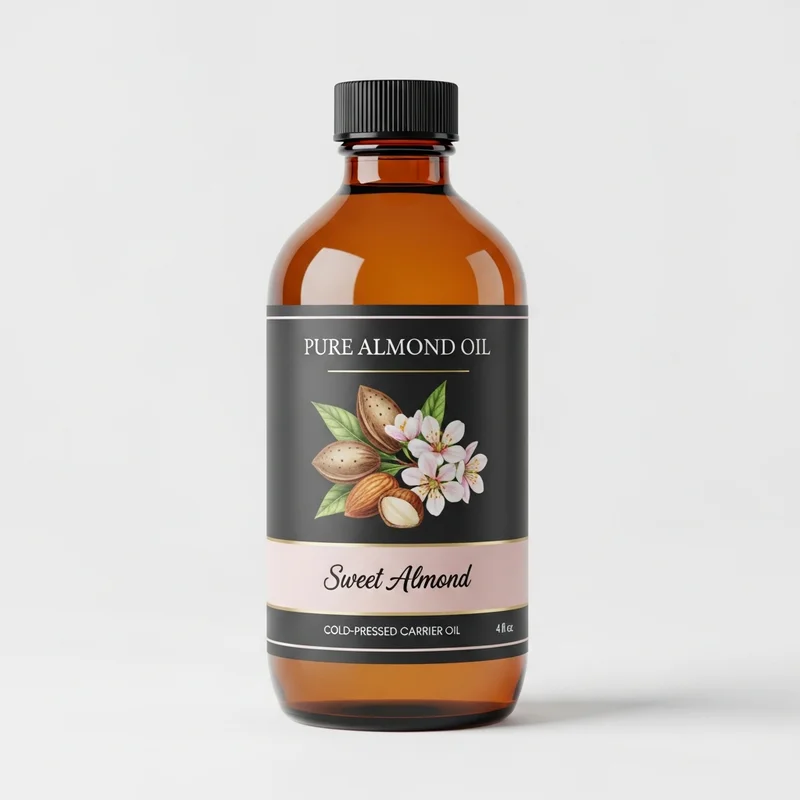
Sweet almond oil is a light, nutrient-rich oil pressed from almonds. It is different from bitter almond oil, which contains compounds that are not appropriate for pets and should never be used on or around dogs. When people talk about almond oil for dogs, they almost always mean sweet almond oil, the same gentle variety found in many human skincare products.
Sweet almond oil naturally contains vitamin E, fatty acids, and other plant compounds. In human cosmetic use, these components are often associated with softening and moisturizing effects. Some pet owners have extended that same logic to their dogs, using small amounts of almond oil as part of an at-home coat and paw routine. It is worth noting that formal research on almond oil specifically for canine skin is limited, so most of what we know comes from traditional use and anecdotal reports from dog owners rather than controlled studies.
Almond Oil and Dog Coat Health
A dull, dry looking coat is one of the more common concerns dog owners bring up, especially in dry climates or during winter months when indoor heating saps moisture from the air. This is where almond oil dog coat routines tend to come into play.
Some owners massage a very small amount of almond oil into their dog's coat, working from the skin outward toward the tips of the fur. The idea is that the oil may help distribute along the hair shaft and give the coat a slightly glossier appearance. Others prefer to add a few drops to their dog's food after checking with their veterinarian, since diet also plays a meaningful role in coat condition.
A few things to keep in mind if you want to try a topical coat routine:
- Less is more. A few drops rubbed between your palms goes further than you think.
- Focus on the coat, not the base layer of fur near the skin, unless you are specifically addressing a dry patch.
- Brush your dog's coat afterward to help distribute the oil evenly and remove any excess.
- Bathe as usual on your dog's regular schedule. Oil buildup from overuse can leave a coat looking greasy rather than glossy.
Coat quality is influenced by many factors, including genetics, diet, hydration, grooming frequency, and overall wellness routines. Almond oil is best thought of as one small piece of a broader coat care approach rather than a stand-alone solution.
Almond Oil for Dry, Flaky, or Itchy Skin
Dogs can develop dry, flaky patches of skin for all sorts of reasons: seasonal weather changes, frequent bathing, low humidity indoors, or simply their individual skin type. Some owners reach for almond oil as a gentle, at-home option for these everyday dry-skin moments.
Because sweet almond oil is an emollient, meaning it may help skin feel softer and less flaky by sitting on the surface and reducing moisture loss, some pet owners describe using a small dab on visibly dry patches, such as the elbows or the top of the nose. People report that their dogs seem more comfortable after a light application, though this is anecdotal and not something backed by clinical research in dogs specifically.
A patch test is always a smart first step. Apply a tiny amount of almond oil to a small area of skin, then wait 24 hours to see how your dog's skin responds before using it more broadly. Watch for redness, excessive licking at the site, or general discomfort, and stop use if you notice any of these signs.
If your dog has persistent skin issues, ongoing scratching, hair loss, or skin that looks irritated or broken, please don't rely on any at-home oil routine. Book a visit with your veterinarian, who can properly evaluate what's going on and recommend an appropriate plan.
Almond Oil for Dog Paws
Paw pads take a beating. Hot pavement in summer, rock salt and ice in winter, and rough terrain year-round can leave them dry, cracked, or rough to the touch. This is another area where almond oil dog paws routines have become a popular topic in pet care communities.
A simple paw care routine some owners follow looks like this:
- Clean your dog's paws with a damp cloth to remove dirt and debris.
- Let the paws dry fully.
- Massage a small amount of almond oil into each pad, avoiding the areas between the toes where excess moisture can be trapped.
- Give the oil a few minutes to absorb before letting your dog walk on any surfaces where slipping could be a concern.
Timing matters here. Many owners find that applying oil in the evening, right before bedtime, works best since it gives the oil time to absorb without your dog immediately tracking it across the floor or licking it off. A cozy bedtime paw routine can even become a nice bonding moment between walks.
As with coat and skin use, moderation is key. Overdoing it can leave paws feeling slick, which isn't ideal for a dog who needs good traction, especially on hardwood floors or tile.
Safety Considerations Before You Start
Almond oil is generally considered a gentle option for topical, cosmetic use in small amounts, but a few precautions matter:
- Always choose sweet almond oil, never bitter almond oil. Bitter almond oil contains compounds that are not safe for dogs.
- Do a patch test first. Every dog's skin is different, and some may be more sensitive than others.
- Use it sparingly. A little goes a long way, both for the coat and for the paws.
- Avoid the eyes, ears, and any open wounds. These areas call for products specifically designed for that purpose.
- Watch for licking. Dogs are naturally inclined to lick oil off their paws or coat. Small amounts of pure, food-grade sweet almond oil are unlikely to cause a problem if ingested in small quantities, but it's still worth minimizing how much your dog consumes this way.
- Talk to your veterinarian first if your dog has known nut allergies, sensitive skin, or an underlying condition your vet is already managing. A quick conversation can help you figure out whether this kind of at-home routine makes sense for your specific dog.
It's also worth remembering that almond oil is a cosmetic, topical option, not a substitute for your veterinarian's guidance. If you notice ongoing changes in your dog's skin, coat, or behavior, a professional evaluation is always the right next step.
How to Choose a Quality Almond Oil for Your Dog
Not all almond oil is created equal. When shopping for a bottle to use on your dog, look for:
- 100% pure sweet almond oil with no added fragrances, dyes, or synthetic ingredients.
- Cold-pressed processing, which tends to preserve more of the oil's natural nutrient profile compared to heavily processed versions.
- A clear, simple label that confirms the oil is food-grade or cosmetic-grade sweet almond oil, ideally from a source you already trust for your own skincare.
- A recent bottling or expiration date. Oils can go rancid over time, and a fresh bottle is important for both quality and comfort.
A well-sealed, amber or dark glass bottle stored away from direct sunlight and heat will also help the oil stay fresh longer, whether you're using it on yourself or sharing a bit with your dog.
Bringing It All Together
Almond oil for dogs is a simple, low-key addition some pet owners like to fold into their grooming routine, whether that means a light coat massage for shine, a small dab on dry patches, or a gentle paw rub before bed. Used sparingly and thoughtfully, sweet almond oil is generally regarded as a gentle, natural option for cosmetic pet care. Still, it isn't a replacement for regular veterinary checkups, and any ongoing skin or coat concerns deserve a proper look from your dog's vet.
As with any new addition to your dog's routine, start small, watch how your dog responds, and adjust from there. A little patience and observation go a long way toward figuring out what actually works for your particular pup.