
Almond Oil for Cradle Cap in Newborns: Gentle Removal Guide
If you've noticed yellowish, flaky patches on your newborn's scalp, you're not alone. Cradle cap is one of the most common scalp conditions parents encounter in the first weeks and months of a baby's life. It looks a little alarming, but it's a normal part of many infants' early development. And if you're looking for a gentle, natural approach to managing it, almond oil for cradle cap is something many parents explore.
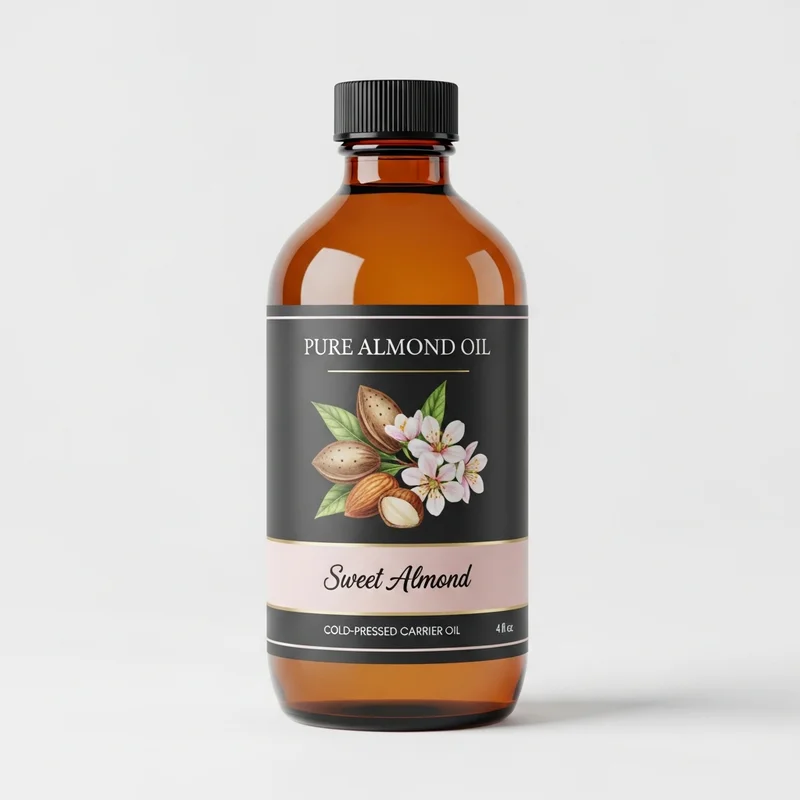
This guide walks you through what cradle cap is, how sweet almond oil may support scalp softening, and a careful step-by-step routine you can follow at home. Please read every section, including the safety notes, before you begin.
What Is Cradle Cap?
Cradle cap (known medically as seborrheic dermatitis of the scalp in infants) appears as greasy, yellowish, or brownish scaly patches on a baby's scalp. It can also show up on the eyebrows, behind the ears, and around the nose. It is not contagious and does not appear to cause the baby any noticeable discomfort in most cases.
The exact cause is not fully understood, but some researchers believe it may be linked to residual maternal hormones that continue to stimulate the baby's oil glands after birth. Others point to the presence of naturally occurring skin yeast. Whatever the origin, it typically resolves on its own within a few months, though many parents prefer to gently manage its appearance in the meantime.
Before trying any home routine, always speak with your pediatrician first. They can confirm that what you're seeing is indeed cradle cap and not another scalp condition that may need a different approach.
Why Some Parents Turn to Almond Oil for Newborn Scalp Care
Sweet almond oil has been used in traditional beauty and baby care practices for a very long time. It is cold-pressed from the kernels of Prunus dulcis (the sweet almond tree) and is known for its lightweight, non-greasy texture. It absorbs relatively easily and has a mild, neutral scent that makes it pleasant to use around sensitive babies.
Parents gravitate toward almond oil for newborn scalp routines for several reasons:
- Lightweight texture: Sweet almond oil is less heavy than olive oil or coconut oil, so it tends not to leave a thick, greasy residue on a baby's fine hair.
- Rich in fatty acids: It contains oleic and linoleic acids, which some research suggests may support the skin's natural moisture barrier.
- Gentle on delicate skin: Many parents and caregivers report that it feels soothing when applied to sensitive infant skin.
- Widely available: Pure sweet almond oil is easy to find at pharmacies, health food stores, and online.
It is worth noting that almond oil does not remove cradle cap on its own. What it does is soften the scales so they can be more easily and gently lifted away during a regular bath routine. Think of it as a preparatory step rather than a standalone solution.
Important Safety Warnings Before You Begin
Newborn skin is far more permeable and sensitive than adult skin. Please read and follow these precautions carefully.
Check for Nut Allergies
Sweet almond oil comes from tree nuts. If there is a family history of tree nut or almond sensitivity, do not use this oil on your baby without speaking to your pediatrician first. Even though a newborn has not yet eaten solid foods, topical exposure to allergens is something to take seriously.
Always Patch Test First
Before applying almond oil to your baby's scalp, do a patch test on a small area of skin, such as the inner wrist or behind the knee. Apply a tiny amount of oil and wait 24 hours. If you notice any redness, bumps, swelling, or irritation, do not proceed. Contact your pediatrician if a reaction occurs.
Use Only Pure, Food-Grade or Cosmetic-Grade Sweet Almond Oil
Avoid almond oil products that contain added fragrances, preservatives, or other ingredients. Look for 100% pure Prunus amygdalus dulcis oil. Bitter almond oil is a different product entirely and is not appropriate for skin use.
Do Not Apply to Broken or Irritated Skin
If your baby's scalp shows any open areas, bleeding, weeping, or signs of significant irritation, skip the oil routine and contact your pediatrician.
Keep Oil Away from Eyes and Mouth
Babies move unpredictably. Be mindful of where oil drips during application, particularly around the forehead and temples.
Always Wash Oil Out Thoroughly
Leaving oil on the scalp for extended periods may actually contribute to further buildup. Always wash it out completely during bath time.
What You Will Need
- Pure, 100% sweet almond oil (patch tested and approved)
- A small clean dish or bowl for the oil
- A soft cotton ball or your clean fingertips
- A soft-bristled baby brush or a very soft toothbrush designed for infant scalps
- A gentle, fragrance-free baby shampoo
- Warm (not hot) water
- A soft towel
Step-by-Step: Gentle Almond Oil Cradle Cap Routine
This routine is best done as part of your regular bath time. Aim to do it no more than once or twice a week. Daily oil application is generally not necessary and may contribute to buildup rather than reducing it.
Step 1: Warm the Oil Slightly
Pour a small amount of sweet almond oil into a clean dish. To take the chill off, you can set the dish in a bowl of warm water for a minute or two. Test the temperature on your inner wrist before applying it to your baby. It should feel neutral, not warm.
Step 2: Apply the Oil to the Scalp
Using a cotton ball or your clean fingertips, gently apply the oil directly to the flaky patches on your baby's scalp. Use light, circular motions. You do not need to saturate the scalp. A thin, even layer is enough to help soften the scales.
Step 3: Let It Sit for 15 to 20 Minutes
Allow the oil to sit on the scalp for about 15 to 20 minutes. This gives it time to soften the flakes. Do not leave it on for hours or overnight. Some parents try leaving oil on overnight thinking it will work better, but this can actually worsen buildup and make thorough rinsing harder.
Step 4: Gently Brush the Scalp
Using a soft-bristled baby brush, very gently brush the scalp in small, circular motions. The softened flakes should begin to loosen. Do not scratch, pick, or press hard. The goal is a feather-light touch. If the flakes do not come away easily, do not force them. You can repeat the routine in a few days.
Step 5: Shampoo the Hair and Scalp
Move immediately to bath time. Using a gentle, fragrance-free baby shampoo, wash your baby's scalp thoroughly to remove all traces of the oil. You may need to shampoo twice to ensure the oil is fully rinsed out. Leaving oil residue behind can trap more flakes and counteract your efforts.
Step 6: Rinse Completely
Rinse the scalp thoroughly with warm (not hot) water. Make sure no shampoo or oil remains. Pat the scalp dry with a soft towel. Avoid any rubbing motion on the scalp.
Step 7: Assess and Repeat as Needed
After drying, take a gentle look at the scalp. Some improvement is often visible after one session, but cradle cap typically takes multiple sessions over several weeks to fully clear. Be patient and consistent, and do not rush the process by increasing frequency beyond once or twice a week.
Tips for Getting the Best Results
Consistency Matters More Than Quantity
A small amount of oil applied consistently during a regular bath routine tends to yield better results than large, infrequent applications.
Resist the Urge to Pick
It can be tempting to pick at the flakes with your fingernails. Please avoid this. Picking can irritate the scalp and create openings in the skin.
Choose the Right Brush
A brush labeled specifically for infant scalps is ideal. The bristles should be extremely soft, almost like fine cotton. A regular hairbrush is too stiff for newborn skin.
Be Patient with Stubborn Cases
Some cases of cradle cap are more persistent than others. If you do not see improvement after several weeks of gentle at-home care, or if the patches spread, thicken, appear to cause the baby distress, or show any signs of weeping or bleeding, contact your pediatrician. There are other options they can recommend.
How Does Almond Oil Compare to Other Oils for Cradle Cap?
| Oil | Texture | Scent | Common Notes |
|---|---|---|---|
| Sweet Almond Oil | Lightweight | Very mild | Absorbs well, less residue, widely used in baby care |
| Coconut Oil | Medium-heavy | Distinct coconut scent | Solid at room temperature, may feel heavier on fine baby hair |
| Olive Oil | Heavy | Noticeable | Can feel greasy, requires thorough rinsing |
| Mineral Oil (Baby Oil) | Lightweight | Neutral or lightly fragranced | Commonly used, not plant-derived, some parents prefer natural alternatives |
Each oil has its advocates. Sweet almond oil tends to be a popular choice among parents who want a plant-based option with a lighter feel. As always, patch testing applies regardless of which oil you choose.
When to Call Your Pediatrician
A gentle at-home routine works well for mild cradle cap in many cases. However, there are situations where professional guidance is the right next step. Reach out to your baby's healthcare provider if:
- The cradle cap spreads to the face, neck, or body
- The scalp looks red, swollen, or feels warm to the touch
- There is any weeping, crusting that looks different from typical cradle cap, or bleeding
- Your baby seems uncomfortable or is scratching at the scalp
- There is no improvement after several weeks of consistent at-home care
- You have any doubt about whether what you're seeing is cradle cap
Your pediatrician is your best resource. They can confirm the diagnosis and let you know if a different approach is needed. Never adjust or discontinue any medical guidance based on information in a general article like this one.
A Few Final Thoughts for New Parents
Seeing crusty patches on your newborn's scalp can feel worrying, especially when everything about a new baby feels precious and fragile. The good news is that for most babies, cradle cap is a temporary phase. With a gentle, consistent routine using almond oil for newborn scalp care, many parents report that the appearance improves gradually over several weeks.
Go slowly. Use very little product. Trust the process, and trust your instincts as a parent. If something feels off, check in with your pediatrician. You're doing great.
Looking for more ways to incorporate sweet almond oil into your baby's care routine? Explore our guides on sweet almond oil for baby massage and almond oil for dry skin care to build a simple, gentle routine your whole family can enjoy.