Almond Oil as a Carrier Oil: The Complete Aromatherapy and Essential Oil Blending Guide
Key Takeaways
- Sweet almond oil is one of the most versatile and gentle carrier oils for essential oil blending
- Proper dilution ratios are crucial for safe aromatherapy practice (typically 1-5% essential oil concentration)
- Almond oil's light texture and neutral scent make it ideal for both beginners and experienced blenders
- Always perform patch tests and consult healthcare providers before use, especially for sensitive individuals
- Quality sourcing and proper storage extend shelf life and maintain oil integrity
Table of Contents
- Understanding Carrier Oils: The Foundation of Safe Aromatherapy
- Why Sweet Almond Oil Excels as a Carrier Oil
- Essential Oil Dilution Ratios and Safety Guidelines
- Professional Blending Techniques and Methods
- Popular Essential Oil and Almond Oil Combinations
- Storage, Shelf Life, and Quality Maintenance
- Troubleshooting Common Blending Issues
- Advanced Applications and Specialized Uses
Understanding Carrier Oils: The Foundation of Safe Aromatherapy
In the world of aromatherapy and natural wellness, carrier oils serve as the crucial bridge between concentrated essential oils and safe, effective application. A carrier oil for essential oils acts as a diluting agent that helps "carry" the potent aromatic compounds to your skin while reducing the risk of irritation or sensitivity reactions.
The Science Behind Carrier Oils
Essential oils are highly concentrated plant extracts that can be too intense for direct skin contact. When used undiluted, they may cause skin irritation, sensitization, or other adverse reactions. Carrier oils solve this challenge by:
- Diluting essential oils to safe concentrations
- Providing a medium for even distribution across the skin
- Offering their own beneficial properties and nutrients
- Extending the application area and duration of aromatherapy benefits
- Creating a pleasant, workable consistency for massage and topical use
What Makes an Effective Carrier Oil
Not all oils are suitable as carriers for essential oil blending. Effective carrier oils typically share these characteristics:
- Neutral to mild scent: Won't overpower delicate essential oil fragrances
- Good skin absorption: Penetrates easily without leaving heavy residue
- Stable composition: Resists rancidity and maintains quality over time
- Gentle nature: Suitable for most skin types with minimal risk of reaction
- Nutritive properties: May provide additional benefits through vitamins and fatty acids
Why Sweet Almond Oil Excels as a Carrier Oil
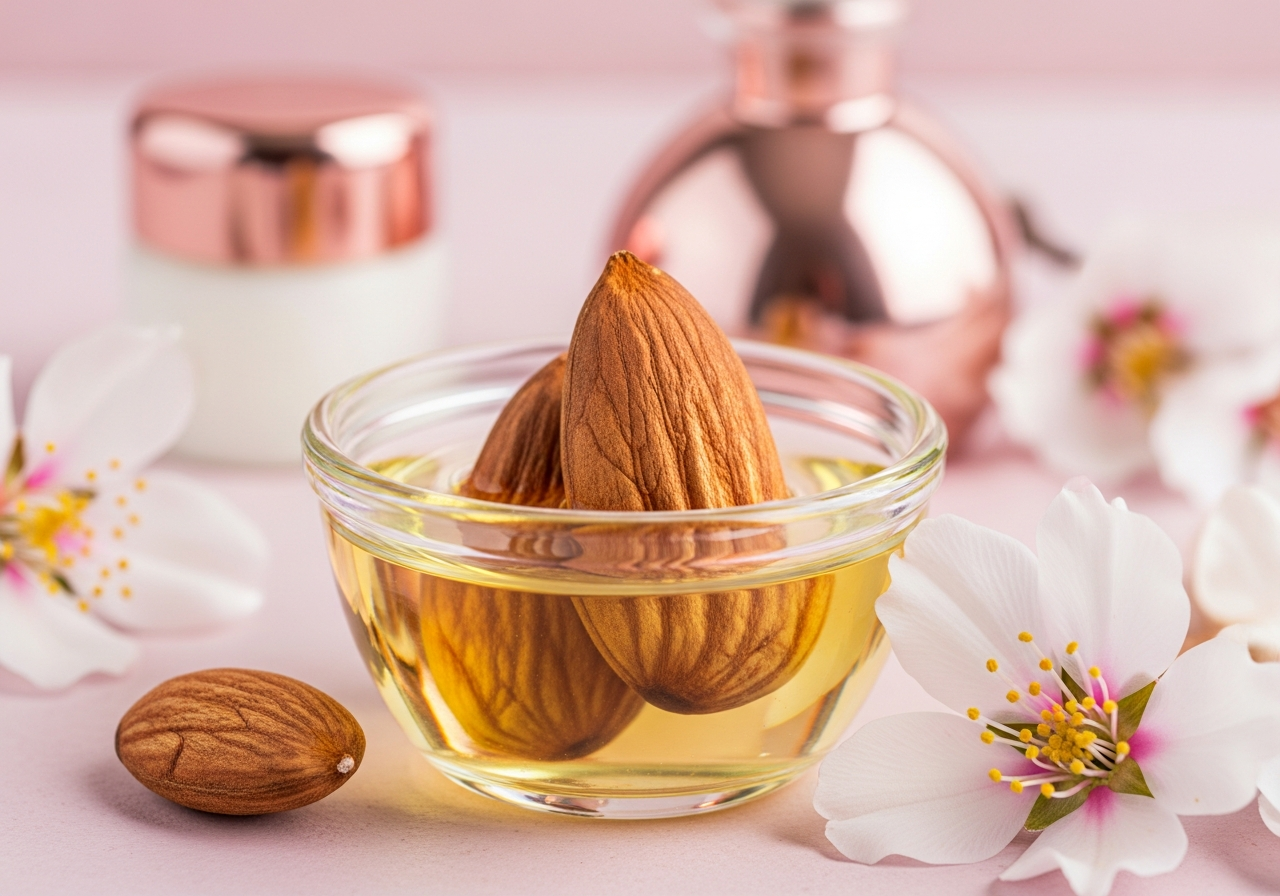
Sweet almond oil carrier properties make it one of the most popular choices among aromatherapy enthusiasts and professionals alike. Derived from the kernels of sweet almonds (Prunus amygdalus var. dulcis), this pale golden oil offers an exceptional combination of gentleness, versatility, and beneficial compounds.
Physical Properties That Matter
Sweet almond oil's physical characteristics make it particularly well-suited for almond oil aromatherapy applications:
| Property | Sweet Almond Oil | Benefit for Aromatherapy |
|---|---|---|
| Viscosity | Light to medium | Easy to blend and apply |
| Absorption Rate | Moderate | Allows time for aromatherapy benefits |
| Scent | Very mild, slightly nutty | Won't interfere with essential oil aromas |
| Color | Pale golden to clear | Won't stain clothing or linens |
| Shelf Life | 12-24 months | Good stability for blended preparations |
Nutritional Profile and Skin Compatibility
The composition of sweet almond oil includes several components that may support skin health when used topically:
- Oleic acid (60-80%): A monounsaturated fatty acid that may help maintain skin barrier function
- Linoleic acid (15-25%): An essential fatty acid that some research suggests may support skin hydration
- Vitamin E: A natural antioxidant that may help protect the oil from oxidation
- Vitamin A: Present in small amounts, traditionally associated with skin health
- Minerals: Including magnesium, phosphorus, and copper in trace amounts
Versatility Across Applications
What sets almond oil carrier oil apart is its remarkable versatility. It works beautifully across various aromatherapy applications:
- Massage blends: Creates smooth, gliding texture perfect for therapeutic massage applications
- Facial aromatherapy: Gentle enough for delicate facial skin when properly diluted
- Body oils: Absorbs well without excessive greasiness
- Bath preparations: Disperses essential oils evenly in bathwater
- Hair treatments: Light enough not to weigh down hair while carrying beneficial essential oils
Essential Oil Dilution Ratios and Safety Guidelines
Proper dilution is perhaps the most critical aspect of safe aromatherapy practice. Understanding and following appropriate dilution ratios helps ensure that your almond oil aromatherapy blends remain both effective and safe for use.
Standard Dilution Guidelines
Aromatherapy practitioners typically recommend the following dilution ratios for different applications:
| Application | Dilution Percentage | Drops per Ounce (30ml) Almond Oil | Recommended Use |
|---|---|---|---|
| Facial applications | 0.5-1% | 3-6 drops | Delicate facial skin |
| General body use | 2-3% | 12-18 drops | Daily moisturizing blends |
| Targeted application | 3-5% | 18-30 drops | Specific areas, short-term use |
| Massage therapy | 1-3% | 6-18 drops | Professional or self-massage |
| Bath preparations | 0.5-1% | 3-6 drops per tablespoon | Dispersed in carrier oil first |
Special Population Considerations
Certain groups require modified dilution ratios for safety:
Children and Infants
When considering aromatherapy for younger family members, extra caution is essential. For baby-safe applications, dilutions should be significantly lower:
- Infants (0-3 months): Essential oils are generally not recommended
- Babies (3-6 months): 0.1-0.25% dilution maximum, with healthcare provider approval
- Children (2-6 years): 0.5-1% dilution maximum
- Children (6-12 years): 1-1.5% dilution maximum
Elderly and Sensitive Individuals
- Start with lower concentrations (0.5-1%)
- Monitor for any adverse reactions
- Consider potential medication interactions
- Allow for slower absorption and processing
Pregnant and Nursing Individuals
- Many essential oils should be avoided entirely
- Lower dilution ratios are generally recommended
- Always consult with a qualified healthcare provider first
- Focus on gentle, well-researched essential oils only
Safety Protocols and Testing
Before using any new essential oil blend with almond oil, follow these safety protocols:
Patch Testing Procedure
- Mix a small amount of your intended blend (start with lowest recommended dilution)
- Apply a drop to the inside of your wrist or elbow
- Cover with a bandage and wait 24 hours
- Check for any redness, itching, swelling, or irritation
- If no reaction occurs, the blend may be suitable for broader use
- If any reaction occurs, discontinue use immediately
General Safety Guidelines
- Never use essential oils undiluted on the skin
- Avoid mucous membranes and sensitive areas
- Keep away from eyes and wash hands after handling
- Store safely away from children and pets
- Use fresh blends and respect expiration dates
- Be aware of photosensitivity with citrus essential oils
- Consider individual allergies and sensitivities
Professional Blending Techniques and Methods
Creating effective aromatherapy blends with sweet almond oil carrier involves both art and science. Professional blending techniques help ensure consistent, safe, and aromatic results every time.
Essential Equipment for Blending
Having the right tools makes blending both safer and more precise:
Measuring Tools
- Glass graduated cylinders: For accurate carrier oil measurement
- Glass droppers or pipettes: For precise essential oil drops
- Digital scale: For larger batches and weight-based measurements
- Measuring spoons: Glass or stainless steel for small amounts
Blending Containers
- Dark glass bottles: Amber or cobalt blue to protect from light
- Glass mixing bowls: For temporary blending before bottling
- Stainless steel funnels: For transferring without spills
- Glass stirring rods: For gentle mixing
Storage and Labeling
- Quality labels: Waterproof and oil-resistant
- Permanent markers: For clear, lasting identification
- Storage boxes: Dark, cool storage containers
- Cotton pads: For cleanup and testing
Step-by-Step Blending Process
Basic Single-Note Blend
- Calculate your dilution: Determine the percentage and total volume needed
- Measure carrier oil: Pour sweet almond oil into your blending container
- Add essential oil: Count drops carefully, adding slowly
- Mix gently: Stir with a glass rod or cap and gently roll between palms
- Test the blend: Check scent strength and perform patch test if needed
- Bottle and label: Transfer to final container with complete labeling
Complex Multi-Note Blending
When creating sophisticated DIY essential oil blends, follow this professional approach:
- Plan your formula: Write out the complete recipe with percentages
- Create a test batch: Make a small 5ml sample first
- Layer by volatility:
- Base notes first (cedarwood, patchouli, vetiver)
- Middle notes second (lavender, geranium, rosemary)
- Top notes last (citrus, peppermint, eucalyptus)
- Mix between additions: Allow each layer to integrate
- Age the blend: Let complex blends mature for 24-48 hours
- Adjust if needed: Fine-tune based on the aged scent profile
- Scale up carefully: Maintain exact proportions for larger batches
Understanding Scent Profiles and Balance
Creating harmonious blends requires understanding how different essential oils interact:
The Aromatherapy Triangle
- Top notes (10-30%): First impression, evaporate quickly
- Middle notes (30-50%): The heart of the blend, last 2-4 hours
- Base notes (20-40%): Foundation scent, longest lasting
Complementary Combinations
Some essential oil families blend particularly well with almond oil carrier oil:
- Citrus + Floral: Bergamot and lavender for uplifting blends
- Woody + Herbal: Cedarwood and rosemary for grounding combinations
- Spicy + Sweet: Cinnamon and vanilla for warming blends
- Fresh + Earthy: Peppermint and patchouli for balancing effects
Troubleshooting Common Blending Challenges
Scent Too Strong
- Add more carrier oil to dilute
- Let the blend age – some oils mellow over time
- Consider the environment where you'll use it
Scent Too Weak
- Check essential oil quality and age
- Ensure proper storage conditions
- Consider adding complementary oils rather than increasing concentration
Unbalanced Blend
- Identify which note category is dominating
- Add oils from underrepresented categories
- Sometimes less is more – try removing rather than adding
Popular Essential Oil and Almond Oil Combinations
Certain essential oil combinations with almond oil carrier oil have become favorites among aromatherapy enthusiasts due to their appealing scent profiles and reported benefits. Here are some time-tested blends that showcase the versatility of sweet almond oil as a base.
Relaxation and Sleep Blends
Classic Lavender Serenity
Formula (2% dilution in 1 oz almond oil):
- 10 drops Lavender essential oil
- 4 drops Roman Chamomile essential oil
- 2 drops Bergamot essential oil
This gentle combination is traditionally used for promoting a sense of calm and relaxation. The mild nature of sweet almond oil allows the soothing properties of lavender to shine while chamomile adds gentle, honey-like notes.
Evening Tranquility
Formula (2.5% dilution in 1 oz almond oil):
- 8 drops Cedarwood essential oil
- 6 drops Ylang Ylang essential oil
- 4 drops Sweet Orange essential oil
The grounding base notes of cedarwood combined with the floral middle notes of ylang ylang create a sophisticated evening blend that many users report helps them wind down after busy days.
Energizing and Focus Blends
Morning Clarity
Formula (3% dilution in 1 oz almond oil):
- 8 drops Peppermint essential oil
- 6 drops Rosemary essential oil
- 4 drops Lemon essential oil
This invigorating blend combines the cooling sensation of peppermint with the herbaceous clarity of rosemary and bright citrus top notes. (See: NIH — Sweet Almond Oil Research.) Users often report feeling more alert and focused when using this combination.
Afternoon Revival
Formula (2.5% dilution in 1 oz almond oil):
- 7 drops Eucalyptus essential oil
- 5 drops Grapefruit essential oil
- 4 drops Spearmint essential oil
- 2 drops Ginger essential oil
Perfect for combating the afternoon slump, this blend offers a combination of clearing, uplifting, and gently stimulating essential oils that many find refreshing during mid-day fatigue.
Skin-Supporting Blends
Gentle Facial Blend
Formula (1% dilution in 1 oz almond oil):
- 4 drops Geranium essential oil
- 2 drops Frankincense essential oil
This minimal, gentle combination is popular for facial applications. The comparison between almond oil vs jojoba oil for facial use often comes down to personal preference, but almond oil's vitamins and fatty acids make it a lovely base for this delicate blend.
Daily Body Moisturizer
Formula (2% dilution in 2 oz almond oil):
- 12 drops Lavender essential oil
- 8 drops Tea Tree essential oil
- 4 drops Chamomile essential oil
This gentle, everyday blend combines traditionally skin-friendly essential oils with the nourishing properties of sweet almond oil for an all-purpose body moisturizer.
Seasonal and Mood Blends
Spring Renewal
Formula (2.5% dilution in 1 oz almond oil):
- 6 drops Sweet Orange essential oil
- 5 drops Geranium essential oil
- 4 drops Lemongrass essential oil
- 3 drops Petitgrain essential oil
Bright, fresh, and uplifting, this blend captures the essence of spring renewal with citrusy top notes and floral heart notes.
Winter Comfort
Formula (3% dilution in 1 oz almond oil):
- 8 drops Cinnamon Leaf essential oil
- 6 drops Sweet Orange essential oil
- 4 drops Clove essential oil
Safety note: Cinnamon and clove are potent oils. Always patch test and use only the lowest effective concentration.
This warming blend evokes cozy winter evenings and is traditionally used during colder months when people seek comforting, spicy aromas.
Massage and Therapeutic Blends
Muscle Comfort Massage Oil
Formula (3% dilution in 2 oz almond oil):
- 15 drops Marjoram essential oil
- 10 drops Lavender essential oil
- 8 drops Eucalyptus essential oil
- 3 drops Black Pepper essential oil
Popular among massage therapists, this blend combines oils traditionally associated with muscle comfort. The smooth glide of almond oil for massage makes it an ideal base for this therapeutic combination.
Gentle Joint Support
Formula (2% dilution in 1 oz almond oil):
- 8 drops Frankincense essential oil
- 4 drops Copaiba essential oil
- 4 drops Turmeric essential oil
This gentle blend focuses on traditionally joint-supporting essential oils that many users find comforting when applied topically in proper dilution.
Storage, Shelf Life, and Quality Maintenance
Proper storage is crucial for maintaining the integrity and safety of your almond oil aromatherapy blends. Both the carrier oil and essential oils have specific requirements that, when followed, can significantly extend their useful life and preserve their beneficial properties.
Understanding Almond Oil Shelf Life
Sweet almond oil typically maintains its quality for 12-24 months when stored properly. However, several factors can impact its longevity:
Factors Affecting Shelf Life
- Processing method: Cold-pressed oils generally last longer than heat-extracted
- Storage conditions: Temperature, light, and air exposure all play crucial roles
- Container quality: Dark glass provides better protection than plastic or clear containers
- Initial quality: Higher quality oils with natural antioxidants last longer
- Contamination: Clean handling prevents bacterial and fungal growth
Signs of Rancidity
Always check your carrier oil before use. Signs that almond oil may be past its prime include:
- Off odor: Musty, sour, or "painty" smell instead of mild, nutty aroma
- Color changes: Darker or cloudy appearance
- Texture changes: Thicker consistency or unusual feel
- Taste: Bitter or unpleasant flavor (if safe to taste)
Optimal Storage Conditions
Temperature Control
- Cool storage: 60-70°F (15-21°C) is ideal
- Avoid temperature fluctuations: Consistent temperatures prevent condensation
- Refrigeration: Can extend life but may cause clouding (normal and reversible)
- Avoid heat sources: Keep away from stoves, heating vents, and direct sunlight
Light Protection
- Dark containers: Amber or cobalt glass bottles filter harmful UV rays
- Storage location: Keep in dark cabinets or drawers
- Avoid direct sunlight: Even brief exposure can accelerate degradation
- Consider opaque boxes: Extra protection for valuable blends
Air Exposure Minimization
- Tight-fitting caps: Prevent oxidation from air contact
- Full containers: Less air space means less oxidation potential
- Pump dispensers: Minimize air exposure during use
- Transfer techniques: Use funnels to prevent spills and contamination
Essential Oil Considerations in Blends
When essential oils are added to your sweet almond oil carrier, the shelf life dynamics change:
Antioxidant Effects
Some essential oils contain natural antioxidants that may actually help preserve the carrier oil:
- Rosemary essential oil: Contains natural antioxidants
- Vitamin E oil: Can be added as a natural preservative (0.5-1%)
- Clove essential oil: Has preservative properties but must be used carefully due to potency
Degradation Factors
Other essential oils may require more careful storage:
- Citrus oils: More prone to oxidation and may accelerate carrier oil degradation
- Monoterpene-rich oils: Can become irritating as they oxidize
- Delicate florals: May lose their subtle notes more quickly
Quality Testing and Monitoring
Regular Quality Checks
Implement a routine for monitoring your blends:
- Monthly scent tests: Note any changes in aroma profile
- Visual inspection: Check for color or clarity changes
- Texture assessment: Feel for changes in consistency
- Skin reaction monitoring: Note any changes in how the blend feels on skin
Documentation System
Keep records to track quality over time:
- Blend dates: Always date your preparations
- Ingredient sources: Note supplier and batch information
- Storage conditions: Record where and how stored
- Usage notes: Track effectiveness and any changes
Extending Shelf Life: Pro Tips
Batch Size Management
- Make smaller batches: Use within 6-12 months for best quality
- Test batches first: Perfect formulas before making large quantities
- Share with friends: Fresh blends make wonderful gifts
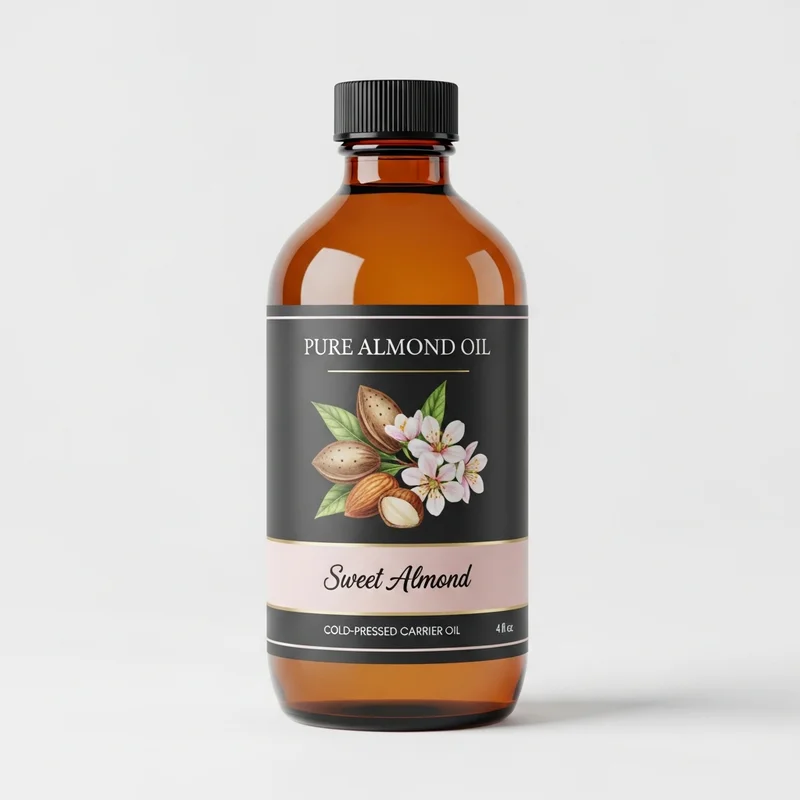
Sweet Almond Oil
Sweet Almond Oil from our own shop, in sizes from 0.5 oz to bulk.
From $8.99
Shop Now →