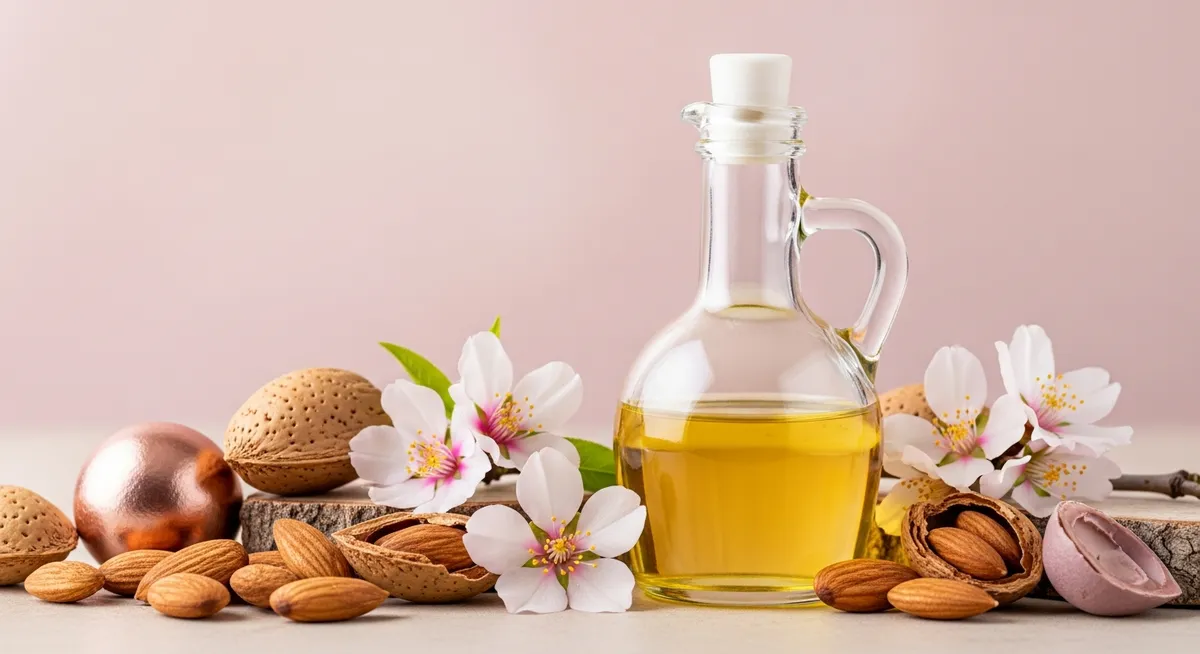
How Almond Oil Is Made: From Orchard to Bottle in California's Central Valley
California's Central Valley produces over 80% of the world's almonds, and from these sun-drenched orchards comes one of the most prized beauty oils in the world. The journey from almond tree to the golden oil in your bottle is a fascinating process that combines traditional agricultural wisdom with modern food science. Understanding how almond oil is made helps you appreciate the craftsmanship behind every drop of this versatile beauty essential.
Key Takeaways
- California's Central Valley produces the majority of the world's almonds, making it the epicenter of almond oil production
- Sweet almonds are preferred for oil production due to their mild flavor and superior oil quality
- The extraction method significantly impacts oil quality, with cold-pressed methods preserving the most nutrients
- Modern almond oil production involves multiple quality control stages to ensure purity and safety
- Organic certification requires adherence to strict agricultural and processing standards
- Sustainable farming practices are increasingly important in almond oil production
Table of Contents
- California's Almond Industry: The Foundation of Global Production
- From Seed to Harvest: Almond Cultivation in the Central Valley
- Harvesting and Initial Processing
- Oil Extraction Methods: Traditional vs. Modern Techniques
- Refinement and Quality Control
- Packaging and Distribution
- Sustainability and the Future of Almond Oil Production
- How to Choose High-Quality Almond Oil
California's Almond Industry: The Foundation of Global Production
California's dominance in almond production isn't accidental—it's the result of ideal growing conditions, innovative farming techniques, and decades of agricultural expertise. The Central Valley's Mediterranean-like climate, with its hot, dry summers and mild, wet winters, creates perfect conditions for almond trees to thrive.
The Geography of Almond Oil Production
The Central Valley stretches approximately 450 miles through the heart of California, encompassing regions like the San Joaquin Valley and Sacramento Valley. This agricultural powerhouse benefits from:
- Optimal Climate: Long, warm growing seasons with minimal rainfall during harvest
- Rich Soil: Deep, well-draining soils perfect for almond root systems
- Water Resources: Access to irrigation systems that ensure consistent water supply
- Pollination Support: Proximity to bee colonies essential for almond pollination
Economic Impact and Scale
California's almond industry represents a multi-billion-dollar agricultural sector, with over 1.3 million acres dedicated to almond production. This massive scale enables efficient almond oil processing infrastructure, from small-batch artisanal producers to large commercial operations serving global markets.
From Seed to Harvest: Almond Cultivation in the Central Valley
Understanding almond oil production begins with the cultivation process itself. Almond trees are remarkably resilient once established, but getting to harvest requires careful planning and years of patient cultivation.
Planting and Early Growth
Almond cultivation starts with selecting appropriate rootstock and scion varieties. Most commercial almonds used for oil production come from sweet almond varieties, chosen for their favorable oil content and flavor profile. The process includes:
- Rootstock Selection: Choosing disease-resistant and drought-tolerant rootstock
- Grafting: Attaching productive almond varieties to the rootstock
- Orchard Design: Planning tree spacing for optimal sunlight and mechanized harvesting
- Irrigation Installation: Setting up micro-sprinkler or drip irrigation systems
The Growing Cycle
Almond trees follow a predictable annual cycle that directly impacts oil quality:
| Season | Activity | Impact on Oil Quality |
|---|---|---|
| Winter (Dec-Jan) | Dormancy period | Trees conserve energy for spring bloom |
| Early Spring (Feb-Mar) | Bloom and pollination | Successful pollination determines nut quantity |
| Spring-Summer (Apr-Jul) | Nut development | Oil content builds during kernel maturation |
| Late Summer (Aug-Oct) | Harvest season | Timing affects oil quality and flavor |
Factors Affecting Oil Quality
Several cultivation factors directly influence the quality of almond oil:
- Variety Selection: Different almond varieties contain varying oil percentages and flavor profiles
- Irrigation Management: Proper water timing affects kernel development and oil concentration
- Nutrient Management: Balanced fertilization supports healthy oil development
- Pest and Disease Control: Maintaining tree health ensures optimal kernel quality
Harvesting and Initial Processing
The transition from orchard to processing facility marks a critical phase in almond oil production. Timing, handling methods, and initial processing steps significantly impact the final oil quality.
Harvest Timing and Methods
California's almond harvest typically runs from August through October, with specific timing varying by variety and location. Modern harvesting combines efficiency with quality preservation:
Mechanical Harvesting
Most commercial almond operations use sophisticated harvesting equipment:
- Tree Shakers: Mechanical devices that gently shake almonds from branches
- Sweepers: Equipment that gathers fallen almonds into windrows
- Pickup Machines: Devices that collect almonds while removing debris
Quality Considerations During Harvest
Several factors during harvest affect eventual oil quality:
- Hull Split Timing: Harvesting when hulls naturally split ensures optimal kernel moisture
- Ground Contact Time: Minimizing time almonds spend on the ground reduces contamination risk
- Weather Conditions: Avoiding harvest during rain or extreme heat preserves quality
Post-Harvest Processing
Once harvested, almonds undergo several processing steps before oil extraction:
Hulling and Shelling
The hulling process removes the outer hull, while shelling separates the kernel from its hard shell. Modern facilities use:
- High-capacity hulling machines that separate hulls from in-shell nuts
- Optical sorters that remove damaged or discolored nuts
- Cracking and shelling equipment that preserves kernel integrity
Cleaning and Sorting
Multiple cleaning and sorting stages ensure only premium kernels proceed to oil extraction:
- Size Grading: Sorting kernels by size for uniform processing
- Color Sorting: Using optical technology to remove discolored kernels
- Foreign Material Removal: Eliminating any remaining shell pieces or debris
- Quality Inspection: Manual and automated inspection for defects
Oil Extraction Methods: Traditional vs. Modern Techniques

The method used to extract oil from almond kernels profoundly impacts the final product's quality, nutritional profile, and shelf life. Understanding these different techniques helps explain why some almond oils command premium prices while others serve more industrial purposes.
Cold-Pressed Extraction
Cold-pressed almond oil represents the gold standard for quality, preserving the maximum amount of beneficial compounds naturally present in almonds.
The Cold-Pressing Process
Cold-pressing maintains temperatures below 120°F (49°C) throughout extraction:
- Preparation: Kernels are cleaned and sometimes lightly blanched to remove skins
- Grinding: Almonds are ground into a fine paste using stone mills or metal grinders
- Pressing: Hydraulic or screw presses apply pressure to extract oil without heat
- Separation: Oil is separated from solid matter through settling or centrifugation
- Filtration: Multiple filtration stages remove any remaining particles
Advantages of Cold-Pressing
- Preserves natural vitamin E content
- Maintains delicate almond fragrance and flavor
- Retains beneficial fatty acids in their natural form
- Produces oil with longer shelf life due to lower oxidation
Expeller-Pressed Extraction
Expeller-pressing uses mechanical pressure with higher temperatures, typically ranging from 140-200°F (60-93°C).
The Expeller-Pressing Process
- Pre-heating: Almonds may be heated to facilitate oil release
- Screw Pressing: Continuous screw presses apply pressure while generating heat through friction
- Higher Yield: Typically extracts more oil than cold-pressing methods
- Faster Processing: More efficient for large-scale commercial production
Solvent Extraction
Industrial solvent extraction uses chemical solvents, typically hexane, to extract maximum oil from almond meal—the solid matter remaining after initial pressing.
Solvent Extraction Process
- Solvent Application: Hexane dissolves remaining oils in almond meal
- Distillation: Heat separates oil from solvent for reuse
- Deodorization: Steam approach removes solvent residues and strong flavors
- Refining: Additional processing steps purify the final oil
Considerations for Solvent-Extracted Oil
While efficient and cost-effective, solvent extraction:
- May leave trace solvent residues despite purification
- Requires extensive refining that can remove beneficial compounds
- Produces oil primarily suitable for industrial or cosmetic applications
- Generally not preferred for premium personal care products
Comparing Extraction Methods
| Method | Temperature | Oil Yield | Quality Level | Best Use |
|---|---|---|---|---|
| Cold-Pressed | Below 120°F | Lower | Highest | Premium skincare, hair care |
| Expeller-Pressed | 140-200°F | Medium | Good | General cosmetic use |
| Solvent-Extracted | 200-250°F | Highest | Variable | Industrial applications |
Refinement and Quality Control
After extraction, almond oil undergoes various refinement processes depending on its intended use and quality grade. These processes can enhance certain characteristics while potentially reducing others, making the refinement stage crucial for determining final product quality.
Types of Refinement Processes
Degumming
The first step in most refinement processes removes phospholipids and other gum-like substances:
- Water Degumming: Uses hot water to precipitate gums for removal
- Acid Degumming: Employs phosphoric acid to convert non-hydratable gums
- Enzymatic Degumming: Uses specific enzymes for more selective gum removal
Neutralization
This process removes free fatty acids that can cause rancidity:
- Caustic soda approach neutralizes free fatty acids
- Washing removes soap formed during neutralization
- Centrifugation separates oil from wash water
Bleaching
Bleaching removes color compounds and remaining impurities:
- Clay Approach: Activated clay absorbs color compounds and oxidation products
- Carbon Filtration: Activated carbon removes trace contaminants
- Filtration: Multiple filtration stages remove spent bleaching materials
Deodorization
The final major refinement step removes volatile compounds that affect flavor and odor:
- Steam distillation under high temperature and vacuum conditions
- Removal of free fatty acids, aldehydes, and other volatile compounds
- Careful temperature control to preserve beneficial components
Quality Control Throughout Processing
Modern almond oil production facilities implement comprehensive quality control measures at every stage:
Raw Material Testing
- Moisture Content: Ensuring proper kernel moisture for optimal oil extraction
- Aflatoxin Testing: Screening for naturally occurring toxins
- Rancidity Assessment: Measuring peroxide values and free fatty acid levels
- Microbiological Testing: Checking for harmful bacteria or mold
Process Monitoring
- Temperature Control: Continuous monitoring to maintain optimal processing conditions
- Pressure Monitoring: Ensuring proper extraction pressure for quality and safety
- Flow Rate Management: Controlling processing speed for consistent quality
- Filtration Efficiency: Regular testing of filtration systems
Final Product Testing
Comprehensive testing ensures finished almond oil meets quality standards:
| Test Parameter | Measurement | Quality Indicator |
|---|---|---|
| Peroxide Value | meq O2/kg | Oxidation level |
| Free Fatty Acids | % oleic acid | Rancidity potential |
| Iodine Value | g I2/100g | Fatty acid profile |
| Saponification Value | mg KOH/g | Oil purity |
| Color (Lovibond) | Red/Yellow units | Visual quality |
Organic Certification Requirements
Organic almond oil production requires additional oversight and documentation:
- Certified Organic Almonds: Raw materials must come from certified organic orchards
- Processing Standards: All processing aids and methods must comply with organic regulations
- Facility Certification: Processing facilities require separate organic certification
- Documentation: Complete chain of custody documentation from orchard to bottle
- Regular Inspections: Third-party inspections ensure ongoing compliance
Packaging and Distribution
The final stages of almond oil production involve packaging and distribution systems designed to preserve oil quality from manufacturing facility to end consumer. These processes are critical for maintaining the investment in quality made throughout the production chain.
Packaging Considerations
Container Selection
The choice of packaging material significantly impacts oil stability and shelf life:
- Dark Glass Bottles: Amber or cobalt glass protects against light-induced oxidation
- Aluminum Containers: Provide excellent light and oxygen barrier properties
- High-Quality Plastics: Specialized plastic containers with UV barriers for larger volumes
- Bulk Packaging: Food-grade stainless steel or lined containers for wholesale distribution
Filling and Sealing Processes
Modern packaging facilities employ sophisticated systems to maintain oil quality:
- Nitrogen Flushing: Replacing air with nitrogen to prevent oxidation
- Clean Room Environments: Controlled environments minimize contamination
- Precision Filling: Automated systems ensure accurate volumes and minimize air exposure
- Heat Sealing: Tamper-evident seals protect product integrity
Labeling and Compliance
Proper labeling provides essential information while meeting regulatory requirements:
Required Information
- Product Identity: Clear identification as sweet almond oil
- Processing Method: Cold-pressed, expeller-pressed, or refined
- Country of Origin: Required for imported products
- Net Weight/Volume: Accurate quantity declarations
- Batch Information: Lot numbers for traceability
- Storage Instructions: Proper storage conditions for optimal shelf life
Certification Labels
Various certifications may appear on premium almond oils:
- USDA Organic certification logos
- Non-GMO Project verification
- Fair Trade certification marks
- Kosher and Halal certifications
Distribution and Supply Chain
Storage and Warehousing
Proper storage maintains oil quality during distribution:
- Temperature Control: Storage in cool, consistent temperatures
- Light Protection: Warehouses with minimal UV light exposure
- Humidity Management: Controlled humidity prevents condensation
- First-In-First-Out: Inventory rotation ensures freshness
Transportation Considerations
- Temperature-Controlled Transport: Refrigerated trucks for premium oils
- Vibration Protection: Proper cushioning prevents container damage
- Transit Time Optimization: Minimizing time from production to retail
- Documentation: Complete shipping records for traceability
Retail and Consumer Considerations
The final link in the distribution chain affects how consumers experience almond oil quality:
- Retail Storage: Proper display conditions maintain product integrity
- Shelf Life Management: Rotation systems ensure fresh products reach consumers
- Consumer Education: Information about proper storage and use
- Quality Guarantees: Return policies that protect consumer investment
Sustainability and the Future of Almond Oil Production
As environmental consciousness grows among consumers and producers alike, almond oil sustainability has become a critical focus throughout California's Central Valley. The industry faces unique challenges while pioneering innovative solutions that may shape agricultural practices globally.
Current Sustainability Challenges
Water Usage and Conservation
Almond production requires significant water resources, making water management a primary sustainability concern:
- Water Requirements: Each almond requires approximately one gallon of water to produce
- Drought Impact: California's periodic droughts strain available water resources
- Irrigation Efficiency: Pressure to maximize water use efficiency through technology
- Groundwater Management: Sustainable groundwater use to prevent aquifer depletion
Environmental Impact Considerations
- Pollination Pressure: Heavy reliance on managed bee colonies for pollination
- Pesticide Use: Balancing pest control with environmental protection
- Soil Health: Maintaining soil fertility through sustainable practices
- Carbon Footprint: Processing and transportation energy requirements
Innovative Sustainability Practices
Water Conservation Technologies
California almond growers are implementing cutting-edge water management systems:
- Micro-Irrigation: Precision irrigation systems that deliver water directly to root zones
- Soil Moisture Monitoring: Sensors that optimize irrigation timing based on actual plant needs
- Deficit Irrigation: Carefully managed water stress that maintains quality while reducing usage
- Recycled Water Use: Incorporating treated wastewater into irrigation systems
Integrated Pest Management
Sustainable pest control reduces environmental impact while maintaining crop quality:
- Beneficial Insects: Encouraging natural predators to control pest populations
- Pheromone Traps: Using insect pheromones for targeted pest monitoring and control
- Reduced Pesticide Application: Precision application technologies minimize chemical usage
- Organic Alternatives: Development of organic-approved pest control methods
Pollinator Health and Conservation
Almond production relies entirely on bee pollination, making pollinator health critical for sustainability:
Bee-Friendly Practices
- Cover Crops: Planting flowering cover crops to provide additional bee nutrition
- Pesticide Timing: Coordinating applications to minimize bee exposure
Sweet Almond Oil
Sweet Almond Oil from our own shop, in sizes from 0.5 oz to bulk.
From $8.99
Shop Now →