
Cooking with Almond Oil: The Ultimate Kitchen Companion for Health-Conscious Home Chefs
Key Takeaways
- Sweet almond oil has a smoke point of 420°F (216°C), making it suitable for most cooking methods
- Cold-pressed almond oil retains more nutrients and offers a subtle, nutty flavor
- This versatile oil works well in both savory and sweet applications
- Proper storage extends almond oil's shelf life and preserves its quality
- Always consider potential allergens when cooking for others
Table of Contents
- Understanding Almond Oil: Your New Kitchen Essential
- Smoke Point and Ideal Cooking Methods
- Flavor Profile and Culinary Applications
- Nutritional Considerations for Home Cooks
- Essential Almond Oil Recipes for Every Meal
- Storage, Selection, and Quality Tips
- Troubleshooting Common Questions
- Advanced Cooking Techniques with Almond Oil
Welcome to the world of cooking with almond oil – a journey that's about to transform your culinary adventures! As more home chefs discover the versatility and potential benefits of this golden elixir, almond oil is earning its place as a staple in health-conscious kitchens worldwide.
Whether you're a seasoned cook looking to expand your pantry or a beginner eager to explore healthier cooking options, this comprehensive guide will walk you through everything you need to know about incorporating almond oil into your daily cooking routine. From understanding its unique properties to mastering advanced techniques, we've got you covered.
Understanding Almond Oil: Your New Kitchen Essential
Before diving into recipes and techniques, let's explore what makes almond oil such a fantastic addition to your kitchen arsenal. Understanding the different types and their characteristics will help you make informed decisions about when and how to use this versatile ingredient.
Types of Almond Oil for Cooking
When shopping for almond oil for cooking, you'll primarily encounter sweet almond oil. This is distinctly different from bitter almond oil, which is not suitable for culinary use due to safety concerns. Sweet almond oil comes in several varieties:
- Cold-Pressed Sweet Almond Oil: The gold standard for cooking, this oil is extracted without heat, preserving maximum nutrients and flavor
- Refined Almond Oil: Processed to remove impurities, resulting in a more neutral taste and longer shelf life
- Organic Almond Oil: Made from organically grown almonds, free from pesticides and synthetic fertilizers
What Sets Almond Oil Apart
Almond oil brings several unique qualities to your kitchen that distinguish it from other cooking oils. Its light, slightly nutty flavor doesn't overpower delicate ingredients, making it incredibly versatile. The oil's natural composition may provide various nutrients, though individual experiences can vary.
One of the most appealing aspects of cooking with almond oil is its stability. Unlike some oils that break down quickly when exposed to air and light, properly stored almond oil maintains its quality for extended periods, making it a reliable pantry staple.
Smoke Point and Ideal Cooking Methods
Understanding the almond oil smoke point is crucial for successful cooking. The smoke point – the temperature at which an oil begins to break down and produce smoke – determines which cooking methods work best with each oil type.
Almond Oil Smoke Point Breakdown
| Oil Type | Smoke Point | Best Uses |
|---|---|---|
| Cold-Pressed Sweet Almond Oil | 420°F (216°C) | Medium-heat cooking, sautéing, baking |
| Refined Almond Oil | 430°F (221°C) | High-heat cooking, roasting, stir-frying |
Ideal Cooking Methods for Almond Oil
The moderate to high smoke point of almond oil makes it suitable for various cooking techniques:
Low to Medium Heat Applications (Up to 350°F)
- Sautéing vegetables: Perfect for gentle cooking that preserves both flavor and nutrients
- Pan-frying fish: The delicate flavor complements seafood beautifully
- Making scrambled eggs: Adds richness without overwhelming the eggs' natural taste
- Warming spices: Excellent for blooming whole spices to release their aromatic compounds
Medium to High Heat Applications (350°F - 420°F)
- Roasting vegetables: Creates beautiful caramelization while maintaining oil integrity
- Baking: Works wonderfully in baking applications where neutral oils are preferred
- Stir-frying: Holds up well to the quick, high-heat cooking method
- Grilling marinades: Won't break down when exposed to grill temperatures
When to Avoid High Heat
While almond oil has a respectable smoke point, there are times when you might choose other options:
- Deep frying (which requires sustained high temperatures above 425°F)
- Searing meats at extremely high temperatures
- Wok cooking that exceeds the oil's smoke point
Flavor Profile and Culinary Applications
One of the most delightful aspects of cooking with almond oil is its versatile flavor profile. Understanding how this oil tastes and behaves in different dishes will help you use it to its full potential.
The Almond Oil Flavor Experience
Sweet almond oil offers a subtle, slightly nutty flavor that's much milder than you might expect. Unlike strongly flavored oils that can dominate a dish, almond oil provides a gentle background note that enhances rather than masks other ingredients. This makes it an excellent choice for cooks who want the potential nutritional benefits of nut oils without overwhelming flavor intensity.
Savory Applications
In savory cooking, almond oil shines in numerous applications:
Vegetable Preparations
Almond oil pairs beautifully with vegetables, particularly those with natural sweetness. Try drizzling it over roasted carrots, sweet potatoes, or Brussels sprouts. The oil's subtle nuttiness complements the caramelized edges that develop during roasting.
Protein Dishes
For protein preparations, almond oil works exceptionally well with:
- Chicken: Use as a base for marinades or for pan-searing chicken breasts
- Fish: Particularly good with delicate white fish that benefit from gentle cooking
- Tofu and tempeh: The mild flavor doesn't compete with these plant-based proteins
Grain and Legume Dishes
Almond oil adds richness to grain bowls, pilafs, and legume-based dishes without overwhelming their natural flavors. It's particularly lovely in Middle Eastern and Mediterranean-inspired dishes.
Sweet Applications
Don't overlook almond oil's potential in sweet preparations:
- Baked goods: Substitute for other oils in muffins, quick breads, and cakes
- Fruit salads: A light drizzle can enhance fresh fruit's natural sweetness
- Homemade granola: Creates wonderful clusters without overpowering the other ingredients
- Pancakes and waffles: Adds richness to batters and works well for greasing pans
Cultural Cuisine Integration
Almond oil adapts beautifully to various culinary traditions:
- Mediterranean: Perfect for dishes featuring almonds, such as Spanish romesco sauce or Moroccan tagines
- Asian: Works well in stir-fries and can replace other oils in many Chinese and Indian recipes
- Middle Eastern: Complements the region's love affair with nuts and adds richness to rice dishes
- European: Excellent for French-inspired vinaigrettes and Italian pasta preparations
Nutritional Considerations for Home Cooks
While we can't make specific health claims about almond oil, understanding its nutritional profile can help you make informed decisions about incorporating it into your cooking routine. For detailed nutritional information, you might want to explore our comprehensive guide on almond oil nutrition.
Nutritional Components
Almond oil contains various components that many health-conscious cooks find appealing:
- Monounsaturated fats: The primary fat type in almond oil
- Vitamin E: A fat-soluble vitamin that acts as an antioxidant
- Phytosterols: Plant compounds naturally present in nuts and their oils
- Omega fatty acids: Including both omega-6 and small amounts of omega-3
Caloric Considerations
Like all oils, almond oil is calorie-dense, containing approximately 120 calories per tablespoon. This makes portion awareness important for those monitoring their caloric intake. However, the oil's rich flavor means a little often goes a long way in recipes.
Dietary Compatibility
Almond oil fits well into various dietary approaches:
- Plant-based diets: 100% plant-derived and suitable for vegans and vegetarians
- Paleo and keto diets: High in fats with minimal carbohydrate content
- Mediterranean-style eating: Aligns well with the emphasis on healthy fats
- Gluten-free cooking: Naturally gluten-free for those with celiac disease or sensitivity
Important Allergy Considerations
Tree nut allergies are serious, and almond oil can trigger reactions in sensitive individuals. Always:
- Check with guests about tree nut allergies before cooking
- Read labels carefully, as processing methods can vary
- Store almond oil separately from other ingredients if cooking for allergic individuals
- Clean all surfaces and utensils thoroughly after use
Essential Almond Oil Recipes for Every Meal
Now that you understand the fundamentals, let's explore some delicious almond oil recipes that showcase this versatile ingredient across all meals of the day.
Breakfast Recipes
Almond Oil Granola
This homemade granola showcases almond oil's ability to create perfect clusters while adding subtle nuttiness.
Ingredients:
- 3 cups old-fashioned oats
- 1/3 cup almond oil
- 1/4 cup honey or maple syrup
- 1/2 cup mixed nuts and seeds
- 1/2 cup dried fruit
- 1 teaspoon vanilla extract
- 1/2 teaspoon cinnamon
- Pinch of salt
Instructions:
- Preheat oven to 300°F (150°C)
- Mix oats, nuts, seeds, cinnamon, and salt in a large bowl
- Whisk together almond oil, sweetener, and vanilla
- Pour wet ingredients over dry, stirring until evenly coated
- Spread on parchment-lined baking sheet
- Bake 20-25 minutes, stirring halfway through
- Add dried fruit after cooling completely
Fluffy Almond Oil Pancakes
These pancakes are light, fluffy, and subtly flavored with almond oil.
Ingredients:
- 1 1/2 cups all-purpose flour
- 2 tablespoons sugar
- 2 teaspoons baking powder
- 1/2 teaspoon salt
- 1 1/4 cups milk
- 1/4 cup almond oil
- 1 large egg
- 1 teaspoon vanilla extract
Instructions:
- Whisk together dry ingredients in a large bowl
- In another bowl, combine milk, almond oil, egg, and vanilla
- Pour wet ingredients into dry, stirring just until combined
- Heat griddle or large skillet over medium heat
- Lightly brush with additional almond oil
- Pour 1/4 cup batter per pancake
- Cook until bubbles form on surface, then flip
Lunch Recipes
Mediterranean Quinoa Salad
This protein-packed salad features almond oil in both the cooking and dressing stages.
Ingredients:
- 1 cup quinoa
- 2 cups vegetable broth
- 2 tablespoons almond oil (divided)
- 1 cucumber, diced
- 1 cup cherry tomatoes, halved
- 1/2 red onion, finely chopped
- 1/2 cup kalamata olives
- 1/4 cup fresh parsley
- 2 tablespoons lemon juice
- Salt and pepper to taste
Instructions:
- Heat 1 tablespoon almond oil in saucepan
- Add quinoa, stirring for 2 minutes until fragrant
- Add broth, bring to boil, then simmer covered for 15 minutes
- Let quinoa cool completely
- Combine remaining ingredients with remaining almond oil
- Toss with cooled quinoa and season to taste
Dinner Recipes
Almond Oil-Roasted Vegetables
This simple yet elegant side dish lets almond oil's subtle flavor enhance seasonal vegetables.
Ingredients:
- 2 pounds mixed vegetables (carrots, Brussels sprouts, sweet potatoes)
- 3 tablespoons almond oil
- 2 cloves garlic, minced
- 1 teaspoon fresh thyme
- Salt and pepper to taste
- Optional: sliced almonds for garnish
Instructions:
- Preheat oven to 425°F (220°C)
- Cut vegetables into uniform pieces
- Toss with almond oil, garlic, and seasonings
- Spread in single layer on baking sheet
- Roast 25-30 minutes until tender and caramelized
- Garnish with sliced almonds if desired
Salad Dressings and Sauces
Almond oil creates beautiful salad dressings that are both flavorful and stable. Here's a versatile basic vinaigrette:
Classic Almond Oil Vinaigrette
Ingredients:
- 1/4 cup almond oil
- 2 tablespoons apple cider vinegar
- 1 teaspoon Dijon mustard
- 1 teaspoon honey
- Salt and pepper to taste
Instructions:
- Whisk all ingredients together until emulsified
- Taste and adjust seasonings
- Store in refrigerator up to one week
- Shake well before each use
Storage, Selection, and Quality Tips
Proper selection and storage of almond oil are crucial for maintaining its quality and extending its useful life in your kitchen.
Selecting Quality Almond Oil
When shopping for almond oil, look for these quality indicators:
Label Reading
- "Cold-pressed" or "Expeller-pressed": These methods preserve more nutrients and flavor
- "100% Pure": Ensures no additives or other oils are mixed in
- "Sweet Almond Oil": Confirms it's the culinary variety, not bitter almond oil
- Organic certification: If important to you, look for USDA Organic or equivalent labels
Physical Characteristics
- Color: Should be light golden to pale yellow
- Clarity: High-quality oil should be clear, not cloudy
- Scent: Mild, slightly nutty aroma – avoid oils with rancid or overly strong smells
- Packaging: Dark glass bottles protect from light degradation
Proper Storage Techniques
Correct storage significantly impacts almond oil's shelf life and quality:
Storage Location
- Cool, dark pantry: Ideal temperature is 60-70°F (15-21°C)
- Away from heat sources: Keep away from stoves, ovens, and sunny windows
- Refrigeration: Optional for longer storage, though oil may become cloudy (this is harmless)
Container Considerations
- Original dark glass bottle: Usually the best option
- Airtight seal: Prevents oxidation from air exposure
- Small containers: If buying in bulk, divide into smaller containers to minimize air exposure
Shelf Life and Freshness
Understanding almond oil's shelf life helps you use it at peak quality:
- Unopened: 2-3 years from production date when stored properly
- Opened: 6-12 months for best quality
- Refrigerated: Can extend opened oil life by several months
Signs of Spoilage
Replace almond oil if you notice:
- Rancid or "off" odor
- Bitter or unpleasant taste
- Significant color changes
- Unusual cloudiness (unless refrigerated)
Cost-Effective Purchasing
To get the best value when buying almond oil:
- Compare price per ounce: Larger bottles often offer better value
- Buy from reputable sources: Health food stores, online retailers, or specialty cooking shops
- Check expiration dates: Fresher oils last longer
- Consider organic options: Weigh the price difference against your priorities
Troubleshooting Common Questions
Even experienced cooks encounter questions when working with almond oil. Here are answers to the most common concerns:
Cooking-Related Questions
Why does my almond oil smoke at lower temperatures than expected?
Several factors can lower the effective smoke point:
- Oil quality: Lower-grade or older oils break down faster
- Pan residue: Leftover food particles can burn and create smoke
- Moisture content: Water in the pan causes spattering and apparent "smoking"
- Overheating: Heat gradually and monitor temperature closely
Can I reuse almond oil after cooking?
Light reuse is possible with these guidelines:
- Strain through fine mesh or cheesecloth to remove particles
- Only reuse oil that wasn't overheated
- Don't mix with fresh oil
- Use within a few days for best quality
- Avoid reusing oil used for strong-flavored foods
Why doesn't my almond oil-based dressing stay mixed?
Emulsification challenges are common. Try these solutions:
- Add an emulsifier like Dijon mustard or honey
- Whisk vigorously while slowly adding oil
- Use a blender or food processor for stubborn mixtures
- Let ingredients come to room temperature before mixing
Storage and Quality Questions
My refrigerated almond oil is cloudy – is it bad?
No! Cloudiness in refrigerated almond oil is normal and harmless. The oil will clear when it returns to room temperature. This phenomenon, called "fat bloom," occurs because some components solidify at cold temperatures.
How can I tell if my almond oil is still good to use?
Perform these simple tests:
- Smell test: Fresh almond oil has a mild, slightly nutty aroma
- Taste test: Should taste pleasant and mild, not bitter or rancid
- Visual inspection: Look for clarity and normal color
- Date check: Consider how long it's been opened
Substitution Questions
What's the best substitute if I run out of almond oil?
Good substitutes depend on the application:
- For neutral flavor: Grapeseed oil or light olive oil
- For baking: Melted butter or other neutral oils
- For nutty flavor: Walnut oil or hazelnut oil (in smaller quantities)
- For high-heat cooking: Avocado oil or refined coconut oil
Can I substitute almond oil for butter in recipes?
Yes, but with modifications:
- Use 3/4 the amount of oil as butter called for
- Add a pinch of salt if the recipe uses unsalted butter
- Expect texture changes in baked goods
- Works best in moist cakes, muffins, and quick breads
Advanced Cooking Techniques with Almond Oil
Once you've mastered the basics, these advanced techniques will help you unlock almond oil's full potential in your kitchen.
Infusion Techniques
Creating flavored almond oils adds another dimension to your cooking:
Herb-Infused Almond Oil
This technique works beautifully with hardy herbs like rosemary, thyme, or oregano:
- Gently warm 1 cup almond oil to 180°F (82°C)
- Add 2-3 sprigs of fresh herbs or 1 tablespoon dried
- Maintain temperature for 10-15 minutes
- Cool completely and strain
- Store in refrigerator for up to 2 weeks
Citrus-Infused Almond Oil
Perfect for salad dressings and light cooking:
- Zest 2-3 citrus fruits (lemon, orange, or lime)
- Combine zest with 1 cup almond oil
- Let sit at room temperature for 24-48 hours
- Strain through fine mesh
- Use within 1 week for best flavor
Emulsification Mastery
Creating stable emulsions with almond oil requires understanding the science:
The Perfect Mayonnaise
Almond oil creates a uniquely flavored mayonnaise:
Ingredients:
- 1 egg yolk
- 1 teaspoon Dijon mustard
- 1 tablespoon lemon juice
- 3/4 cup almond oil
- Salt to taste
Technique:
- Whisk egg yolk, mustard, and half the lemon juice
- Begin adding oil drop by drop while whisking continuously
- Once mixture begins to thicken, add oil in thin stream
- Adjust seasoning with remaining lemon juice and salt
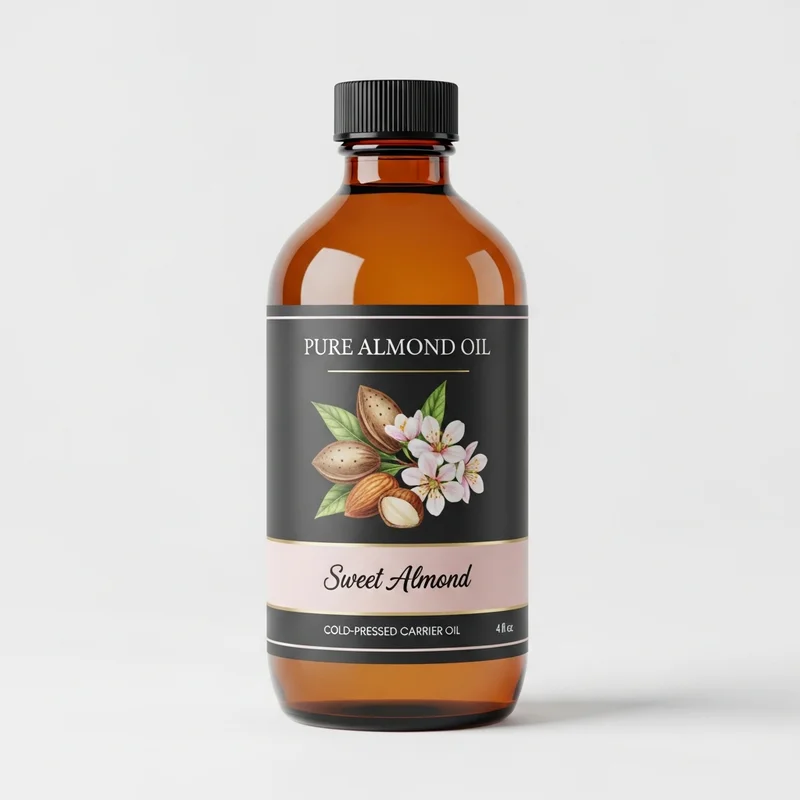
Sweet Almond Oil
Sweet Almond Oil from our own shop, in sizes from 0.5 oz to bulk.
From $8.99
Shop Now →