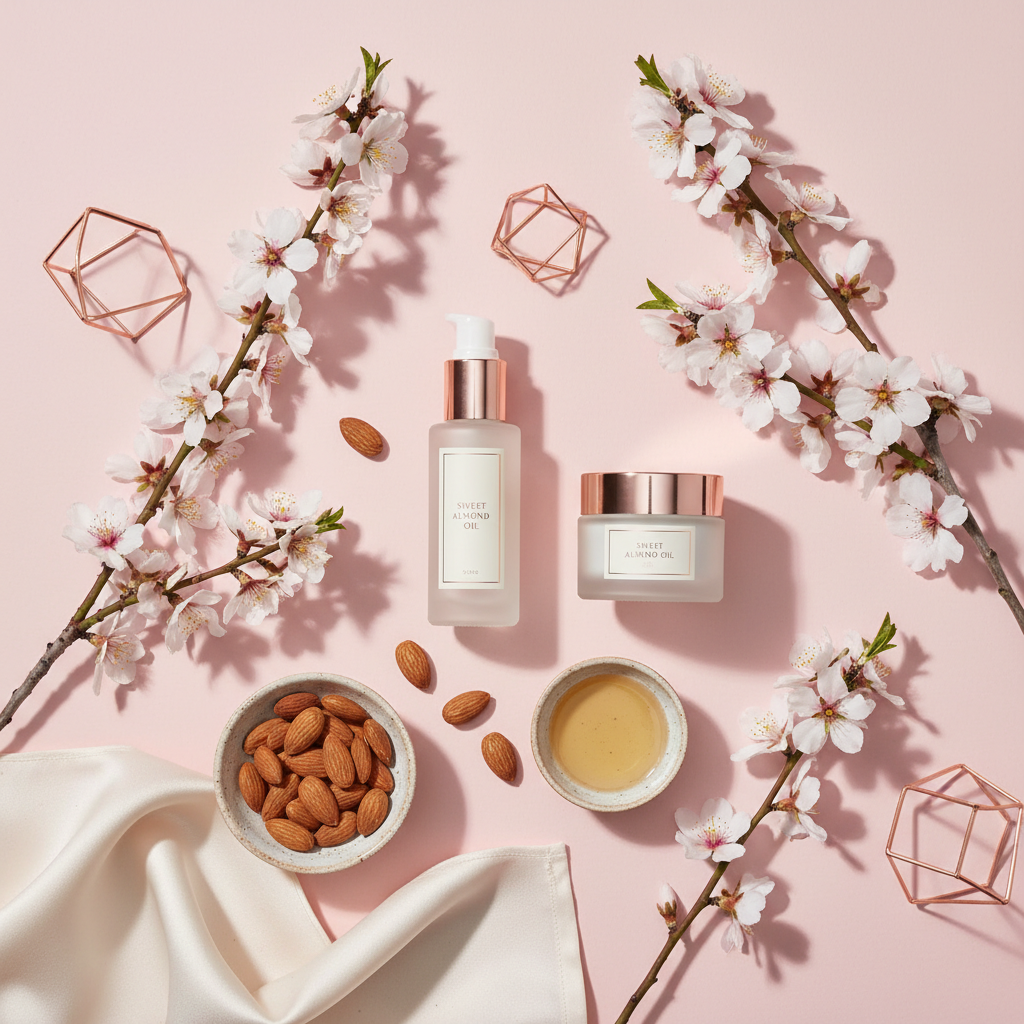
Case Study: A Small Skincare Brand's Journey Using Sweet Almond Oil as a Hero Ingredient
In the competitive world of natural skincare, finding a hero ingredient that resonates with consumers while maintaining product efficacy can make or break a small business. This case study explores the journey of Meadow & Moon Botanicals, a startup skincare brand that built their entire product line around sweet almond oil. Through their three-year journey, we'll examine the challenges, strategic decisions, and outcomes that shaped their approach to almond oil for skin formulations.
The Challenge: Standing Out in a Saturated Market
Founded in 2021 by former marketing executive Sarah Chen, Meadow & Moon Botanicals faced the classic dilemma of countless skincare startups: how to differentiate in an oversaturated market where "natural" and "organic" had become standard claims rather than unique selling propositions.
The initial market research revealed several key challenges:
- Consumer fatigue: Customers were overwhelmed by complex ingredient lists and conflicting product claims
- Trust deficit: Small brands struggled to establish credibility against established competitors
- Price sensitivity: Premium positioning required clear value justification
- Ingredient sourcing: Securing reliable, high-quality raw materials within budget constraints
"I realized that instead of trying to compete with 15-ingredient serums, we needed to go back to basics and master one exceptional ingredient," Chen reflects. "Sweet almond oil kept appearing in my research as this incredibly versatile, gentle ingredient that people had been using for centuries."
The Strategic Approach: Building Around a Single Hero Ingredient
Rather than following the industry trend of complex formulations, Meadow & Moon made the bold decision to center their entire brand around sweet almond oil. This approach required careful consideration of several factors:
Ingredient Research and Sourcing
The team spent six months researching sweet almond oil varieties, processing methods, and supplier options. They discovered that not all almond oils are created equal – factors like extraction method, almond variety, and storage conditions significantly impact the final product quality.
After testing samples from twelve different suppliers, they selected a small family farm in California that produced organic almond oil using traditional cold-pressing methods. This decision would later prove crucial for their brand positioning and product quality consistency.
Product Line Development
The brand launched with just three products, each showcasing sweet almond oil in different applications:
- Pure Sweet Almond Oil: 100% organic, cold-pressed oil in elegant glass packaging
- Nourishing Face Oil Blend: Sweet almond oil with complementary botanical oils
- Body Oil Treatment: Lightweight formulation for daily moisture
"We wanted each product to tell a story about how versatile sweet almond oil could be," explains Chen. "From face to body, pure oil to carefully crafted blends – we were educating customers about this ingredient's potential."
Educational Marketing Strategy
Understanding that many consumers weren't familiar with sweet almond oil's properties, the brand invested heavily in educational content. They created:
- Detailed ingredient spotlights explaining almond oil's traditional uses
- Application tutorials and usage guides
- Sourcing transparency content featuring their California supplier
- Historical context about almond oil in skincare traditions
Implementation Challenges and Solutions
The journey wasn't without obstacles. Several significant challenges emerged during the first year:
Supply Chain Vulnerability
Relying heavily on a single ingredient created supply chain risks. When California experienced drought conditions in 2022, almond prices fluctuated significantly. The brand had to quickly establish relationships with additional suppliers to ensure consistent product availability.
"We learned the importance of supply diversification while maintaining quality standards," Chen notes. "We now work with three certified organic suppliers and maintain strategic inventory levels."
Consumer Education Curve
Many potential customers initially dismissed sweet almond oil as "too simple" compared to more complex skincare products. The brand had to invest considerable time and resources in education, showing how traditional ingredients could deliver modern skincare benefits.
Their solution involved partnering with skincare influencers who appreciated minimalist approaches and creating detailed comparison content that positioned sweet almond oil alongside more recognized ingredients.
Scaling Production Challenges
As demand grew, the brand faced decisions about scaling production while maintaining their artisanal quality standards. They explored bulk almond oil purchasing options but had to carefully balance cost savings with quality control.
Outcomes and Market Response
By the end of their second year, Meadow & Moon had achieved several notable outcomes:
Sales Growth
The brand reported consistent month-over-month growth:
- Year 1: $85,000 in revenue across three products
- Year 2: $340,000 in revenue with expanded distribution
- Year 3 projection: $750,000 with new product launches
Customer Loyalty Metrics
The simple, focused approach resonated with customers:
- 68% repeat purchase rate within six months
- 4.7/5 average product rating across platforms
- 85% of customers reported recommending products to friends
Brand Recognition
The brand's educational approach and quality focus earned recognition:
- Featured in three major beauty publications
- Selected for retail partnerships with 15 specialty stores
- Developed loyal social media following of engaged customers
"What surprised me most was how customers became advocates for sweet almond oil itself, not just our brand. They would share their own research and experiences, creating a community around this ingredient." - Sarah Chen, Founder
Key Learnings and Insights
The Meadow & Moon case study offers several valuable insights for small skincare brands considering ingredient-focused approaches:
1. Simplicity as Differentiation
In a market saturated with complex formulations, simplicity became a powerful differentiator. Customers appreciated understanding exactly what they were applying to their skin and why each ingredient was included.
2. Education Drives Loyalty
Investing in customer education paid dividends in brand loyalty. When customers understood the reasoning behind product formulations, they became more committed to the brand philosophy.
3. Supply Chain Transparency Builds Trust
Sharing the story of their California supplier and production process created emotional connections with customers who valued transparency and sustainable practices.
4. Quality Over Quantity in Product Development
Rather than rushing to expand their product line, focusing on perfecting their initial offerings established a strong foundation for future growth.
5. Community Building Around Ingredients
By positioning themselves as sweet almond oil experts, they created a community of ingredient enthusiasts rather than just product customers.
Challenges and Ongoing Considerations
Despite their success, Meadow & Moon continues to face challenges typical of ingredient-focused brands:
Market Saturation Risk
As sweet almond oil gains popularity, more competitors are incorporating it into their formulations. The brand must continue innovating to maintain their expert positioning.
Seasonal Demand Fluctuations
Body and face oils experience seasonal demand patterns, requiring careful inventory management and marketing strategy adjustments.
Expansion Decisions
The brand faces ongoing decisions about when and how to expand beyond sweet almond oil while maintaining their focused brand identity.
Future Outlook and Applications
Looking ahead, Meadow & Moon plans to deepen their sweet almond oil expertise while selectively expanding their product range. They're exploring:
- Seasonal limited editions featuring different almond varieties
- Professional treatment products for spa partnerships
- Educational workshops and content partnerships
- Sustainable packaging innovations
"Our goal isn't to become the biggest skincare brand, but to become the most trusted name in almond oil skincare," Chen explains. "There's still so much potential in this ingredient that we're only beginning to explore."
Implications for the Industry
The Meadow & Moon case study demonstrates several important trends in the skincare industry:
Consumer Desire for Simplicity: As ingredient lists become increasingly complex, there's growing appreciation for brands that can deliver results with fewer, well-chosen ingredients.
Education as Marketing: Brands that invest in genuinely educating customers about ingredients and applications build stronger, more loyal customer bases than those relying solely on promotional tactics.
Niche Expertise Value: Becoming deeply knowledgeable about specific ingredients can be more valuable than trying to compete across broad product categories.
Transparency Expectations: Modern consumers expect brands to share detailed information about sourcing, processing, and formulation decisions.
Conclusion
The journey of Meadow & Moon Botanicals illustrates how small skincare brands can successfully build around a single hero ingredient. By choosing sweet almond oil as their focus and committing to education, transparency, and quality, they created a sustainable business model that resonates with conscious consumers.
Their experience suggests that success in the crowded skincare market may come not from trying to be everything to everyone, but from becoming the definitive expert in something specific. For sweet almond oil, that expertise translated into customer trust, brand loyalty, and steady growth.
As the natural skincare market continues to evolve, brands like Meadow & Moon demonstrate that sometimes the most innovative approach is to return to time-tested ingredients and present them with modern transparency and education. Their success with sweet almond oil may inspire other small brands to find their own hero ingredients and build authentic, focused businesses around them.