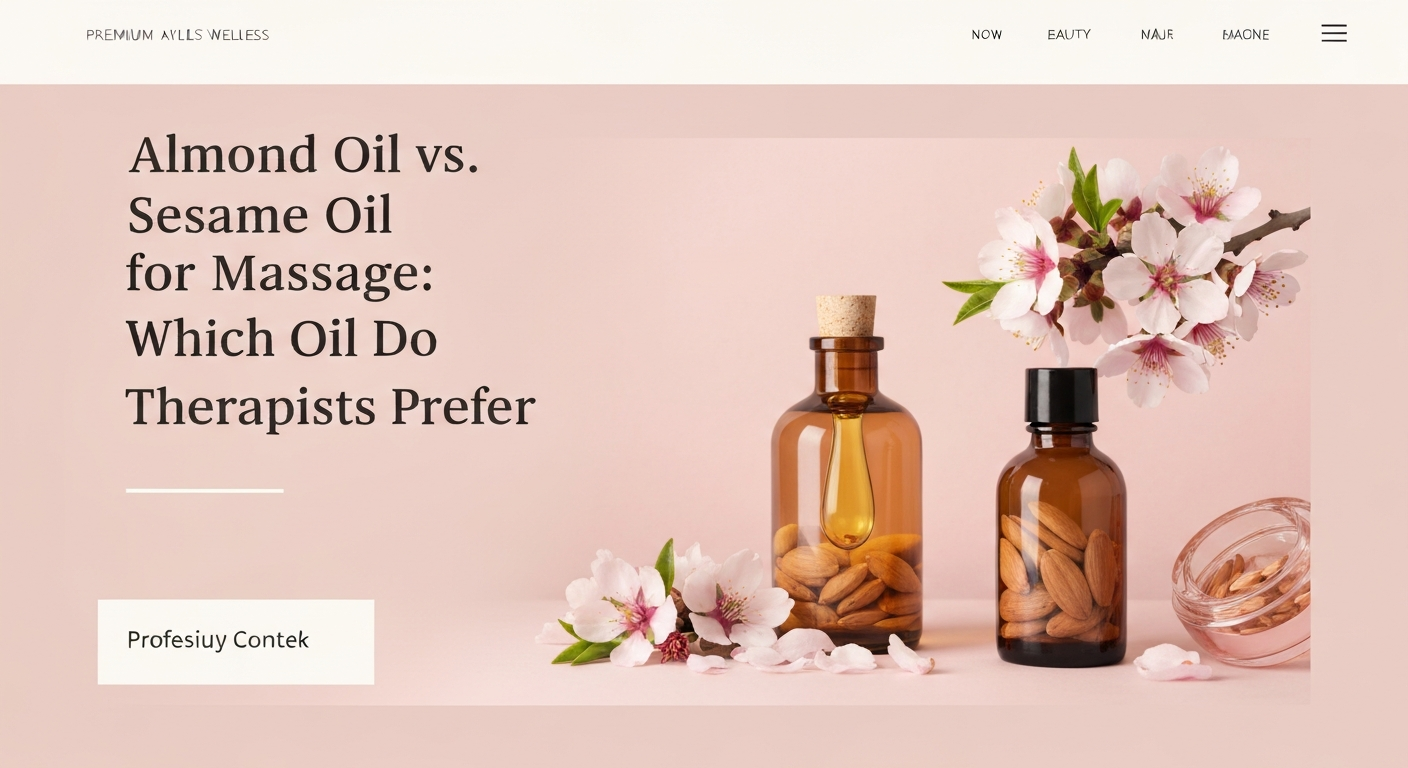
Almond Oil vs. Sesame Oil for Massage: Which Oil Do Therapists Prefer?
When it comes to choosing the perfect massage oil, the debate often comes down to two beloved options: sweet almond oil and sesame oil. Both have earned their place in massage therapy rooms worldwide, but each brings unique qualities to the table. Whether you're a professional massage therapist, wellness enthusiast, or someone looking to enhance your at-home relaxation routine, understanding the differences between these oils can help you make the best choice for your needs.
In this comprehensive comparison, we'll explore everything from texture and absorption to shelf life and cost, giving you the insights you need to decide between almond oil vs sesame oil massage applications.
Understanding the Basics: What Makes Each Oil Special
Sweet Almond Oil: The Gentle Giant
Sweet almond oil has long been considered the gold standard in massage therapy. Extracted from the kernels of sweet almonds (Prunus amygdalus dulcis), this pale yellow oil offers a nearly neutral scent and exceptionally smooth texture. Its popularity in professional settings stems from its gentle nature and broad compatibility with different skin types.
Rich in vitamins E and K, along with essential fatty acids, sweet almond oil provides excellent slip for massage techniques while being gentle enough for sensitive skin. Its light consistency makes it an ideal carrier oil that won't leave clients feeling greasy or uncomfortable.
Sesame Oil: The Ancient Wisdom
Sesame oil, particularly when unrefined, brings thousands of years of traditional use to modern massage therapy. Derived from sesame seeds (Sesamum indicum), this golden oil has been a cornerstone of Ayurvedic practices for centuries. Its slightly nutty aroma and medium consistency offer a different massage experience compared to almond oil.
Sesame oil contains natural antioxidants like sesamol and sesamin, which may contribute to its impressive shelf life. In traditional practices, it's often valued for its warming properties, making it a popular choice for certain massage techniques.
Head-to-Head Comparison: The Complete Breakdown
| Attribute | Sweet Almond Oil | Sesame Oil |
|---|---|---|
| Texture | Light, smooth, non-greasy | Medium consistency, slightly heavier |
| Absorption Rate | Moderate absorption, good slip duration | Slower absorption, longer-lasting lubrication |
| Scent | Nearly odorless, very mild | Nutty, distinctive aroma |
| Color | Pale yellow to clear | Golden yellow to amber |
| Shelf Life | 6-12 months (refrigerated up to 2 years) | 12-24 months (natural antioxidants) |
| Skin Compatibility | Suitable for all skin types, including sensitive | Generally well-tolerated, best for normal to dry skin |
| Cost | Moderate to high | Moderate |
| Traditional Use | Mediterranean and European massage traditions | Ayurvedic and Asian massage practices |
The Pros and Cons: What Therapists Love (and Don't)
Sweet Almond Oil: The Advantages
- Universal Appeal: Its nearly neutral scent makes it suitable for clients who are sensitive to fragrances or prefer unscented products
- Gentle Formula: Rarely causes skin reactions, making it ideal for clients with sensitive skin or allergies
- Perfect Slip: Provides excellent glide for various massage techniques without being too slippery
- Professional Favorite: Widely accepted in spas and massage therapy clinics
- Versatile Base: Works excellently as a carrier oil when therapists want to add essential oils
Sweet Almond Oil: The Drawbacks
- Shorter Shelf Life: Requires careful storage and may need refrigeration for extended use
- Nut Allergy Concerns: Cannot be used on clients with tree nut allergies
- Cost Factor: Generally more expensive than sesame oil
- Absorption Rate: May absorb too quickly for longer massage sessions
Sesame Oil: The Advantages
- Longevity: Longer shelf life due to natural antioxidants means less waste and better value
- Traditional Heritage: Rich history in Ayurvedic practices appeals to clients seeking traditional wellness approaches
- Warming Properties: Many therapists report it feels warming on the skin, which some clients prefer
- Slow Absorption: Provides longer-lasting lubrication for extended massage sessions
- Cost-Effective: Generally more affordable than premium almond oils
Sesame Oil: The Drawbacks
- Distinctive Scent: The nutty aroma may not appeal to all clients
- Heavier Texture: Some clients may find it too heavy or greasy
- Staining Potential: The golden color may stain light-colored linens
- Limited Acceptance: Less commonly used in Western spa settings
Best Use Cases: When to Choose Which Oil
Choose Sweet Almond Oil When:
- Working with Sensitive Skin: Its gentle nature makes it ideal for clients with reactive or delicate skin
- Providing Swedish Massage: The smooth texture and moderate absorption work perfectly for traditional massage techniques
- Blending Essential Oils: Its neutral base won't compete with added aromatherapy oils
- Serving Diverse Clientele: Its universal appeal makes it a safe choice for varied preferences
- Working in Upscale Spas: Its premium reputation aligns with luxury wellness experiences
Choose Sesame Oil When:
- Practicing Ayurvedic Massage: Traditional techniques often call specifically for sesame oil
- Providing Deep Tissue Work: The longer-lasting lubrication supports sustained pressure techniques
- Working with Dry Skin: Its heavier consistency may provide more intensive moisturization
- Offering Traditional Wellness: Clients seeking authentic cultural massage experiences
- Budget-Conscious Operations: Its cost-effectiveness and longevity make it economical for high-volume practices
What Professional Therapists Are Saying
In surveying massage therapy professionals, preferences tend to split based on practice style and clientele. Many Western-trained therapists gravitate toward sweet almond oil for its predictable performance and broad client acceptance. "I can use almond oil with confidence knowing it won't cause reactions or turn off clients with its scent," explains one certified massage therapist with over 15 years of experience.
Conversely, practitioners trained in traditional Eastern techniques often prefer sesame oil. "For Ayurvedic massage, sesame oil isn't just preferred—it's traditional," notes a practitioner specializing in holistic wellness approaches. "The warming quality and longer-lasting lubrication support the deeper, more sustained techniques we use."
Cost-conscious therapists also point to sesame oil's economic advantages. With its longer shelf life and often lower price point, it can be more budget-friendly for practices that perform high volumes of massage.
Storage and Shelf Life Considerations
When comparing almond oil vs sesame oil massage applications, storage requirements play a significant role in professional settings. Sweet almond oil requires more careful handling—ideally stored in cool, dark conditions and potentially refrigerated to extend its 6-12 month shelf life.
Sesame oil's natural antioxidants give it a significant advantage here, with properly stored oil lasting 12-24 months at room temperature. This makes it particularly attractive for smaller practices that may not go through oil inventory as quickly.
The Verdict: Which Should You Choose?
The choice between almond oil and sesame oil ultimately depends on your specific needs, practice style, and clientele preferences. Here's our best massage oil comparison verdict:
Choose Sweet Almond Oil if: You prioritize universal client acceptance, work with sensitive skin frequently, practice primarily Western massage techniques, or operate in upscale spa environments where premium ingredients are expected.
Choose Sesame Oil if: You practice traditional Eastern massage techniques, need longer-lasting lubrication for deep tissue work, operate on tighter budgets, or serve clients who specifically seek traditional wellness experiences.
Many experienced therapists actually keep both oils in their practice, selecting based on the specific client and treatment type. This approach allows for maximum flexibility and ensures you can provide the optimal experience for each individual's needs and preferences.
The Compromise Solution
Can't decide between sesame oil or almond oil for your practice? Consider creating custom blends. Some therapists mix the two oils in varying ratios to achieve desired texture and performance characteristics while balancing cost and shelf life considerations.
Remember, regardless of which oil you choose, always perform patch tests with new clients, maintain proper storage conditions, and consult with clients about any allergies or sensitivities before treatment begins.
Both sweet almond oil and sesame oil have earned their places in the massage therapy world through centuries of use and satisfied clients. The "better" choice is simply the one that aligns best with your practice style, client needs, and professional goals.