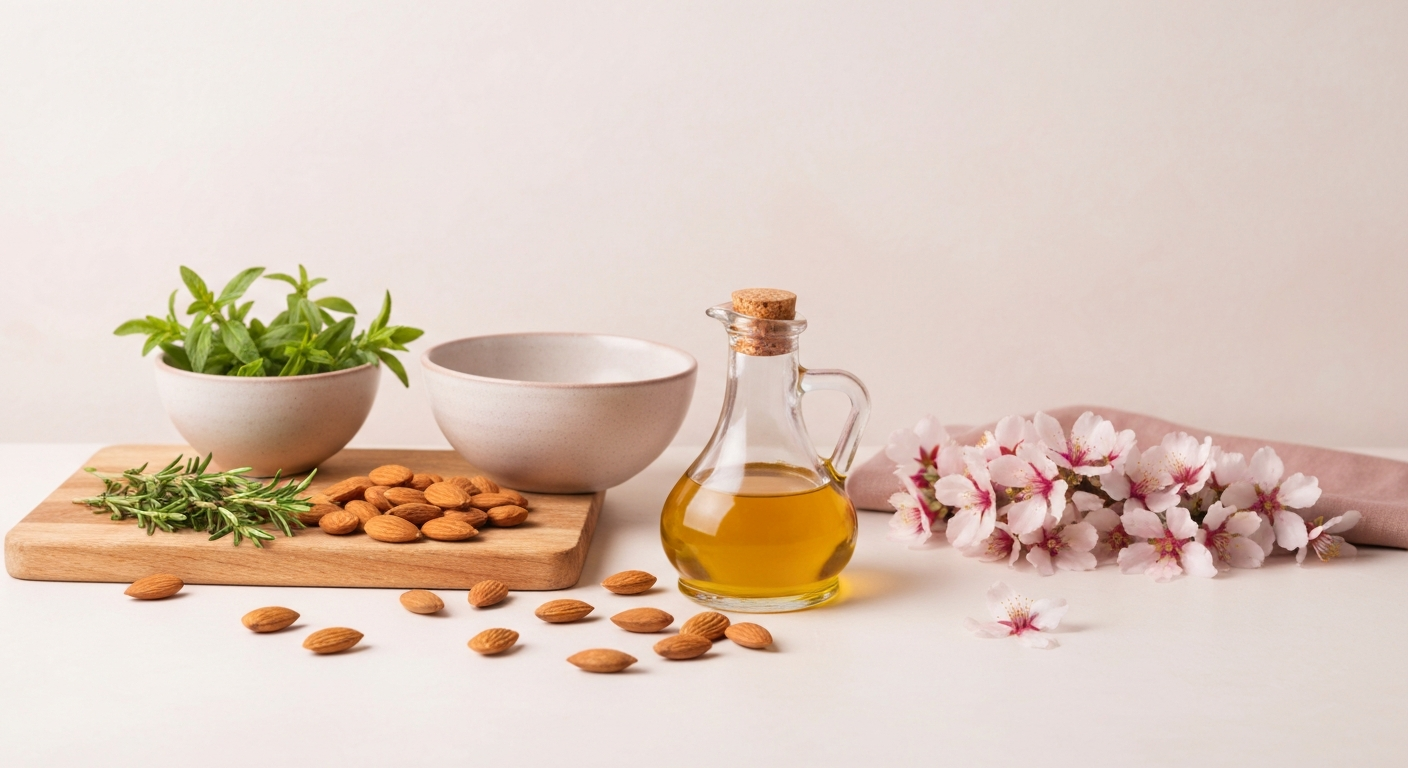
Almond Oil vs Olive Oil for Cooking: Nutritional Comparison
When it comes to choosing the right cooking oil, the debate between almond oil vs olive oil for cooking has become increasingly popular among health-conscious home chefs. Both oils offer unique nutritional profiles and cooking characteristics that may appeal to different culinary needs and preferences.
Understanding the differences between these two oils can help you make informed decisions about which option might work best for your kitchen. Let's explore the nutritional aspects, cooking properties, and practical considerations that set these oils apart.
Understanding Almond Oil: The Sweet Alternative
Sweet almond oil, extracted from pressed almonds, has gained attention as a cooking oil alternative. This pale, golden oil carries a subtle, slightly nutty flavor that many find appealing for various culinary applications.
Nutritional Profile of Almond Oil
Almond oil contains several components that nutrition researchers have studied:
- Monounsaturated fats: Approximately 65-70% of total fat content
- Polyunsaturated fats: Around 20-25% of total fat content
- Saturated fats: Roughly 8-10% of total fat content
- Vitamin E: Natural antioxidant compounds
- Phytosterols: Plant compounds that some research suggests may support heart health
The vitamin E content in almond oil is particularly noteworthy, as this antioxidant may help protect the oil from oxidation during storage and cooking.
Cooking Properties of Almond Oil
When considering almond oil for cooking purposes, several factors come into play:
Smoke Point: Sweet almond oil typically has a smoke point around 430°F (220°C), making it suitable for medium to high-heat cooking methods like sautéing and light frying.
Flavor Impact: The mild, slightly sweet flavor of almond oil tends to complement rather than overpower food, making it versatile for both savory and sweet preparations.
Stability: The oil's composition may help it maintain quality during moderate heating, though like all oils, it's best used within its optimal temperature range.
Olive Oil: The Mediterranean Staple
Olive oil has been a cornerstone of Mediterranean cuisine for thousands of years. Its reputation extends far beyond flavor, with extensive research examining its nutritional components and culinary applications.
Nutritional Profile of Olive Oil
Extra virgin olive oil, the highest quality grade, contains:
- Monounsaturated fats: Approximately 70-75% of total fat content
- Polyunsaturated fats: Around 8-10% of total fat content
- Saturated fats: Roughly 13-15% of total fat content
- Polyphenols: Antioxidant compounds that researchers have studied extensively
- Vitamin E and K: Fat-soluble vitamins
- Squalene: A compound also found naturally in the body
The polyphenol content in extra virgin olive oil has attracted significant research attention, with studies exploring their potential antioxidant properties.
Cooking Properties of Olive Oil
Different grades of olive oil offer varying cooking characteristics:
Extra Virgin Olive Oil: Smoke point around 375°F (190°C), best for low to medium-heat cooking, dressings, and finishing dishes.
Light/Pure Olive Oil: Higher smoke point around 465°F (240°C), more suitable for high-heat cooking methods.
Flavor Profile: Ranges from mild and buttery to robust and peppery, depending on the variety and processing method.
Head-to-Head Nutritional Comparison
When comparing almond oil or olive oil for nutritional content, both oils offer interesting profiles worth examining:
| Nutrient (per tablespoon) | Almond Oil | Olive Oil (Extra Virgin) |
|---|---|---|
| Calories | ~120 | ~120 |
| Total Fat | 14g | 14g |
| Monounsaturated Fat | ~9g | ~10g |
| Polyunsaturated Fat | ~3g | ~1g |
| Saturated Fat | ~1g | ~2g |
| Vitamin E | High | Moderate |
Antioxidant Content Comparison
Both oils contain antioxidant compounds, but in different forms and concentrations:
Almond Oil: Primarily contains vitamin E (tocopherols) as its main antioxidant component. Some research suggests these compounds may help protect against oxidative stress.
Olive Oil: Contains a broader spectrum of antioxidants, including polyphenols like oleuropein and hydroxytyrosol. Studies have examined these compounds extensively, though results vary.
Cooking Applications: Which Oil for What Purpose?
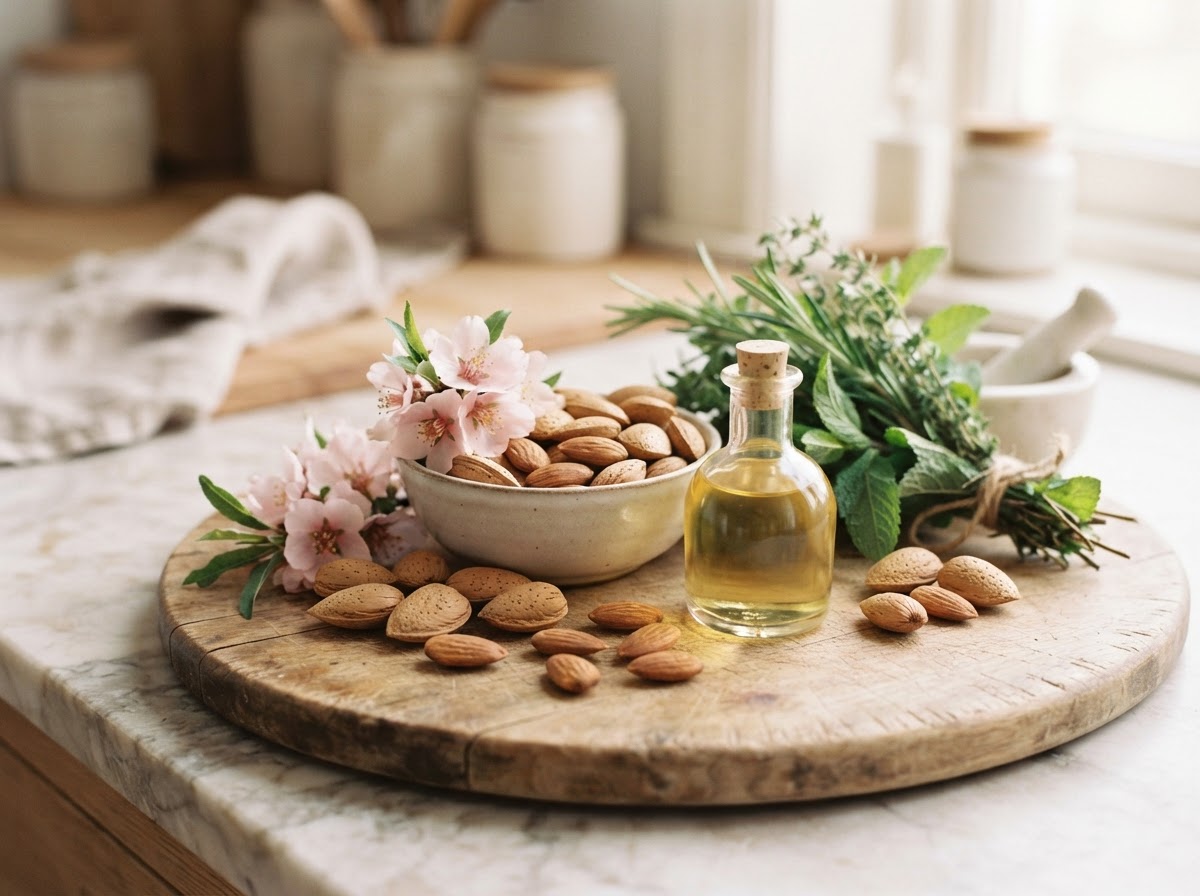
Understanding when to use almond oil vs olive oil for cooking can help you maximize both flavor and nutritional benefits:
Best Uses for Almond Oil
- Baking: The mild flavor works well in cakes, muffins, and sweet breads
- Salad Dressings: Creates smooth, light vinaigrettes
- Sautéing: Good for medium-heat cooking of vegetables and proteins
- Finishing Oil: Adds subtle richness without overwhelming delicate flavors
Best Uses for Olive Oil
- Mediterranean Dishes: Essential for authentic flavors in pasta, vegetables, and grilled foods
- Bread Dipping: Extra virgin varieties shine when used raw
- Roasting: Light olive oil works well for high-heat roasting
- Marinades: Helps carry flavors and may help tenderize proteins
Storage and Shelf Life Considerations
Proper storage affects both the nutritional quality and safety of cooking oils:
Almond Oil Storage
Sweet almond oil typically maintains quality when:
- Stored in a cool, dark place away from heat sources
- Kept in tightly sealed containers to prevent oxidation
- Used within 6-12 months of opening for optimal freshness
- Protected from light, which can degrade vitamin E content
Olive Oil Storage
Olive oil preservation requires similar attention:
- Dark glass bottles or containers help protect from light damage
- Cool storage temperatures help preserve polyphenol content
- Extra virgin varieties are best used within 18-24 months
- Avoiding heat exposure helps maintain flavor and nutritional quality
Cost and Availability Factors
Practical considerations often influence oil selection:
Almond Oil: Generally more expensive than olive oil due to the cost of almonds and extraction methods. Availability may vary by region, though online options have expanded access.
Olive Oil: Wide range of price points available, from budget-friendly to premium options. Readily available in most grocery stores worldwide.
Environmental and Sustainability Considerations
Both almond and olive cultivation have environmental implications worth considering:
Almond Production: Requires significant water resources, with most commercial almonds grown in California's Central Valley. Some producers are exploring more sustainable farming practices.
Olive Production: Generally requires less water than almonds, with many producers embracing organic and sustainable farming methods. Mediterranean climate zones are well-suited to olive cultivation.
Making the Choice: Almond Oil or Olive Oil?
Determining which is the healthier cooking oil depends on several factors:
Consider Almond Oil If You:
- Prefer mild, subtle flavors in your cooking
- Want higher vitamin E content in your oil
- Enjoy baking and need a neutral-tasting oil
- Are looking for alternatives to more common cooking oils
Consider Olive Oil If You:
- Enjoy Mediterranean flavors and cuisine
- Want access to extensively researched antioxidant compounds
- Need versatile oils for various cooking methods
- Prefer widely available, cost-effective options
Safety Considerations and Recommendations
When incorporating any new oil into your cooking routine, consider these important points:
- Start with small amounts to assess tolerance and preference
- Be aware of nut allergies if considering almond oil
- Choose high-quality, properly stored oils from reputable sources
- Consult with healthcare providers about dietary changes, especially if you have specific health conditions
- Remember that moderation is key with all cooking fats and oils
Conclusion: Finding Your Perfect Cooking Oil Balance
The choice between almond oil vs olive oil for cooking doesn't have to be an either-or decision. Both oils offer unique nutritional profiles and cooking characteristics that may complement different aspects of your culinary routine.
Almond oil provides a mild, versatile option with high vitamin E content, while olive oil offers robust flavors and well-researched antioxidant compounds. Your personal taste preferences, cooking style, budget, and nutritional goals should guide your decision.
Consider keeping both oils in your kitchen arsenal – use almond oil for delicate baking and subtle flavoring, and reach for olive oil when you want to add Mediterranean flair or need a more readily available option. This approach allows you to enjoy the potential benefits of both while expanding your culinary horizons.
Remember, the healthiest cooking oil is one that you'll actually use consistently as part of a balanced, varied diet. Focus on choosing high-quality oils, storing them properly, and using them in moderation as part of your overall wellness approach.