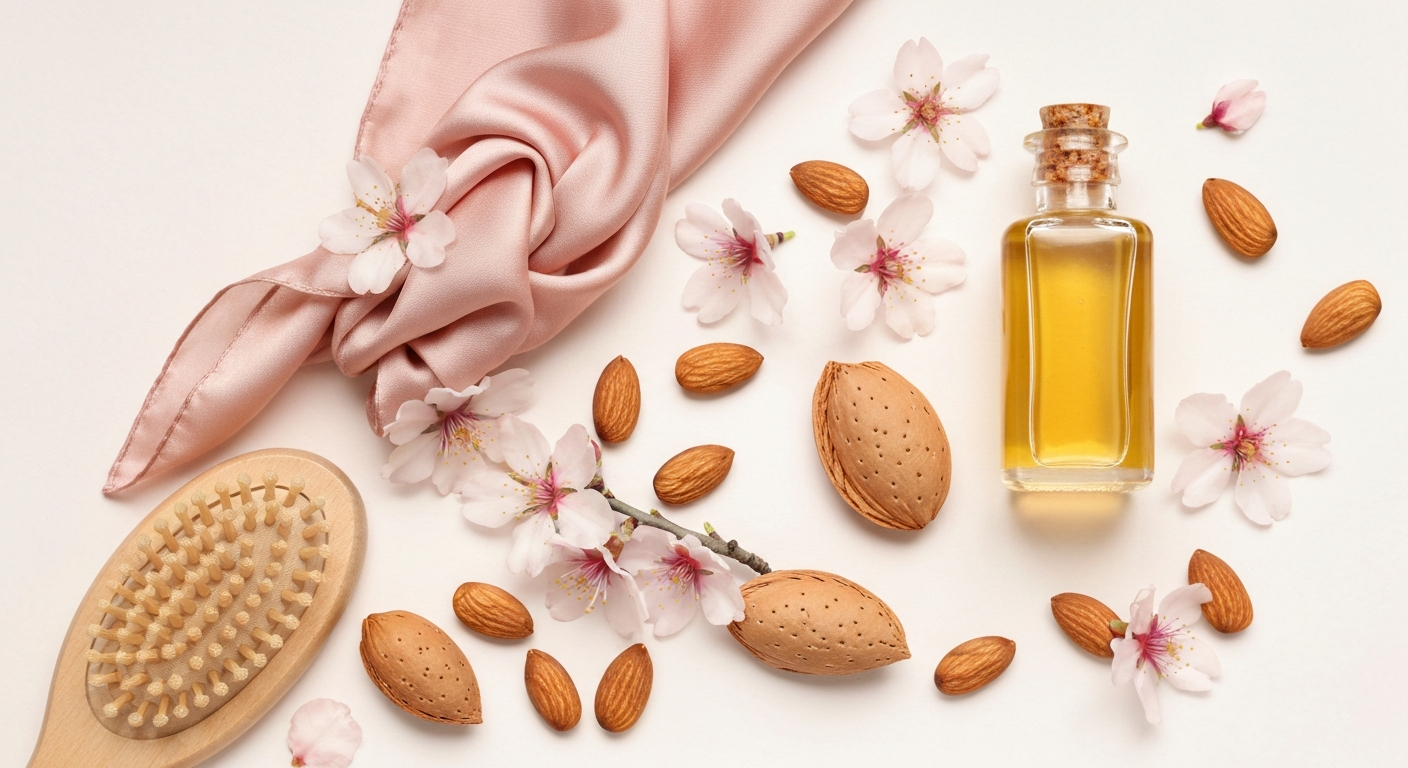
Almond Oil Scalp Massage: A Simple Step-by-Step Routine
There's something deeply satisfying about taking a few minutes to pamper yourself with an almond oil scalp massage. This simple ritual has been cherished across cultures for generations, offering a moment of pure relaxation while nourishing your scalp and hair. Whether you're new to self-massage or looking to refine your technique, this comprehensive guide will walk you through creating the perfect almond oil scalp routine.
Sweet almond oil is particularly beloved for scalp massage due to its lightweight texture and gentle nature. Rich in vitamin E, healthy fats, and minerals, it absorbs beautifully without leaving a heavy residue. Let's explore how to make this luxurious practice part of your regular self-care routine.
Why Choose Almond Oil for Scalp Massage?
Sweet almond oil stands out among carrier oils for several compelling reasons. Its molecular structure allows it to penetrate the hair shaft more effectively than heavier oils, while its naturally mild composition makes it suitable for most scalp types, including sensitive skin.
The oil's lightweight consistency means it won't weigh down fine hair or create that greasy buildup that some oils can leave behind. Many people report that regular almond oil scalp massage helps their hair feel softer and more manageable, though individual results naturally vary.
Traditionally, almond oil has been used in various cultures for hair and scalp care. Some research suggests that the vitamin E content in almond oil may help protect hair from environmental stressors, though more studies are needed to fully understand these potential benefits.
Preparing for Your Almond Oil Scalp Massage
Choosing the Right Almond Oil
Not all almond oils are created equal. For scalp massage, you'll want to select cold-pressed, pure sweet almond oil without any additives or fragrances. Look for oil that's stored in dark glass bottles to protect it from light degradation. The oil should have a very light, nutty scent and a golden color.
Always check the expiration date and store your almond oil in a cool, dark place. Quality oil can last 12-24 months when stored properly, but using it within 6-12 months ensures the best experience.
Essential Supplies
Gather these items before beginning your almond oil scalp routine:
- 2-3 tablespoons of pure sweet almond oil
- A small bowl for warming the oil (optional)
- A wide-tooth comb
- Hair clips or ties to section your hair
- A towel to protect your clothes
- A comfortable chair or space to relax
Timing Considerations
Plan your almond oil scalp massage when you have 20-30 minutes of uninterrupted time. Many people find evening massages particularly relaxing, as the ritual can help transition into rest mode. However, if you prefer morning self-care, that works beautifully too.
Consider scheduling your massage on a day when you're planning to wash your hair, as you'll want to shampoo afterward to remove excess oil. Some people with very dry hair prefer to leave a small amount of oil in overnight, but this depends on your hair type and personal preference.
Step-by-Step Almond Oil Scalp Massage Routine
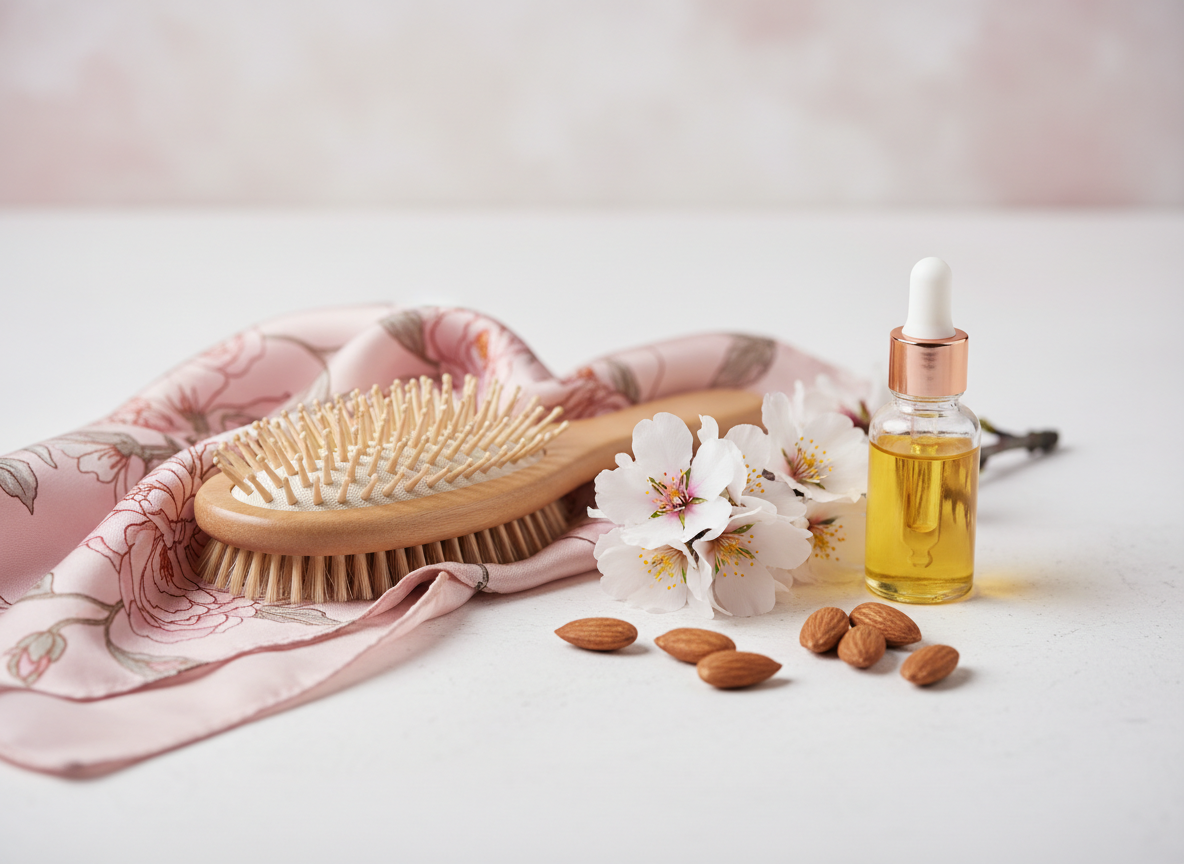
Step 1: Preparation and Sectioning
Start with dry or slightly damp hair – avoid soaking wet hair as this can dilute the oil's effectiveness. Gently detangle your hair using a wide-tooth comb, working from ends to roots to minimize breakage.
If you have long or thick hair, section it into 4-6 parts using clips or ties. This ensures you can access your entire scalp evenly. Don't worry about perfect sections – the goal is simply to make the massage more manageable.
Step 2: Warming the Oil (Optional)
While not necessary, slightly warming your almond oil can enhance the massage experience and help the oil penetrate more easily. Pour 2-3 tablespoons of oil into a small bowl and warm it gently using one of these methods:
- Place the bowl in a larger bowl of warm water for 2-3 minutes
- Rub the oil between your palms to warm it with body heat
- Use a candle warmer on the lowest setting for just a minute or two
Test the temperature on your wrist – it should feel comfortably warm, never hot. Hot oil can damage your scalp and hair.
Step 3: Initial Oil Application
Begin with clean, dry hands and start applying the oil to your scalp. Dip your fingertips into the warm oil and begin at your hairline, working in small sections. The key is to focus on your scalp rather than the length of your hair.
Apply oil systematically: start at the front hairline, move to the temples, work across the crown, and finish at the nape of your neck. Use just enough oil to lightly coat each section – you can always add more if needed.
Step 4: The Massage Technique
Now comes the most relaxing part – the actual massage. Use these techniques for the best experience:
Circular Motions: Using the pads of your fingers (not your nails), make small circular motions across your scalp. Start with gentle pressure and gradually increase to your comfort level. Work systematically across your entire scalp, spending extra time on areas that feel tense.
Pressure Points: Pay special attention to the temples, the base of the skull, and the crown. Many people carry tension in these areas, and gentle massage may help promote relaxation.
Lifting and Kneading: Gently lift sections of your scalp with your fingertips, holding for a few seconds before releasing. This technique can feel particularly satisfying.
Gentle Tugging: Carefully grasp small sections of hair close to the roots and give them a very gentle tug. This shouldn't cause discomfort – if it does, you're pulling too hard.
Step 5: Extended Relaxation
Continue your almond oil scalp massage for 10-15 minutes, allowing yourself to fully relax into the experience. Many people find this time meditative, focusing on the sensation and letting daily stress melt away.
If you prefer, you can extend the treatment by leaving the oil on for an additional 15-30 minutes after massage. During this time, you might read, meditate, or simply rest. Some people wrap their hair in a warm towel during this phase for added relaxation.
Step 6: Hair Length Treatment (Optional)
If your hair tends to be dry, you can work a small amount of the remaining oil through the mid-lengths and ends. Focus on the most damaged areas, typically the oldest parts of your hair. Avoid the roots if your scalp tends to be oily.
Step 7: Post-Massage Rest
After completing your massage, take a few minutes to sit quietly and enjoy the relaxed feeling. This transition time helps maximize the stress-relief benefits of your self-care ritual.
Washing Out the Oil
When you're ready to remove the oil, the shampooing process is crucial for avoiding greasy residue. Here's the most effective approach:
Pre-shampoo preparation: Before wetting your hair, apply shampoo directly to the oiled sections. Work the dry shampoo through your hair with your fingers – this helps emulsify the oil for easier removal.
First wash: Add a small amount of warm water and work the shampoo into a lather. You may need to shampoo twice to completely remove all oil residue.
Final rinse: Use cool water for your final rinse to help seal the hair cuticles and add natural shine.
Customizing Your Routine
Frequency Guidelines
How often you perform an almond oil scalp massage depends on your hair type and personal preferences. Most people find once or twice weekly works well, though some prefer weekly treatments while others enjoy more frequent mini-massages.
Those with very oily scalps might prefer less frequent treatments, while people with dry scalps often benefit from more regular massages. Pay attention to how your scalp and hair respond and adjust accordingly.
Seasonal Adjustments
Consider adapting your routine based on the season. During dry winter months, you might benefit from more frequent treatments or slightly more oil. In humid summer weather, you might prefer lighter application or less frequent sessions.
Adding Essential Oils
Some people enjoy enhancing their almond oil with a few drops of essential oils. If you choose to do this, always dilute properly – no more than 2-3 drops of essential oil per tablespoon of carrier oil. Popular choices include lavender for relaxation or rosemary, which some traditional practices associate with scalp health.
Always patch test any new essential oil combination and avoid essential oils if you're pregnant, nursing, or have sensitive skin without consulting a qualified healthcare provider first.
Troubleshooting Common Issues
Oil Won't Wash Out
If you're struggling to remove oil residue, try the dry shampoo method mentioned above, or use a clarifying shampoo. Some people find that apple cider vinegar diluted in water (1 tablespoon per cup) makes an effective final rinse for removing stubborn oil.
Scalp Sensitivity
If you experience any irritation, discontinue use immediately. While almond oil is generally well-tolerated, anyone with nut allergies should avoid it entirely. Always perform a patch test on a small area of skin before your first full treatment.
Hair Feels Greasy
This usually indicates too much oil was used or it wasn't thoroughly removed during washing. Try using less oil next time and ensure you're shampooing adequately.
Making It a Ritual
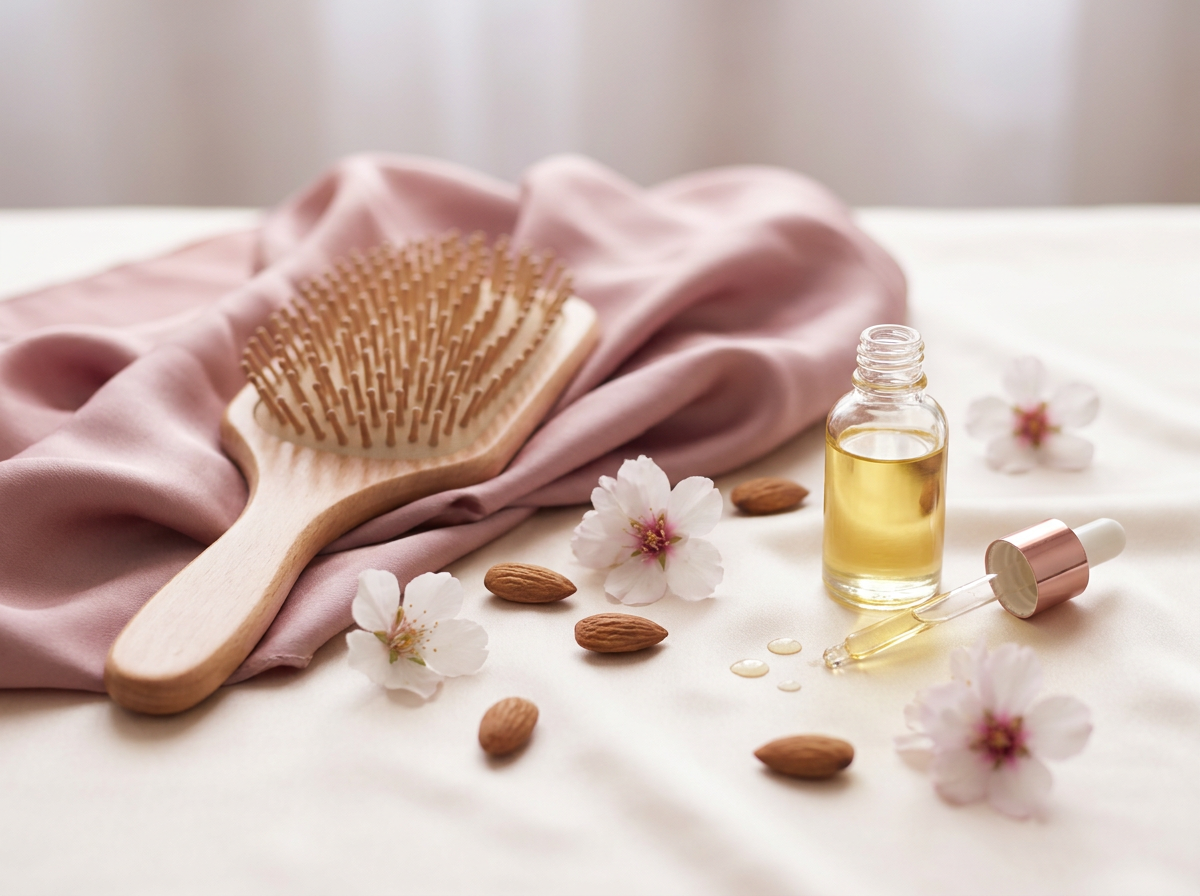
Transform your almond oil scalp massage from a simple hair treatment into a cherished self-care ritual. Consider dimming the lights, playing soft music, or incorporating breathing exercises. Some people enjoy pairing their massage with aromatherapy candles or herbal tea.
The key is consistency and mindfulness. When you approach your scalp massage as dedicated "me time," you'll likely find it becomes something you genuinely look forward to each week.
Safety Considerations
While almond oil scalp massage is generally safe for most people, keep these precautions in mind:
- Avoid almond oil if you have tree nut allergies
- Always patch test new products on a small skin area first
- Use gentle pressure – vigorous massage can irritate the scalp
- Stop immediately if you experience any adverse reactions
- Consult a healthcare provider if you have scalp conditions or concerns
Final Thoughts
An almond oil scalp massage routine offers a wonderful opportunity to slow down and nurture yourself. While the potential hair and scalp benefits are appealing, the immediate reward is often the simple pleasure of taking time for self-care.
Remember that everyone's hair and scalp are different, so don't be afraid to adjust the routine to suit your needs. Whether you have five minutes for a quick massage or thirty minutes for an extended treatment, the most important thing is that you're taking time to care for yourself.
Start with this basic routine and let it evolve as you discover what feels best for your hair, your schedule, and your preferences. With practice, your almond oil scalp massage can become a cherished part of your wellness routine – a simple pleasure that brightens your week and leaves you feeling refreshed and pampered.