Almond Oil Salad Dressing Recipes: 5 Gourmet Variations
If your salad dressing routine has been on autopilot — same bottle of olive oil, same splash of balsamic — it might be time to shake things up. Literally. Almond oil is one of the most underrated pantry upgrades you can make, bringing a delicate, lightly nutty flavor that elevates everything from a simple arugula toss to an elaborate grain bowl. Whether you're a seasoned home cook or just starting to explore gourmet oils, these almond oil salad dressing recipes are about to become your new favorites.
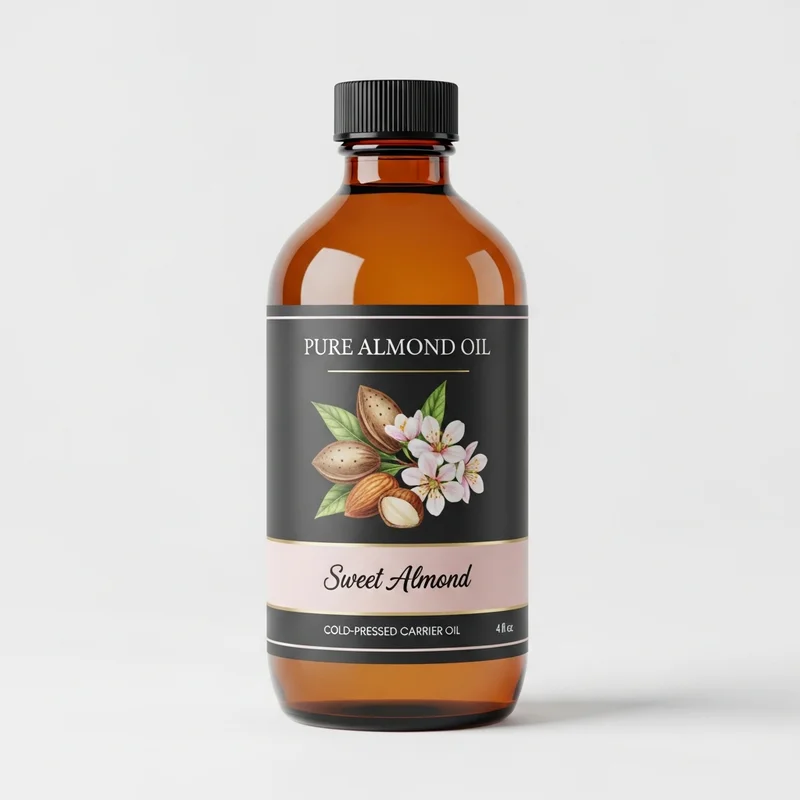
In this guide, we're sharing five beautifully crafted almond oil vinaigrette and dressing variations — each one easy enough for a weeknight but impressive enough for company. We'll also walk you through what makes almond oil such a smart choice in the kitchen, plus tips for storing your homemade creations.
Why Use Almond Oil in Salad Dressings?
Before we dive into the recipes, let's talk about why almond oil deserves a spot in your salad dressing lineup. Sweet almond oil has a smoke point of around 420°F (215°C), but more relevant to dressings is its flavor profile: mildly nutty, clean, and slightly sweet — far more subtle than walnut or sesame oil, and lighter on the palate than olive oil.
Here's what makes it genuinely special for recipes with almond oil:
- Neutral-to-delicate flavor: It complements rather than competes with your other ingredients, letting fresh herbs, citrus, and vinegars shine.
- Smooth texture: Almond oil emulsifies beautifully, creating silky, well-balanced dressings that cling to greens without feeling heavy.
- Versatility: It pairs equally well with bold flavors (miso, Dijon, garlic) and delicate ones (lemon, shallots, fresh tarragon).
- A pleasant finish: Unlike some oils that leave a greasy aftertaste, almond oil finishes clean and bright.
💡 Pro Tip: Look for cold-pressed, pure sweet almond oil for the best culinary flavor. Refined almond oil works well too and has an even more neutral taste — great if you want your dressing's other flavors to be the real stars.
How to Build a Great Almond Oil Vinaigrette: The Basic Ratio
Every great dressing starts with understanding the foundational ratio. The classic vinaigrette formula is 3 parts oil to 1 part acid (vinegar or citrus juice). From there, you layer in emulsifiers (like mustard or honey), aromatics, and seasonings. Almond oil plays beautifully within this framework.
| Component | Role | Almond Oil Pairing Ideas |
|---|---|---|
| Oil (3 parts) | Base, richness, mouthfeel | Sweet almond oil, blended with olive oil |
| Acid (1 part) | Brightness, balance | Lemon juice, champagne vinegar, rice vinegar |
| Emulsifier | Helps oil & acid bind | Dijon mustard, honey, miso paste |
| Aromatics | Depth & character | Shallots, garlic, fresh ginger, herbs |
| Seasoning | Finish | Sea salt, cracked black pepper, a pinch of sugar |
Keep this ratio in your back pocket and you'll never make a flat, boring dressing again. Now, let's get into the good stuff.
Recipe 1: Classic Almond Oil Vinaigrette
Simple, timeless, and endlessly versatile. This is your everyday go-to almond oil vinaigrette — the one you'll make on autopilot within a week.
Ingredients
- 3 tablespoons cold-pressed sweet almond oil
- 1 tablespoon champagne vinegar (or white wine vinegar)
- 1 teaspoon Dijon mustard
- 1 small shallot, finely minced
- ½ teaspoon honey
- Sea salt and freshly cracked black pepper to taste
Instructions
- Combine the vinegar, Dijon mustard, honey, and minced shallot in a small bowl or jar. Whisk or stir well to combine.
- Slowly drizzle in the almond oil while whisking continuously to emulsify.
- Season generously with sea salt and cracked black pepper.
- Taste and adjust — more vinegar for tartness, more honey for sweetness.
- Store in a sealed jar in the refrigerator for up to one week. Shake well before each use.
Best on: Mixed greens, butter lettuce, or a classic Niçoise salad.
Recipe 2: Lemon-Herb Almond Oil Dressing
Bright, herby, and full of sunshine — this dressing is summer in a jar. Fresh lemon and garden herbs pair beautifully with almond oil's gentle nuttiness.
Ingredients
- 3 tablespoons sweet almond oil
- 1½ tablespoons freshly squeezed lemon juice
- 1 teaspoon lemon zest
- 1 tablespoon fresh flat-leaf parsley, finely chopped
- 1 tablespoon fresh chives, finely chopped
- 1 small garlic clove, grated or pressed
- ½ teaspoon sea salt
- Pinch of white pepper
Instructions
- In a small bowl, combine lemon juice, lemon zest, garlic, salt, and white pepper. Stir to mix.
- Whisk in almond oil gradually until the dressing comes together.
- Fold in the fresh parsley and chives just before serving (adding them too early can dull their color).
- Use immediately for the freshest flavor, or refrigerate for up to three days.
Best on: Shaved fennel and citrus salads, roasted asparagus, or a simple cucumber-tomato salad.
Recipe 3: Honey-Miso Almond Oil Dressing
This is the dressing that will make your friends ask, "What IS that?" Umami-rich white miso, sweet honey, and rice vinegar come together with almond oil to create something deeply savory, slightly sweet, and completely addictive. This might just be our favorite recipe with almond oil in the entire lineup.
Ingredients
- 3 tablespoons sweet almond oil
- 1 tablespoon white (shiro) miso paste
- 1 tablespoon rice vinegar
- 1 teaspoon honey or maple syrup
- 1 teaspoon fresh ginger, grated
- 1–2 teaspoons warm water (to thin, as needed)
- Sesame seeds for garnish (optional)
Instructions
- Whisk together the miso paste, rice vinegar, honey, and grated ginger in a bowl until smooth. The miso can be stubborn — take your time here.
- Slowly drizzle in the almond oil while whisking to emulsify.
- If the dressing is too thick, add warm water one teaspoon at a time until you reach your preferred consistency.
- Taste and adjust seasoning. The miso is already quite salty, so taste before adding any extra salt.
- Refrigerate in a sealed container for up to five days. The flavors deepen beautifully overnight.
Best on: Roasted broccoli, shredded cabbage slaws, grain bowls with edamame and avocado, or kale salads.
Recipe 4: Raspberry Almond Oil Vinaigrette
Fruity, tangy, and just the right amount of sweet — this vibrant almond oil vinaigrette turns any salad into something special-occasion worthy. The raspberry and almond combination is a natural match (think: frangipane, but for your greens).
Ingredients
- 3 tablespoons sweet almond oil
- 1 tablespoon raspberry vinegar
- 1 tablespoon fresh or thawed frozen raspberries, mashed
- 1 teaspoon Dijon mustard
- 1 teaspoon honey
- Pinch of sea salt
- Freshly cracked black pepper
Instructions
- Mash the raspberries through a fine mesh strainer to remove seeds, collecting the smooth purée below.
- Combine the raspberry purée, raspberry vinegar, Dijon, and honey in a jar. Shake or whisk to combine.
- Add the almond oil and emulsify by whisking briskly or sealing the jar and shaking vigorously for 30 seconds.
- Season with salt and pepper. Taste — if it's too tart, add a touch more honey.
- Refrigerate for up to four days. The color is stunning; give it a proud little shake before serving.
Best on: Spinach salads with goat cheese and candied walnuts, duck confit salads, or a simple strawberry-arugula combination.
Recipe 5: Toasted Almond & Tarragon Dressing
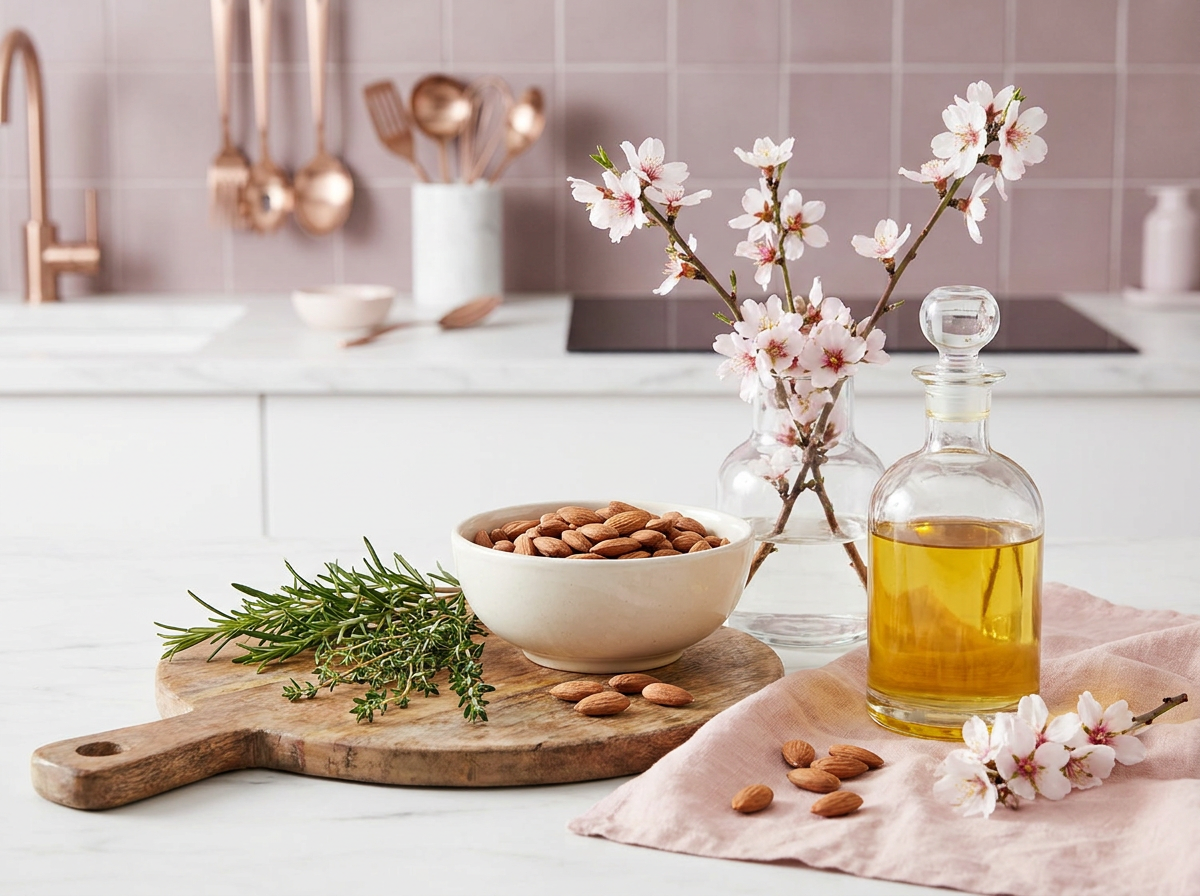
For the home cook who loves a little French bistro energy, this sophisticated dressing pairs the anise-like warmth of fresh tarragon with toasted almond slivers and almond oil for a fully layered, deeply nutty experience. It's the most complex of the five, and absolutely worth every step.
Ingredients
- 3 tablespoons sweet almond oil
- 1 tablespoon white wine vinegar
- 1 tablespoon fresh tarragon leaves, finely chopped
- 2 tablespoons toasted almond slivers (for garnish and texture)
- 1 teaspoon whole-grain mustard
- ½ teaspoon honey
- 1 small shallot, finely minced
- Sea salt and white pepper to taste
Instructions
- Toast your almond slivers in a dry skillet over medium heat for 2–3 minutes, stirring frequently, until golden and fragrant. Set aside to cool.
- In a small bowl, whisk together the white wine vinegar, whole-grain mustard, honey, and shallot.
- Drizzle in almond oil while whisking to create an emulsion.
- Stir in the fresh tarragon. Season with sea salt and white pepper.
- Spoon over your salad and scatter the toasted almonds on top for crunch and visual wow-factor.
- This dressing is best used within 2 days while the tarragon is at its brightest.
Best on: Roasted beet and endive salads, green bean salads, or a composed French-style plate with hard-boiled eggs and charcuterie.
Storage Tips for Homemade Almond Oil Dressings
Getting the most out of your homemade almond oil salad dressing comes down to a few simple storage habits:
- Use a sealed glass jar: Mason jars or recycled jam jars are ideal. Glass doesn't absorb odors and makes shaking easy.
- Refrigerate promptly: All five of these dressings should be stored in the refrigerator. Almond oil can become rancid if left at room temperature for extended periods, especially once combined with fresh ingredients.
- Allow to come to room temperature: Cold temperatures can cause the oil to solidify slightly — totally normal. Simply let the jar sit on the counter for 5–10 minutes before serving, then shake well.
- Label with a date: These dressings are fresh and don't contain preservatives. Use within the timeframes noted in each recipe.
- Watch for off smells: If a dressing smells sour or rancid, discard it. Fresh is always best.
Choosing the Right Almond Oil for Cooking
Not all almond oils are created equal, and the one you choose will meaningfully affect the flavor of your dressings. Here's a quick breakdown:
| Type | Flavor | Best For |
|---|---|---|
| Cold-pressed, unrefined sweet almond oil | Nutty, delicate, slightly sweet | Recipes where almond flavor is a feature |
| Refined sweet almond oil | Very neutral, clean | Recipes where other flavors should lead |
| Toasted almond oil | Bold, rich, deeply nutty | Asian-inspired dressings, finishing drizzles |
For most of the recipes above, cold-pressed sweet almond oil is the recommendation — but feel free to experiment based on your flavor preferences.
Frequently Asked Questions
Can I substitute almond oil for olive oil in any vinaigrette?
Absolutely, and it's a fun experiment. Because almond oil is milder and lighter than olive oil, it tends to let the other flavors in your dressing take center stage. If a recipe calls for extra-virgin olive oil and you want something less assertive, almond oil is an excellent swap.
Is almond oil good for cooking beyond salad dressings?
Yes! Almond oil is used in baking, light sautéing, and as a finishing oil drizzled over pasta or roasted vegetables. It's a wonderfully versatile pantry staple for those who enjoy exploring recipes with almond oil across different cooking applications.
Does almond oil go rancid quickly?
Like most delicate oils, almond oil is best stored in a cool, dark place and used within six months of opening. Keep it away from heat and light to maintain freshness. Always check the scent before using — fresh almond oil smells pleasantly nutty, never sharp or sour.
Can people with tree nut allergies use almond oil?
This is an important question, and the answer requires caution. Almond oil is derived from almonds, which are classified as tree nuts. Anyone with a known nut allergy should consult their healthcare provider before consuming or using almond oil in any form. Always seek qualified medical guidance for allergy-related concerns.
Final Thoughts: Make Your Salads Extraordinary
There's something quietly luxurious about a homemade almond oil salad dressing. It takes less than five minutes to shake together, costs a fraction of gourmet store-bought versions, and tastes genuinely special. Whether you gravitate toward the clean simplicity of the Classic Vinaigrette, the umami depth of the Honey-Miso, or the bistro elegance of the Toasted Almond & Tarragon, each of these five recipes brings something distinct to the table.
Almond oil rewards creativity. Once you're comfortable with these five variations, consider them a launching pad — swap in different vinegars, play with spices, or add a swirl of tahini. The foundation of a beautifully balanced almond oil vinaigrette gives you endless room to make it your own.
Happy whisking — and even happier eating. 🌿