
Almond Oil Pulling: Can It Replace Coconut Oil for Oral Health?
If your social feed has spent any time on wellness content in the last few years, you've probably seen someone swishing oil around their mouth first thing in the morning. Coconut oil has been the star of that particular ritual for a while now, prized for its pleasant taste and solid-to-liquid texture. But sweet almond oil is quietly making a case for itself as an alternative, and a lot of people want to know: does almond oil pulling actually hold up, or is coconut oil simply not replaceable?
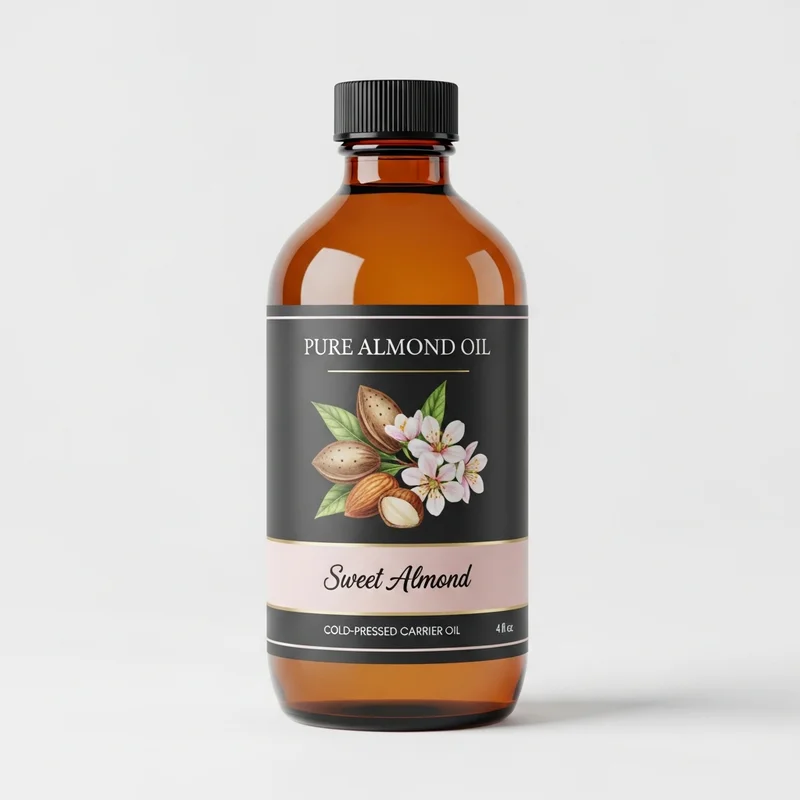
Let's walk through what oil pulling is, why coconut oil became the default choice, and what switching to almond oil might mean for your morning routine.
What Is Oil Pulling, Anyway?
Oil pulling is a simple practice with roots in traditional Ayurvedic routines: you swish a spoonful of oil around your mouth for several minutes, then spit it out. Practitioners have used sesame oil, sunflower oil, coconut oil, and other plant oils for this purpose long before it became a wellness trend.
The appeal is straightforward. It's low cost, low effort, and easy to fold into a morning routine right alongside brushing. Many people describe it as part of a broader self-care ritual rather than a stand-in for their usual oral hygiene habits, and that's a helpful way to frame it. Oil pulling is best thought of as a complementary step, not a substitute for brushing, flossing, or seeing your dentist regularly.
Why Coconut Oil Became the Go-To
Coconut oil's rise as the default oil-pulling ingredient makes sense from a sensory standpoint. It's solid at room temperature, melts quickly in the mouth, and has a mild, faintly sweet flavor that a lot of people find easier to tolerate than more neutral oils. Some research has looked at lauric acid, a fatty acid that makes up a large share of coconut oil's composition, and its properties have drawn interest from researchers studying oral care ingredients generally. That said, the research on oil pulling itself is still limited and mostly small in scale, so it's worth approaching any claims about it with a healthy dose of skepticism rather than treating it as a settled matter.
Coconut oil's popularity is also partly cultural. It rode the broader coconut oil wave that swept through beauty and wellness circles, and oil pulling got carried along with it.
Enter Sweet Almond Oil
Sweet almond oil has a long history in skin and hair care, prized for its light texture and mild, nutty scent. It's rich in vitamin E and oleic acid, and it's a staple in a lot of beauty cabinets already. So it's not a huge leap that people curious about oil pulling almond oil are asking whether the same qualities that make it nice on skin might translate to the mouth.
Here's the honest answer: there isn't a meaningful body of research specifically on almond oil for teeth or gums in the way there is (even in a limited sense) for coconut or sesame oil. Anecdotal evidence and traditional use suggest some people find almond oil pleasant to work with for pulling, largely because of its texture and neutral taste, but that's a different thing from scientific proof of any specific outcome. If you're drawn to almond oil pulling, it's reasonable to think of it as an experiential choice, one oil among several traditional options, rather than a upgrade backed by hard data.
Nutrient Snapshot: Almond Oil vs. Coconut Oil
| Quality | Sweet Almond Oil | Coconut Oil |
|---|---|---|
| Texture at room temperature | Liquid | Solid, melts quickly in the mouth |
| Dominant fatty acid | Oleic acid | Lauric acid |
| Notable nutrient | Vitamin E | Medium-chain fatty acids |
| Flavor profile | Mild, faintly nutty | Mild, faintly sweet |
| Traditional oil-pulling use | Less documented | Widely documented |
How to Try Almond Oil Pulling
If you want to give it a go, the process is nearly identical to coconut oil pulling. Here's a simple version to start with:
- Choose a raw, unrefined sweet almond oil, ideally cold-pressed and labeled specifically for culinary or cosmetic use.
- Take about one tablespoon and swish it gently around your mouth, pulling it between your teeth, for 10 to 15 minutes. If that feels like a lot at first, even a few minutes is a reasonable place to begin.
- Spit the oil into a trash can rather than the sink, since oil can build up in pipes over time.
- Rinse your mouth with warm water, then follow your normal brushing routine.
- Do this on an empty stomach, most people find first thing in the morning easiest to remember.
A quick note on consistency: like most wellness rituals, any impressions people report from oil pulling tend to come from doing it regularly over weeks, not from a single session. Give it time before deciding whether it's a keeper.
Almond Oil vs. Coconut Oil: Side-by-Side
| Almond Oil Pulling | Coconut Oil Pulling | |
|---|---|---|
| Ease of use | Liquid, ready to swish immediately | Needs a moment to soften or melt |
| Taste tolerance | Neutral, well liked by many first-timers | Mild and sweet, also well tolerated |
| Traditional backing | Newer to this specific use | Longstanding, more widely referenced |
| Shelf stability | Best stored cool, away from light | Naturally shelf-stable at room temperature |
| Availability | Common in beauty aisles and grocery stores | Widely available, often already in the pantry |
Neither oil comes out as a clear scientific winner here, mostly because oil pulling as a whole hasn't been studied enough to make confident comparisons. If you already keep almond oil around for your skin or hair routine, trying it for pulling is a low-risk way to see if you prefer it. If coconut oil is working for you and you enjoy it, there's no strong reason rooted in evidence to switch.
Safety Notes Before You Start
A few practical points worth keeping in mind:
- Patch test first. If you have a known nut allergy or sensitivity, sweet almond oil is not the right choice for you, even used only in the mouth. Choose a different oil entirely and check with an allergist if you're unsure.
- Don't swallow the oil. By the end of a pulling session, the oil has picked up saliva and debris from your mouth, so spit it out rather than swallowing.
- Keep up your regular routine. Oil pulling is not a substitute for brushing twice a day, flossing, or regular dental checkups.
- Watch for jaw fatigue. Fifteen minutes of swishing can tire out your jaw muscles if you're new to it. Start shorter and work up.
- Talk to your dentist or a qualified healthcare provider before adding any new routine if you have existing dental work, sensitive gums, or any ongoing concerns about your mouth. They can tell you whether oil pulling makes sense alongside your specific situation.
Frequently Asked Questions
Is almond oil pulling as effective as coconut oil pulling?
There isn't enough research on either oil, specifically for pulling, to say one is more effective than the other. Both are traditional practices with more anecdotal support than clinical evidence, so this really comes down to personal preference and tolerance.
Can I mix almond oil with other oils for pulling?
Some people blend almond oil with a drop of peppermint or another food-safe flavoring oil for a fresher taste. If you try this, use only oils labeled safe for oral use and keep any additions minimal.
How often should I do oil pulling?
Many people who practice oil pulling do it daily, typically in the morning before eating. There's no established standard frequency, so starting a few times a week and adjusting based on how it fits your routine is a reasonable approach.
Will almond oil pulling whiten my teeth?
Any impressions of a brighter smile people report after oil pulling are anecdotal. There's no reliable evidence that oil pulling with almond oil, or any oil, changes tooth color in a meaningful way.
The Bottom Line
Almond oil pulling is a reasonable, low-cost variation on a very old practice, and it's worth trying if the texture and scent of sweet almond oil appeal to you more than coconut oil does. Just go in with realistic expectations: this is a wellness ritual with a long tradition behind it, not a scientifically validated oral care solution, and it works best as one small piece of a routine that still includes brushing, flossing, and regular visits to your dentist.