Almond Oil for Baby Care: A Parent's Complete Guide to Safe, Natural Infant Skincare
Key Takeaways
- Sweet almond oil is traditionally considered one of the gentler natural oils for baby skincare
- Always perform a patch test and consult your pediatrician before introducing any new products
- Pure, cold-pressed sweet almond oil without additives is generally preferred for infant use
- Proper application techniques and quality sourcing are essential for safe usage
- Monitor for any signs of sensitivity and discontinue use if reactions occur
Table of Contents
- Understanding Sweet Almond Oil for Babies
- Safety Considerations and Precautions
- Potential Benefits for Baby's Delicate Skin
- Choosing the Right Almond Oil for Your Baby
- Safe Application Techniques and Methods
- Baby Massage with Almond Oil
- Addressing Common Concerns and Questions
- Expert Recommendations and Best Practices
As a new parent, you want nothing but the best for your precious little one's delicate skin. With so many baby care products flooding the market, many parents are turning to natural alternatives like sweet almond oil for their infant skincare routines. This comprehensive guide will walk you through everything you need to know about using almond oil for baby care safely and effectively.
Sweet almond oil has been traditionally used in many cultures for centuries as a gentle moisturizer for both adults and children. However, when it comes to your baby's sensitive skin, understanding proper usage, safety considerations, and quality selection becomes paramount. Let's explore this natural approach to baby skincare together.
Understanding Sweet Almond Oil for Babies
Before diving into application methods, it's crucial to understand what makes sweet almond oil for babies a popular choice among parents seeking natural skincare solutions.
What is Sweet Almond Oil?
Sweet almond oil is derived from the kernels of sweet almonds (Prunus amygdalus dulcis) through a cold-pressing process. Unlike bitter almond oil, which contains compounds that make it unsuitable for topical use, sweet almond oil is generally considered gentler and more appropriate for skincare applications.
The oil contains various naturally occurring compounds including:
- Vitamin E (tocopherol)
- Monounsaturated fats
- Polyunsaturated fats
- Proteins
- Zinc
- Potassium
Why Parents Choose Almond Oil
Many parents gravitate toward almond oil for several reasons:
Lightweight Texture: Unlike some heavier oils, sweet almond oil has a relatively light consistency that may absorb more readily into the skin without leaving a greasy residue.
Mild Scent: Pure sweet almond oil typically has a very subtle, nutty aroma that doesn't overpower sensitive babies who might be sensitive to strong fragrances.
Traditional Use: The oil has been traditionally used across various cultures for gentle skin care, particularly in infant massage practices.
Versatility: Parents report using it for various purposes, from moisturizing dry patches to massage applications.
Safety Considerations and Precautions
When considering is almond oil safe for babies, several important safety factors must be addressed before introducing any new product to your infant's skincare routine.
Allergy Considerations
The most critical safety concern involves potential nut allergies. While sweet almond oil is processed and refined, it's derived from tree nuts, which are among the most common allergens.
Important Safety Steps:
- Consult your pediatrician before first use
- Perform a patch test on a small skin area
- Wait 24-48 hours to observe any reactions
- Be especially cautious if there's a family history of nut allergies
- Learn more about specific allergy considerations
Age-Appropriate Usage
Different age groups may have varying sensitivities:
Newborns (0-4 weeks): Extra caution is recommended for newborns, as their skin barrier is still developing. Always consult with your healthcare provider.
Infants (1-12 months): Most parents who use almond oil begin after the first month, following pediatric approval and successful patch testing.
Toddlers (12+ months): Older babies typically have more developed skin barriers, but individual sensitivities still vary.
Quality and Purity Standards
For baby use, quality becomes even more critical:
| Quality Factor | What to Look For | Why It Matters |
|---|---|---|
| Processing Method | Cold-pressed, unrefined | Preserves natural compounds, avoids chemical processing |
| Purity | 100% pure, no additives | Eliminates unnecessary chemicals or fragrances |
| Packaging | Dark glass bottle | Protects oil from light degradation |
| Testing | Third-party tested | Ensures purity and absence of contaminants |
Signs to Watch For
Monitor your baby for any of these signs that may suggest sensitivity:
- Redness or irritation at application site
- Unusual fussiness after application
- Changes in skin texture
- Any rash or bumps
- Excessive dryness or flaking
If any of these occur, discontinue use immediately and consult your pediatrician.
Potential Benefits for Baby's Delicate Skin

Understanding what parents and traditional practices report about almond oil can help you make informed decisions about your baby's skincare routine.
Moisturizing Properties
Many parents report that sweet almond oil may help support their baby's skin moisture levels. The oil's natural composition includes emollient properties that some research suggests may help maintain skin hydration.
Traditionally reported benefits include:
- May help maintain skin softness
- Could support the natural skin barrier
- Parents often report improved skin texture
- May be particularly helpful for babies with naturally drier skin
Gentle Cleansing Support
Some parents use diluted almond oil as part of their gentle cleansing routine, particularly for removing natural buildup around the diaper area or helping with cradle cap concerns.
Massage Benefits
The practice of almond oil baby massage has been traditionally valued for:
- Promoting bonding between parent and child
- May help support relaxation
- Could contribute to better sleep patterns
- Traditional practices suggest it may promote circulation
- May help with muscle development through gentle massage
Versatility in Baby Care
Parents often appreciate almond oil's versatility for various baby care needs:
Diaper Area Care: Some parents use it as a protective barrier, though proper dilution and pediatric approval are essential.
Dry Skin Support: May be particularly helpful during winter months when indoor heating can contribute to skin dryness.
Post-Bath Moisturizing: Many parents incorporate it into their post-bath routine to help seal in moisture.
Choosing the Right Almond Oil for Your Baby
Selecting the appropriate almond oil for your baby requires careful consideration of several factors. Not all oils are created equal, and when it comes to your precious little one, quality should be your top priority.
Types of Almond Oil
Sweet vs. Bitter Almond Oil: Always choose sweet almond oil for baby applications. Bitter almond oil contains compounds that make it inappropriate for skincare use, especially for infants.
Processing Methods:
- Cold-Pressed: This method preserves more natural nutrients and is generally preferred for baby use
- Expeller-Pressed: Uses mechanical pressure and heat, which may reduce some beneficial compounds
- Solvent-Extracted: Uses chemical solvents and is not recommended for baby skincare
Quality Indicators
When shopping for the best almond oil for babies, look for these quality markers:
Organic Certification: While not mandatory, organic certification may indicate stricter quality controls and absence of pesticides.
Color and Consistency: High-quality sweet almond oil should be:
- Pale yellow to colorless
- Light to medium viscosity
- Free from cloudiness or particles
- Subtle, nutty aroma (not rancid or overly strong)
Packaging Considerations:
- Dark glass bottles protect from light exposure
- Tight-sealing caps prevent oxidation
- Smaller bottles ensure freshness for occasional use
- Clear labeling with ingredient lists and processing information
Reading Labels Effectively
Understanding product labels helps ensure you're getting pure, safe oil:
Ingredient List: The best oils for babies should list "Prunus Amygdalus Dulcis (Sweet Almond) Oil" as the only ingredient.
Avoid These Additives:
- Synthetic fragrances
- Preservatives (unless specifically baby-formulated)
- Colorants
- Other carrier oils (for pure almond oil)
- Essential oils
Storage and Shelf Life
Proper storage extends oil quality and safety:
- Store in a cool, dry place away from direct sunlight
- Keep tightly sealed between uses
- Use within 6-12 months of opening
- Check for rancidity signs: off-odor, thick consistency, or skin irritation
Safe Application Techniques and Methods
Proper application techniques are crucial for safe and effective use of almond oil in your baby's skincare routine. Understanding the right methods helps maximize potential benefits while minimizing any risks.
Preparation Steps
Before Each Use:
- Wash your hands thoroughly with soap and warm water
- Ensure your baby is clean and dry
- Check the oil temperature (should be room temperature or slightly warm)
- Have clean towels ready
- Choose a comfortable, warm environment
Application Methods
Light Moisturizing Application:
- Use only a few drops for each area
- Warm the oil between your palms first
- Apply with gentle, circular motions
- Focus on naturally drier areas like elbows and knees
- Avoid over-application to prevent clogged pores
Post-Bath Application:
- Apply to slightly damp skin to help seal in moisture
- Use within 3 minutes of bathing for optimal results
- Pay special attention to areas prone to dryness
- Allow oil to absorb before dressing
Areas of Application
Recommended Areas:
- Arms and legs
- Back and chest
- Dry patches (with pediatric approval)
- Areas prone to chafing
Areas to Avoid:
- Face (unless specifically recommended by pediatrician)
- Around eyes and mouth
- Diaper area (without professional guidance)
- Any area with broken or irritated skin
- Hands (babies often put hands in mouth)
Frequency Guidelines
Most parents who use almond oil find that less frequent application works better:
| Age Group | Suggested Frequency | Notes |
|---|---|---|
| 0-3 months | 2-3 times per week | Start slowly, monitor closely |
| 3-6 months | 3-4 times per week | Can increase if well-tolerated |
| 6+ months | Daily if needed | Based on skin condition and tolerance |
Amount Guidelines
Using the right amount prevents waste and reduces the risk of over-moisturizing:
- For legs: 2-3 drops total
- For arms: 1-2 drops total
- For back: 3-4 drops
- For chest: 2-3 drops
Remember: Start with less and add more if needed. It's easier to add oil than to remove excess.
Baby Massage with Almond Oil

The practice of almond oil baby massage combines the traditional benefits of infant massage with the moisturizing properties that parents report from almond oil. This ancient practice has been valued across cultures for promoting bonding and may support your baby's overall well-being.
Benefits of Baby Massage
Research and traditional practices suggest that regular baby massage may offer several benefits:
Bonding and Emotional Connection:
- Promotes skin-to-skin contact
- May help strengthen parent-child attachment
- Could contribute to emotional security
- Provides dedicated one-on-one time
Physical Development:
- May support healthy circulation
- Could promote muscle development
- Traditional practices suggest improved flexibility
- May help with coordination development
Sleep and Relaxation:
- Many parents report improved sleep patterns
- May help promote relaxation
- Could reduce fussiness in some babies
- May support natural sleep-wake cycles
Basic Massage Techniques
For detailed techniques, refer to our comprehensive guide on almond oil baby massage techniques. Here are fundamental approaches:
Preparation:
- Choose a warm, quiet environment
- Ensure your baby is alert but calm
- Warm the oil slightly (test temperature on your wrist)
- Start with clean hands and fresh oil
- Begin with gentle talking or humming
Basic Strokes:
Legs and Feet:
- Start with long, gentle strokes from thigh to ankle
- Use circular motions around joints
- Gently massage each toe
- Apply light pressure with thumbs on soles
Arms and Hands:
- Begin at shoulders, stroke down to wrists
- Gentle circular motions at elbows
- Light massage of palms (if baby allows)
- Avoid hands if baby frequently puts them in mouth
Back:
- Long strokes from neck to bottom
- Gentle circular motions along spine sides
- Light strokes across shoulders
- Always support baby properly during back massage
Timing and Duration
Best Times for Massage:
- After bath time (when baby is relaxed)
- Before feeding (but not when baby is very hungry)
- During alert, calm periods
- As part of bedtime routine
Duration Guidelines:
- Newborns: 5-10 minutes
- 3-6 months: 10-15 minutes
- 6+ months: 15-20 minutes
Always follow your baby's cues. If they seem uncomfortable or fussy, stop and try again later.
Safety During Massage
Important Safety Considerations:
- Never massage if baby has fever or illness
- Avoid recent vaccination sites
- Stop if baby shows signs of discomfort
- Keep sessions short initially
- Always support baby's head and neck properly
- Never leave baby unattended with oil
Reading Baby's Cues
Positive Signs:
- Relaxed body posture
- Calm breathing
- Eye contact and smiling
- Quiet, alert state
Signs to Stop:
- Crying or fussiness
- Tense muscles
- Turning away
- Arching back
- Pushing away with hands or feet
Addressing Common Concerns and Questions
As parents explore using almond oil for their babies, several common questions and concerns naturally arise. Addressing these helps ensure safe, confident usage.
Allergy-Related Concerns
"My family has nut allergies. Is almond oil safe?"
This is one of the most important safety considerations. If there's any family history of nut allergies, consult your pediatrician before using almond oil. Some considerations include:
- Tree nut allergies can vary in severity
- Topical exposure may differ from ingestion
- Individual sensitivities vary
- Professional medical guidance is essential
- Alternative oils may be recommended
For more detailed information, review our guide on almond oil allergy concerns.
"How can I test for sensitivity?"
Patch testing is crucial:
- Apply a small amount to baby's inner arm
- Wait 24-48 hours
- Check for redness, irritation, or other reactions
- If any reaction occurs, discontinue use
- Consult pediatrician about alternatives
Quality and Storage Questions
"How do I know if my almond oil has gone bad?"
Signs of rancid or degraded oil include:
- Strong, unpleasant odor (different from mild nutty scent)
- Thick, sticky consistency
- Cloudy appearance
- Any visible particles or separation
- Skin irritation upon application
"Can I use cooking almond oil?"
While cooking-grade almond oil might be pure, oils specifically formulated for skincare often undergo additional quality controls. For baby use, consider:
- Skincare-grade oils may have stricter purity standards
- Different processing methods
- Packaging designed for skincare use
- Testing for skincare-specific contaminants
Application Concerns
"My baby's skin feels greasy after application. Is this normal?"
Excessive greasiness may indicate:
- Using too much oil
- Oil not absorbing properly
- Individual skin characteristics
- Need for different application technique
Try using less oil and allowing more time for absorption.
"Can I use almond oil on newborn skin?"
Newborn skin has special considerations:
- Skin barrier is still developing
- Higher risk of sensitivity
- Pediatric consultation is particularly important
- Start with minimal amounts if approved
- Monitor closely for any reactions
Effectiveness Questions
"How long before I see results?"
Parents typically report noticing changes in skin texture within:
- Immediate: Increased softness after application
- 1-2 weeks: Improved overall skin texture
- 2-4 weeks: Potential reduction in dry patches
- Results vary significantly between babies
"Is almond oil better than commercial baby lotions?"
This depends on individual needs and preferences:
Potential advantages of almond oil:
- Single ingredient (if pure)
- No synthetic additives
- Traditional use history
- Versatility for massage
Potential advantages of commercial baby products:
- Specifically formulated for babies
- Extensive safety testing
- Consistent quality control
- Pediatric recommendations
Integration with Other Products
"Can I use almond oil with other baby care products?"
When combining products:
- Introduce one new product at a time
- Allow time between different applications
- Monitor for any interactions
- Consult pediatrician about product combinations
- Consider spacing applications throughout the day
"Should I stop using baby lotion if I start using almond oil?"
This decision should be based on:
- Your baby's individual needs
- Pediatric recommendations
- How well each product works for your baby
- Any skin conditions requiring specific care
Expert Recommendations and Best Practices
Drawing from pediatric guidance, traditional practices, and parent experiences, here are comprehensive best practices for using almond oil in baby care.
Pediatric Consultation Guidelines
When to Consult Your Pediatrician:
- Before first use of any new skincare product
- If your baby has any existing skin conditions
- If there's a family history of allergies
- If you notice any skin changes after use
- When considering use for specific concerns (like cradle cap)
- If integrating with prescribed treatments
Questions to Ask Your Healthcare Provider:
- "Is almond oil appropriate for my baby's specific needs?"
- "How often should I apply it?"
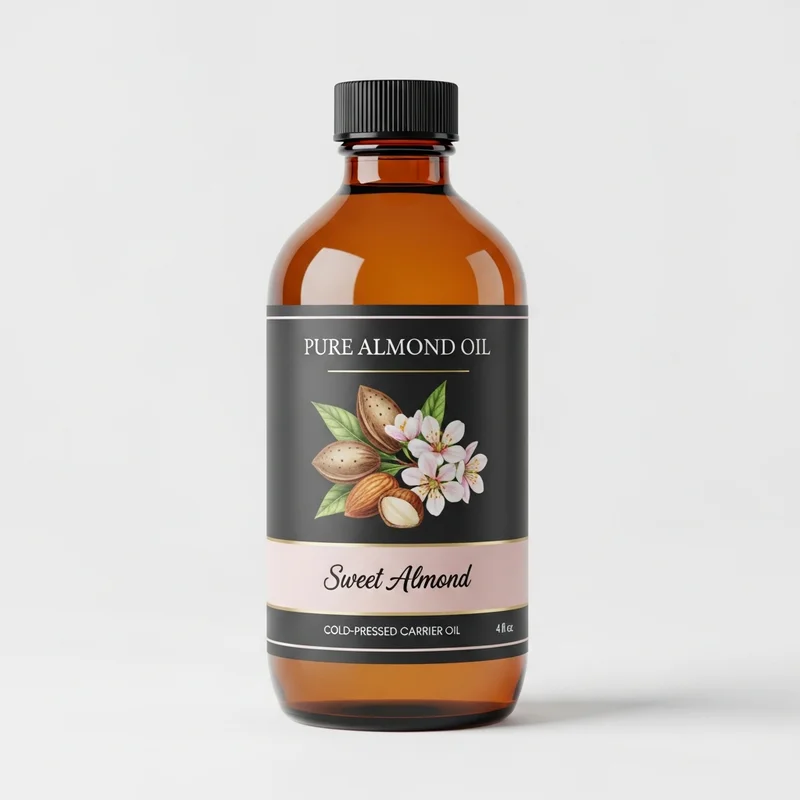
Sweet Almond Oil
Sweet Almond Oil from our own shop, in sizes from 0.5 oz to bulk.
From $8.99
Shop Now →