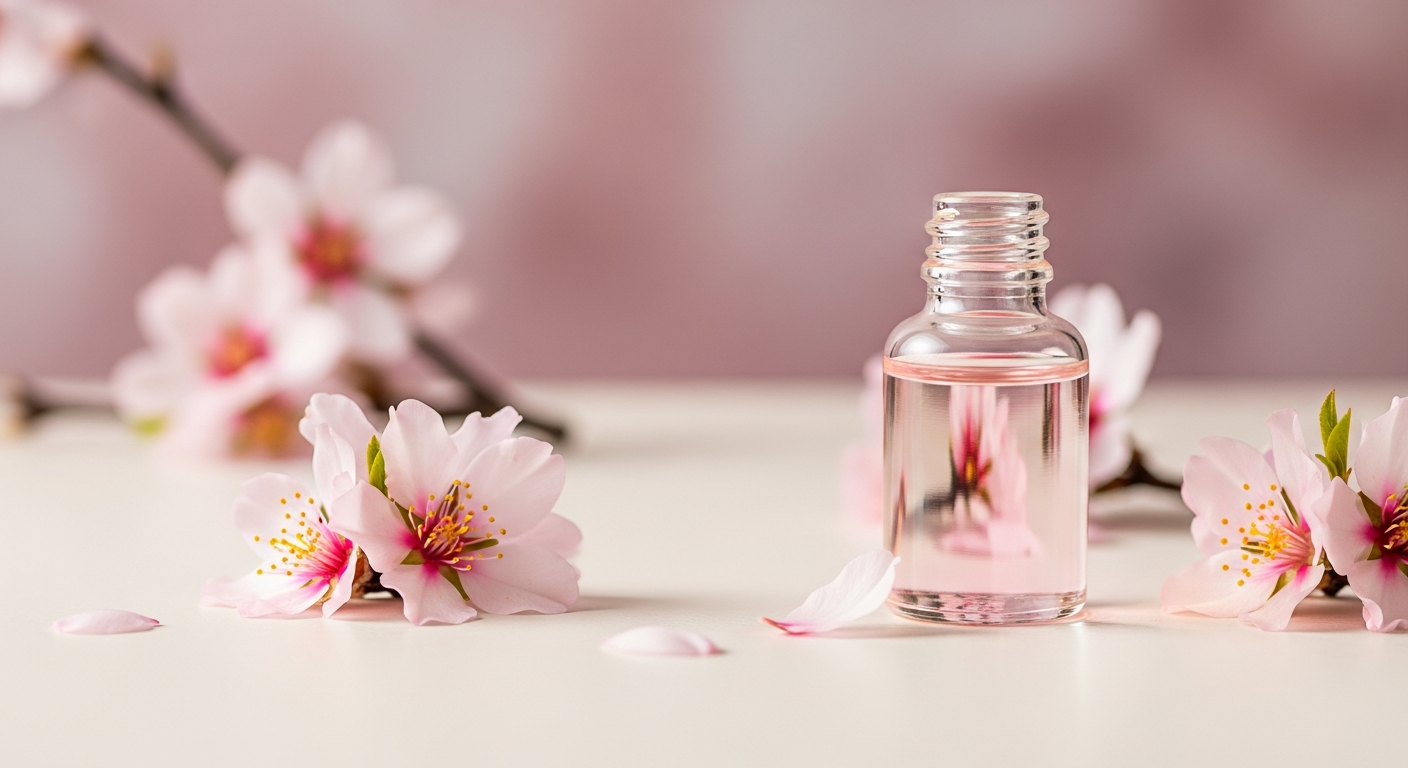
Almond Oil FAQ: 25 Common Questions About Sweet Almond Oil Answered
Curious about sweet almond oil? You're not alone! This golden beauty oil has captured the attention of skincare enthusiasts and hair care lovers worldwide. Whether you're a complete beginner or looking to deepen your knowledge, we've compiled the most frequently asked questions about sweet almond oil to help guide your wellness journey.
What Is Sweet Almond Oil?
1. What exactly is sweet almond oil?
Sweet almond oil is a carrier oil extracted from the kernels of sweet almonds (Prunus amygdalus var. dulcis). Unlike bitter almond oil, sweet almond oil is gentle and widely used in cosmetic applications. It's typically extracted through cold-pressing or expeller-pressing methods to preserve its natural properties and nutrients.
2. How is sweet almond oil different from bitter almond oil?
Sweet almond oil comes from edible almonds and is safe for topical use, while bitter almond oil is extracted from a different variety of almond tree and contains compounds that make it unsuitable for direct skin application. Sweet almond oil has a mild, nutty scent and light texture, making it popular in beauty routines.
3. Is sweet almond oil the same as regular almond oil?
When people refer to "almond oil" in beauty contexts, they're typically talking about sweet almond oil. However, it's always best to check product labels to ensure you're getting sweet almond oil specifically. Our comprehensive sweet almond oil guide can help you understand the differences and benefits.
Uses and Applications
4. What can I use sweet almond oil for?
Sweet almond oil is traditionally used as a moisturizer for skin and hair, massage oil, makeup remover, and ingredient in DIY beauty recipes. Many people incorporate it into their daily skincare routines or use it as a lightweight hair treatment. Its versatility makes it a popular choice for those seeking natural beauty alternatives.
5. Can I use almond oil on my face?
Many people use sweet almond oil as a facial moisturizer, particularly those with dry or sensitive skin types. However, since it's a relatively heavy oil, some individuals with oily or acne-prone skin may find it too rich. Always perform a patch test first and consider consulting with a skincare professional if you have specific concerns.
6. Is almond oil good for hair?
Sweet almond oil is traditionally used in hair care routines to add moisture and shine to dry or damaged hair. Some people apply it as a pre-shampoo treatment or use small amounts on hair ends. For detailed information about incorporating almond oil into your hair routine, check out our guide on almond oil for hair growth.
7. Can I use almond oil as a makeup remover?
Yes, many people use sweet almond oil as a gentle makeup remover, particularly for eye makeup. Its oily consistency may help dissolve makeup while being gentler than some commercial removers. Always follow up with your regular cleanser and remove thoroughly to avoid clogged pores.
Safety and Skin Compatibility
8. Is almond oil safe for sensitive skin?
Sweet almond oil is generally considered gentle and is often well-tolerated by people with sensitive skin. However, individual reactions can vary, so it's important to perform a patch test before widespread use. If you have known tree nut allergies, consult with a healthcare provider before using almond oil topically.
9. Can people with nut allergies use almond oil on their skin?
This is a complex question that depends on the individual and the severity of their allergy. While some people with nut allergies may tolerate topically applied almond oil, others may experience reactions. Anyone with known nut allergies should consult with their healthcare provider before using almond oil products.
10. Will almond oil clog my pores?
Sweet almond oil has a comedogenic rating of 2 on a scale of 0-5, meaning it has a low to moderate likelihood of clogging pores. However, everyone's skin is different, and what works for one person may not work for another. Start with small amounts and monitor how your skin responds.
Quality and Selection
11. What should I look for when buying almond oil?
Look for cold-pressed, unrefined sweet almond oil from reputable suppliers. The oil should be stored in dark glass bottles to protect it from light, and it should have a mild, nutty scent without any rancid odors. Organic certification can also indicate higher quality standards.
12. What's the difference between refined and unrefined almond oil?
Unrefined almond oil retains more of its natural nutrients and has a stronger almond scent, while refined oil has been processed to remove impurities and has a lighter color and milder scent. Both types can be effective, but many people prefer unrefined for its more natural state.
13. How can I tell if my almond oil has gone bad?
Fresh almond oil should have a light golden color and mild, pleasant nutty scent. Signs that it may have gone rancid include a sharp, unpleasant odor, darker color, or thick, sticky texture. Rancid oil can irritate skin, so it's best to replace it if you notice these changes.
Storage and Shelf Life
14. How should I store almond oil?
Store sweet almond oil in a cool, dark place away from direct sunlight and heat sources. A bathroom cabinet or bedroom dresser typically works well. Keep the bottle tightly sealed when not in use, and consider refrigerating it if you live in a very warm climate to extend its shelf life.
15. How long does almond oil last?
Properly stored sweet almond oil typically has a shelf life of 6-12 months once opened, and up to 2 years if unopened. However, this can vary depending on storage conditions and the quality of the oil. Always check for signs of rancidity before use, regardless of the expiration date.
16. Does almond oil need to be refrigerated?
Refrigeration isn't necessary for almond oil, but it can help extend its shelf life, especially in warm climates. If you choose to refrigerate it, the oil may become slightly thicker but will return to its normal consistency at room temperature.
Application and Usage Tips
17. How much almond oil should I use?
A little goes a long way with almond oil. For facial use, start with just 2-3 drops and gradually increase if needed. For body application, start with a small amount and add more as necessary. The key is to use enough to provide moisture without leaving a greasy residue.
18. When is the best time to apply almond oil?
Many people prefer to apply almond oil to slightly damp skin after showering or washing, as this can help lock in moisture. For hair treatments, some apply it before shampooing, while others use it on damp hair after washing. Experiment to find what works best for your routine.
19. Can I mix almond oil with other oils?
Yes, sweet almond oil blends well with other carrier oils like jojoba, argan, or coconut oil. You can also add a few drops of essential oils for fragrance, but always follow proper dilution ratios and perform patch tests when creating custom blends.
20. Should I dilute almond oil before using it?
Sweet almond oil is already a carrier oil and is typically gentle enough to use undiluted on most people's skin. However, if you're adding essential oils to it, proper dilution is crucial for safety. For DIY recipes, research appropriate ratios and always patch test new combinations.
Common Concerns and Misconceptions
21. Is almond oil too heavy for oily skin?
While almond oil is considered moderately heavy, some people with oily skin find that using a small amount can actually help balance their skin's oil production. The key is to start with tiny amounts and see how your skin responds. Those with very oily skin might prefer lighter oils like jojoba or grapeseed.
22. Can almond oil cause breakouts?
Like any skincare product, almond oil can potentially cause breakouts in some individuals, particularly if overused or if you're sensitive to it. This is why patch testing and gradual introduction into your routine are important steps before regular use.
23. Does almond oil absorb well into the skin?
Almond oil has moderate absorption rates - it's not as quickly absorbing as some lighter oils, but it doesn't sit on the skin as heavily as some thicker oils. Proper application technique, such as applying to slightly damp skin and using appropriate amounts, can improve absorption.
Special Considerations
24. Can I use almond oil during pregnancy?
Many people use sweet almond oil topically during pregnancy for skin moisturizing, and it's generally considered gentle. However, pregnant individuals should always consult with their healthcare provider before introducing new products into their routine, especially if they have any known allergies or sensitivities.
25. Is there anyone who shouldn't use almond oil?
People with tree nut allergies should exercise caution and consult healthcare providers before using almond oil. Additionally, those with very acne-prone skin might want to patch test carefully or consider lighter alternatives. When in doubt, consulting with a dermatologist or qualified healthcare provider is always wise.
Making the Most of Your Almond Oil Journey
Sweet almond oil can be a wonderful addition to many people's beauty routines when used thoughtfully and safely. Remember that everyone's skin and hair are unique, so what works for others may need adjustment for your individual needs. Start slowly, listen to your skin, and don't hesitate to consult with skincare professionals when needed.
For more detailed information about incorporating almond oil into your routine, explore our comprehensive resources on almond oil for skin care and discover the many ways this versatile oil might fit into your wellness journey.
Disclaimer: This information is for educational purposes only and is not intended to diagnose, treat, cure, or prevent any disease. Always consult with a qualified healthcare provider before making changes to your skincare routine, especially if you have allergies, medical conditions, or are pregnant or nursing.