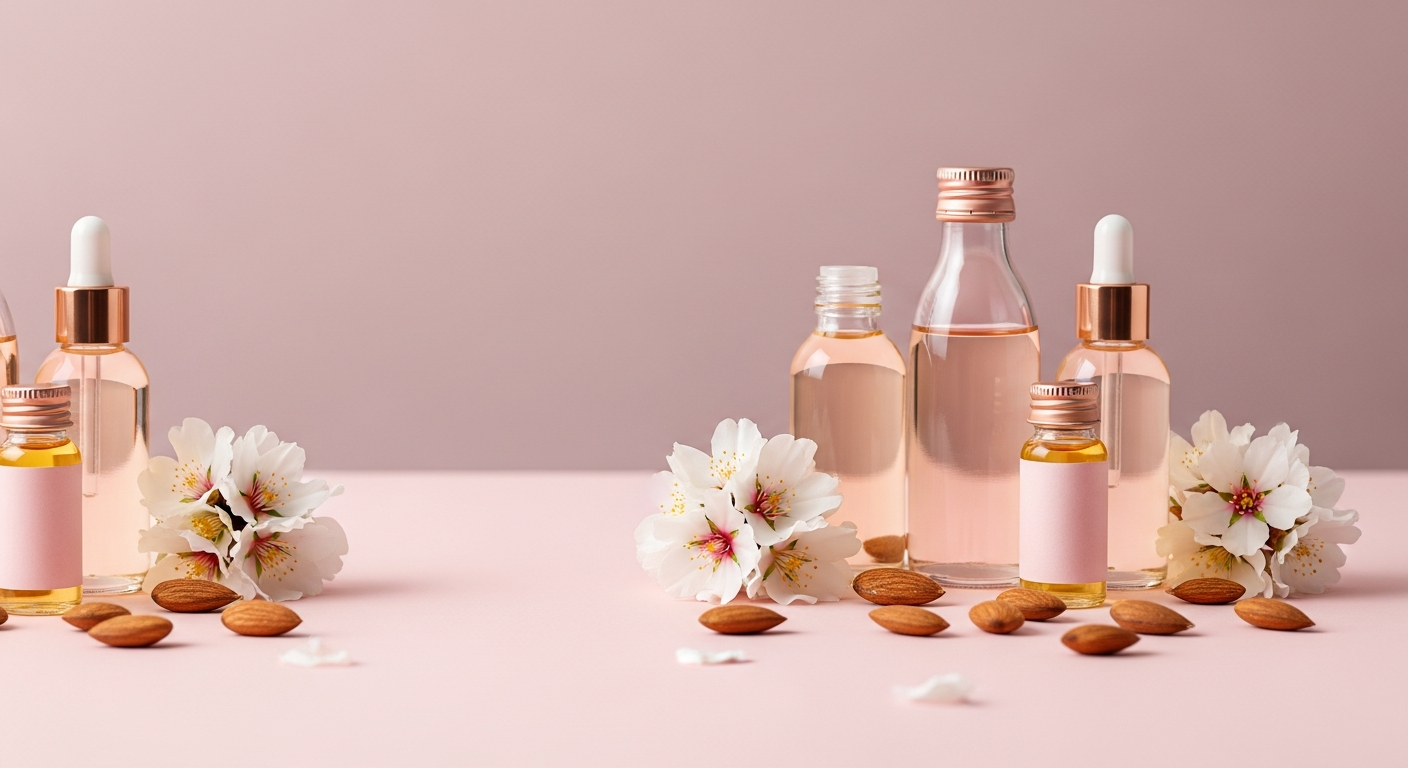
6 Reasons to Switch from Mineral Oil to Sweet Almond Oil Today
If you've been using mineral oil in your beauty routine, you might be wondering if there's a better alternative out there. Sweet almond oil has been gaining popularity as a natural substitute, and for good reason. This plant-derived oil offers a completely different experience compared to its petroleum-based counterpart.
While both oils have their place in skincare, understanding the key differences can help you make an informed choice about what works best for your needs. Let's explore six compelling reasons why many people are making the switch from mineral oil to this beloved nut oil.
1. Natural Origin vs. Petroleum-Based Processing
The most fundamental difference between these two oils lies in their origins. Sweet almond oil comes directly from pressed almonds, making it a completely natural, plant-derived ingredient. This mineral oil alternative almond oil undergoes minimal processing, typically just cold-pressing or expeller-pressing to extract the oil from the nuts.
Mineral oil, on the other hand, is a petroleum byproduct that goes through extensive refining processes. While cosmetic-grade mineral oil is purified and considered safe for topical use, many people prefer to avoid petroleum-derived ingredients in their personal care routines. The natural sourcing of almond oil appeals to those seeking plant-based alternatives in their beauty regimen.
Practical takeaway: If you're looking to incorporate more natural ingredients into your skincare routine, sweet almond oil offers a plant-based option that aligns with clean beauty preferences.
2. Rich Nutritional Profile
One of the most significant advantages when you switch to almond oil is gaining access to its impressive nutritional content. Sweet almond oil naturally contains vitamin E, a well-known antioxidant that may help protect skin from environmental stressors. It also provides small amounts of vitamin A and essential fatty acids like oleic and linoleic acid.
Mineral oil, being a refined petroleum product, doesn't contain these naturally occurring vitamins and nutrients. It's essentially an inert substance that creates a barrier on the skin but doesn't contribute additional nourishing compounds. This makes the almond oil vs mineral oil comparison particularly interesting for those who want their skincare products to do more than just moisturize.
Research suggests that vitamin E and essential fatty acids may support skin health in various ways, though individual results can vary. Many users report that their skin feels more nourished when using oils with these naturally occurring compounds.
Practical takeaway: Choose almond oil if you want an oil that brings additional nutrients to your skincare routine beyond simple moisturizing properties.
3. Better Absorption and Feel
The texture and absorption qualities present another compelling reason for the switch. Sweet almond oil has a lighter consistency than many people expect and absorbs relatively well into the skin. While it's not the fastest-absorbing oil available, it strikes a nice balance between providing moisture and not leaving an overly greasy residue.
Mineral oil creates an occlusive barrier on the skin's surface, which can be beneficial for preventing water loss but may feel heavy or greasy to some users. It doesn't absorb into the skin in the same way that plant-derived oils do. Some people find this coating sensation uncomfortable, especially in warmer weather or on areas where clothing might stick.
The absorption difference becomes particularly noticeable when using these oils for almond oil for skin applications. Many users report that almond oil leaves their skin feeling soft and moisturized without the heavy, film-like sensation that mineral oil can sometimes create.
Practical takeaway: If you prefer oils that absorb well and don't leave a heavy residue, almond oil's lighter texture and better absorption profile might be more suitable for your preferences.
4. Versatility Across Different Uses
Sweet almond oil shines when it comes to versatility. This multi-purpose oil works beautifully for facial skincare, body moisturizing, hair treatments, and even as a almond oil carrier oil for diluting essential oils. Its gentle nature and pleasant, mild scent make it suitable for various applications throughout your beauty routine.
While mineral oil is also versatile, its petroleum origin makes some people hesitant to use it on their face or in hair treatments. Additionally, mineral oil doesn't work as effectively as a carrier oil for essential oils since it doesn't have the same affinity for absorbing and carrying other oil-soluble compounds.
The versatility extends to different skin types as well. Sweet almond oil is generally well-tolerated by most people, though those with tree nut allergies should obviously avoid it. Its balanced composition makes it suitable for normal, dry, and even combination skin types when used appropriately.
Practical takeaway: One bottle of sweet almond oil can replace multiple products in your routine, making it a cost-effective and space-saving choice for comprehensive skincare and hair care needs.
5. Environmental Considerations
For environmentally conscious consumers, the source and production methods matter. Sweet almond oil comes from renewable almond trees, making it a more sustainable choice compared to petroleum-derived products. Almond farming, when done responsibly, can be part of sustainable agricultural practices.
The production process for sweet almond oil also tends to have a smaller environmental footprint. Cold-pressing almonds requires significantly less energy and chemical processing compared to the complex refining required to produce cosmetic-grade mineral oil from petroleum.
Additionally, almond oil is biodegradable, which means it breaks down naturally without persisting in the environment. This consideration becomes particularly important when the oil washes down drains during bathing or skincare routines.
Practical takeaway: If environmental impact influences your purchasing decisions, choosing plant-derived oils like sweet almond oil aligns better with sustainable beauty practices.
6. Suitable for Sensitive Applications
The gentle nature of sweet almond oil makes it particularly appealing for sensitive applications. Many parents prefer using natural oils for almond oil for baby massage and skincare, appreciating the natural origin and mild properties. The oil's traditional use in gentle skincare applications speaks to its long history of safe use.
While mineral oil is also considered gentle and is commonly used in baby products, some people prefer to avoid petroleum-derived ingredients for their families. Sweet almond oil offers peace of mind for those seeking natural alternatives without compromising on gentleness.
The hypoallergenic properties of sweet almond oil (except for those with tree nut allergies) make it suitable for people with sensitive skin who might react to synthetic ingredients or heavily processed products. However, as with any new skincare product, it's always wise to perform a patch test before widespread use.
Practical takeaway: For sensitive skin applications or when choosing products for family use, sweet almond oil's natural origin and gentle properties make it an appealing alternative to consider.
Making the Switch
Transitioning from mineral oil to sweet almond oil doesn't have to be complicated. Start by replacing one product at a time to see how your skin responds. You might begin with body moisturizing, then gradually incorporate it into other parts of your routine if you enjoy the results.
Remember that everyone's skin is different, and what works wonderfully for one person might not be ideal for another. The key is finding what makes your skin feel healthy and comfortable. Whether you choose mineral oil, sweet almond oil, or alternate between different options, the most important factor is that you're taking care of your skin in a way that feels right for you.
Consider your personal preferences, skin type, environmental values, and budget when making your decision. Both oils have their place in skincare, but understanding these differences can help you make the choice that best aligns with your needs and values.